Dogs and ducks, genomics and designer bulls

Training working dogs with ducks

Paul McPhail training working dogs with ducks

Outside the pavilion, hundreds watched working dog trainer Paul McPhail show how young dogs are schooled herding ducks. Inside the pavilion, a small crowd lunched with researchers investigating genomic testing of bulls.

This scene from the Dairy Expo at Korumburra yesterday struck me as a really interesting statement about modern farming. It’s the meshing of age-old skills and cutting-edge science.

Zoe and I couldn’t resist watching the pups – one just four months old – rounding up the ducks. The warmth of Paul McPhail’s training and the dedication of his dogs were mesmerising. Nor could I resist the chance to find out what science will bring to our dairy farm in the next few years. One of the most interesting was the genomic testing – as distinct from genetic modification – of bulls.

Normally, bull calves are selected for breeding based on pedigree and their conformation or “type score”. Their semen is then collected and used to breed daughters, who must then get in calf so we know how fertile they are, and then be milked at age three before we know the real value of the bull as a sire.

It’s all based on observed and measured performance. On the other hand, genomic testing compares the DNA of new sires with the DNA of historically well-performing sires as a benchmark. More work needs to be done to increase the reliability of this testing but it promises a shortening of that four-year timeframe.

There is also hope that the testing will soon be affordable for mass screening of our cows. We will be able to verify the parentage of our animals and gauge their genetic merit very early on. This should “speed up” improvements in our herd with powerful animal welfare outcomes. By better selecting cows for breeding, we should be able to reduce the number that become lame, have bad udders and need to be treated for mastitis.

The scientists, who were from the DairyFutures CRC and are also working on designer forages, will help Australia’s dairy farmers remain competitive on the world stage.

Exciting stuff!
Calving slows, now, when to take the bulls out?

Over the past week, only half a dozen cows have calved. The next decision will be when to take the bulls out of the herd.

Traditionally, our herd begins to calve in mid-July but we’re in transition towards a new start date. Because the winters seem to be warmer and the springs shorter here, we began to mate the cows last July for an April 20 start to calving (like people, cows have a nine-month gestation period).

This is designed to match the cows’ peak production of milk with the peak growth of grass and reduce the need to maintain high energy levels over summer, which is a tough time to keep fodder up to the cows on a rain-fed rather than an irrigated farm.

So, when to stop? Some farmers arrange mating dates to have a couple of batches of calves throughout the year, relatively few calve all year round and most aim for seasonal calving over a period of eight to 12 weeks. These days, it’s becoming increasingly hard to get all the cows in calf each year and not all cows need to be pregnant annually to produce well. Extended lactation, as it’s called, is now very common for a portion of dairy herds and, according to the gurus like Greg O’Brien at the Department of Primary Industries, could be quite viable.

Since I want to shift our start date and rapidly shorten the calving season from our current transitory (and excruciating) six months, I’m inclined to be reassured by Greg’s advice and pull the bulls out earlier rather than later. Last year, it was New Year’s Day, this year, I’m considering mid-November. It’ll be mostly the late calvers who miss out under this regime and because we’ll be mating again in July, extended lactation is even less of an issue – it’s not a two-year lactation, anyhow.

In the next couple of weeks, we’ll arrange a pregnancy test for the cows who either calved early this year or didn’t calve at all. The vets are confident of due dates when pregnancies are at least eight weeks.

Wish me luck!

Spot the missing calf

A cow calved in the herd on Saturday. This isn’t supposed to happen. All the cows are pregnancy tested between eight weeks and five months after joining to confirm their status and due dates but the tests are not infallible. We obviously missed 585 somehow and she arrived in the dairy sporting afterbirth.

Zoe, Alex and I headed down to the paddock to find her calf but it was nowhere to be seen. We checked drains and even wombat holes but still nothing. It was easy to spot the patch of squashed grass and membranes where 585 had given birth and I expected the calf to be nearby. After an exhaustive search, we decided to put the cows back in the same paddock overnight and see whether the calf emerged from its hiding place.

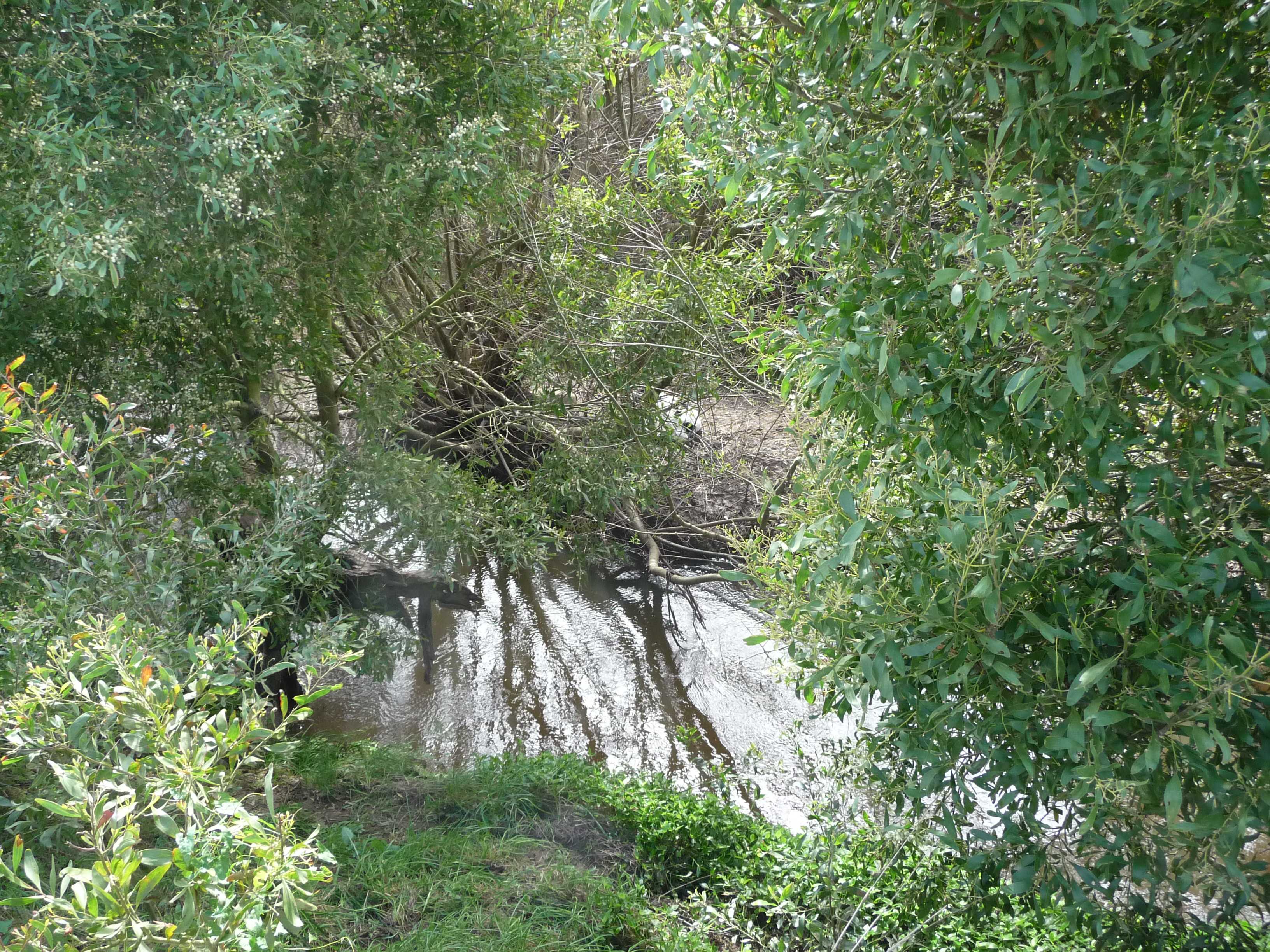
It didn’t, so we looked again. And here it was:

Spot the missing calf

Can you see the missing calf?

Can’t see it? Look here:

Spot the missing calf

Can you see him here?

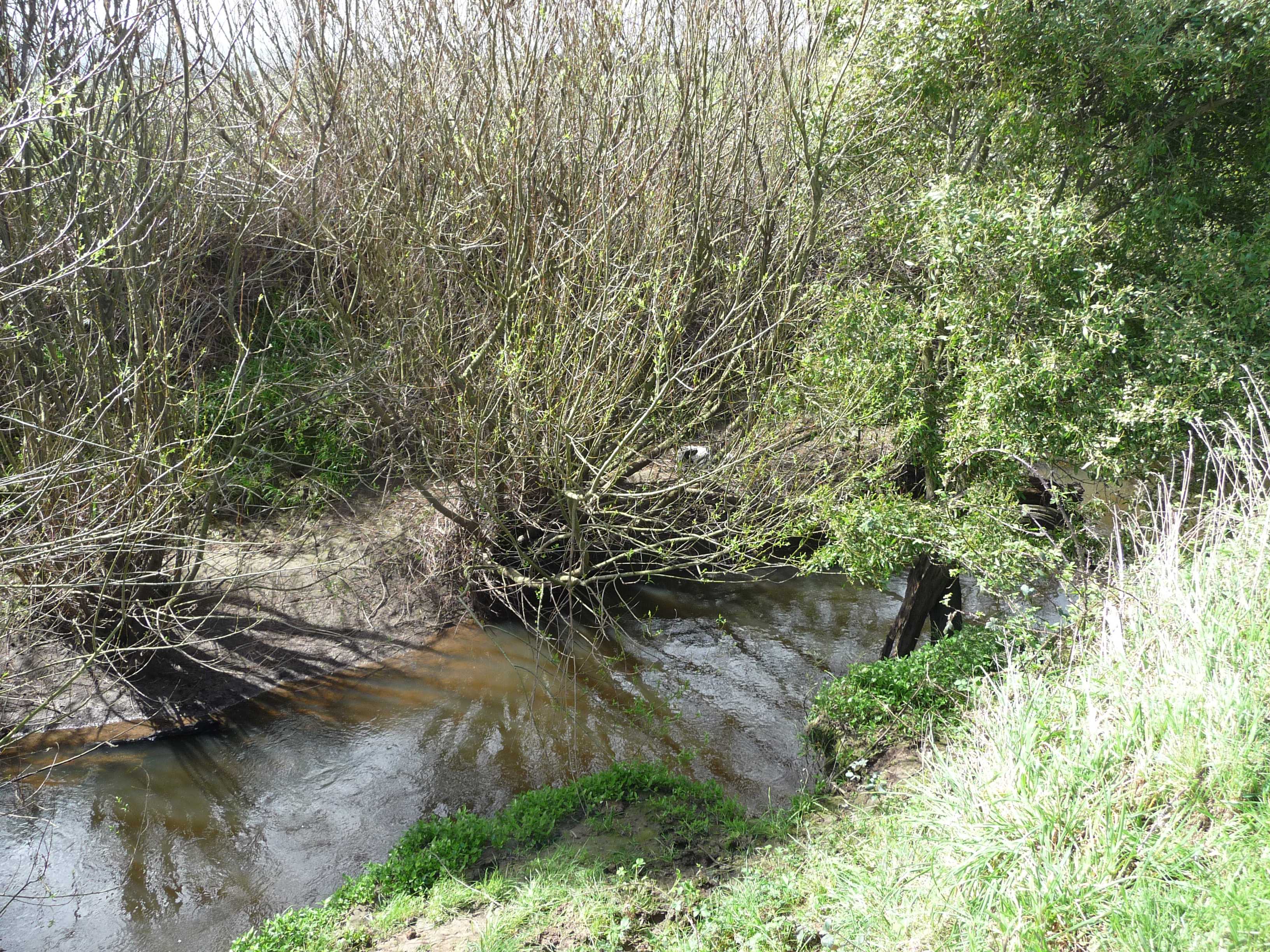
Yes, the little creature had either fallen or walked into the river down a very steep bank, got across and found a nice sunny spot for a snooze. What a great little survivor and what a relief!

Fortunately, our neighbours across the river raise our bull calves and Dave was pleased to find the calf in perfect health and rang to thank me for the express delivery. We won’t be floating calves across for you as a regular service though, Dave!

Weaned calves acclimatise to new surroundings with maremma guardians

Weaned calves take in their new surroundings

Weaned calves take in their new surroundings

We’ve weaned a bunch of calves and they love their new surroundings by the forest. When I took this picture, they were still a little overwhelmed, walking quietly around the paddock.

At our farm, calves are weaned relatively late. The calf rearing experts say you can wean a calf as soon as she’s eating at least 1.5kg of grain or pellets per day but, in my view, it doesn’t hurt to offer them milk for a bit longer. Calves are the future of our dairy farm and we don’t skimp on their wellbeing.

We’ve chosen a paddock far from the dairy that offers shelter from cold weather and shade from the sun. Cows are kept off this pasture to minimise the risk of transmitting disease like Bovine Johnes Disease from one generation to another. Aside from buying in bulls to preserve genetic diversity, we have a closed herd and no history of the muscle-wasting BJD but it’s good practice to keep stock under 12 months old off pasture that’s been grazed by mature cows.

While the pic doesn’t show them, maremmas Charlie and Lola have been staying close to their charges and I’m hopeful the transition will extend their range.

Why we don’t want huge calves like this whopper

Huge calf

Big calves are a big risk

This calf was born yesterday and, sadly, survived only a few minutes, leaving his poor mother exhausted. Having sat her up, Wayne and Zoe are giving her a dose of sugars, calcium and mineral salts to give her a boost after her ordeal. Big calves tend to cause a lot of calving trouble and are also often stillborn. We’ve had a few this year, which I think is partly due to the wonderful condition of the cows.

We do actively try to keep the size of calves manageable in other ways. When we are selecting bulls for our herd, we look for those who have a record of easy calvings (though not too easy in case we end up breeding cows with hopelessly tiny pelvises) and those of medium stature. We don’t want to breed giants and internationally, Holsteins have been getting bigger and bigger.

As well as the calving ease, our desire for medium-sized cows is about fitness. Most of the semen originates from lines bred in America and Europe, where cows live in barns most of the time and walk very little while, here in Australia, our cows live out in the paddocks all year round.

I think they have better lives as a result but the downside (if you can call it that) is that they must be fit enough to walk from the paddock to the dairy and back twice a day. Massive bodies are hard on feet and legs.

Human babies and calves are worlds apart

Face of a newborn calf

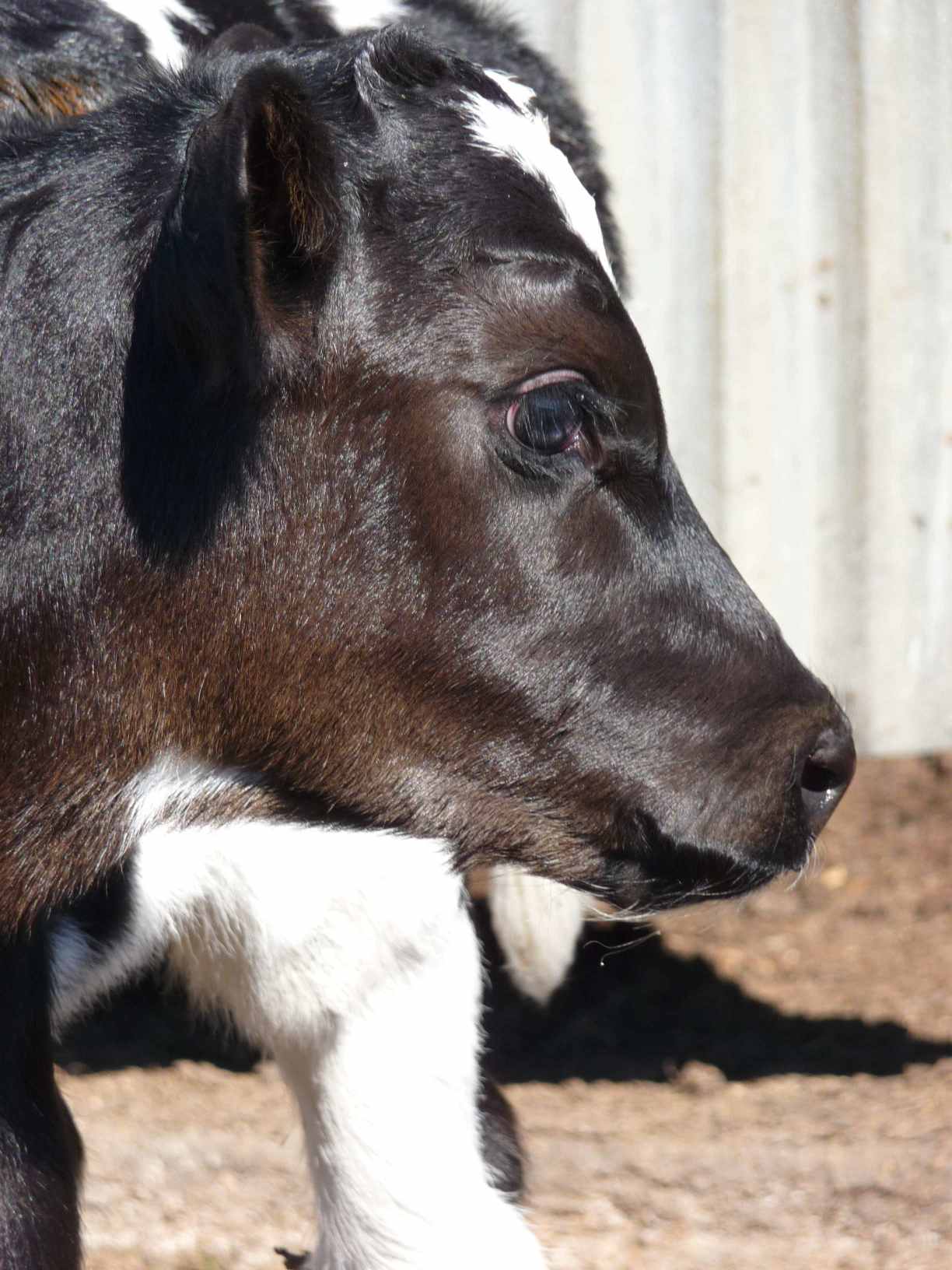
This calf is only a day old

At just one day old, this bright little calf can outrun any of us – Zoe can vouch for that! Given that my baby Alex will probably take his first staggering steps at about one year old, there’s no comparison between human and bovine babies in the athletic stakes.

There are some similarities though. Both need lots of colostrum in the early days and both have developing immune systems that mean extra TLC is essential early on. For this reason, we house the newborn calves in a warm, dry shed on beds of sawdust for their first week or so. We can monitor their intake of colostrum and make sure they’re sturdy enough for outdoor life with their friends.

When there are just too many mouths to feed

We’ve hit the wall. We’re officially overstocked. The wet season has left too many paddocks out of rotation and we just don’t have enough grass.

Our options are:

1. Keep feeding out large quantities of hay, grain and silage

This is expensive and time consuming. Days are being consumed behind the tractor wheel and the guys are quickly becoming exhausted, even with extra labour. It’s also less than desirable to drive heavy machinery over soft pastures.

2. Sell stock

Not an option either. We need more milkers rather than fewer and a short term sell-off to buy back later is a poor choice – we like to keep a closed herd to reduce the risk of importing disease and so we can be sure of our bloodlines.

3. Find some more land

Our preferred option is to find top quality agistment reasonably locally for our yearlings. That means nice, well fertilised pastures, proper animal welfare practices, shelter, good fences and reliable water. Not easy to find just now, it turns out! For this reason, we’re touring far-flung pockets of Gippsland looking for the ideal home away from home for our little ones.

Any suggestions?

Could I eat Laura?

Laura at 5 weeks

Laura at 5 weeks (left) with a friend

A while ago, I told you the story of Laura, a surviving twin heifer. Here she is today, about five weeks old, after her breakfast. When I came in for my own breakfast a little while later, I found this story about Facebook founder Mark Zuckerberg’s mission to eat only what he kills. I can see the merit in his argument but could never follow his lead.

I’m certainly not one of those people who can rear a steer called “Chops” and happily call the mobile butcher. Nor am I alone in being one of those people who likes to eat meat but doesn’t want to think about where it comes from. Maybe that makes me a hypocrite, yet it shows the strength of our bond with the animals around us and, as their custodians, that’s surely anything but shameful.

A day in the life of an Australian dairy farming family

I kept a time log yesterday. Here’s how our busy but not unusual day went.

5.00am Wayne hops on the quad bike to round up the cows and slowly and quietly bring them to the dairy

5.45am Milking starts

6.30am Marian hits her desk to catch up on paperwork before Zoe wakes and checks the online forecast. All three computer models agree there’s a little rain coming tomorrow. Better get the nitrogen onto those paddocks we just grazed early tomorrow morning!

8.15am Milking’s finished and the cleaning begins

8.30am Zoe and Marian shift the effluent irrigator, fill the pump with petrol and get it going.

Zoe with effluent irrigator

Time to shift the irrigator

9.00am Marian and Zoe arrive on the Bobcat to give Papa a kiss and cuddle before we head off to feed the springers grain and anionic salts. The new calf spotted being born last night is a baby bull, who will be reared by one of our neighbours. We bring him and his mother back to the shed.

Anionic salts

Anionic salts (Zoe pic)

9.30am The milking machines, the yards and the vat room are spotless.

9.40am The three of us walk a couple of cows across the road to start their annual two-month holiday before they calve.

Cows going on holiday

Cows going on holiday

9.45am Wayne feeds three rolls of silage to the milkers

10.10am Zoe and Marian bring back two cows from the holiday paddock to join the springers in the TLC paddock.

10.45am Zoe and Marian refill the effluent pump and set it off again

Refuel Pump

Refuel pump again! (Zoe pic)

10.55am We all meet up again to feed the youngest calves and muck out pens. Discover one is sick and Wayne heads off to town to get treatment for her and refill the jerry cans.

11.30am Zoe and Marian are starving. Lunch time!

12.50pm Treat the sick calf and muck out more pens while Wayne welds up a broken gate in the dairy

1.20 pm Wayne’s off to feed silage to the dry cows, calves and heifers. Zoe and Marian take a look at the heifers to see if any should join the springers. We decide to do a big sort out in one to two weeks.

1.40 pm Refuel the effluent pump and get it running again

1.50 pm Load up 10 buckets of grain to feed to the youngest of the one-year-old calves. They are very happy to see us!

Feeding Calves Grain

Grain for calves (Zoe pic credit)

2.30 pm Check a new pasture on the way back

Zoe checks new pasture

Check new pasture

2.40 pm Quick snack and conflab with Wayne. 15 minutes later, we go off to round up while he feeds our maremmas, Charlie and Lola, and takes a bit of a break before milking.

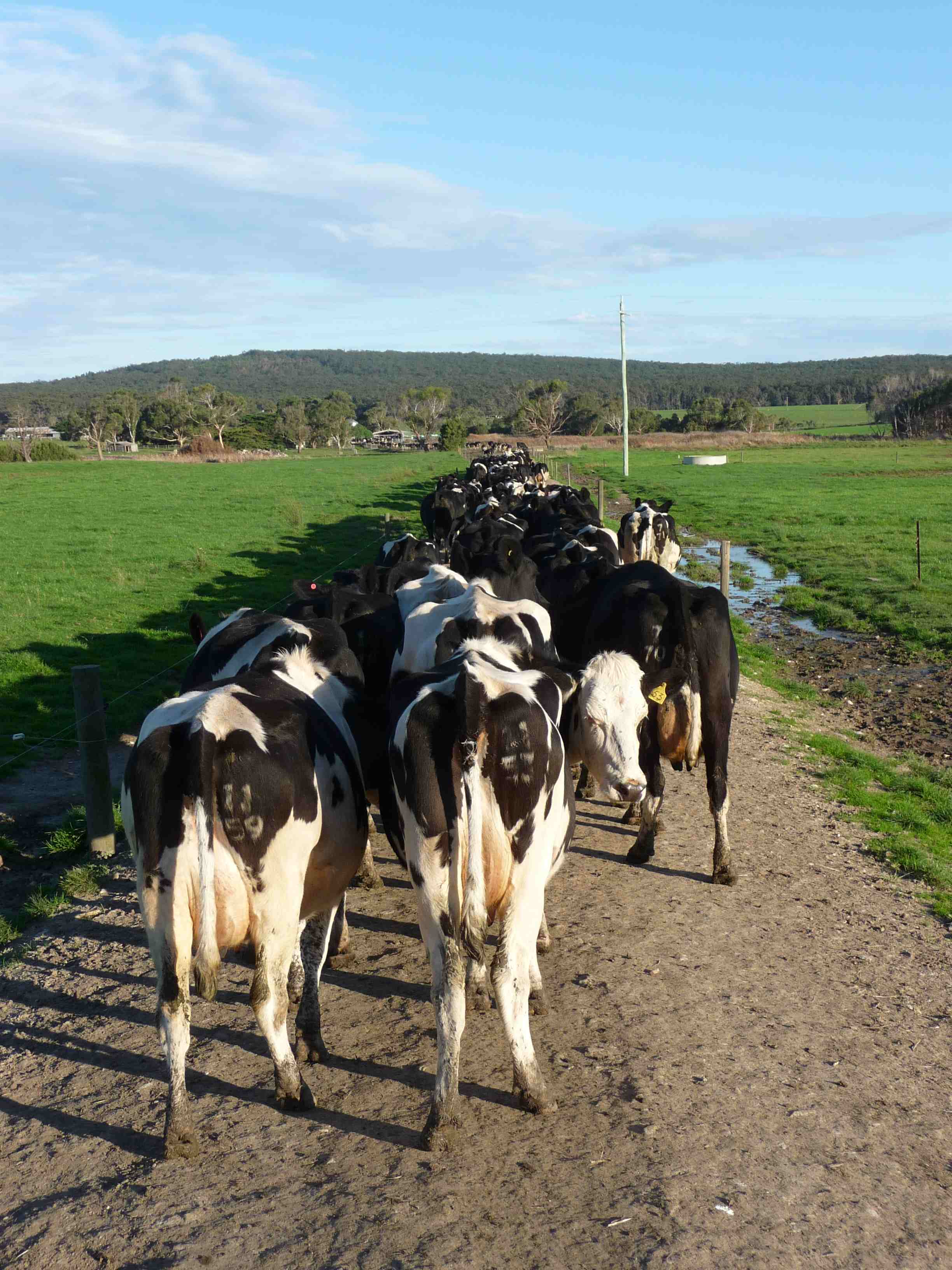
Cows on the track

Rounding up

4.10 pm Finally get all the cows into the yard – Wayne’s already got the first 32 cows milked. The cows were in one of the furthermost paddocks from the dairy, we had to set up paddocks along the way and deal with a broken fence. Also discovered a major water leak 😦

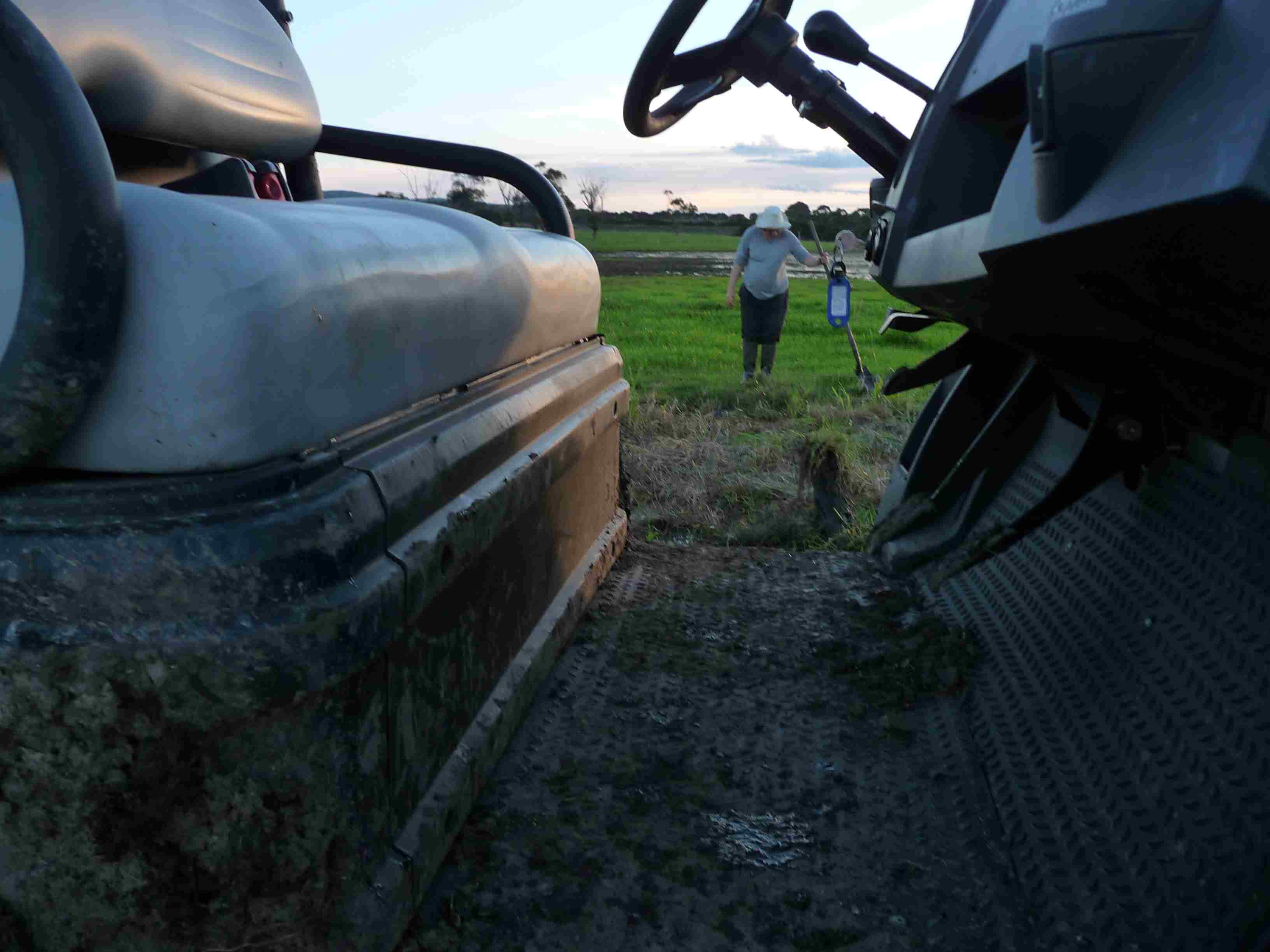
4.20 pm Equipped with tools, start prodding around in the mud.
Zoe’s taking pics now while Mama makes a mess.

Zoe's pic of Mama looking for the leak

Mama looks for the leak

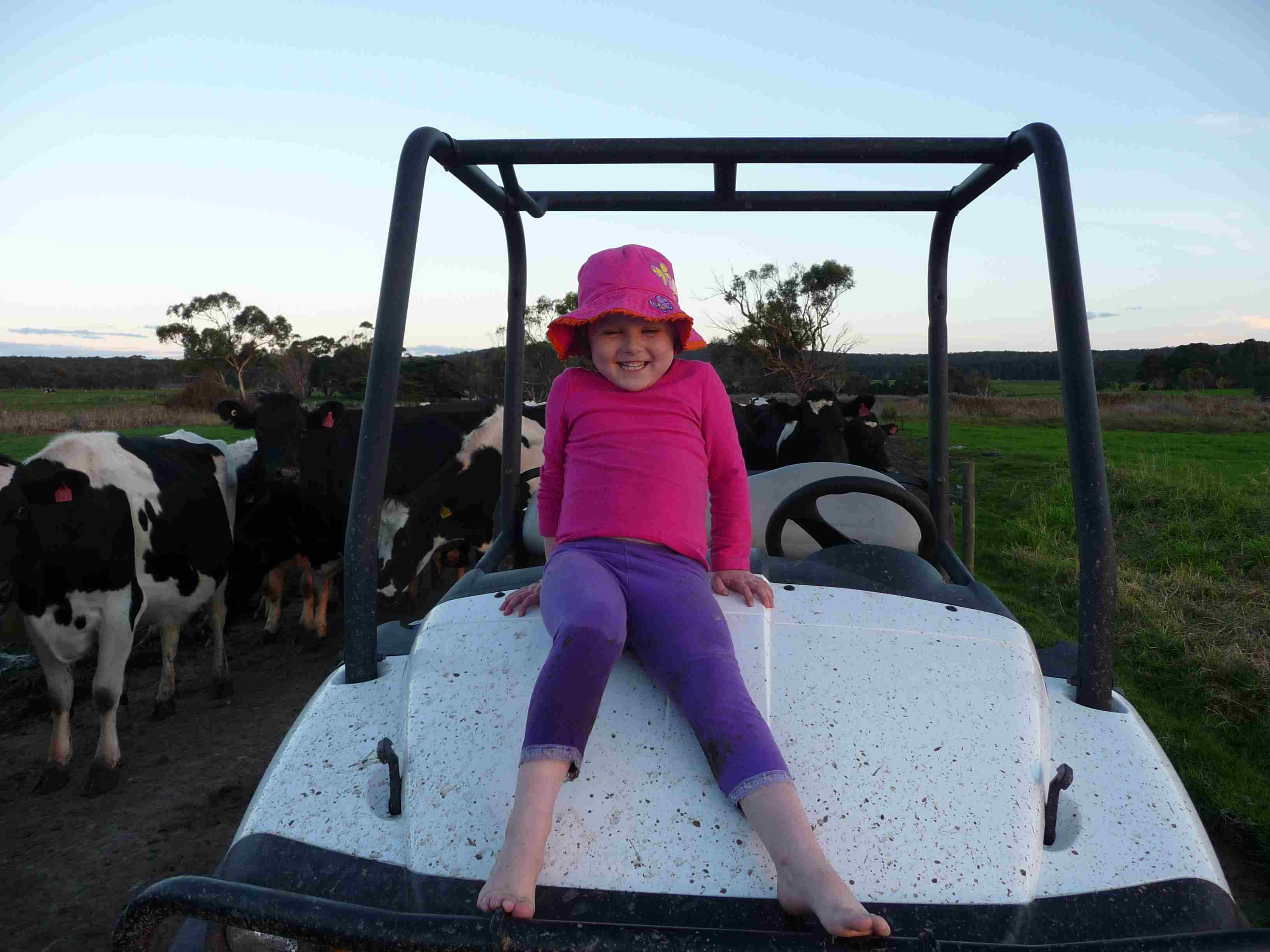
Oops! Zoe’s got a bootful but let’s make it funny.

Zoe on the Bobcat after mud accident

After a boot full of water

The cows crowd around us on their way back to the paddock.

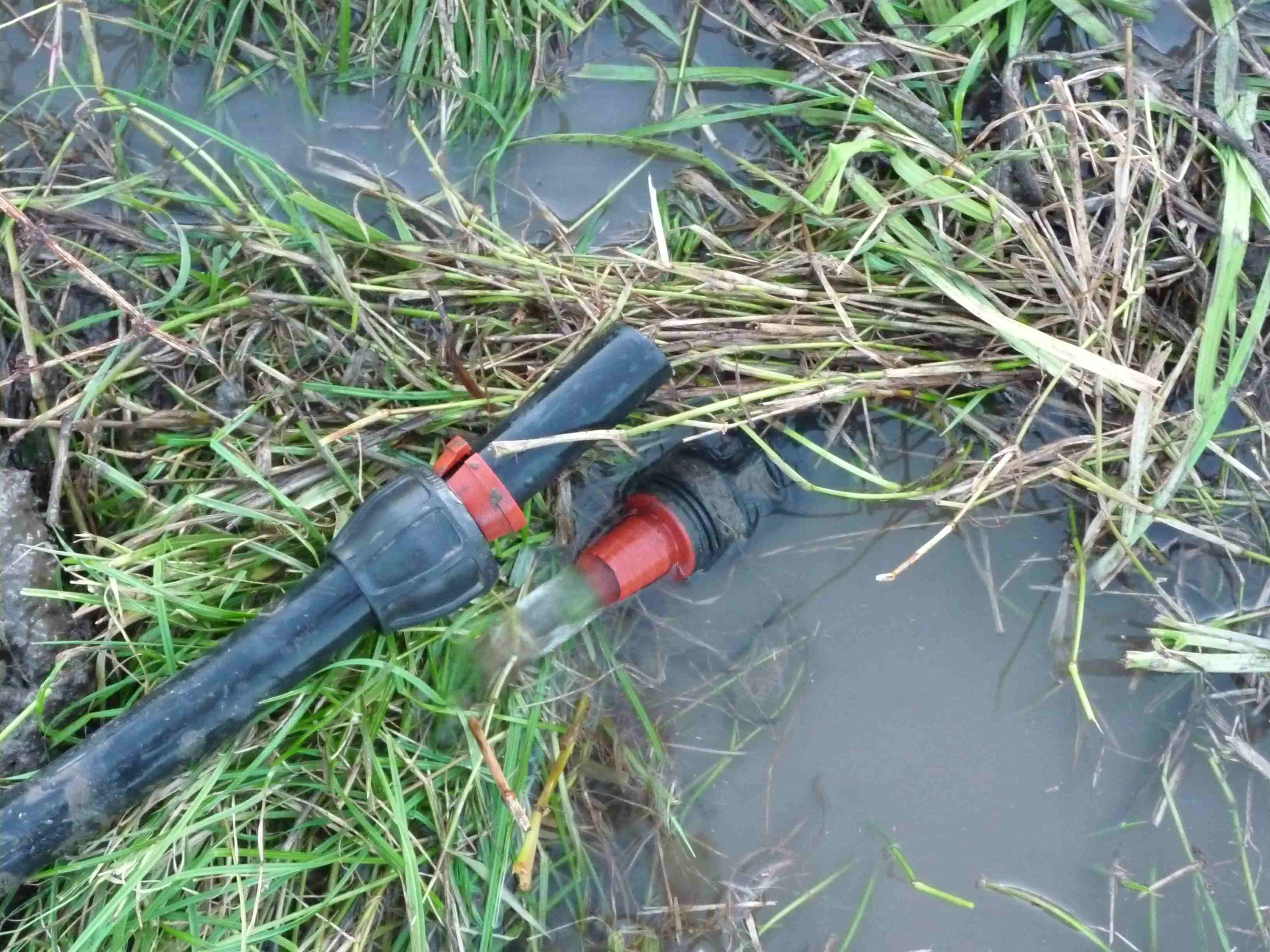
5.06 pm The Eureka Moment! An old (but still connected) water line has burst a fitting.

Pipe fitting

Unearthed the blasted leak

5.10 pm Outta there.

5.15 pm Set the travelling effluent irrigator on a new path, refuel pump and pull the rip cord!

5.35 pm Marian and Zoe home at last!

6.25pm Wayne’s home from milking. The end of a big day.

Youngsters of all species love fun

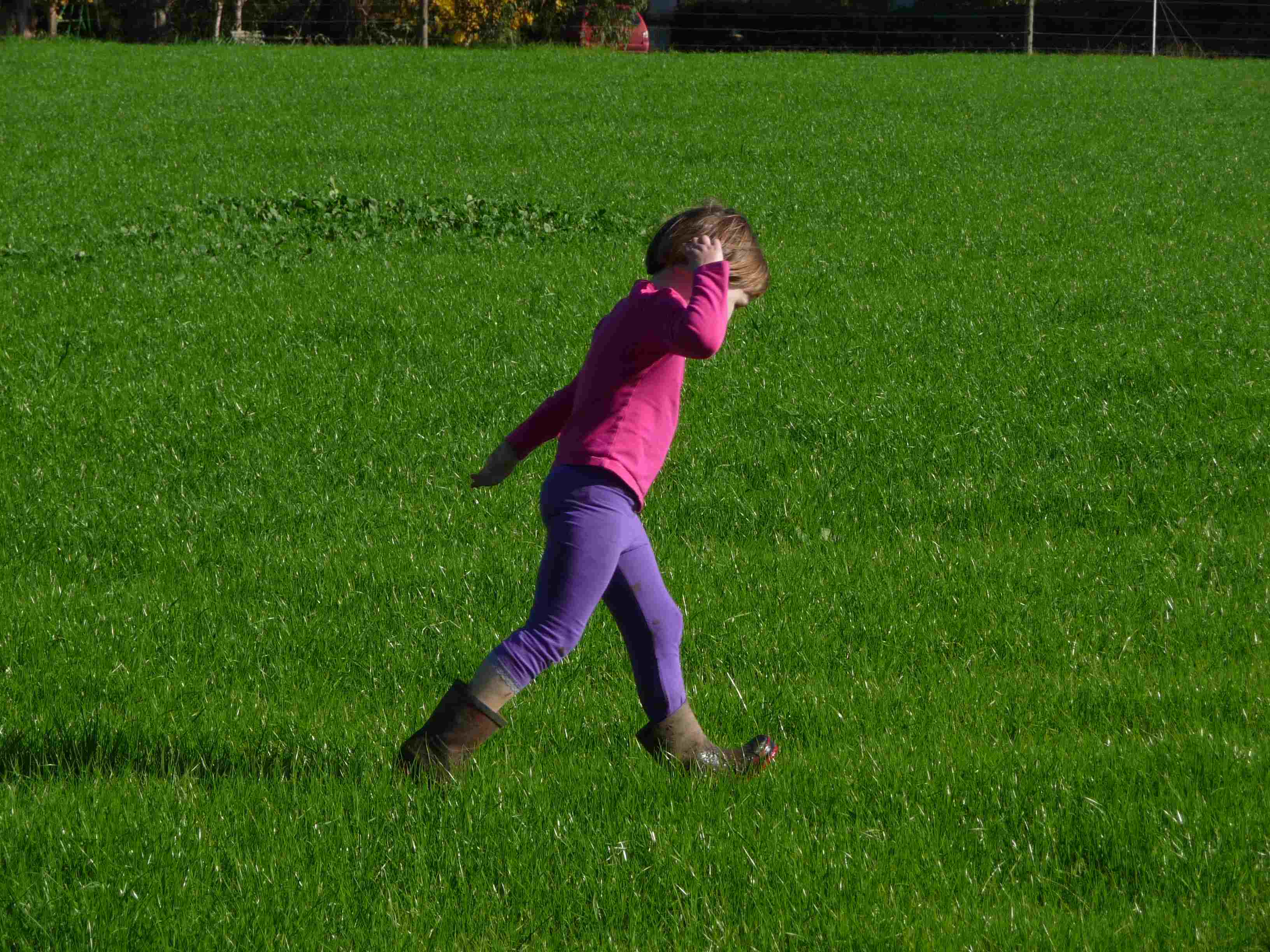
It’s been bitterly cold and Zoe’s just getting over a nasty bout of croup, so she’s been stuck in the house for days on end. When the sun finally broke through, we decided to get out and about and, while I fixed a fence, she decided to play “chasey” with the rising one-year-old calves. Sorry about the quality!