Farm fit


Before Bed Bike Safari

Before Bed Bike Safari

At my local primary school, I was an okay runner but at the big regional secondary school an hour’s drive away, I was a star. The townies were no match for a fit farm girl.

Farm kids get a natural workout every day as my little girl’s muscular legs will attest. On Boxing Day, she urged me along 10kms of forest tracks on her new pushie, complete with a “passenger” to match mine. Tonight, she was desperate to go on a ride before bed, so I said “just around the boundary then”.

The boundary ride was a nice little adventure and a good chance to check the fences and more far-flung paddocks. We are besieged by kangaroos and wallabies who are very charming but give fencing and pastures close to the forest a beating.

The kangaroos are welcome to some of the west-facing paddocks, which are already quite desiccated. The others won’t be far away. In fact, I can say with some confidence, Friday will cast a new hue over the farm. The first summer stinker of 2013 is forecast to be 40 degrees in the shade and the Bureau says not to expect any rain for at least the next eight days.

Time to figure out a new rain dance, I guess.

The dairy farmer’s calendar

Summer is the laziest time of year for a dairy farmer but when Wayne and I started writing a “to do” list yesterday, my head began to spin a little. Not satisfied with a mild head rush, I went on to draft a rough calendar:

The Annual Milk Maid’s To-Do List

Lazy Summer Days

  • Milk cows
  • Pay bills
  • Deal with crises (pump breakdowns are popular this season)
  • Begin drying cows off for their annual holiday
  • Make hay
  • Have we conserved enough fodder? Consider buying more
  • Begin feeding silage, crops and hay
  • Return cow effluent back to pastures
  • Spend a day changing rubberware in the dairy
  • Control blackberries
  • Vaccinations, drenching, branding, preg testing
  • Big maintenance projects (the stuff you put off the rest of the year)
  • Dream of the next Great Leap Forward

Autumn Anxieties

  • Milk cows
  • Pay bills
  • Deal with crises (milk quality issues popular this season)
  • Continue drying cows off for their annual holiday
  • Special feeding regime for expectant cows
  • Welcome and nurture new calves
  • Test soils for nutrient levels
  • Repair cow tracks
  • Sow new pastures
  • Fertilise pastures
  • Return cow effluent back to pastures
  • Chase revegetation grants and order trees
  • Maintenance
  • Still feeding silage and hay
  • Nude rain dancing in full swing

Winter Woes

  • Milk cows
  • Pay bills
  • Deal with crises (calving emergencies popular this season)
  • Welcome and nurture new calves
  • Fence and spray areas for revegetation
  • Spend a day changing rubberware in the dairy
  • Feed three groups of cows different rations
  • Mating program in full swing
  • Consider another drenching
  • Buy new gumboots and practise rain dancing in reverse
  • Redo budgets after milk factory announces opening price
  • Keep chin up

Supercharged Spring

  • Milk cows
  • Pay bills
  • Deal with crises (unpredictable weather popular this season)
  • Train the new members of the herd
  • Visit the accountant (and maybe the banker)
  • Fertilise, fertilise, fertilise
  • Vaccinate and wean calves
  • Thoroughly clean and disinfect the calf shed
  • Plant trees
  • Control thistles
  • Make silage
  • Sow summer crops
  • Make grass angels

I know I’ve missed stuff – lots of it – but it should give you an idea of what happens day-to-day and season-to-season on our very average Australian dairy farm. So, dear Reader, as we head into 2013, what do you want to know more about?

Plastic in the paddock

I may not be able to look my fellow farmers in the eye after publishing the next photo, especially those of the calibre of @Hoddlecows of Montrose Dairy, for I have committed a dairy farming sin.

Grass ready for ensiling

Not quite “the more the merrier”

If you ever needed proof that farmers are a hard lot to please, this is it: we want our grass to be lush but not this lush. It’s past its best and I should never have let it get so long. Now that it is this long, I should not be spending lots of money to have it cut, tedded, baled and wrapped in plastic to create that fermented delicacy called “silage”. It’s too crappy. Oh, the tut-tutting.

How did I get to this point? Well, the farm has been so wet that I simply wouldn’t have been able to get this paddock grazed without bogging a few bovines along the way, so I just looked the other way until we had this tiny window of almost-good-enough silage-making weather. I’m told it’s only me and one other farmer on the other side of town who have ventured into silage making around here so far this season.

“Fools rush in…etc, etc, etc.”

Thankfully, the team at Bowden’s Ag Contracting got it done for us, just in the nick of time. Even though it’s creating more mud and misery out there, it sure feels good listening to the rain on the roof tonight, knowing that it will be pattering on plastic in the paddock. So there!

Kicking back on the farm

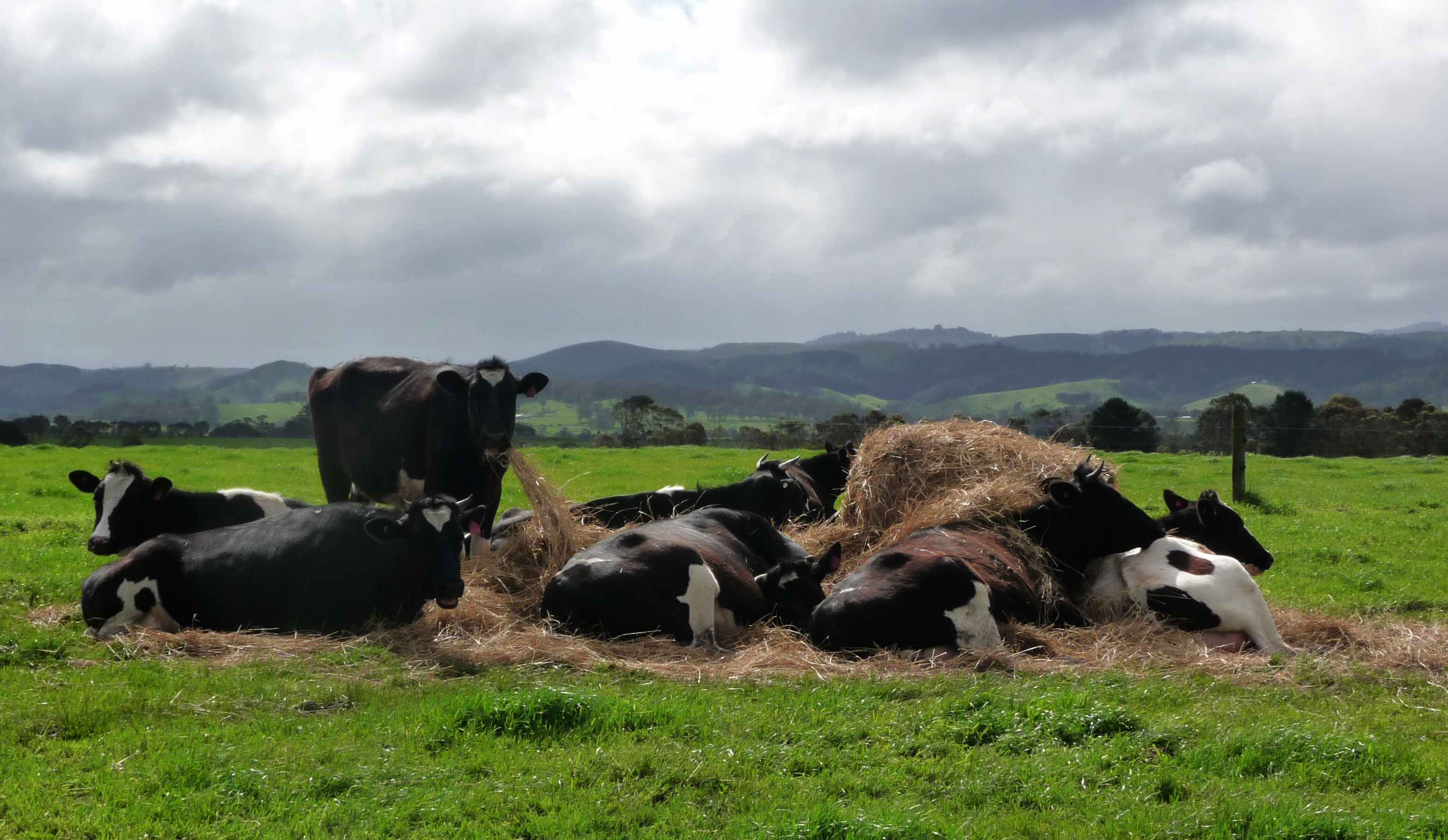
By far the coolest animals on our dairy farm are the 2 year olds.

Just kicking back

With the fearlessness and carefree existence of youth, these girls really know how to relax!

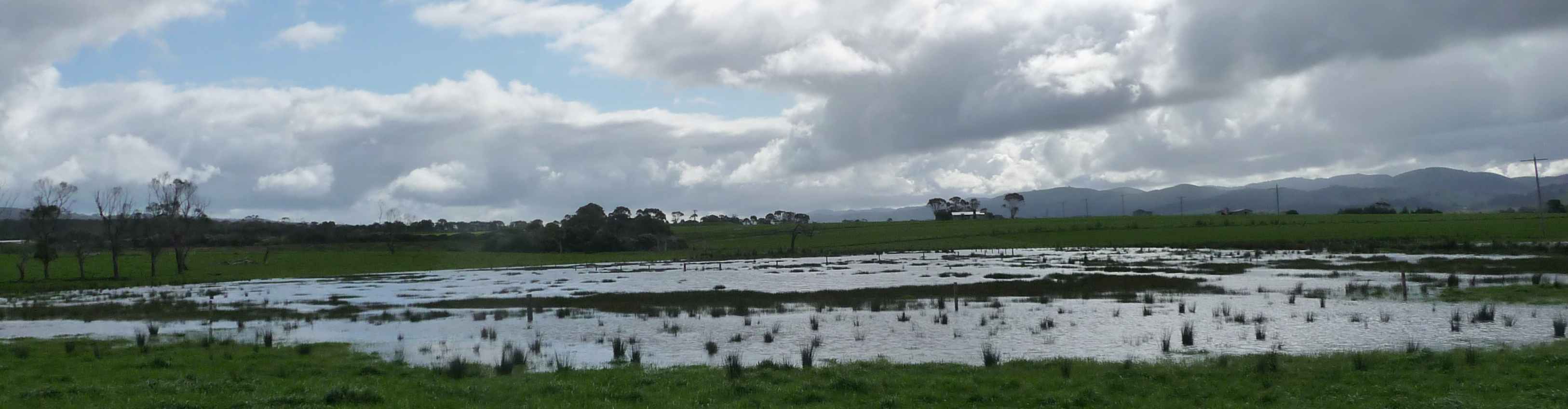
“Cool” is also the understatement of the month for Spring 2012. The area set aside for revegetation is earning its sexy NRM-funding title of ‘ephemeral wetland’ with more regularity than I would like.

Does this count as the fifth flood of 2012?

On the other hand, the grass is growing in between inundations. If it would just stop raining for a couple of weeks, we might get some silage tucked away for summer!

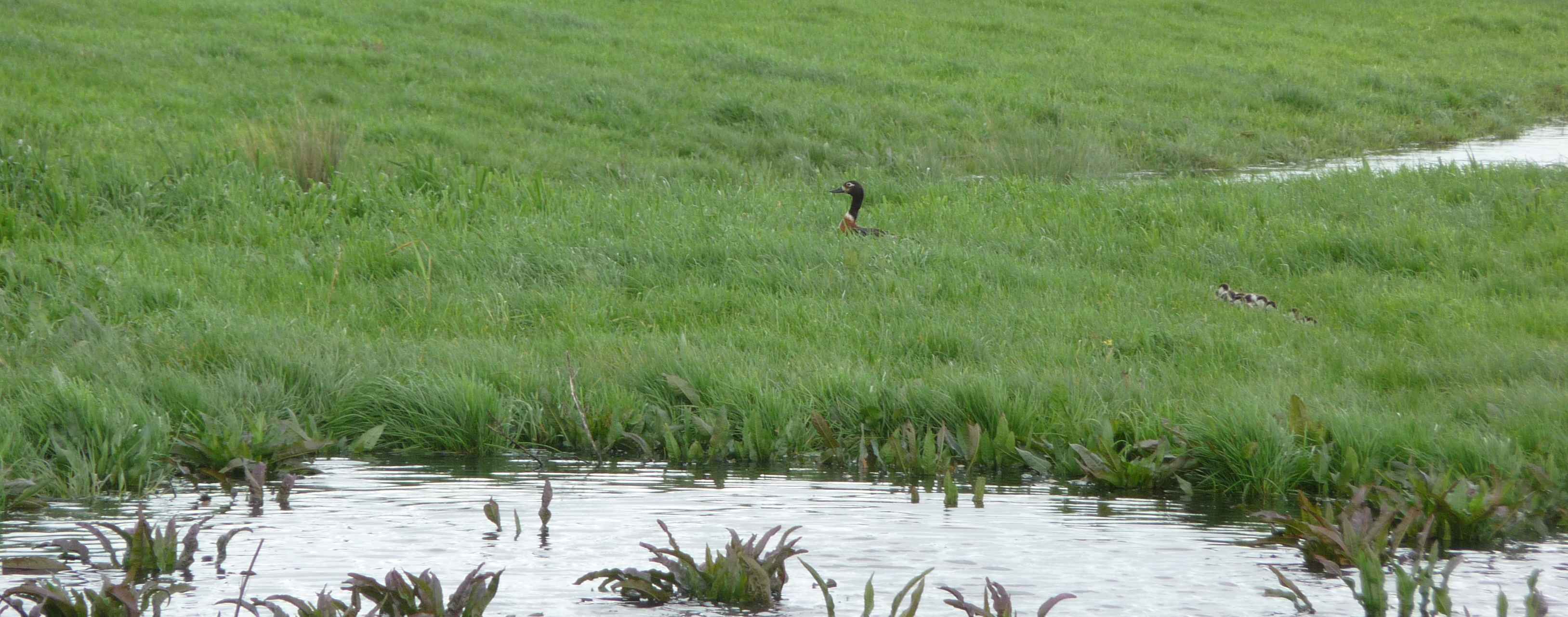
Mother duck speeds her charges away from the cow track as the herd passes by.

People and animals tell the farm’s story

This was Zoe on the Bobcat as I moved the electric tape in paddock 6 on Friday. It really was sunny enough to dig out the zinc!

Yes, two pairs of oversized sunglasses are apparently “hot” right now

I’d been away from the paddock for a week and things had got away. It’s newly sown to a high performance grass and zoomed off once the saturated soil turned to plasticene over a balmy few days. We had to get the cows in at once if there was any chance of keeping grass quality levels up over Spring.

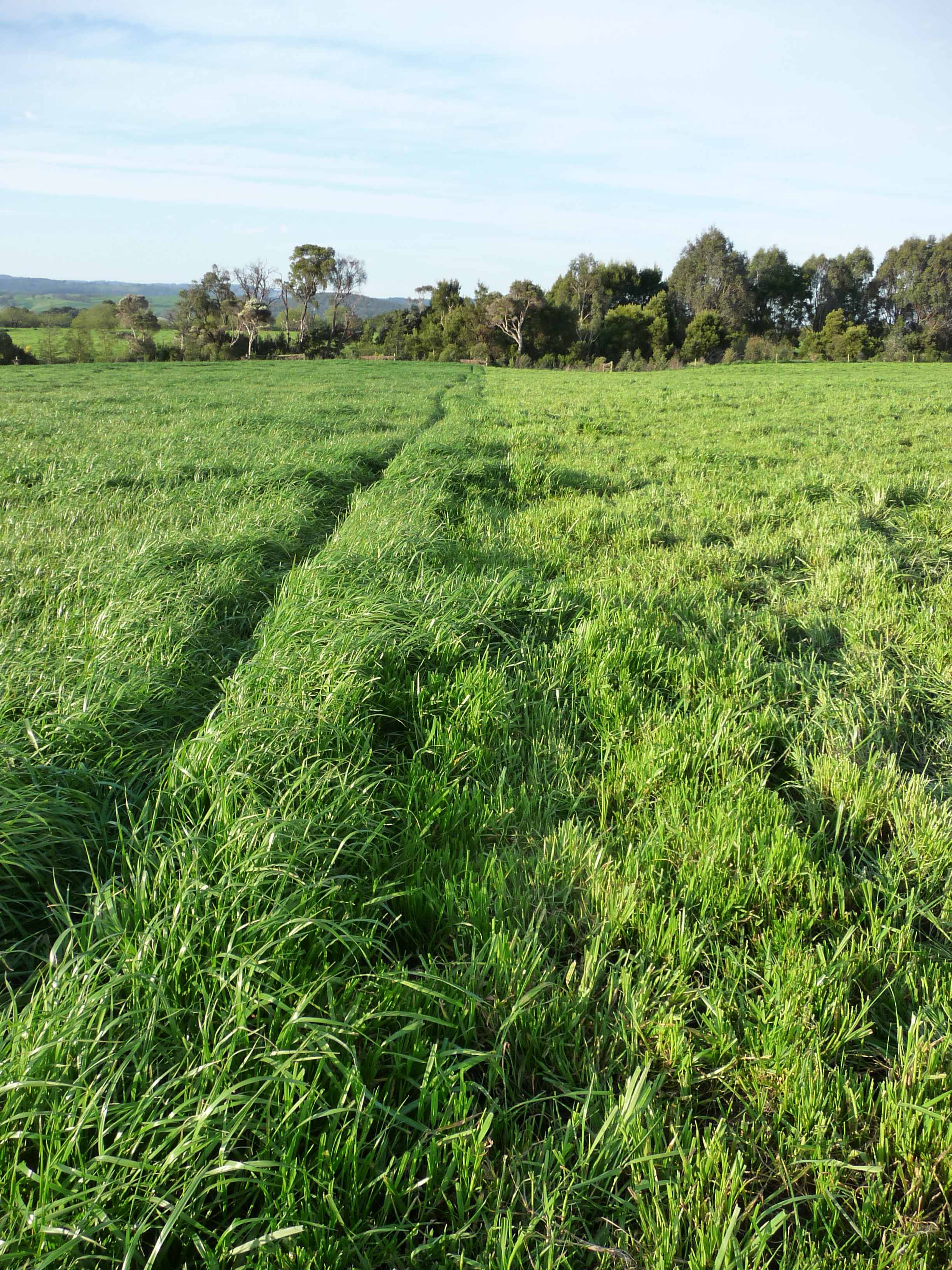
At this time of the year, it’s really important to divide the paddock into small strips. Let them into the whole lot at once and most will be wasted as the engorged cows make nests to sleep it off. The trick is to have the cows absolutely full to pussy’s bow, but only just. It’s good for the cows, good for milk production and good for the grass.

The grass on the right has just been grazed, the grass on the left is for dinner

Grass growth will have come to a skidding halt over the last couple of glacial days though. Everything is mushy and muddy all over again. Including Patch.

Whadda you mean I can’t come inside?


Solar on the farm? Maybe.

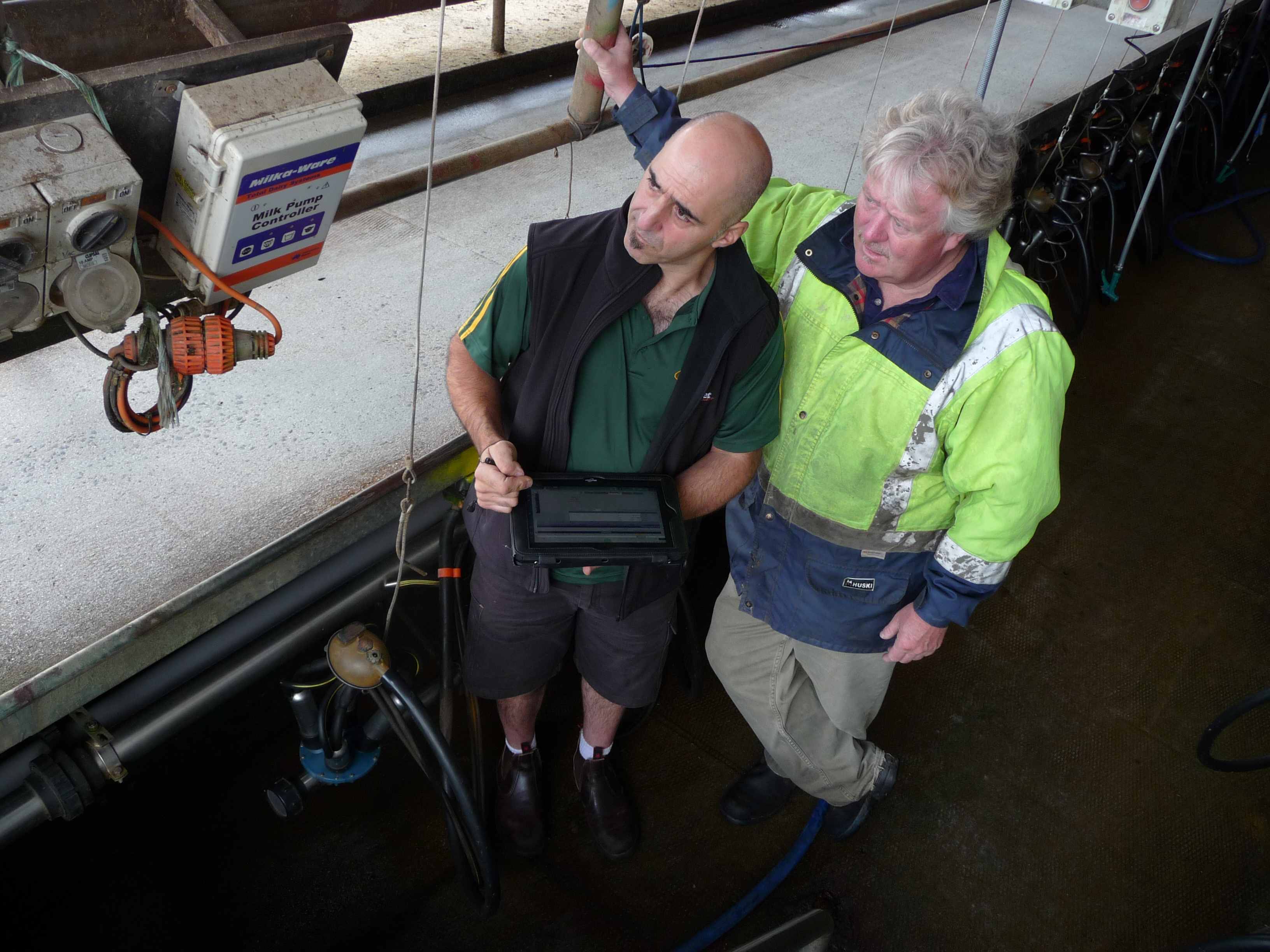
It costs between $4000 and $5000 per quarter in power bills just to run the dairy, so we jumped at the chance to have an energy audit done on the farm by Gabriel Hakim, thanks to GippsDairy.

Energy Audit with Gab

Gabriel and Wayne check out the systems

It showed us where our energy is used and highlighted that maybe we had better look at increasing the flow of water to our milk heat exchanger. Still, there were no massive savings to be made (and don’t we all love a silver bullet?), so I’ve started investigating alternative power for the dairy.

A wind turbine would have a payback period of 60 years! Jeepers! So, I’ve since been looking at solar. You can now lease solar systems with the repayments matched to your electricity savings, making the exercise cashflow neutral. Very nice! The only thing now is to get the right size system.

It’s not as easy as you think because the cows are generally milked too early and too late in the day to capitalise on solar energy, so I think we’ll be starting off small. That’s not so bad because it won’t lock us in to the technology forever and I am sure something even better is on its way!

Three floods in 30 days

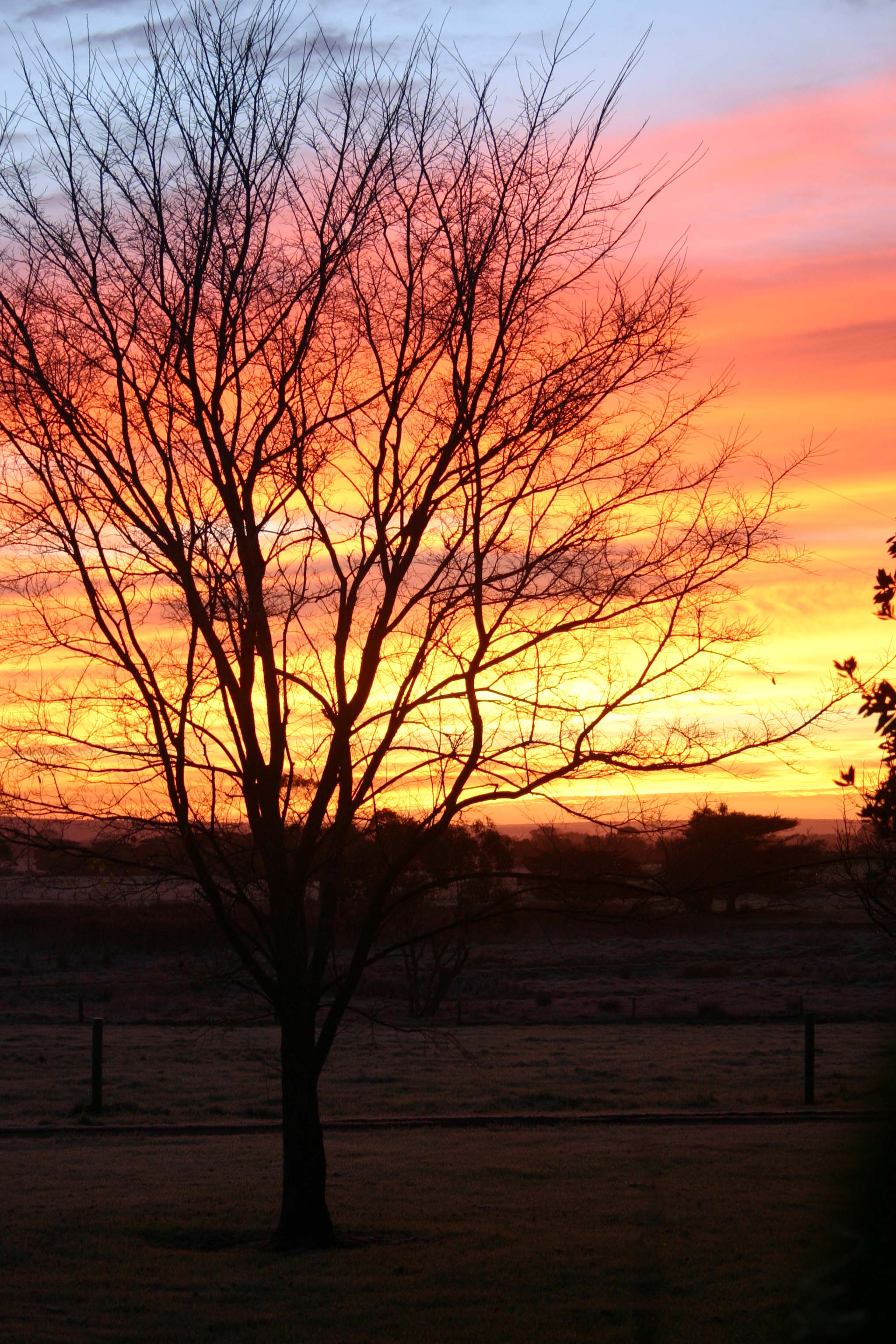
Sunrise

Red in the morning, shepherd’s warning

It all started with this glorious yet ominous sunrise over the first heavy frost of the year. But the chill of the glittering, icy landscape (and the weather forecast, for that matter) gave no hint of what was to come – three days of rain that have limited us to just two paddocks for the milking herd until the third flood in 30 days releases its grip on the farm.

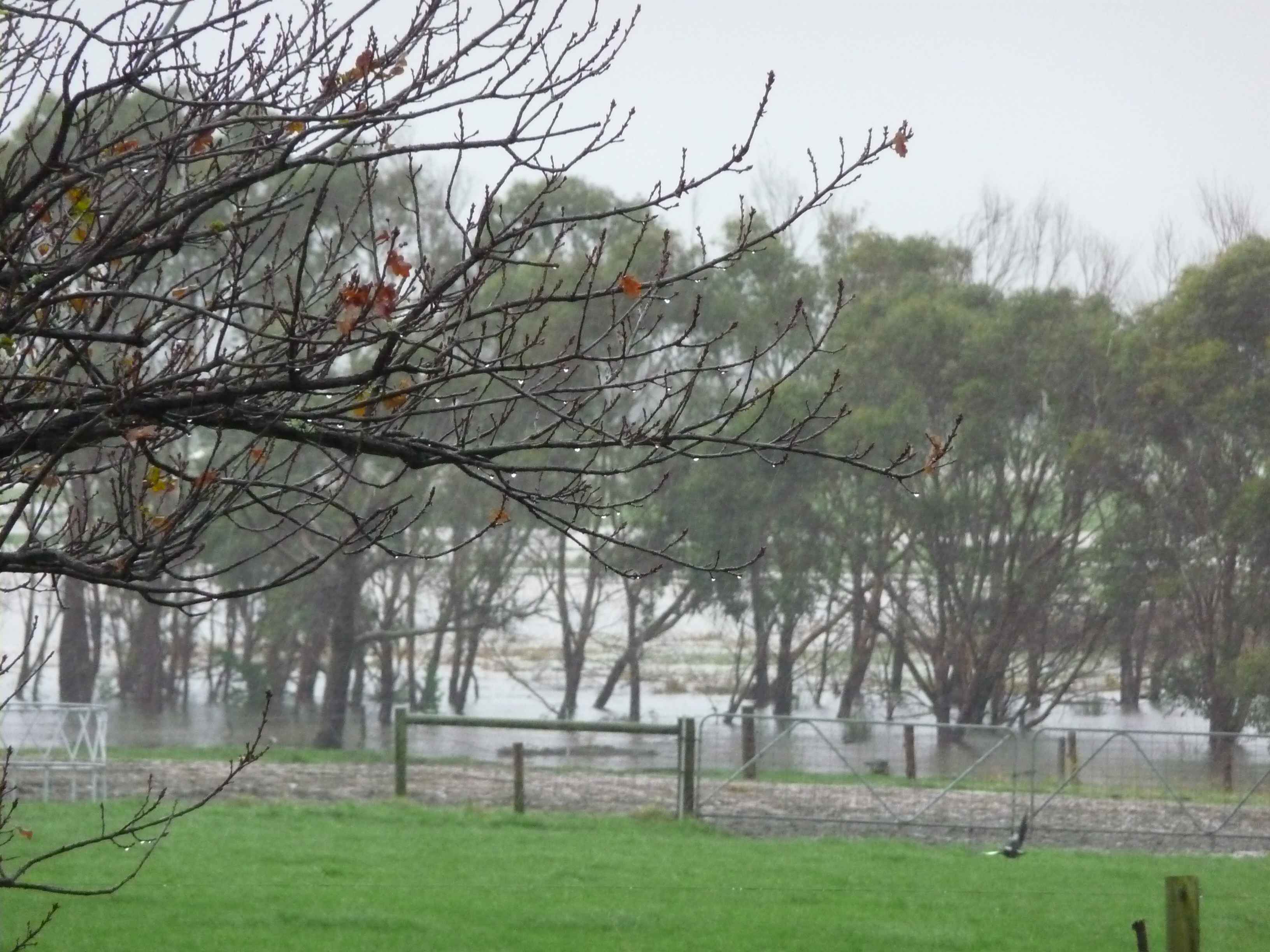
Flood three

The third flood in 30 days

Normally, a minor flood like this one wouldn’t cause us any angst. We’d still have two-thirds of the farm, after all. The river flats are cut off but we also have undulating paddocks that never see a flood.

Unfortunately, we are halfway through calving and need to have six different groups of cattle in different paddocks: calves, large and small yearlings, dry cows, springing (soon to calve) cows and milkers. We also have nine “high ground” paddocks out of action due to renovation.

On top of this, we have been making up for punishing the high ground during the last two floods with remedial doses of fertiliser, including urea.

Urea is 45 per cent nitrogen, an element that is every bit as essential for plant growth as sunshine and rain. It’s even fed to animals sometimes to boost the protein level of their feed but too much of a good thing can be lethal. Nitrate poisoning brings a sudden, horrific death.

According to University of Melbourne guru Richard Eckard:

“The timing of grazing, relative to nitrogen fertiliser application, may adversely affect cows. Figure 1 shows the pattern of nitrogen uptake, as nitrate-nitrogen or crude protein in the plant, after grazing and subsequent application of nitrogen fertiliser. The following observations, from Figure 5.1, are important:

  • depending on condition, it usually takes around 4 to 5 days for the applied nitrogen fertiliser to dissolve into the root zone and to be taken up by the plant;
  • nitrate levels in the plant peak around 7 to 14 days post nitrogen application;
  • protein levels in the plant peak slightly later, usually around 16 to 18 days;
  • usually nitrate levels in the pasture drop off to acceptable levels by 18 to 21 days post nitrogen application.”

In other words, don’t let the cows into the paddock for 18 days after you spread urea. It’s 10 days right now.

Oh bother, oh dear, holy cow. I want to go home! (Hang on, this is home. Damn.)

The morning after

I lay awake listening to rain on the roof and when dawn broke, this was the view that greeted Alex and me yesterday.

Flood June 4

No better than the day before – even the water troughs disappeared!

Wayne was in Melbourne, Zoe still curled up in bed. The cows were missing their milker, Clarkie, who was on the other side of the flood waters. Sticklers for routine, they’d started coming into the yard and would not be happy! As soon as Zoe woke, we packed breakfast and headed off in the car, looking for a way through.

Flooded road

The most likely option

I sat contemplating the water for a couple of minutes and turned back – not worth the risk. After about three-quarters of an hour of back road exploration, we made it to town! A quick call to Clarkie and he was on his way.

Yay! Our patience is rewarded![/caption]

The cows were milked a few hours late but everyone was safe and Zoe made it to school in time for morning tea. The rest of the day was spent hunkered down with farm consultant Matt, poring over spreadsheets, while Alex entertained us with his antics. The waters are still quite high today but this afternoon’s farm tour will reveal the extent of the damage.

All part of the thrills and spills of life on the land and I guess we had better get used to it – if the scientific community has it right, the climate rollercoaster will only get more and more “exciting”.

Two floods in ten days

My kitchen is a picture of domestic bliss: gingerbread men fashioned by Zoe in the oven, chicken curry in the pressure cooker. But the reality is that Zoe is home early from school because the roads to town are sure to be cut by now with the second flood in 10 days.

The second flood

Groundhog day

A neighbour tells me he tipped 94mm out of the gauge this morning and it hasn’t stopped raining since. The cows are on high ground (as is the house, thankfully) but they ate those pastures out only a week ago to give the flats a chance to recover and the grass is still short.

What will we do? Redo our budgets, then call the gravel contractor to get first in line for track repairs, followed closely by the fodder supplier.

The cows will have soft, tender feet so we’ll have to take them extra gently along the tracks and we’ve already earmarked a “sacrifice” paddock to spare our saturated soils from pugging and compaction.

None of this would be too, too terrible if it was November but it’s only June 4 and as the wry @Hoddlecows noted on Twitter, optimism about the new season seems to be washing away with the flood waters.

Climate change: the gazillion-dollar question

Nick Minchin doesn’t stand a chance of changing my mind – I accept the evidence that climate change is real, along with (apparently) 97% of scientists.

In our part of the world, the long term trend is “dry, dry and drier” and the CSIRO’s State of the Climate Report confirms what many farmers here are dealing with right now.

What local dairy farmers are doing to cope with climate variability
We’ve been holding meetings and farm days to discuss how we can adapt. Here are some of the things locals are doing to help their farms cope with increased climate variability:

  • Changing the time of year calves are born
    On our farm, we are moving the start of calving from winter to autumn – a shift of almost two months. This allows us to take advantage of extra grass during milder winters while reducing our exposure to longer, hotter, drier summers.
  • Planting trees
    Trees aren’t just good for wildlife – they offer our cows shelter from uncomfortable weather and help to protect pastures from searing summer winds.
  • Trialling new pasture types
    Rye grass is the mainstay of dairy farming pastures around here but it has shallow roots that are quite vulnerable to heat and pests (which are expected to become more problematic). We’ve been sowing cocksfoot and fescue in some of our less productive pastures. Both have deep root systems that can tap into moisture lower in the soil. Other farmers are trialling chicory, plantain and other herbs too.
  • Shade and sprinklers at the dairy
    Lots of us have installed sprinklers and shade sails over the dairy yards and fans in the shed to help keep the cows cool while they wait to be milked, minimising the risk of heat stress.
  • Increasing energy efficiency
    Farmers have been flocking to seminars about green cleaning and water heating technology. For us, it’s meant a thorough audit of our dairy’s refrigeration, milking machines and hot water system.

In other words, local farmers are reading the tea leaves and, for us, the gazillion-dollar question is not whether climate change is real (or whether it’s caused by people) but what we should do about it. Consider us your canaries.