Just getting some extra cred

Remember Zoe and Pearlie Girlie?

Zoe and Pearlie Girlie back in November

Zoe and Pearlie Girlie back in November

Well, since I wrote about the tender relationship between young farmer and young cow, Pearlie Girlie decided to make a grab for power and began to scare me – taking a few aggressive strides towards Zoe and wagging her head. We’ve been making sure Zoe stays well clear of the little cow but, today, Zoe reclaimed her rightful position as boss.

Zoe is boss once more

Zoe is boss once more

Why you shouldn’t write a blog

It’s a lot of fun writing the Milk Maid Marian dairy blog and I’d love to see more Australian dairy farmers blogging too.

When I get a few minutes to talk to other dairy people at the Australian Dairy Conference in a few weeks, I’m hoping one or two will be inspired to begin the conversation online. But why should they? The 365-day commitment of dairying makes them very busy people by definition. And why should we constantly have to justify ourselves to everyone else as one reader of The Land asked?

“The Aussie Farmer has to wonder if he has any hope when people supposedly representing us – such as Matt Linegar in his role with the NFF perpetuate the idea that we need a “social licence to operate”. Wake up! Australian food is some of the best food in the world – grown at world quality standards. If you run off the Australian farmer through whatever measure – you are still going to need to eat. Where is the food going to come from then? Will they give two hoots about “social licences”? Truly hungry people care about not starving. Another cost we will be expected to bear.”
Posted by Frustrated Farmer, 9/01/2012 10:54:23 AM

The Frustrated Farmer makes quite a few points in this single paragraph. First, Australian food production is world-class and should be appreciated; second, we need to produce food; and then there’s the hint that maybe our leaders ought to be handling the advocacy on our behalf. All good points.

I write the blog because I am disappointed that there’s so little available online for consumers who don’t swallow the misinformation of extremist groups without asking questions. I’m really grateful that there are Aussies out there who care enough about the things that matter to me (animals, country living, the land and great food) to want to know more about what farmers do and why we do it.

I also admire the men and women who give up lots of their time to selflessly represent agriculture at endless meetings or, as @payntacow does, by inviting them into their farms (aka homes) to experience farming first-hand. Then, there are the thousands of other dairy farmers who donate their time to the CFA, the SES or the kindergarten fundraising committee. This is something I cannot do, so I write the blog.

The generosity of people from all walks of life is a constant source of inspiration. If you’re a dairy farmer thinking of blogging, do it if you want to but, for goodness’ sake, not if it’s just another impost.

Hell, no, we won’t go!

The cows have been known to take industrial action before but yesterday, they took it to a whole new level. This is what started it all:
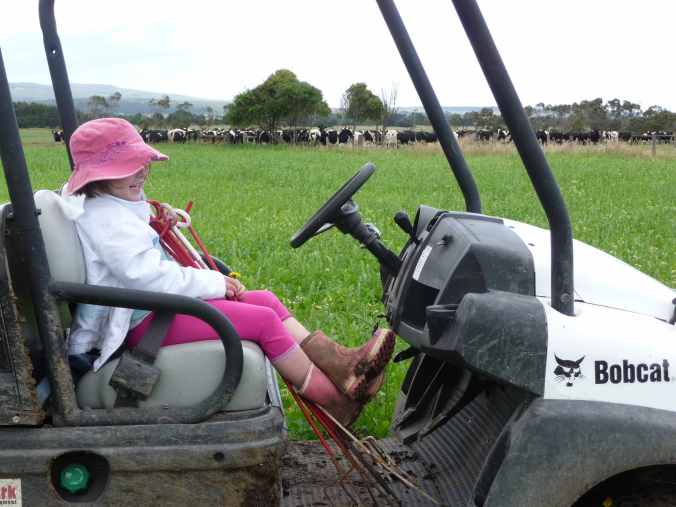
Cows make their presence felt

"Get a mooove on and let us have our crop, NOW!"

With the onset of summer, we’ve had to give each paddock a longer rest between grazings, which means less grass for the cows. We make up for it with extra grain, hay, silage and crop. This means our arrival signals food and they watch us like hawks. My big mistake was to shift the tape in the crop paddock in full view of the herd.

They were a fairly disgruntled bunch – it was their third day in the paddock and even though they’d just stuffed themselves with five rolls of silage and vetch hay, they wanted out.

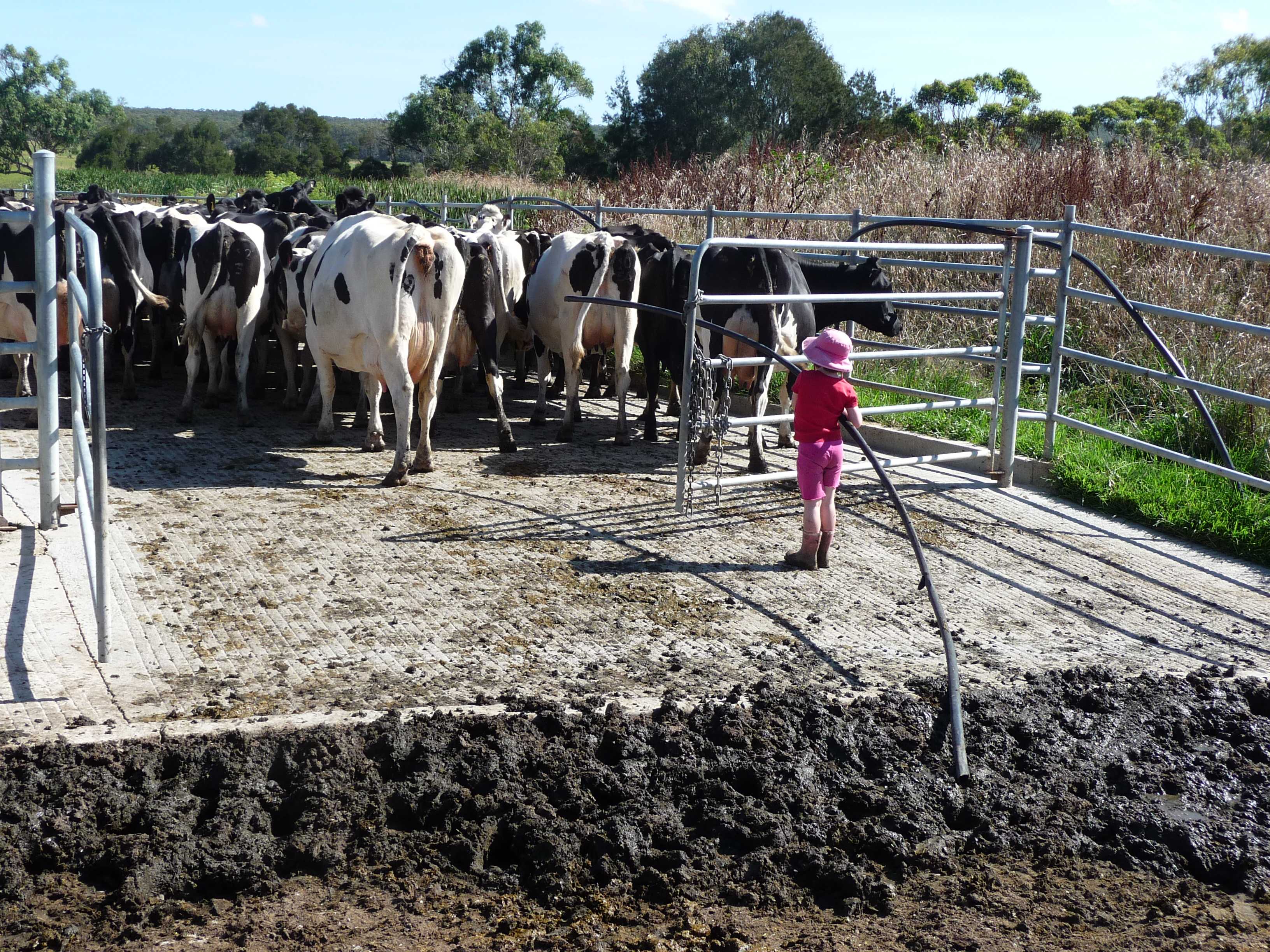
We dutifully finished setting up their dessert settings and returned to the “main dining room” to escort them to the crop. Sounds ideal? Well, not quite. The gate out of their paddock was in the opposite direction of the crop, so they effectively had to walk 75 metres and do a U-turn.

At first, they simply refused to move, pretending they didn’t understand what we meant by our standard “C’mon girls” call. So we upped the tempo a little by Unleashing the Zoe and tooting the horn but they just milled around us.

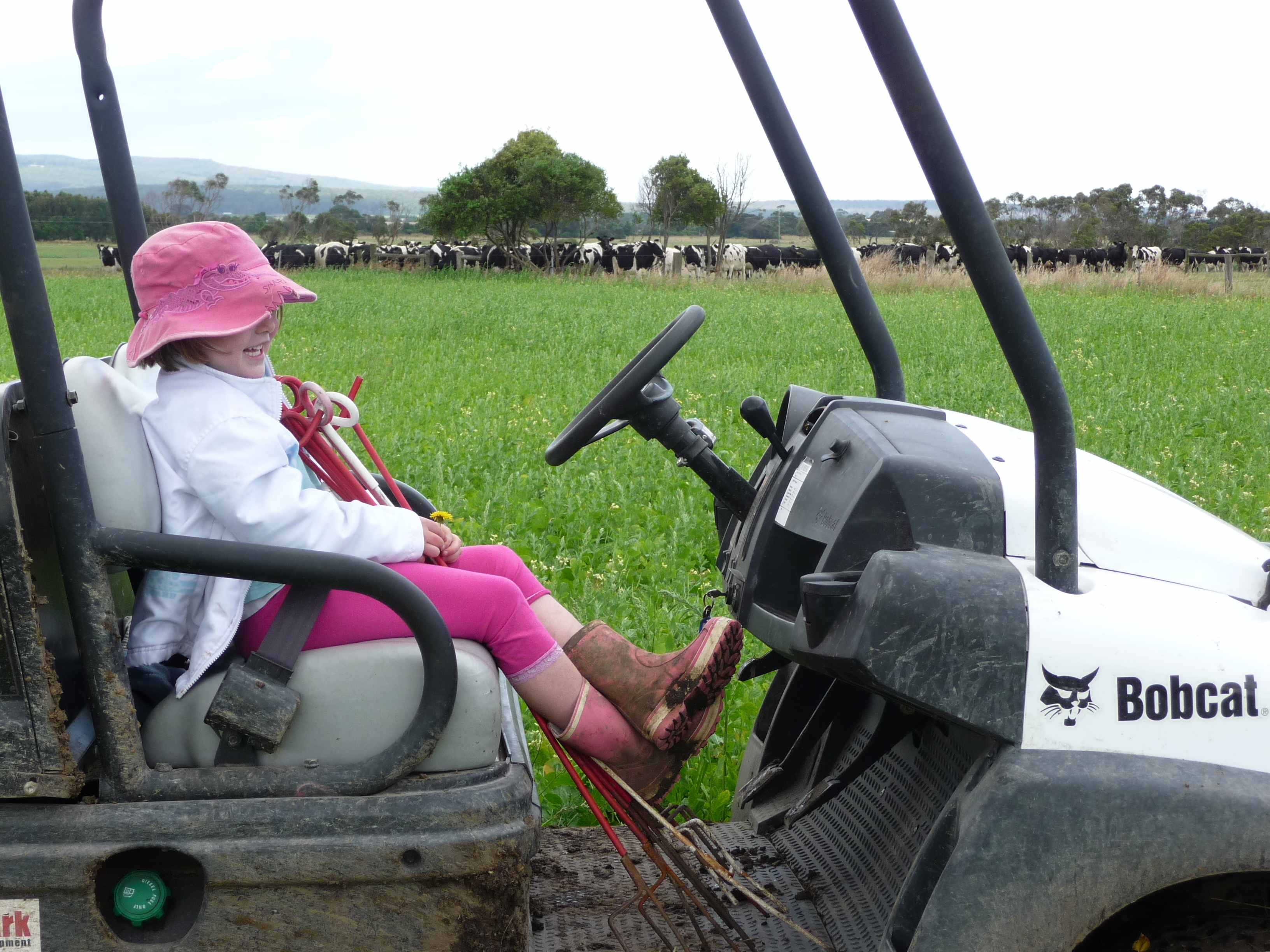
In desperation, I asked Zoe to hop aboard the Bobcat for safety and started a concerted campaign of whizzing backwards and forwards accompanied by furious tooting. It was like trying to push back the tide. I moved one end of the herd, the other half swelled back towards the crop.

Knowing that Wayne was in the adjacent garden building Zoe’s cubby, I figured he’d come to assist soon. He didn’t. “WTF is he doing?”

It took 15 minutes of encouragement to get them the 75 metres to the gate and about three minutes for them all to make it to the crop from there. “Oh, that’s what the humans meant!”

So where was Wayne? In the house, sharing chocolate biscuits and coffee with the neighbours while we unwittingly entertained them in the paddock. Apparently it was very funny.

My brand new shiny thing is being licked all over!

Oooh. Look what I’ve bought.

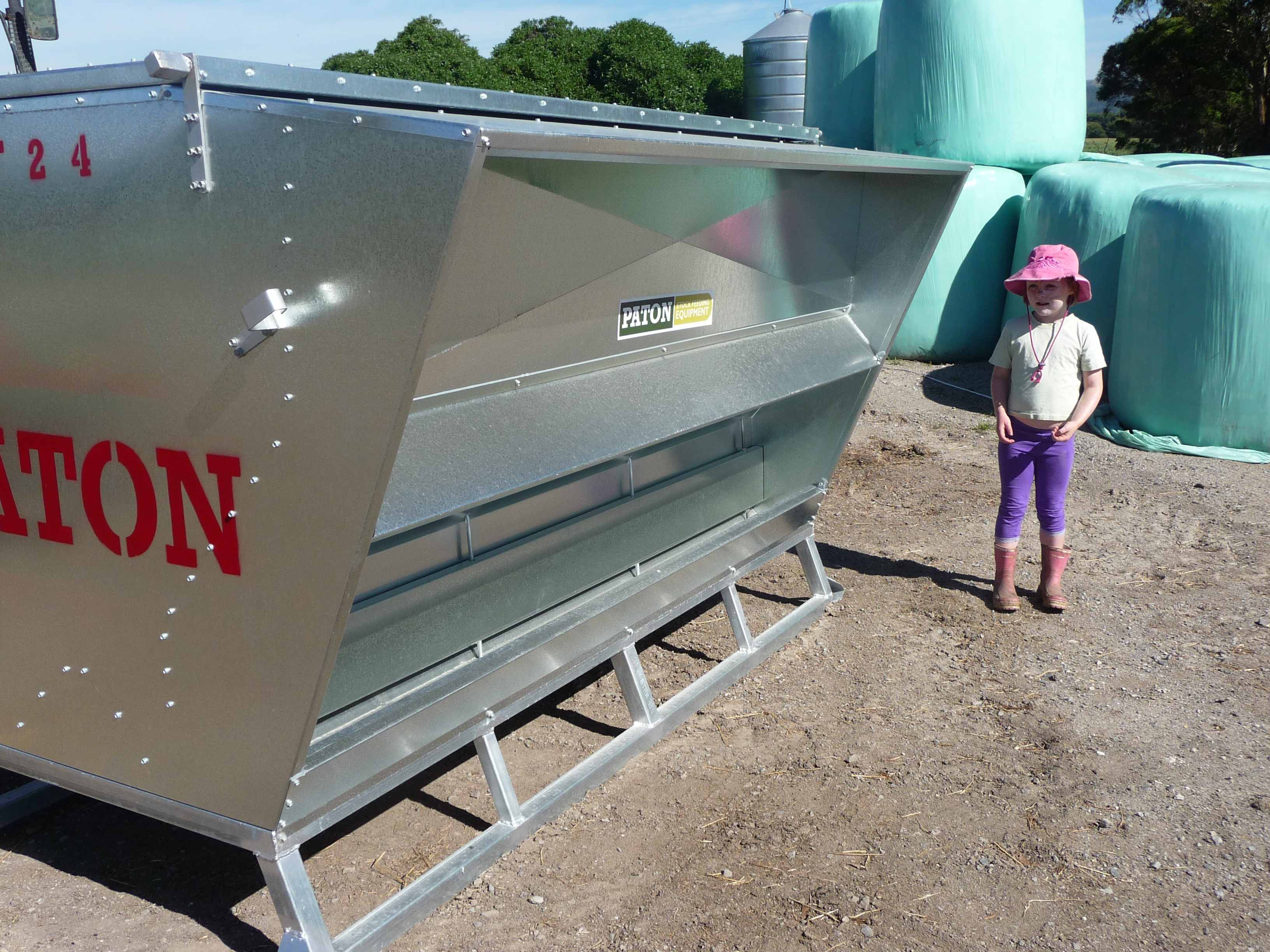
BIG calf feeder

It's a monster!

I have been coveting one of these 1000kg capacity grain feeders for a couple of years now. Normally, we have to lug a tonne of calf pellets into troughs by hand every week. That’s a lot of 20kg bags and a lot of aching muscles.

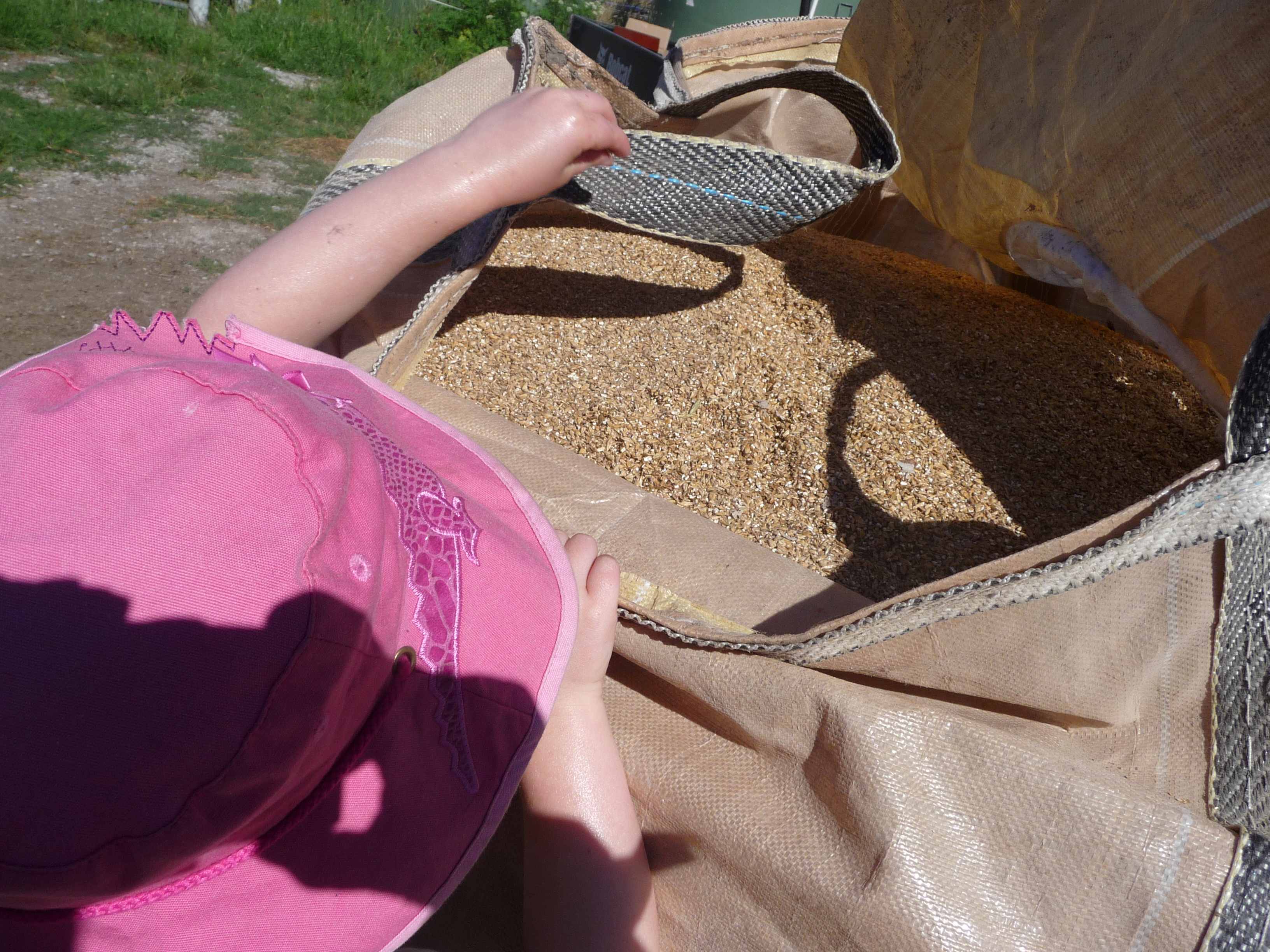
The stars came into alignment this month though, when our store had a special on the 1000kg capacity monster and the stockfeed company announced they would supply us with calf feed in one-tonne bulk bags that we can handle with the tractor’s front end loader.

Calf food in a bulk bag

A week's dinner for our calves includes pasta

The feed is a mixture of grains that have a combined 18% protein content to help the calves grow big and strong and even includes pasta. The calves have wasted no time getting into their new dinners served up in my shiny new toy. Oh man, oh man, oh man!

Accursed trough crashes through again but the kids triumph

A wisecrack of a boss once told me that photocopiers can sense human stress levels and know exactly when to break down. So it is with troughs.

Alex was beginning to squirm with annoyance in the carrier on my chest and it was past Zoe’s dinner time as we headed home after setting up paddocks in the late evening sun. Then, a minor catastrophe.

A laneway trough with water gushing over the edge couldn’t be left until the morning and this was no simple task of adjusting the float, which is usually the case with this infamous trough. It was properly busted.

Trouble at the trough

This trough is always causing trouble Pic credit: Zoe

A little brass pin that holds the float arm in the valve had failed. Now the big question: can you fix a water trough with a baby in a front carrier without unintentionally baptising the poor little fellow? Sorry Alex. No, you can’t.

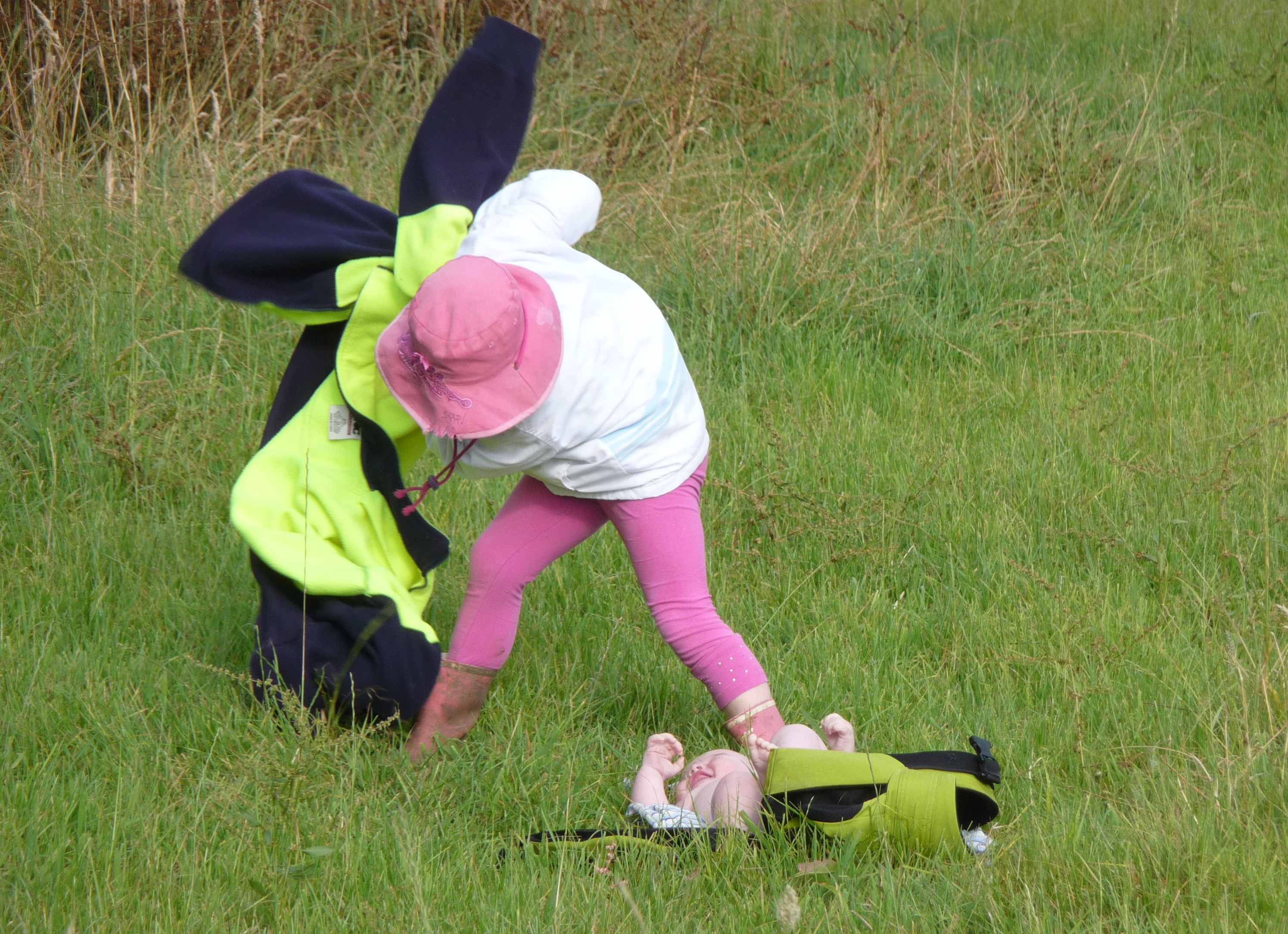
The only thing for it was to take him off, put him down in the paddock and see whether Zoe’s charms could keep him entertained while a much more slimline me could do a bushies’ repair.

Zoe entertains Alex Spanish style

Zoe entertains Alex Spanish style

A couple of minutes later, here was the rather rustic repair:

Bushy's trough repair

Bushy's trough repair - not proud of it but it works!

And the end result? Alex squealing with delight at Zoe’s matador antics and dinner delayed by just 10 minutes! Now, if only I could work out what that trough has against me…

Why Australians become vegans and why it matters to this farmer

According to 2010 Newspoll research sponsored by Voiceless, only 1% of Australians call themselves vegans, with vegetarians accounting for another 5%, but the reasons why people consider veganism reveal some very interesting things about our attitudes towards food.

Overall, 56% of Australians say there are one or more things that would encourage them to become vegan. These are:
• evidence that many farming practices cause stress and pain for millions of animals every year (36%)
• evidence they can be healthy on a vegan diet (35%)
• evidence that being vegan is better for the environment (31%)
• more vegan menu items in cafes or restaurants (25%)
• being vegan costing less than their current lifestyle (23%)
• family or friends that are vegan (20%)
• more vegans in general (17%)

The research also found that “47% of Australians think making cows pregnant every year and taking their calves from them to obtain milk is unacceptable”.

Veganism is the canary of the disconnect between farmers and other Australians. Those who choose to avoid eating the food we produce on the grounds of morality are telling us we are falling short. Some will have made their minds up but most Australians are quite receptive to the true story.

The good news is I don’t think there is a large gap between mainstream dairying practices and what most Australians perceive as “ethical” farming. I do think we can bridge it if we find a way to work with others who share our passion for animals. We must also learn to talk about it with confidence and pride.

Charlie Arnot of the US Center for Food Integrity wrote an excellent post on just this topic today, which includes this comment:

For far too long, many in this discussion have resorted to attacking those who don’t share their beliefs – an “us vs. them” mentality that limits the opportunity for meaningful discussion about complex food issues. This polarizing debate is unfortunate and unproductive. What would be far more beneficial is an informed discussion of food system issues that will allow us to meet the growing global demand for food, while decreasing our impact on the environment and assuring responsible farming.

Just as a balanced diet that includes a variety of foods is a sound strategy for good nutrition, a balanced discussion of the complex issues related to food is a sound strategy for making good decisions on food policy.

I learned a great deal from agricultural leaders in Australia and I look forward to learning more. The open exchange of ideas makes everyone better. I pledge to use that same approach to other issues in the coming year. The next time someone raises a concern about today’s food system I’m going to welcome the question, encourage a discussion and learn more about the issue. I’m going to reject the appeal of culinary colonialism and work to assure we all have the opportunity to make informed choices about our food.

Hear, hear, Charlie!

Should farmers be embarrassed to talk about money?

A very thought-provoking piece by Terry Etherton deserves some discussion in dairy circles, I think.

Is it considered a little shabby for dairy farmers to be concerned with profit? Certainly, animal activists are quick to label farmers as greedy at the expense of their animals and the environment. Their web sites and advertisements paint “profit” and “money” as very dirty words indeed.

In contrast, Terry Etherton makes the point very well that:

“My perspective is that sustainable should first be viewed through the ‘lens’ of economic sustainability. Farms are businesses. If they don’t make money they close…pretty simple.”

“However, sustainable gets used in a myriad of confusing ways. For example, some in society talk about sustainable in the context of this being the ‘best’ food production practice to embrace. I am sure many readers have seen the marketing message: organic food production is more sustainable than other agricultural production practices and, therefore, better.”

Mr Etherton is right and Australian dairy farms are even more precariously balanced than their US counterparts, receiving no taxpayer-funded subsidies at all. We do have to be keenly focussed on the almighty dollar to survive. On the other hand, that doesn’t mean we cut corners when it comes to animal wellbeing.

A dairy farmer with a dislike of animals would soon quit. We work with them all day, 365 days of the year. They’d also quite likely get “sacked by the bank” because being mean is not profitable. Our livestock, our land and our people are our greatest assets – generations of farmers and cows know that.

So, how do we respond when we are labelled as “greedy farmers who exploit animals”? The US experience is that it’s best to say little about the link between profitability and animal welfare, preferring instead to focus on the values that we as farmers hold.

I agree because it’s true that values are much more powerful than profit. When the chips are down during drought, fire or pestilence (so to speak), it is the farm family that goes without, not the cows.

Where city collides with country

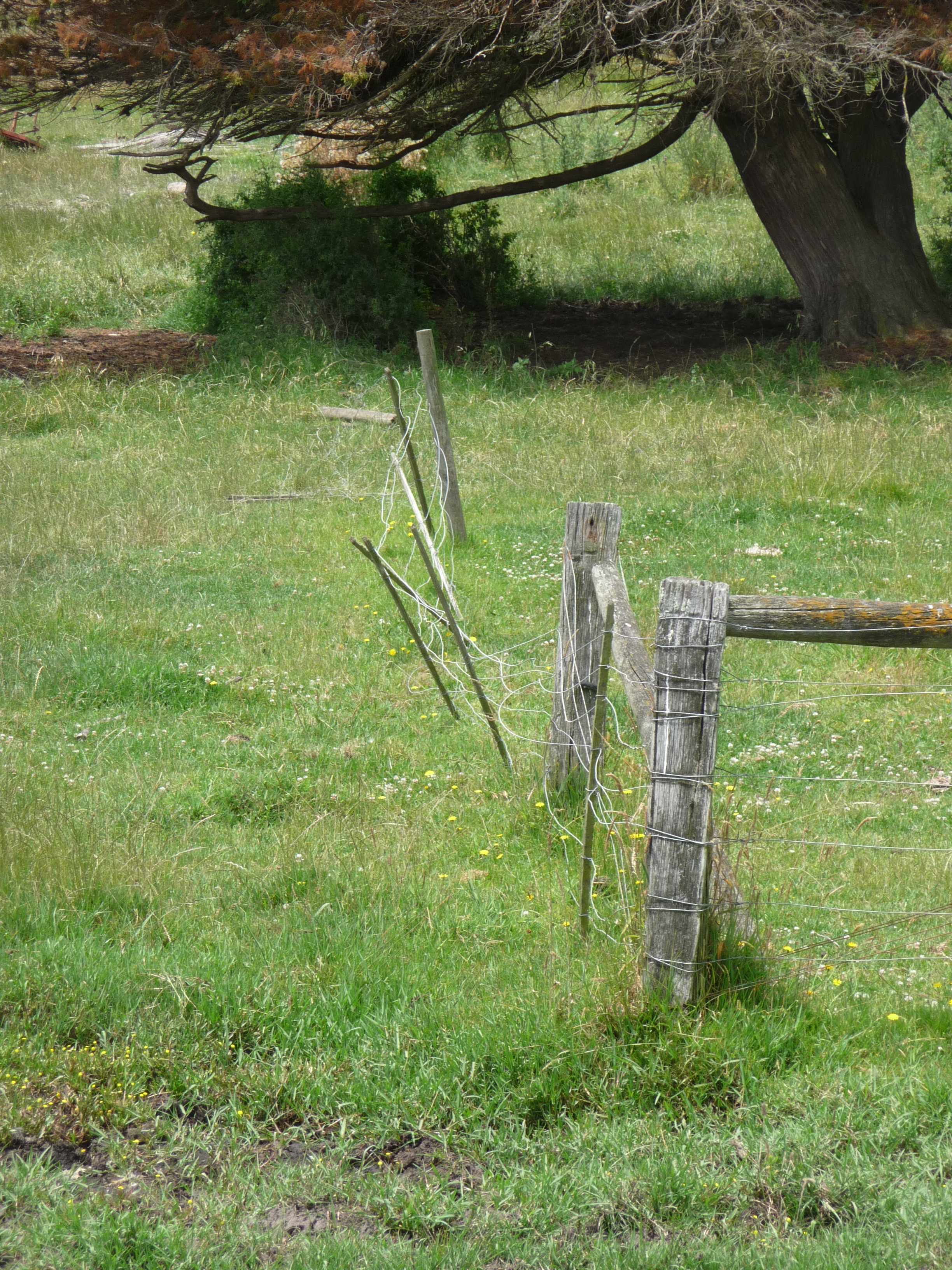
Collapsed fence

"But I don't have any stock..."

I don’t know when this fence was built but it was there in the 1970s when I was a child and, as you can see, it does little more than serve as a marker these days.

The significance of the fence is that it marks our boundary with an abandoned house site held by an absentee owner. He doesn’t maintain his land and was shocked to receive a call from me asking him to share the cost of rebuilding the fence. “Whose stock trampled it? I don’t have any stock,” was his response. And that was before I gave him the estimate.

I had to very gently explain that fences slowly deteriorate over decades and eventually are beyond repair. The reality is that we have been maintaining his internal fences for some years and using those as a boundary fence but they too are now past it.

It’s the responsibility of both neighbours to build and maintain boundary fences – whether you have stock or not is completely irrelevant. After all, if he decided to sell, I reckon the fencing would suddenly become an asset (or not).

This incident touches on one of the reasons I decided to create the Milk Maid Marian blog. Unless farmers and other Australians “talk”, what hope is there of mutual respect?