Spluttering spring means we start silage three weeks late and take a punt

Silage mower

Cutting grass in style

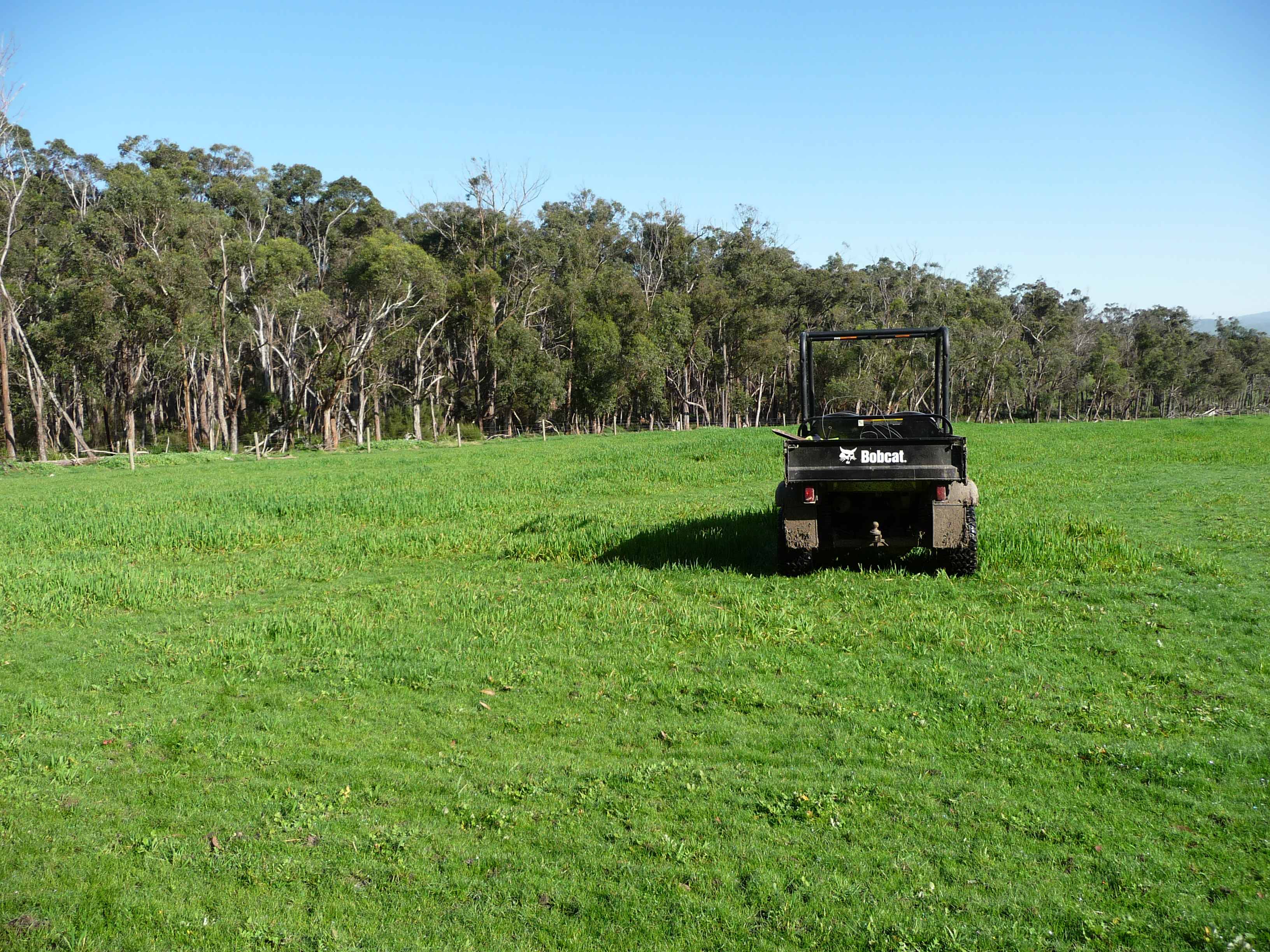
It’s been so cold and wet that the grass has been slow. We would normally have been seeing the grass take off three weeks ago and have a few hundred rolls of silage.

I’m a bit concerned that rather than simply being late, Spring will be brief. With this in mind, I’ve asked our silage contractor to start cutting a bit earlier (that is, in terms of growth rather than weeks) than I normally would. The grass is reasonably short but it gives me a better chance of achieving a second cut because we will have the maximum number of drying windows (you’ve got to make hay while the sun shines!) and the maximum number of growing days. If the hot weather arrives early, my pastures will be less vulnerable, too.

I’m also acutely aware that with a “compressed” spring season at best, farmers all around the district will be quick to pounce on the next window of fine weather as soon as the grass really gets up and going, so our contractor’s time will be at a premium. Best to get in first!

Gotta be quick to respond as Spring springs

Spring has pounced…at last and with a flourish!

Each week, I monitor the growth rate of our grass and by golly it’s shot away in seven days. This means we can offer the cows a larger slice of each paddock per day, knowing that we won’t run out of grass or punish the pastures. We treat our little ryegrass plants with TLC, you see.

To explain why, I’ll need to tell you a little bit about the ryegrass plant (only a speed-date style of introduction because I know you’re probably not as excited about watching grass grow as I am).

In most cases, rye grass only ever grows three leaves per plant before the oldest leaf dies off. It’s at its best when it has 2.5 to 3 leaves, which is also when it grows fastest because it has the most “solar panels” to generate sugar and sustain itself.

The grass draws on sugar reserves stored in its stem to produce the first leaf, the second is self-sufficient and the third offers about 50% more herbage than the first two combined.

If you let the cows chew the grass down too hard or bring them back when it’s just used up its sugar reserve to get the first leaf out, you do enormous damage to the plant. It may not recover and will certainly take a long time to get up and running again.

Because Australian milk is sold at such low prices, we have to be super efficient and that means grazing the pasture at its most productive rather than relying on lots of expensive grain. A DPI expert once told me that what farmers do in the 12 weeks of Spring dictates how profitable we are for the whole year, so I am extra vigilant at the moment.

With the warmer, drier weather of the last week, we’ve seen growth rates soar. Rather than taking about 14 days to emerge, the first leaf is out in seven or eight. I’ve asked Wayne to reduce the amount of grain we’re feeding the cows (just by half a kilo every four days so we don’t upset the bacteria in their finely tuned digestive systems) and I’ll ring the silage contractor tomorrow to give him the heads-up.

That same DPI guy also told me that it doesn’t cost anything to be on time but being late in farming could cost a year’s profit. I’d better get out there!

I knew our heifers would be okay but I had to check

Yearling heifers

Our yearlings look lovely in their holiday home

Back in June, we were in big trouble. We’d had waaaay too much rain and there literally wasn’t enough dry pasture on the farm to feed all our animals.

I decided we had to send our precious heifers away on agistment. We were lucky enough to find a caring farmer just an hour away with just the right amount of land. While we know they are in good hands, it’s our responsibility to check in on them every few weeks and see how they’re going. Well, here they were today – looking great!

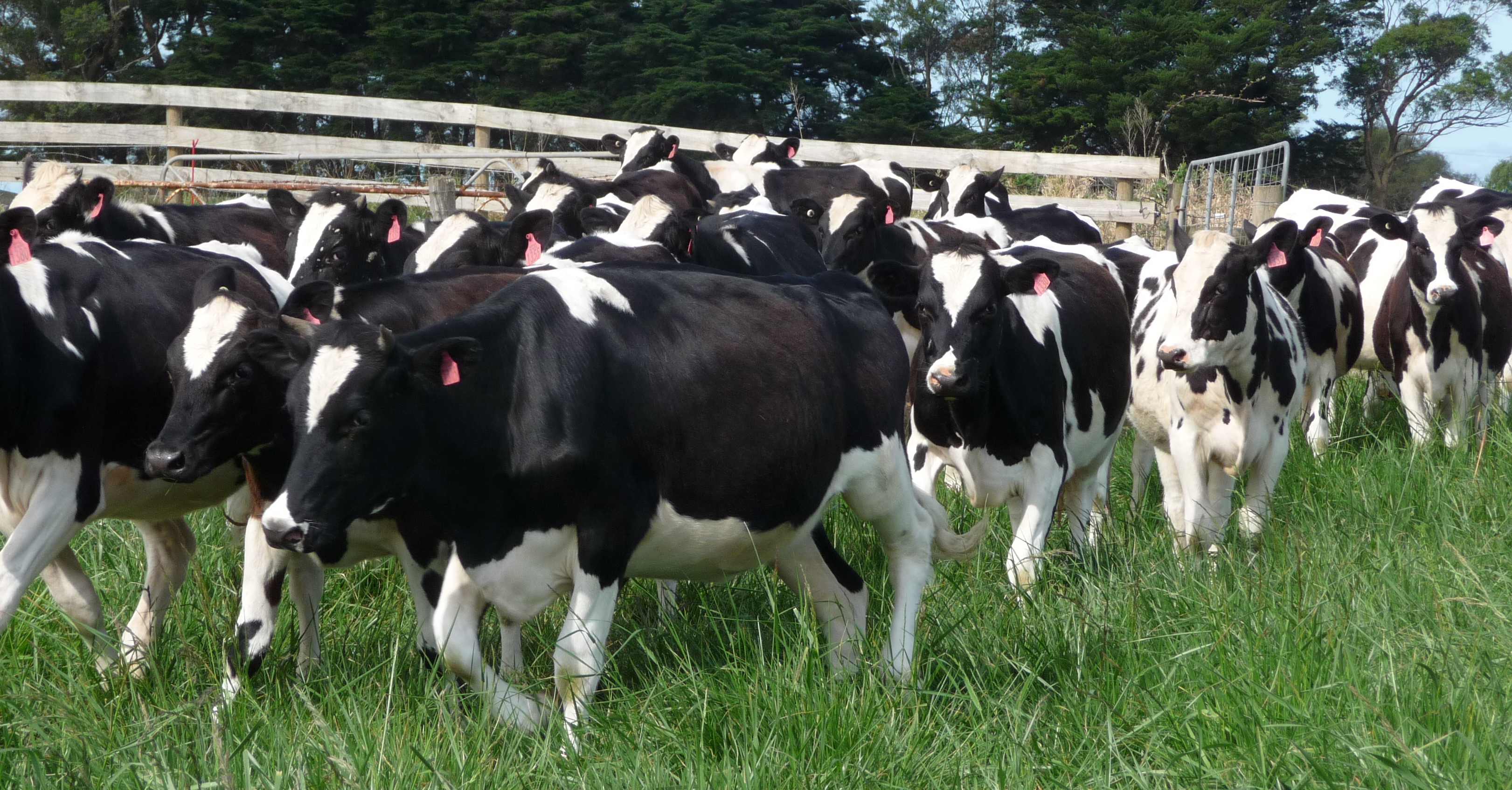
You can tell when yearlings are feeling good. They literally jump out of their skins. I walked into their paddock and caused massive excitement as they leapt and frolicked all over the place.

It’s been 12 weeks since their last drench and vaccinations, so we’ll organise another dose in the next fortnight to keep them looking terrific. They’ll meet their Jersey beaux later in the spring.

New technology sparks a revolution on farm

I will never look at cow poo the same way again. A revolutionary technology arrived at the farm this week that is a huge win for the environment and for the farm.

Slurry Kat

New effluent technology

While most of the manure produced by our cows (and they dump a massive 40 litres each every day!) goes straight back onto the paddock, we do have to wash away the stuff that drops on the dairy yard while they’re waiting to be milked.

Rather than allow it to pollute our waterways, we collect it in an effluent pond to be applied on the paddocks as fertiliser. Sounds ideal but, unfortunately, there’s been a deal of guesswork in knowing exactly what’s in it and what rate to spread.

The only way until now was to agitate the pond (at significant expense) and send a sample off to a lab before agitating it all over again and getting it out with a slurry tanker that literally splashes it all over the pasture like Vegemite on toast.

The local and forward-thinking Bowden’s Agricultural Contracting owner, Wayne Bowden, has just bought a Slurry Kat that monitors the nitrogen content of the effluent as it’s pumped out and lets me choose just how much is applied per hectare.

In practice, that means instead of saying: “Aaah, about a quarter inch thick, please”, I can say “60 units of N per hectare, please”. Wayne can even tell me how much phosphorous is going on.

Why do I care? It means less likelihood of leaching excessive nutrients and we don’t use too much or too little bought-in fertiliser.

How the Slurry Kat works
The Slurry Kat system involves three tractors:

  1. An agitator that ensures the heavy slurry at the bottom of the pond isn’t left behind
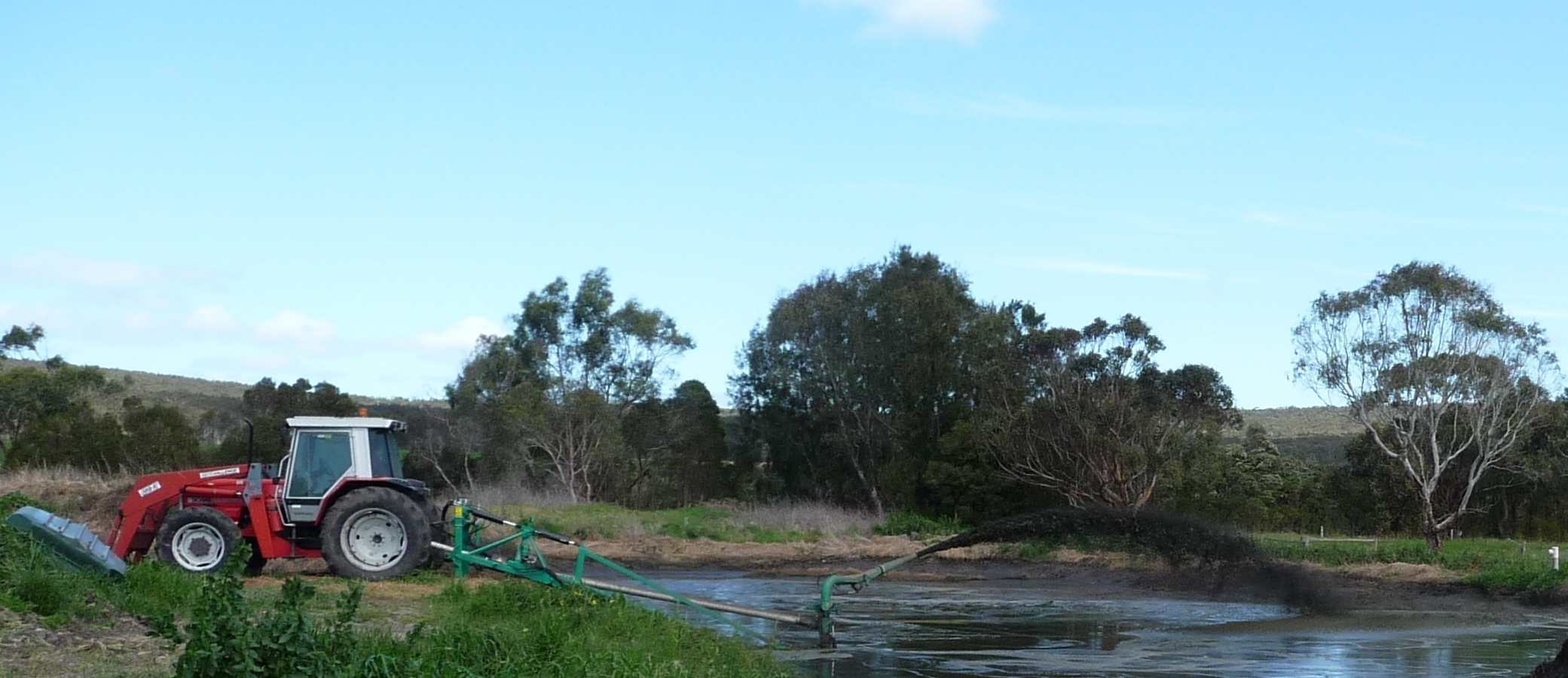
  2. A pump stationed at the pond to push the effluent out to the paddock at up to 160,000 litres per hour via a 5″ hose.
  3. The spreader tractor, which uses lots of hoses to dribble the effluent along the ground in lines.
Agitating the effluent pond

Agitating the effluent pond

Effluent agitator and pump

The front tractor pumps the effluent up the umbilical hose

Slurry Kat spreading effluent

Slurry Kat spreading effluent

How it helps us manage our effluent for a better environment and greater productivity
Aside from the extra information and control the system brings us, the benefits are:

  • Safety. Because there’s no need to reverse a tanker up to the effluent pond dozens of times, there’s less chance of someone falling in.
  • Lower greenhouse gas emissions. Manure dribbled onto the ground rather than splashed onto a plate and sprayed means less volatilisation of its nitrogen.
  • We can affordably apply effluent to paddocks 1.5 km from the effluent pond rather than limiting ourselves to those close-by.
  • Less odour. I couldn’t smell it from the road.
  • Lower access requirements – less damage to tracks and paddocks near gateways
  • Quicker return to pasture because there’s no thick slurry to wash off leaves.

Slurry Kat lines after 24 hours

Slurry Kat lines of effluent after 24 hours on the paddock


I love it (and, no, I didn’t get paid to say any of this)!

Surpassing my wildest dreams in sustainability

You can’t wipe the grin off my face at the moment because one of my most daring experiments has reaped massive dividends: a tripling of our topsoil in three years.

Three years ago, almost half of our pastures were destroyed by the root-eating red-headed cockchafer.

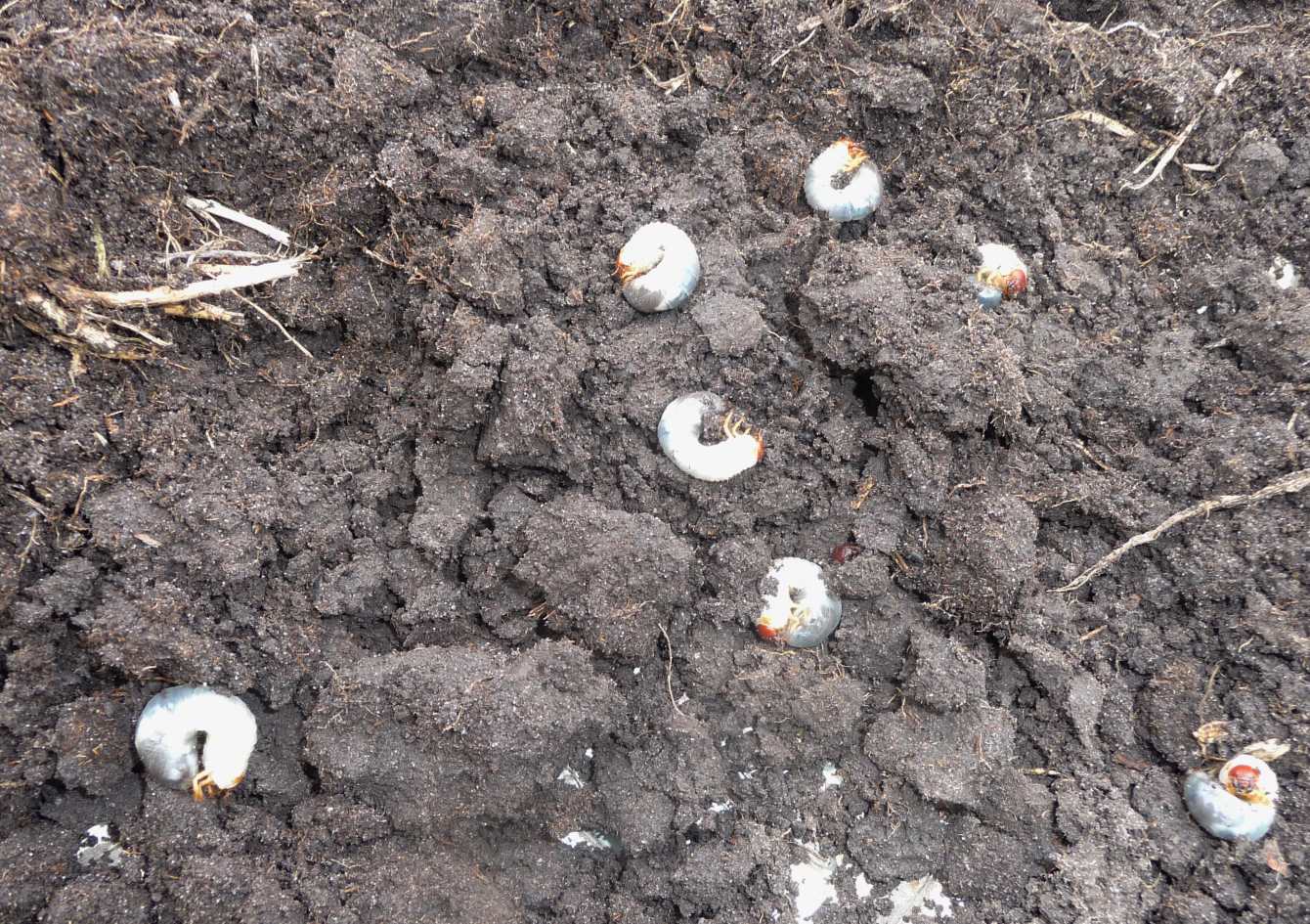
Red headed cockchafer grubs

Red-headed cockchafer grubs

These rotten grubs turned paddock 4 into a fluffy mix of topsoil and the desiccated remains of our ryegrass just ahead of Spring. It was devastating. You can’t control them with sprays because they stay too far down in the soil to be affected. The only alternatives are to resow and hope they won’t come back or physically squash them with cultivation and then resow and hope they don’t come back. The experts said two cockchafers per shovelful of soil equated to an infestation and paddock 4 had up to 50.

I became desperately worried as more and more paddocks succumbed. I started digging holes all over the farm trying to work out what would be hit next and looking for a cause in the hope of finding a solution. I failed in that quest but the exercise was worthwhile because the grubs taught me an incredibly valuable lesson. The pastures that suffered the most had relatively shallow topsoils over a hard clay pan.

Paddock 4 had about 12 to 15 cm of sandy loam over the moderately sodic clay. I decided to turn the expense of recultivation into an investment and had the soils deep-ripped and dressed with soil-conditioning gypsum in an attempt to keep them open.

Paddock 4 was sown with oats because they provide quick feed to fill the gap created by the grubs and their long roots are relatively cockchafer-resistant. After the oats were taken off in late spring, we planted the paddock with a summer brassica crop, which again has deep roots.

It was clearly time for some very expert help and we engaged independent agronomist Greg Forster, who worked out the nutrients, trace elements and lime needed to allow the soil to function at its best. We have since ploughed in the remains of a brassica crop, too.

Then, this week, scientists arrived to take metre-deep cores for analysis as part of the Victorian Soil Carbon Project. I was stunned. Too stunned even to remember to take a photo but that 12cm topsoil was now more like 45cm deep. “Lots of farmers would give their right arms to have soil like that,” remarked the supervisor.

I can’t believe it. I’m blown away and ever so slightly grateful to the red-headed cockchafer (though don’t think that’s an invitation to come back, you nasty little blighters).

Feeding the cows who feed us

Gone are the days when dairy cows just ate grass. These days, there are people who get really geeky about feeding cows. Starch, protein, fat, fibre (only the right type, mind you) and energy levels can be perfected for optimal health and milk production.

This can really only be achieved when cows are fed a total mixed ration (TMR) and is more tricky when cows like ours are largely pasture-fed. Still, we can do better, so I was delighted when local DPI extension officer David Shambrook visited today to talk about what we’re feeding.

At the moment, the cows each eat just over 7kg of a rolled wheat, triticale, canola oil, limestone and salts mix during milking. The herd is also allocated about 2.9 hectares of fresh grass per day and fed two bales of top quality vetch hay (10.3 megajoules of energy and 22.8% crude protein for the benefit of farmer readers).

David had a look at the pasture they’ve left in the paddock, the pasture they’ll go to next, the milk production stats, the cows’ body condition score, whether they are chewing their cuds, their manure and rumen fill (indicated by how much a triangle of flesh bulges out). All these signs point to whether the cows are being well fed.

I have a gut feel (forgive the pun) for all of this but am determined to learn more about dairy cow nutrition. The combination of intellectual and physical challenges is one of the things I love most about dairy farming.

Cocksfoot a tender winner in a tough paddock

Uplands Cocksfoot with red clover pasture

Uplands Cocksfoot with red clover pasture

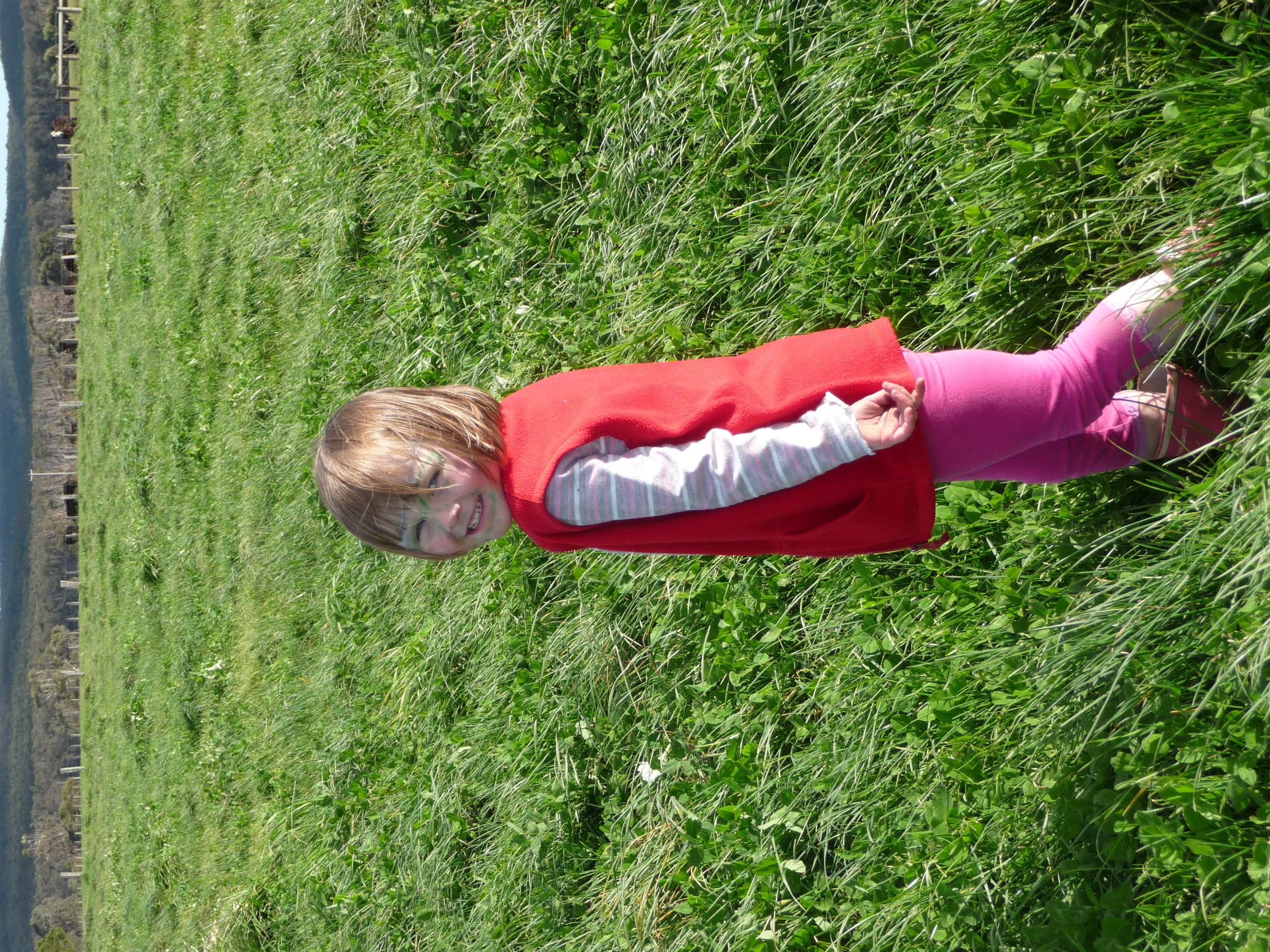
Most dairy pastures in this part of Victoria are ryegrass, whether annual, Italian or perennial. Not the one Zoe’s posing in! It’s a new variety of cocksfoot called Uplands. Planted with nitrogen-fixing clover, this so-called Spanish cocksfoot has turned the farm’s worst-performing paddocks into one of its most productive.

This north-west facing paddock has an acidic sandy-loam over clay soil type and used to be routinely skipped in grazing rotations. A crop of rape and millet failed miserably, producing a massive forest of fat hen. We ploughed that in and called it a “green manure crop” to save a little dignity, then sowed the Uplands cocksfoot and red clover.

I had been warned it would be slow to establish but began to wonder when it looked like being overwhelmed by capeweed in the first six months. In late Spring, however, this paddock took off and has not looked back! The cocksfoot is fine-leaved, very persistent and resistant to cockchafer grubs.

The cows seem to like it too, even showing a preference for the cocksfoot over the clover.

PS: Astute farmers will see it’s got a bit out of hand. I should have grazed it earlier but access was too wet until now.


Photographic proof that kangaroos compete with livestock

Oats eaten by kangaroos

Oats eaten by kangaroos

Oats guarded by dogs unaffected by kangaroos

Oats guarded by dogs unaffected by kangaroos


Just in case you were ever in doubt that kangaroos and wallabies compete with livestock, a quick look at one of my paddocks of forage oats is all that’s needed.

These pics are taken at opposite ends of the same paddock. At one end, the paddock shares two fence lines with forest, while at the other, it shares a fence with the maremmas. Who can guess which is which?

This crop was sown before the maremmas were allowed to roam the entire property, so I’m hoping there will be no repeat next year. The two dogs, Charlie and Lola, have been gradually increasing their range since we released them from the calf paddock four months ago but still stay very close to their calves. The next challenge is to encourage them to stray a little more!

By the way, just in case you think I’m stating the obvious, read this report on kangaroos in the SMH.
 

Toad rush is more fallout from the wet

Toad rush

Toad rush has overwhelmed this paddock, lending it a yellow hue

Some of our paddocks have been so saturated for so long that the newly sown perennial pastures have been overwhelmed by toad rush.

Toad Rush is a weed described by the RIRDC in this cheerful way:

“Toad rush tends to thrive where soils are waterlogged and poorly drained. Although toad rush is a small, shallow rooted plant, it germinates in extremely high numbers and the seed is viable in the soil for over 10 years. Toad rush can use over 30% of the available nitrogen in the topsoil and can substantially reduce crop yields.”

Not happy. I’ll have to wait until the paddocks firm up enough to spray it out and then look at these options:

  1. Resow with more perennial seed in spring and hope the summer is mild enough for it to establish itself (expensive and too risky)
  2. Sow a brassica crop like turnips or rape (sick of ravenous caterpillars)
  3. Sow a summer crop like sorghum or millet (poor quality feed/not reliable)
  4. Sow an Italian ryegrass (Lolium multiflorum)

Looks like the Italians are the way to go. A spring sowing should yield some silage and because it’s after the frosts are over, the grass should stay lush if there’s summer rain rather than bolting to head.

Floods, bogs and mud, mud, mud

Flood 22 July

Partial view of the flood from the house this morning

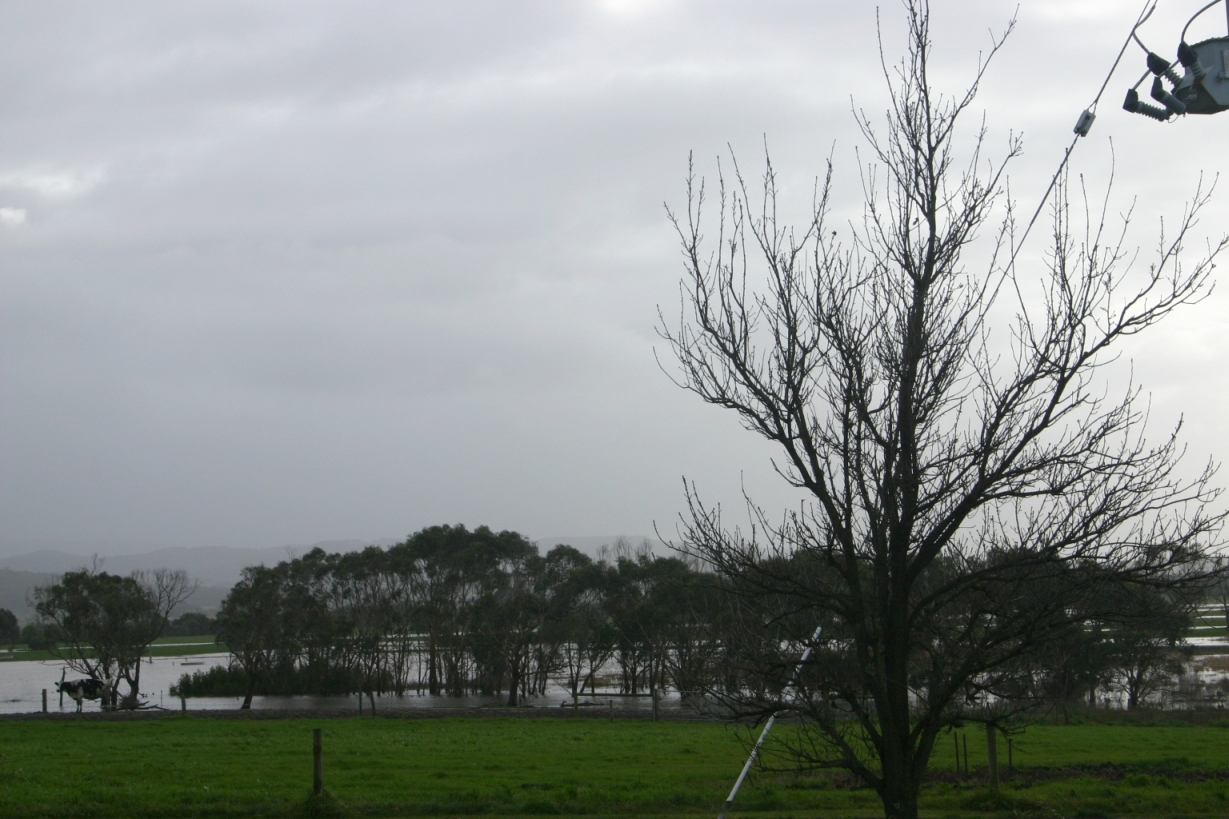
The rain came…again. Yesterday, Yarram airport received 48.5mm and today, all the roads to town are closed, a third of the farm is cut off with at least another four paddocks underwater and the car is still sitting bogged in the driveway. Thankfully, the house is nice and high, so no sand bags needed (but thanks for the offer, Julie and Doug)!

Most of this is a temporary inconvenience. The good news is that the local rivers are short and empty into the sea quickly, so the roads should be open again in the next day or so. More important is the longer lasting issue of saturated pastures and muddy tracks.

Saturated pastures (they were already saturated before this jolly east coast low pressure system decided to pay us a visit) are very vulnerable. The damage done now by cows’ hooves will cause compaction of the soil so that, come summer, water will run off rather than soak in and roots will find it harder to penetrate the soil, exposing them to heat and denying them sub-surface moisture. If you’re a gardener, you’ll understand!

Muddy pastures and tracks are also a perfect recipe for lameness and mastitis, both painful conditions that are difficult and expensive to treat.

Of course, sopping wet soil is also no good for growing grass, which means we must step up our imported feed. This means more cost, long days and heavy tractors on fragile pastures.

Those weather gods need an urgent performance review so they can refocus on their KPIs!