Suck it up, princess and a farmer’s election year wishlist

There’s been a bit of biffo on Twitter and on dairy farming forums of late. Some people are clearly very angry with our leaders. Others are polite but rather bluntly say “suck it up, princess”.

I’m in between.

I want to be among the top 10 per cent of Australia’s dairy farmers. Not because I am a nutty type A personality but because only the top 10 per cent make a good living. So, tonight I’m up late wrangling spreadsheets, casting a sharp eye over our budgets and trying to benchmark our performance.

That doesn’t stop me from wanting better from our politicians so that Victorian dairy farmers get a fair go. We’re not subsidised like our US or European competitors and we don’t have a free trade agreement with China like the world’s best dairy farmers across the Tasman, so we need to be lean, efficient and smart to survive.

To do that, we need:

  • relief from the carbon tax that puts us at an instant disadvantage
  • a more level playing field. Forget subsidising cars and get on with the China FTA.
  • to deal with the duopoly
  • most of all, to invest in ag R&D.

Being smart has historically been our strength, but no longer. Sue Neales of The Australian reports that:

“Australia’s spending on agricultural R&D has also dropped internationally from 9th to 16th place, according to a global study presented at the same conference.”

“Treasury last year predicted the value of agriculture to the nation could grow from its current size equivalent to 2.5 per cent of national gross domestic product, to 5 per cent by 2050, surpassing the manufacturing sector.”

If we are destined to become agricultural dunces, dairy farmers battling to survive on a tilted playing field will never manage the growth needed to make Australia Asia’s food bowl.
NFF Blueprint written with a thumbnail dipped in tar

The NFF Blueprint is finally here and it’s a great document. I’ve only dedicated half an hour of speed reading to the report but, really, the report is so well laid out, you don’t need much more time than that to get the gist of it.

There are just seven themes: Innovation, Research, Development and Extension; Competitiveness; Trade and Market Access; People; Agriculture in Society; Natural Resources and Transformational Issues.

It’s big picture stuff and so high-level that it could be accused of having about the same level of meaning as most corporate mission statements. For example, there are three goals set for Agriculture and Society:

“Build better community understanding of and trust in agriculture”

“Improve credibility, cooperation and goodwill, including with activist groups”

“Develop coordinated and proactive approaches to communication”

All three are rated as high priority. The matching strategies are equally as broad and after reading the report, I have little idea of who, what or how these will be achieved.

I don’t think that’s a bad thing. As the NFF says:

“The launch of the final Blueprint report is not be (sic) the end of the road for the Blueprint. The Blueprint document will provide a starting point for the discussion of the key issues and for collaborative action on those issues that are shared across the sector.”

“The NFF will work with key stakeholders across the Australian agriculture sector and government to host a series of forums scheduled for 2013 onwards, designed to drive the Blueprint forward. These forums will develop specific strategies, assign responsibilities, provide resources and set timelines for the next stage of the Blueprint – the legacy phase.”

As it stands, the Blueprint is just a rough map written with a thumbnail dipped in tar. The legacy phase will be telling: can the NFF harness enough energy to make sure that once the rubber hits the road, we gain traction and will it be able to steer the course? It’s in everyone’s interests to make sure it does.

I’m not a member of the NFF but this report signals that Australian agriculture may be developing just the leadership farmers so desperately seek. You’ve won a fan!

Green is not always good

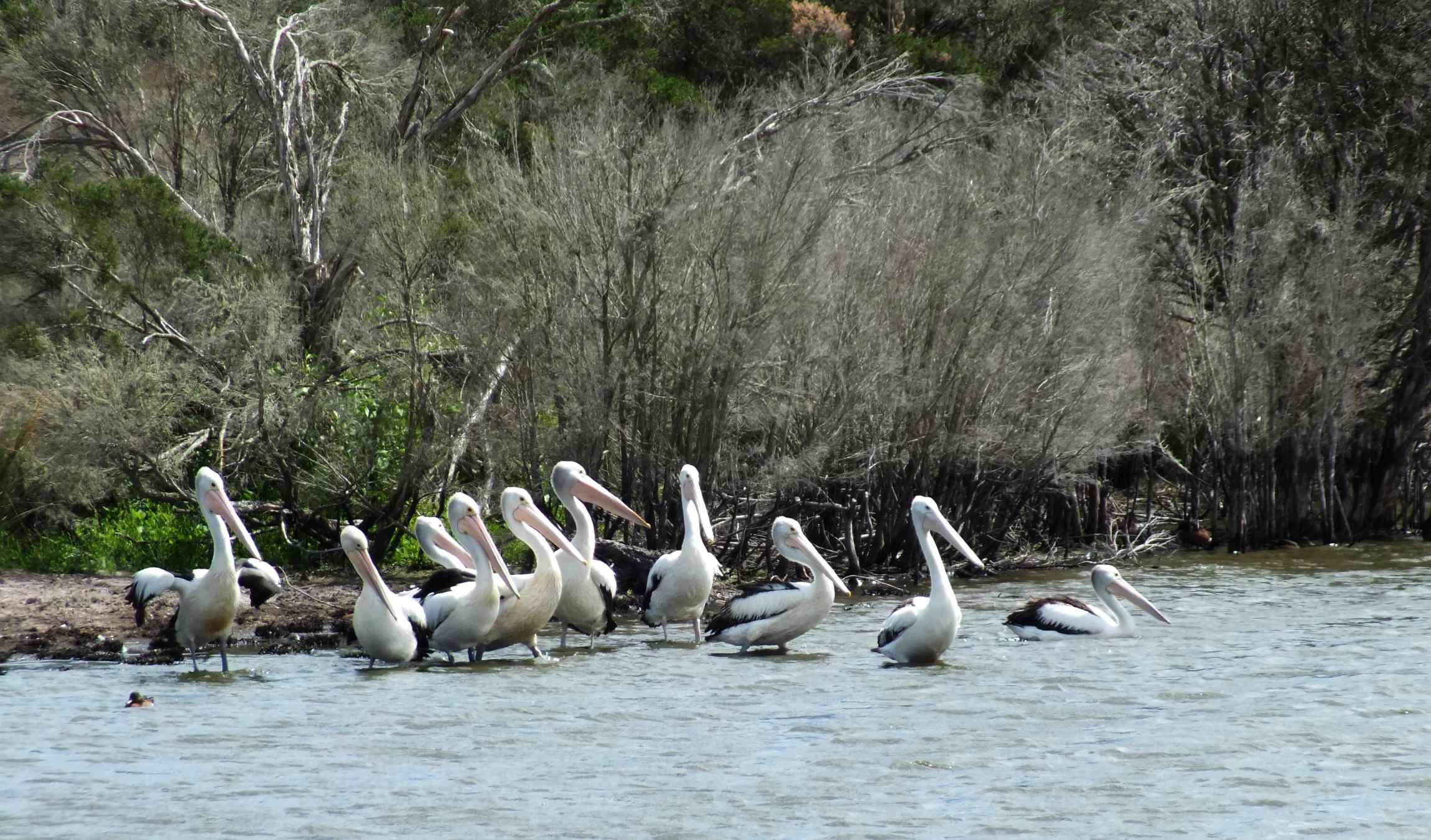
Our farm hosted some very distinguished guests yesterday.

VIPelicans

VIPelicans

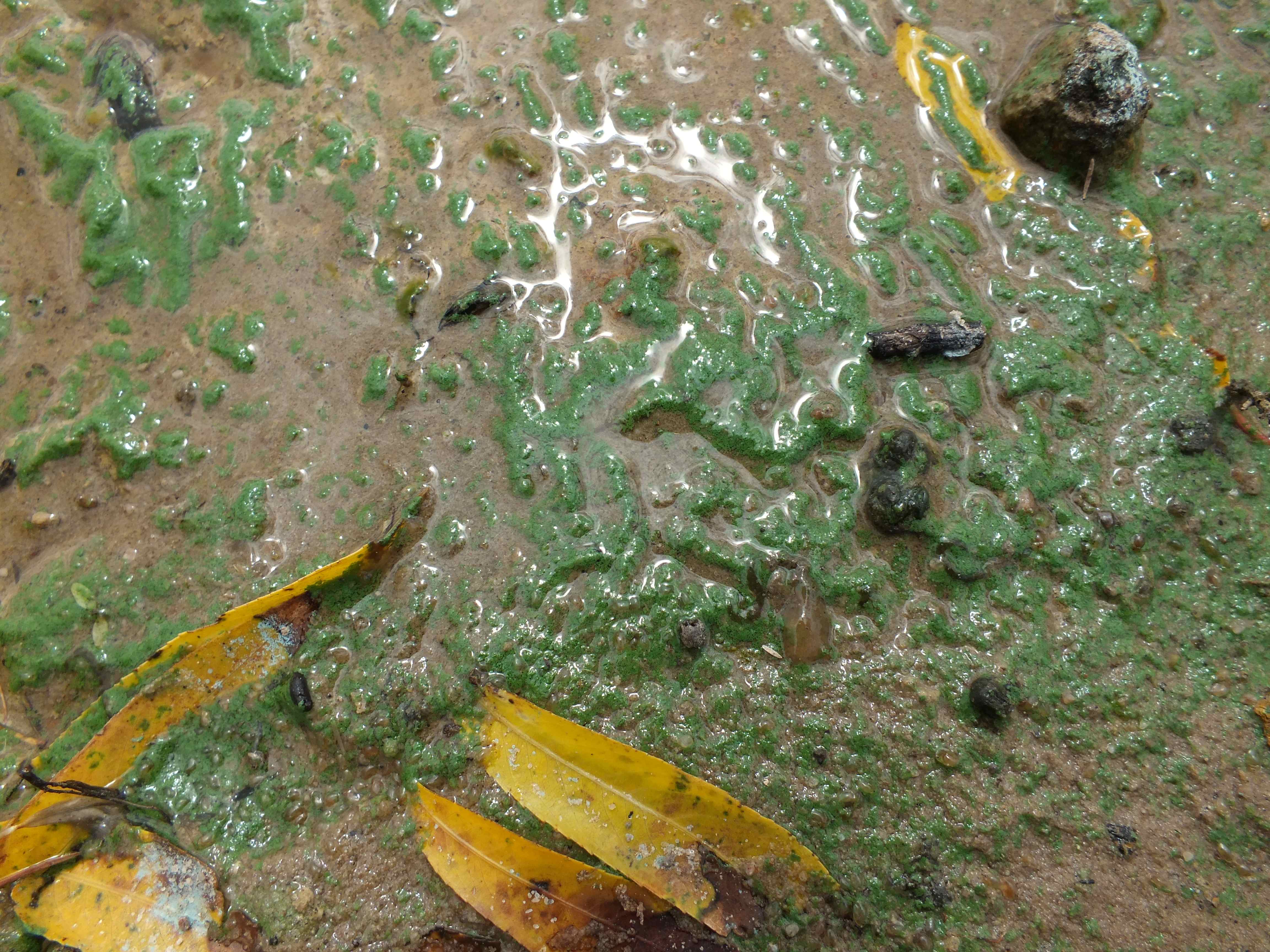
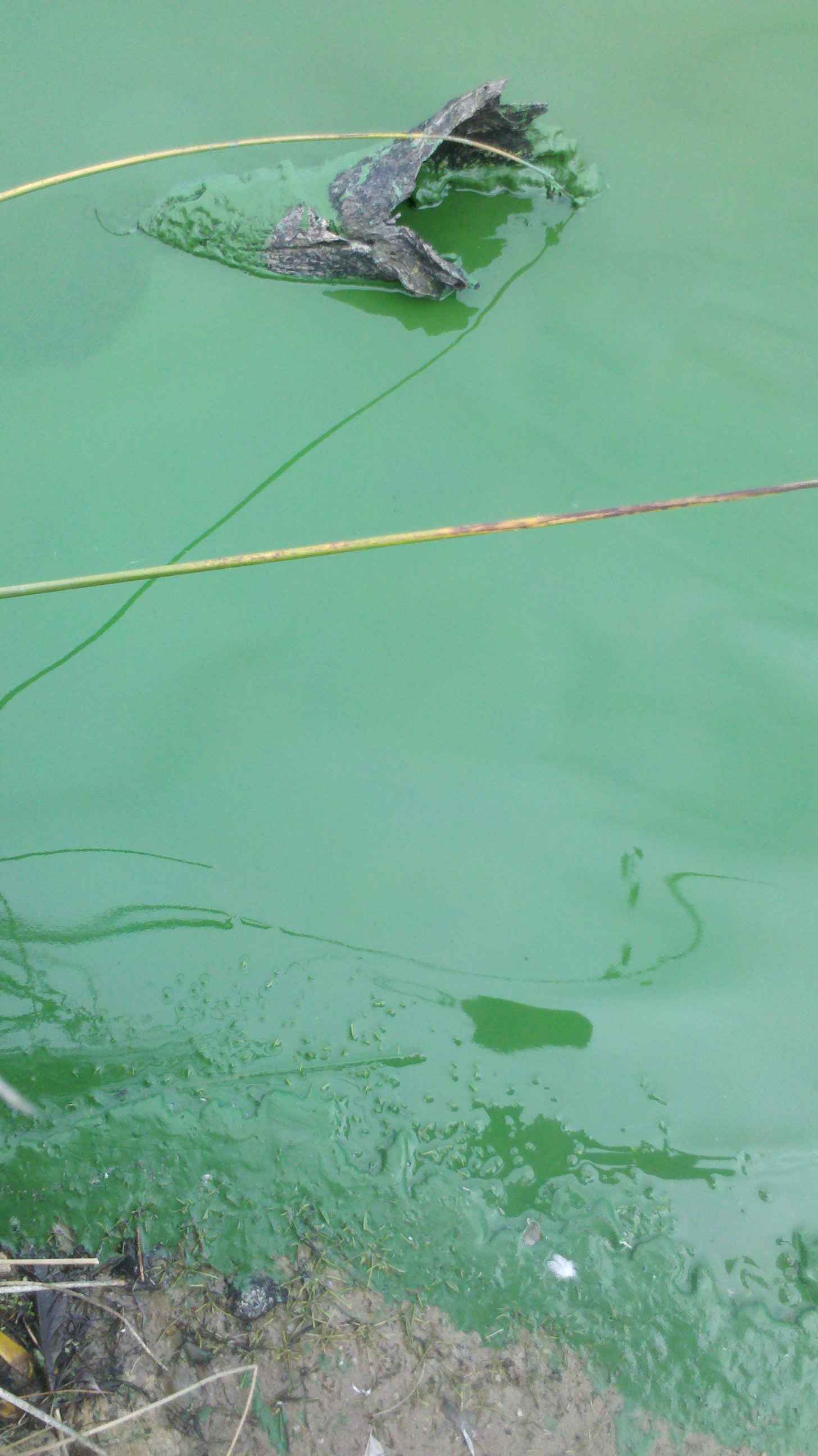
I am so glad they arrived now and not two weeks ago. The farm’s stunning Land for Wildlife Dam is sanctuary for many beautiful birds but, for the first time in living memory, the dam succumbed to an algal bloom that looked more like a massive acrylic paint disaster.

Algae on January 30

Algae on January 30

The stuff was brilliant green and, while not smelly, it was not a welcome sight. Excess nutrients and warmth can combine to bring about algal blooms that leave waterways toxic for weeks or months. Here’s how the water’s edge looked yesterday. A lot better but still not clear.

Algae February 12

Algae February 12

So, what to do? Experts say to exclude stock from the dam and create a buffer to prevent fertiliser runoff – and that’s already done. Next, we will emulate the sewage wetlands of Melbourne’s newest housing estates and plant dense stemmy vegetation upstream of the dam that will encourage “good” algae and strip nutrients from the water as it passes through. It will mean more wildlife habitat and safer water. Good for everyone!

The smoking gun: the numbers reveal Coles’ dairy damage

Please, just read this article by dairy analysts, xCheque, on the damage caused by the supermarket war. Some excerpts for you:

“The supermarket’s pricing strategy has squeezed the processors to near death and they have responded in the only way they can – attack their single largest cost of production – the milk price. In turn, the dairy farmers of northeast Australia have turned off the tap.”

“It is undeniable that Central & Northern NSW and Queensland milk production has dropped dramatically in the past two years.

“It is also undeniable that the southern exporting states are seeing no such effect – this is despite seeing a downturn in the global dairy industry over the last year.

“It is also undeniable that we haven’t seen a production drop like this since the period after dairy deregulation more than a decade ago.”

“Stop and think what you are doing Colesworths. You have taken a very blunt axe to the Australian dairy supply chain. In our view you are definitely in denial if you think that you and your shareholders have no responsibility for the long term social health and economic wealth of Australian agriculture.

“Editor’s note: Apart from the confirmation in milk production data, not much is new in this debate. Our subeditor (and all of us) were however particularly incensed at the most recent example of ignorance and insensitivity by Wesfarmer’s boss Richard Goyder. Clearly denial of responsibility goes right to the top of that organisation and there are no remaining traces of empathy with the company origins.”

How does it feel?

The sideshow continues: Coles claiming farmers are lucky to see milk sacrificed, animal activists making uninformed allegations of cruelty, vegans banging on about growth hormones (which are illegal here anyway).

Sitting in the stifling heat of the office and reading it all in one hit on one page tortured with anger, confusion and deceit, it is as if the world is against you.

So, with the kids asleep and only the crickets to keep you company, you step outside to fill your lungs with fresh, cool twilight air. And it feels like the world is yours.

My reality

My reality

No wonder so few farmers have an appetite to take their dairy lives beyond the farm gate.

So what should farmers be saying to other Aussies?

We’ve all been there: trapped by a bore who talks incessantly about him or herself without drawing breath. It starts off confusing, grows to be annoying until, finally, the desperation to get away and have a real conversation becomes overwhelming.

I think we farmers may be guilty of this social sin. Too often, we are presented as whingers who fail to appreciate that urban Aussies with equally as noble callings (from educating our children through to curing our cancers) can also do it tough.

In our defense, the media generally isn’t so interested in good news stories and the only time we have traditionally appeared on the 12-inch (no, make that 60-inch) screen is during a drought, flood, fire or pest-induced famine. Times when a cheery countenance would be both unlikely and ridiculous!

The face of farming throughout all the challenges was presented in a glorious Dodge Super Bowl ad the other day. In response to my post about it, farmer John Alexander, described it as, “…one of the best Ag ads out there (possibly ever), and I wish we could replicate it in Australia as soon as possible.”.

He’s not concerned that it might alienate city dwellers and neither are people like former career politician, @HenryPalaszczuk, who says, “Aussies have a quiet respect for our people on the land. This ad wold send a shiver down their backs.”.

I know that’s true of many Australians. But I want more. I want to see Australian farmers talk with non-farmers rather than at them and I hope we will learn to do it in a way that resonates for all.

The Dutch have had a go at exactly that. This ad for milk is not perfect (who wants farmers cast as peasants?) but it extends the hand of friendship to our city cousins in a way that “God made a farmer” cannot.

Love of animals, love of land, courage, humility, honesty, purity. These, the essence of Australian farming are values cherished by Australians everywhere. Isn’t it time we celebrated what unites us?

Who or what makes a farmer?

Yesterday, while rounding up the cows, Zoe announced: “When I grow up, I want to be a farmer and have two children.”.

“True? How come?”

“So I can be like you, Mama.”

It gets into the blood of farm kids early. Much earlier, I suspect, than the children of, say, accountants or writers. At six, our little girl knows when a paddock is ready to graze and has that sixth sense for when a cow seems not her normal self. Because she’s already a farmer.

Since I don’t have religious faith, I don’t believe any of this is God’s doing. Take a look at this ad, which just made its debut during the Superbowl.

This evangelical message has got farmers around the world twittering with delight. It’s nice to get a pat on the back once in a while. But I have a confession: it simultaneously makes me proud and embarrassed.

Why must we farmers talk so much about how hard we work? Yes, it is a farming fact of life but, no, it does not make us saints or martyrs. We do it because we want to.

And when I asked Zoe what she thought would be great about being just like me, it came down to this: “I can have fun with the cows every day!”. Perfect!

The tractor, the toddler and the ejector seat

The neighbours will think I have gone mad or won Tattslotto. The Macdonald farm is not known for gleaming machinery but, in the last few days, an updated tractor has arrived, followed by a new feedout cart.

The reality is that our ancient tractor was getting so tired I just had to trade it for a 6-year-old replacement. Then, in spectacular fashion, the geriatric feedout cart snapped a structural member and twisted itself into an irredeemable mangle. We’re currently feeding the cows 4 tonnes of hay and silage per day and, without it, the feeding regime would take at least an extra two hours that Wayne just doesn’t have.

The tractor may not be brand new but it’s seen barely any work in its former life as a parks and gardens curator and has gleaming paintwork teamed with dark tinted windows that instantly captures a milkmaid’s heart. Fortunately, there was urgent and important work to be done, so with toddler strapped to chest and dog in hot pursuit, I set off to christen the Green Machine and its pristine bucket.

And, oh, the experience was indeed rapturous! The new tractor was clearly designed by another child-wearing tractor driver. Alex cannot reach the forward-neutral-reverse lever on this model and a single, aptly-named joystick controls the front end loader’s up-down and tilt all at once, eliminating even more hazardous handholds!

Christening the Green Machine

Christening the Green Machine

The only thing that got me out of the tractor seat was the little man’s demands for food.

The next day, Wayne got his turn. Had to do some customisation. There was a cumbersome box to remove, the little spray tank that obscured the view, the radio key to re-enter, the steering wheel positioning and the ejector seat to adjust.

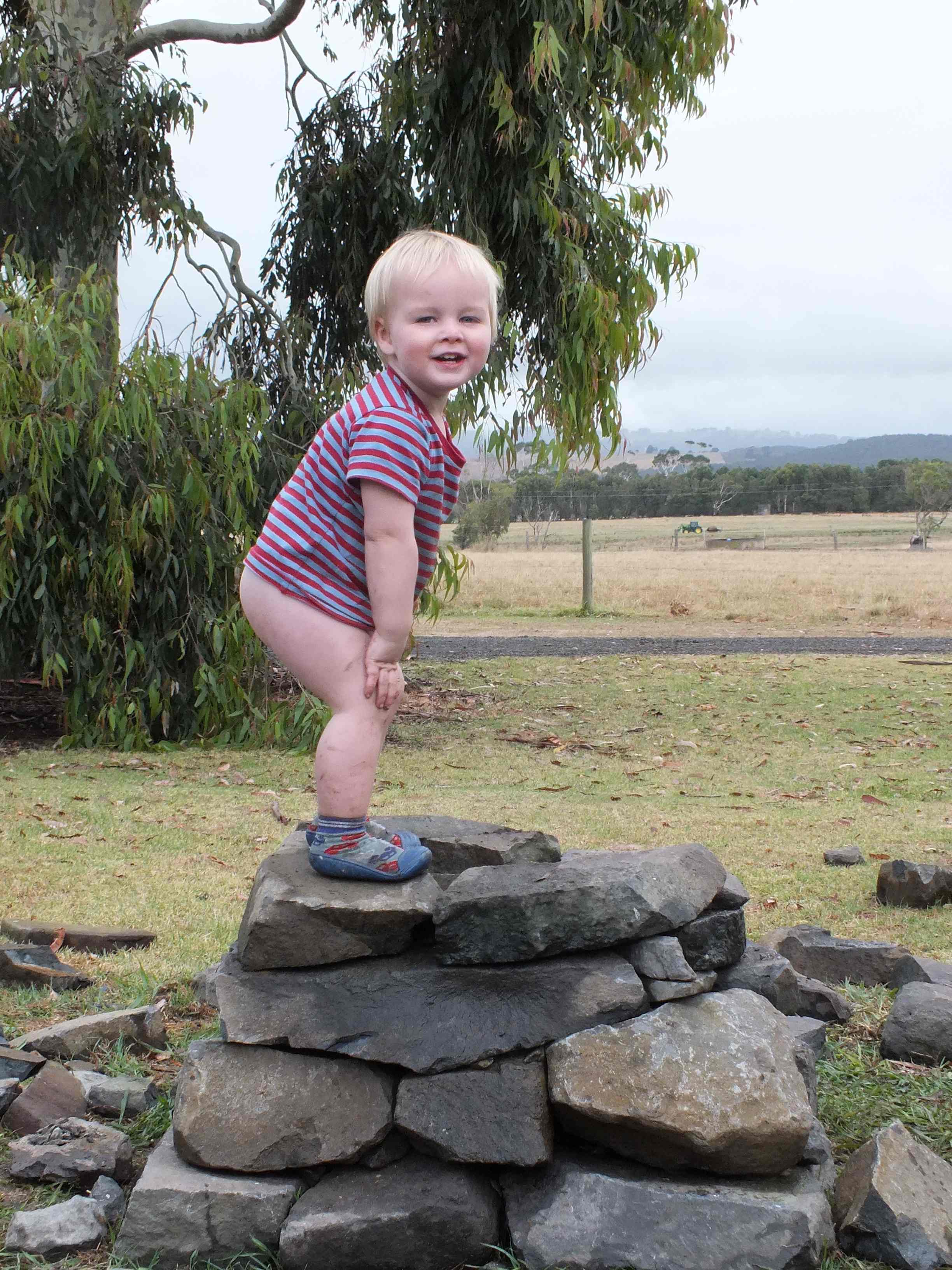
Me: (Distracted by toddler attempting to wear potty as a hat) “Hang on – what did you say?”

Him: “It was nearly impossible to squeeze in behind the steering wheel, so I had to get it up out of the way. You can see where the council blokes have been wearing the upholstery away trying to push their big…”

Me: (Hastily) “No swearing in front of Alex! What was that about the seat?”

Him: “Oh that…Yeah, well, I’d put the steering wheel up nice and high but that meant the seat was too low so I had to get it up too.”

“There’s a button between your legs to push and – can you believe it? – a little compressor starts up ‘brrrrrr’ and I’m being lifted up towards the roof! Problem is, the seat carries you away from the button and, pretty soon, you’ve got your head between your knees trying to keep your finger on the thing.”

“As you’ll no doubt remind me, my perfectly proportioned arms don’t reach all that far, so once I couldn’t touch the button any more, I let go and sat up to have a look. All I could see – right before my eyes – were the air-conditioning controls.”

Me: (Laughing) “Those ceiling-mounted knobs? Did you hit your head?”

Him: “Yep, it’s the world’s slowest ejector seat. Put that in your OHS manual.”

And the rollercoaster goes up!

This was the farm 48 hours ago. Shrouded in smoke from the bushfires, the place was tinder dry.

January 25

January 25

I went to bed last night with 4 inches of water in the house tank and hoped like hell that the easterly over Bairnsdale would grace us with its presence. We had gone all out, after all. The cairn dedicated to Thor is almost complete, the washing line was full of dry clothes and, to top it off, Wayne left the quad bike in the centre of the lawn with his helmet upturned like a giant goblet, ready to receive the sacrament.

Thor delivered.

Almost 18mm of gentle rain!

Almost 18mm of gentle rain!

There is not a puddle to be seen but the place smells wonderful and the plants are already responding.

What a difference 12 hours makes

What a difference 12 hours makes

We had to celebrate!

The Thor Cairn was the perfect place to celebrate and pay homage

The Thor Cairn was the perfect place to celebrate and pay homage

What makes this rain even more special is that there is more rain forecast over the next week and not a day over 30 degrees. The cows will love it! Can’t wait to snap another panorama at the end of the week to see new life breathed into the farm.

The totem of $1 milk

Two years ago today, Coles offered up milk as a sacrifice in the name of market share. It’s now become totemic in Victoria.

The reality is that about two-thirds of Australia’s milk comes from Victoria’s cows but not a lot of my farm’s milk ends up in the supermarket fridge.

We supply the Murray Goulburn Co-op, which processes about one-third of Australia’s milk and has the technology to make a huge variety of dairy foods and ingredients. It sells to the highest bidder, so the percentage that gets exported depends on how well global commodity prices compare with local dairy markets. In 2011/12, 49 per cent was exported, which is pretty typical.

But Victorian farmers are demoralised. Many are in desperate financial positions. The effects of the collapse in global commodity prices, skyrocketing energy prices, high feed costs and the high Australian dollar are clear but shrouded in secrecy is the impact of the supermarket war.

While $1 milk gets all the attention, other dairy products like butter and cheese have also been hit by the supermarket price war. Murray Goulburn has invested heavily in relaunching its supermarket brands and CEO Gary Helou infamously got all hot under the collar last month about Coles’ refusal to stock MG’s Devondale cheese. But nobody can talk about how Coles and MG negotiate our livelihoods behind the tinted windows of “Darth Vader’s Castle” as the Coles HQ is fondly nicknamed by its suppliers.

We’ll probably never know just what the damage has been – only that our situation is very different from that in states like NSW and Queensland where there is pretty much total reliance on fresh milk sales.

But what those claiming to be “the voice of reason” dismiss is the effect ‘milk that’s cheaper than water’ has on the psyche. It signals to farmers that a fair go no longer matters. And that’s what hurts the most on Australia Day.