Inside the dairy

Inside the dairy

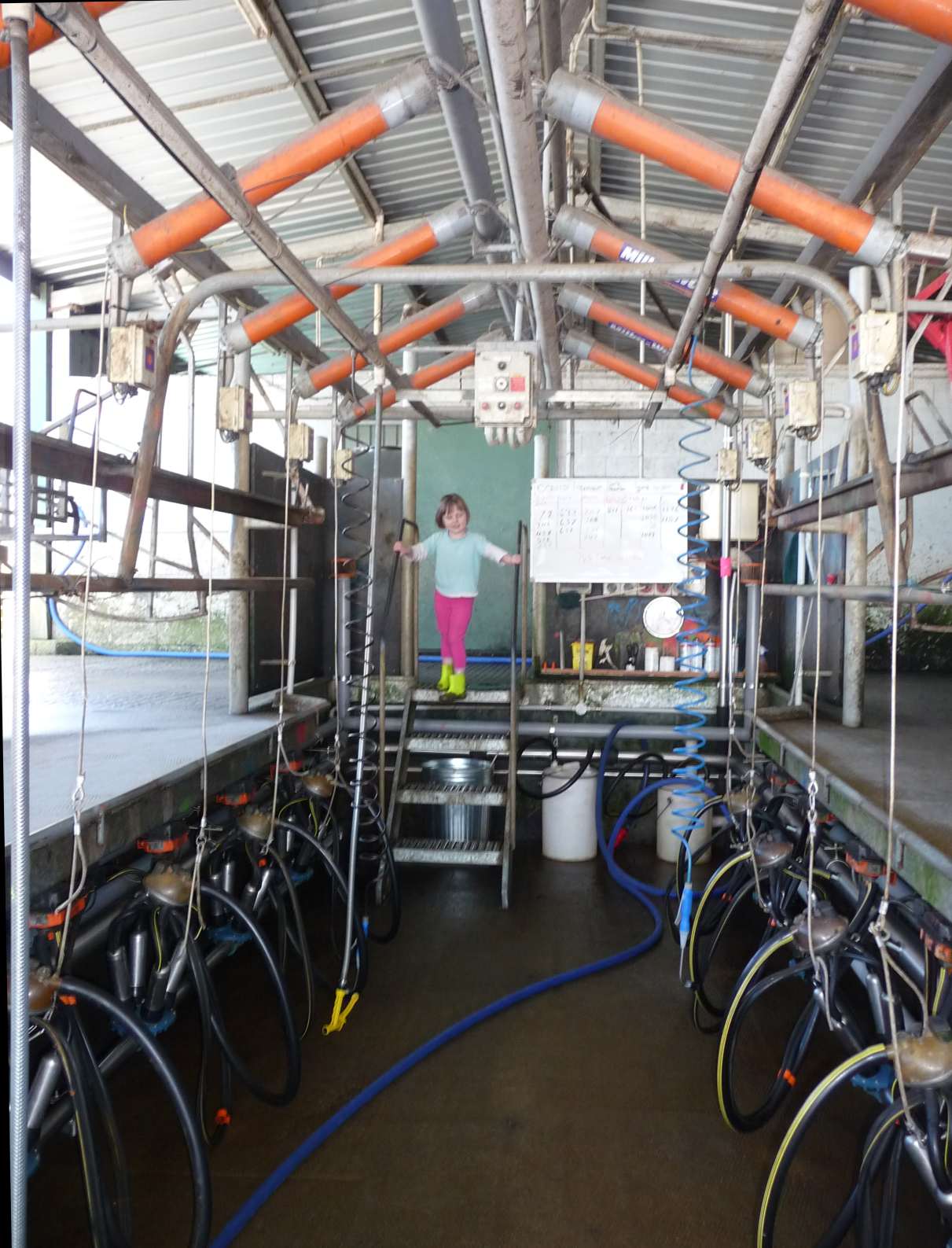
View from the dairy pit

I realised there’s something missing from this blog about the daily life of a dairy farmer and that’s the one job that must be done twice a day, every day: milking! So, here’s a pic of the spot where it all happens. Ours is what’s called a herringbone dairy. The cows stand on platforms on either side of the pit with their tails facing us. Each cow has a stall to herself to make sure she isn’t squashed or bossed off her feed by bigger or more dominant cows.

Our dairy has 32 sets of milking machines, so we can have 16 cows on each side and is equipped with automatic cup removers (those orange cylinders overhead) that take the machines off when the flow of milk decreases. This is a labour-saving device that also means there’s less risk of cows being over-milked. The curly blue cords hanging down are dispensers for a mix of iodine and glycerine that we spray on the cows’ teats to keep them soft, crack-free and hygienic.

At the nose of each cow is a bail that holds grain for her to eat while she’s being milked. It’s a nice way of helping cows enjoy their time in the dairy and ensures nobody misses out on her ration of supplementary (that is, additional to grass) high-energy, high-protein feed. We control the amount of grain that’s dispensed with a timer dial on the white box overhead at the centre of the pit.

You’ll also see a whiteboard near Zoe. We write notes on this about which cow needs treatment, with what, and for how long.

I took this pic without cows because it’s nice and light that way but am working on a video to show you what happens when the dairy’s in action. Let me know if there’s anything you particularly want to see.
Calving slows, now, when to take the bulls out?

Over the past week, only half a dozen cows have calved. The next decision will be when to take the bulls out of the herd.

Traditionally, our herd begins to calve in mid-July but we’re in transition towards a new start date. Because the winters seem to be warmer and the springs shorter here, we began to mate the cows last July for an April 20 start to calving (like people, cows have a nine-month gestation period).

This is designed to match the cows’ peak production of milk with the peak growth of grass and reduce the need to maintain high energy levels over summer, which is a tough time to keep fodder up to the cows on a rain-fed rather than an irrigated farm.

So, when to stop? Some farmers arrange mating dates to have a couple of batches of calves throughout the year, relatively few calve all year round and most aim for seasonal calving over a period of eight to 12 weeks. These days, it’s becoming increasingly hard to get all the cows in calf each year and not all cows need to be pregnant annually to produce well. Extended lactation, as it’s called, is now very common for a portion of dairy herds and, according to the gurus like Greg O’Brien at the Department of Primary Industries, could be quite viable.

Since I want to shift our start date and rapidly shorten the calving season from our current transitory (and excruciating) six months, I’m inclined to be reassured by Greg’s advice and pull the bulls out earlier rather than later. Last year, it was New Year’s Day, this year, I’m considering mid-November. It’ll be mostly the late calvers who miss out under this regime and because we’ll be mating again in July, extended lactation is even less of an issue – it’s not a two-year lactation, anyhow.

In the next couple of weeks, we’ll arrange a pregnancy test for the cows who either calved early this year or didn’t calve at all. The vets are confident of due dates when pregnancies are at least eight weeks.

Wish me luck!

Spot the missing calf

A cow calved in the herd on Saturday. This isn’t supposed to happen. All the cows are pregnancy tested between eight weeks and five months after joining to confirm their status and due dates but the tests are not infallible. We obviously missed 585 somehow and she arrived in the dairy sporting afterbirth.

Zoe, Alex and I headed down to the paddock to find her calf but it was nowhere to be seen. We checked drains and even wombat holes but still nothing. It was easy to spot the patch of squashed grass and membranes where 585 had given birth and I expected the calf to be nearby. After an exhaustive search, we decided to put the cows back in the same paddock overnight and see whether the calf emerged from its hiding place.

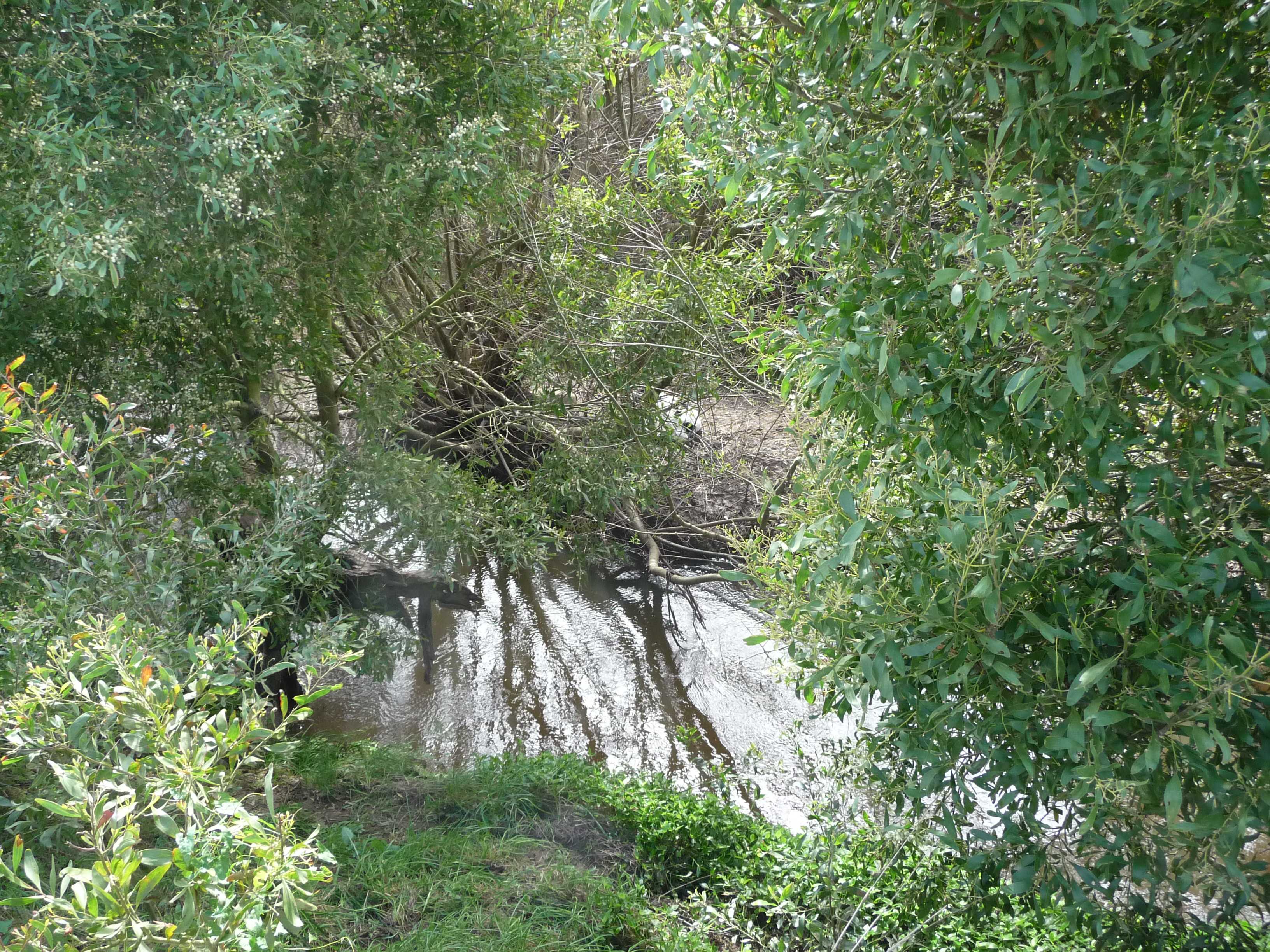
It didn’t, so we looked again. And here it was:

Spot the missing calf

Can you see the missing calf?

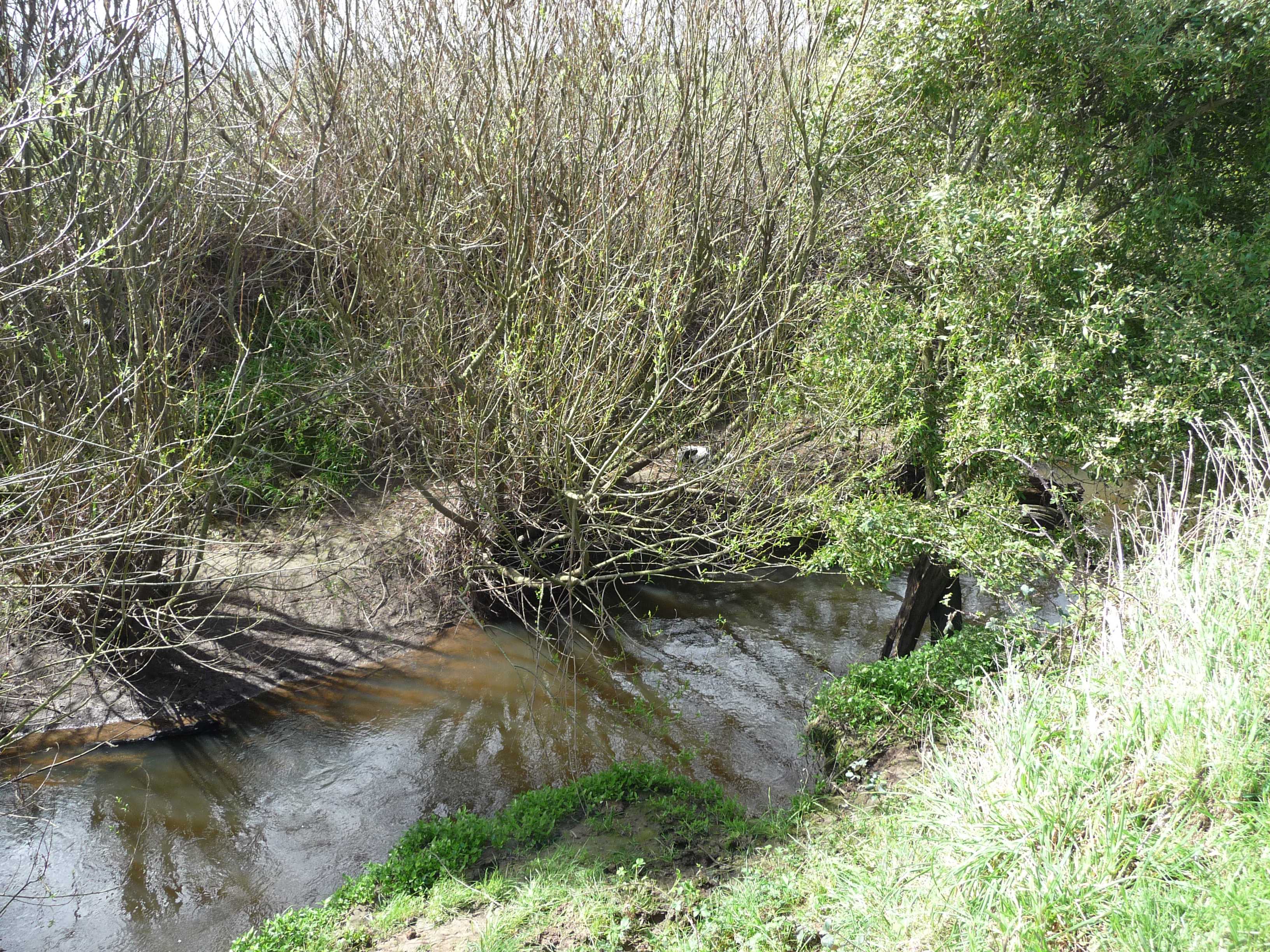
Can’t see it? Look here:

Spot the missing calf

Can you see him here?

Yes, the little creature had either fallen or walked into the river down a very steep bank, got across and found a nice sunny spot for a snooze. What a great little survivor and what a relief!

Fortunately, our neighbours across the river raise our bull calves and Dave was pleased to find the calf in perfect health and rang to thank me for the express delivery. We won’t be floating calves across for you as a regular service though, Dave!

What do farmers hide from you?

Faces in the herd

Some of the girls on our team

The other day, my friend Julie emailed me a link to a story about a Kiwi farmer called Tim. Here’s the gist of it:

So convinced is he that farmers have nothing to hide that he urges people to knock on a dairy farmer’s door and ask them about their farm. “They’re welcome to call on me anytime,” he says, then adds: “As long as they come with an open mind, not with any particular axe to grind.”

Animal activists will tell you there is a dark side to dairying and then mostly follow that up with stories about calves being removed from their mothers and forced annual inseminations. It’s true. We do remove calves from their mothers and it’s also true that we hope to get cows in calf every year (although that’s not realistic – we keep dozens every year who don’t fall pregnant). But it’s not cruel.

The point of this blog is to provide a window to another Australian way of living as well as showing you what we do and why. You have a right to know your milk is ethical and safe.

Our top priorities are to look after people, animals and the land while producing the best milk possible and staying afloat. They have to be or we wouldn’t be doing it: we don’t earn nearly as much as Tim does, unfortunately. The farmgate price of milk fluctuates like crazy and in the past three years, it’s varied from 28 cents per litre to 48 cents, so Wayne and I are both working second jobs while we “renovate” the farm (which is, by the way, valued at a fraction of Tim’s).

So, if there are dairy practices you’re wondering about, please hit me with them.

Weaned calves acclimatise to new surroundings with maremma guardians

Weaned calves take in their new surroundings

Weaned calves take in their new surroundings

We’ve weaned a bunch of calves and they love their new surroundings by the forest. When I took this picture, they were still a little overwhelmed, walking quietly around the paddock.

At our farm, calves are weaned relatively late. The calf rearing experts say you can wean a calf as soon as she’s eating at least 1.5kg of grain or pellets per day but, in my view, it doesn’t hurt to offer them milk for a bit longer. Calves are the future of our dairy farm and we don’t skimp on their wellbeing.

We’ve chosen a paddock far from the dairy that offers shelter from cold weather and shade from the sun. Cows are kept off this pasture to minimise the risk of transmitting disease like Bovine Johnes Disease from one generation to another. Aside from buying in bulls to preserve genetic diversity, we have a closed herd and no history of the muscle-wasting BJD but it’s good practice to keep stock under 12 months old off pasture that’s been grazed by mature cows.

While the pic doesn’t show them, maremmas Charlie and Lola have been staying close to their charges and I’m hopeful the transition will extend their range.

Even the farmer’s wife has a say

Farming may be dominated by the male of the species but a rural lending ad is so overtly patronising to women on the land, it deserves special mention.

A sepia-toned picture of a woman’s hand on a kitchen table with a tea cup is the graphic. Here’s the introductory text (or “copy” in advertising parlance):

It’s not just a kitchen table. It’s where the big discussions take place. Where generations of farmers have sat and pondered the future. Where generations of farmer’s wives have sat and had a say. Cuppas have been poured. Financial statements have been pored over.

Lucky wives being allowed a say!

A seed rep clearly of the same mindset knocked on the back door a couple of years ago, telling me he’d already seen “hubby” at the dairy and he was “just dropping the brochure off at the house to keep it clean”. Despite me asking a series of questions about the grass, he simply refused to discuss it, telling me I didn’t “need to worry” because he’d be back again to chat with my hubby.

Fortunately, these types are the exception rather than the rule but it’s very disappointing to find a major bank with such a backward attitude.

Cocksfoot a tender winner in a tough paddock

Uplands Cocksfoot with red clover pasture

Uplands Cocksfoot with red clover pasture

Most dairy pastures in this part of Victoria are ryegrass, whether annual, Italian or perennial. Not the one Zoe’s posing in! It’s a new variety of cocksfoot called Uplands. Planted with nitrogen-fixing clover, this so-called Spanish cocksfoot has turned the farm’s worst-performing paddocks into one of its most productive.

This north-west facing paddock has an acidic sandy-loam over clay soil type and used to be routinely skipped in grazing rotations. A crop of rape and millet failed miserably, producing a massive forest of fat hen. We ploughed that in and called it a “green manure crop” to save a little dignity, then sowed the Uplands cocksfoot and red clover.

I had been warned it would be slow to establish but began to wonder when it looked like being overwhelmed by capeweed in the first six months. In late Spring, however, this paddock took off and has not looked back! The cocksfoot is fine-leaved, very persistent and resistant to cockchafer grubs.

The cows seem to like it too, even showing a preference for the cocksfoot over the clover.

PS: Astute farmers will see it’s got a bit out of hand. I should have grazed it earlier but access was too wet until now.


Why we don’t want huge calves like this whopper

Huge calf

Big calves are a big risk

This calf was born yesterday and, sadly, survived only a few minutes, leaving his poor mother exhausted. Having sat her up, Wayne and Zoe are giving her a dose of sugars, calcium and mineral salts to give her a boost after her ordeal. Big calves tend to cause a lot of calving trouble and are also often stillborn. We’ve had a few this year, which I think is partly due to the wonderful condition of the cows.

We do actively try to keep the size of calves manageable in other ways. When we are selecting bulls for our herd, we look for those who have a record of easy calvings (though not too easy in case we end up breeding cows with hopelessly tiny pelvises) and those of medium stature. We don’t want to breed giants and internationally, Holsteins have been getting bigger and bigger.

As well as the calving ease, our desire for medium-sized cows is about fitness. Most of the semen originates from lines bred in America and Europe, where cows live in barns most of the time and walk very little while, here in Australia, our cows live out in the paddocks all year round.

I think they have better lives as a result but the downside (if you can call it that) is that they must be fit enough to walk from the paddock to the dairy and back twice a day. Massive bodies are hard on feet and legs.

Ministers say DPI extension role is over: big mistake

The government has announced that the “DPI’s days of offering extension services to farmers were over with private-sector consultants taking on the role”. This is a mistake of gargantuan proportions. The farm is not the natural habitat of a propellor head but it wouldn’t be the same farm without them. And, dare I say it, their work wouldn’t be the same without continual and close working relationships with farmers.

Working together ensures the DPI’s work remains relevant and, perhaps even more importantly, we share ideas. Because farming is so practical, so low margin and framed in the unpredictability of nature, it’s critical that information flows back and forth between researchers and practitioners (farmers). In other words, researchers value our experience.

All this is aside from the fact that we simply can’t afford a highly paid buffer between the DPI and the farmers they serve.

According to the same Weekly Times article, Victorian Farmers Federation vice-president Peter Tuohey agreed DPI’s extension role was no longer needed. I’m gobsmacked. My VFF membership subs cheque is sitting on my desk. Should I send it with advocacy like this?

I hope it’s not too late to reverse this policy shift. Many of our brightest DPI people may already have been lost if these numbers quoted by the The Weekly Times are accurate:

“THE Victorian Department of Primary Industries has been stripped of 236 regional staff. But its Melbourne office has grown by 126 in the past three years.  Data seen by The Weekly Times shows DPI’s metropolitan Melbourne workforce surged to 1248 in June this year, equal to almost 48 per cent of all its 2693 employees and contractors.”

I’ll be writing to the VFF, my local member and the Minister. Please add your voice to support our regional DPI programs and experts.