Ashamed to be a dairy farmer today

Yesterday, two industry representatives and a dairy farmer spoke about the treatment of bull calves on Australia’s Radio National program, Bush Telegraph.

It made Victoria’s dairy farmers appear as callous as Big Tobacco and today, I am ashamed to call myself a farmer of any description, let alone one that bludgeons premature calves to death with an axe.

The media feeds voraciously on such hideous depictions and it will be all over the internet and in the mainstream media unless something with even more news appeal happens this weekend.

This is something we can’t deal with by talking about industry standards and so on. Nobody believes that stuff. None of it resonates in the soul. We need to tell people the whole truth and how we feel about it.

And the truth is this:

I will never induce the birth of a calf unless its mother’s life depends on it. In the four years since I took over custodianship of the family farm, this hasn’t happened.

I can barely manage to hear the shot ring out as a suffering animal is euthanased humanely, even though I know it is the right thing to do.

I will always put the quality of our animals’ lives before profit.

We sell every bull calf we can to neighbours who rear them until they are big and powerful steers, even though we sacrifice income to do it this way.

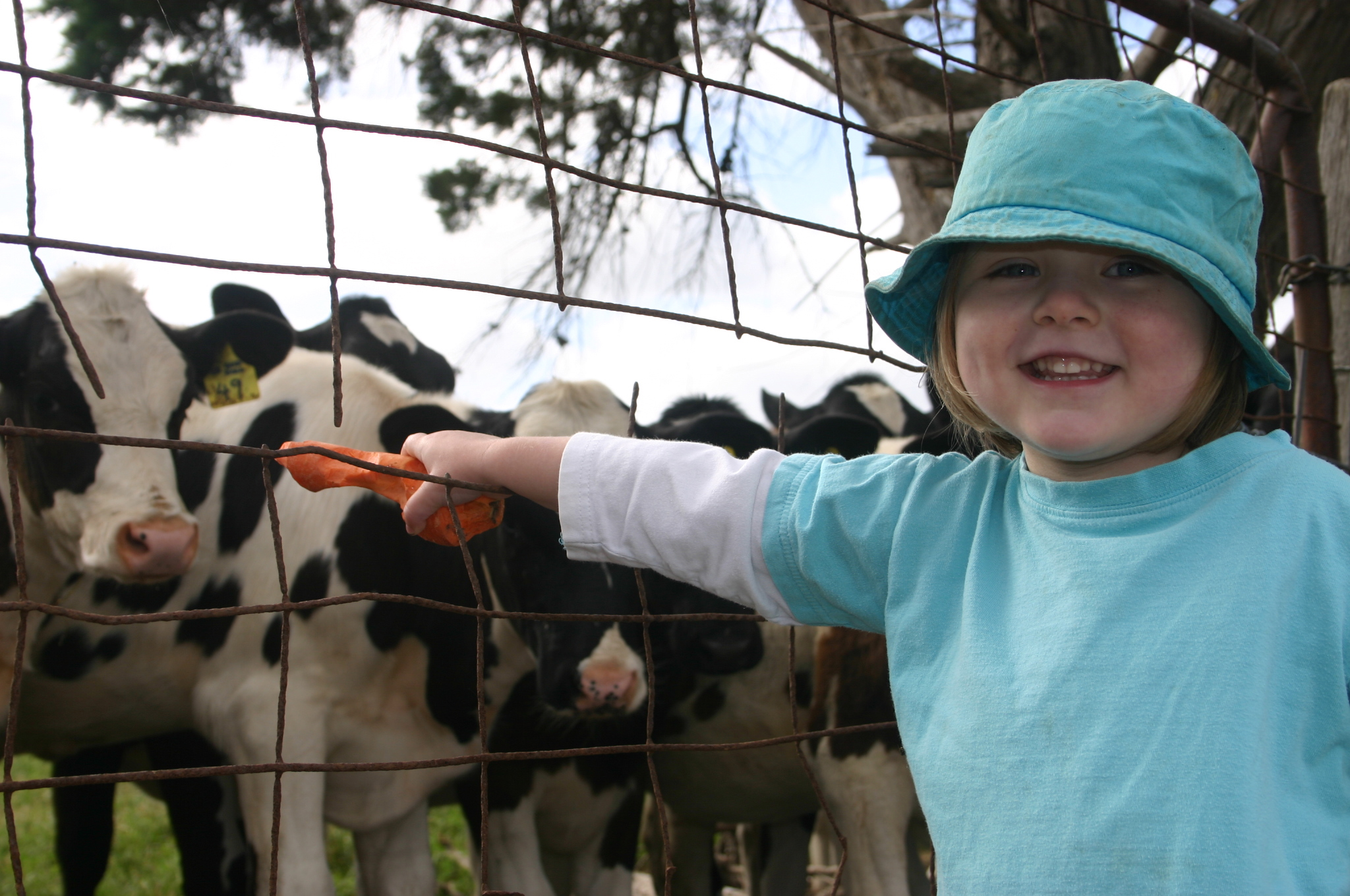
The bottom line is that I will not do anything on the farm that I could not show five-year-old Zoe without any qualms. Our farm is also our home and we could not live with cruelty.

Farmer’s forums are jammed with distressed dairy farmers this morning and I spoke long into the night about it with another yesterday. I am ashamed yet I am proud to know I am not alone in this. If you are a farmer reading this, please add your voice to the news forums and don’t be afraid to tell them how your heart guides you.

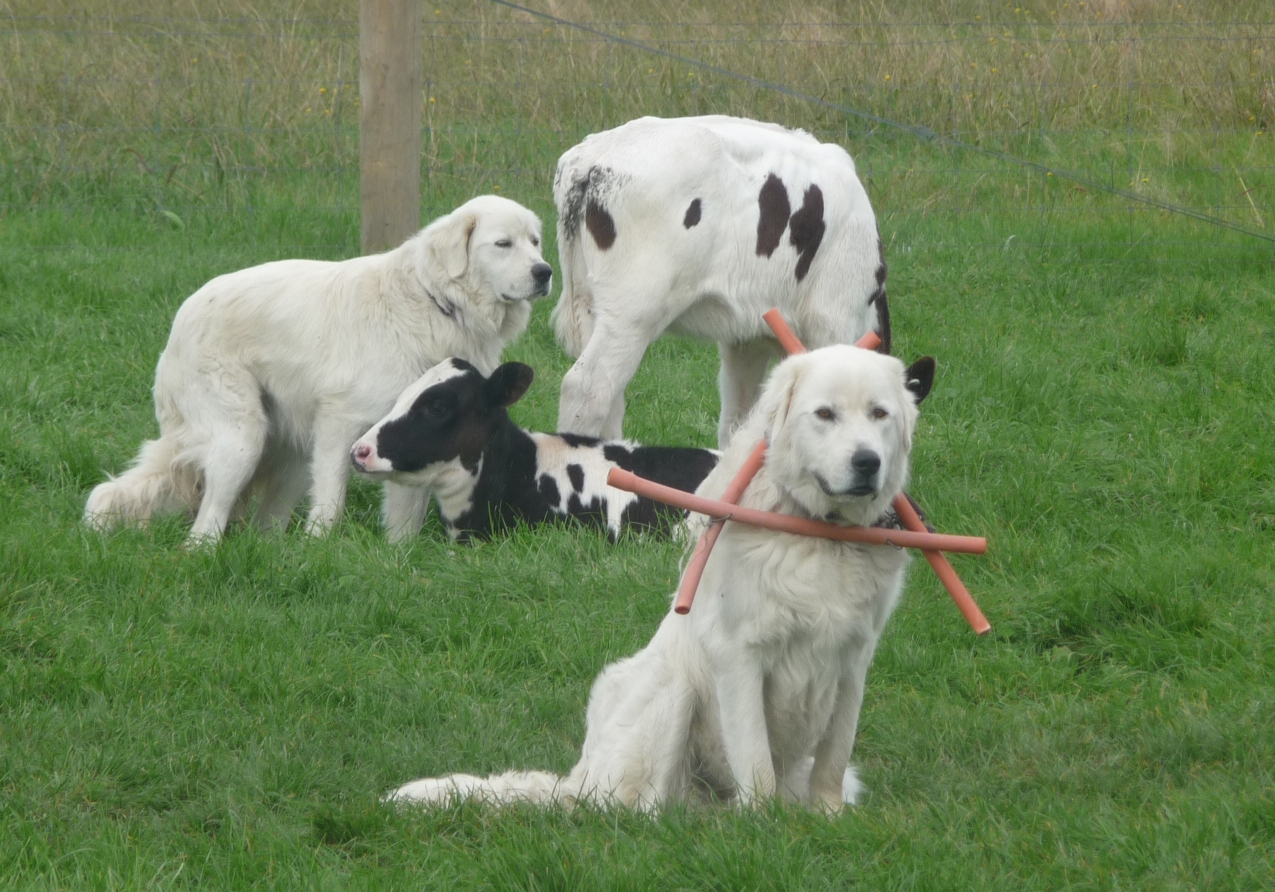
Weaned calves acclimatise to new surroundings with maremma guardians

Weaned calves take in their new surroundings

Weaned calves take in their new surroundings

We’ve weaned a bunch of calves and they love their new surroundings by the forest. When I took this picture, they were still a little overwhelmed, walking quietly around the paddock.

At our farm, calves are weaned relatively late. The calf rearing experts say you can wean a calf as soon as she’s eating at least 1.5kg of grain or pellets per day but, in my view, it doesn’t hurt to offer them milk for a bit longer. Calves are the future of our dairy farm and we don’t skimp on their wellbeing.

We’ve chosen a paddock far from the dairy that offers shelter from cold weather and shade from the sun. Cows are kept off this pasture to minimise the risk of transmitting disease like Bovine Johnes Disease from one generation to another. Aside from buying in bulls to preserve genetic diversity, we have a closed herd and no history of the muscle-wasting BJD but it’s good practice to keep stock under 12 months old off pasture that’s been grazed by mature cows.

While the pic doesn’t show them, maremmas Charlie and Lola have been staying close to their charges and I’m hopeful the transition will extend their range.

Human babies and calves are worlds apart

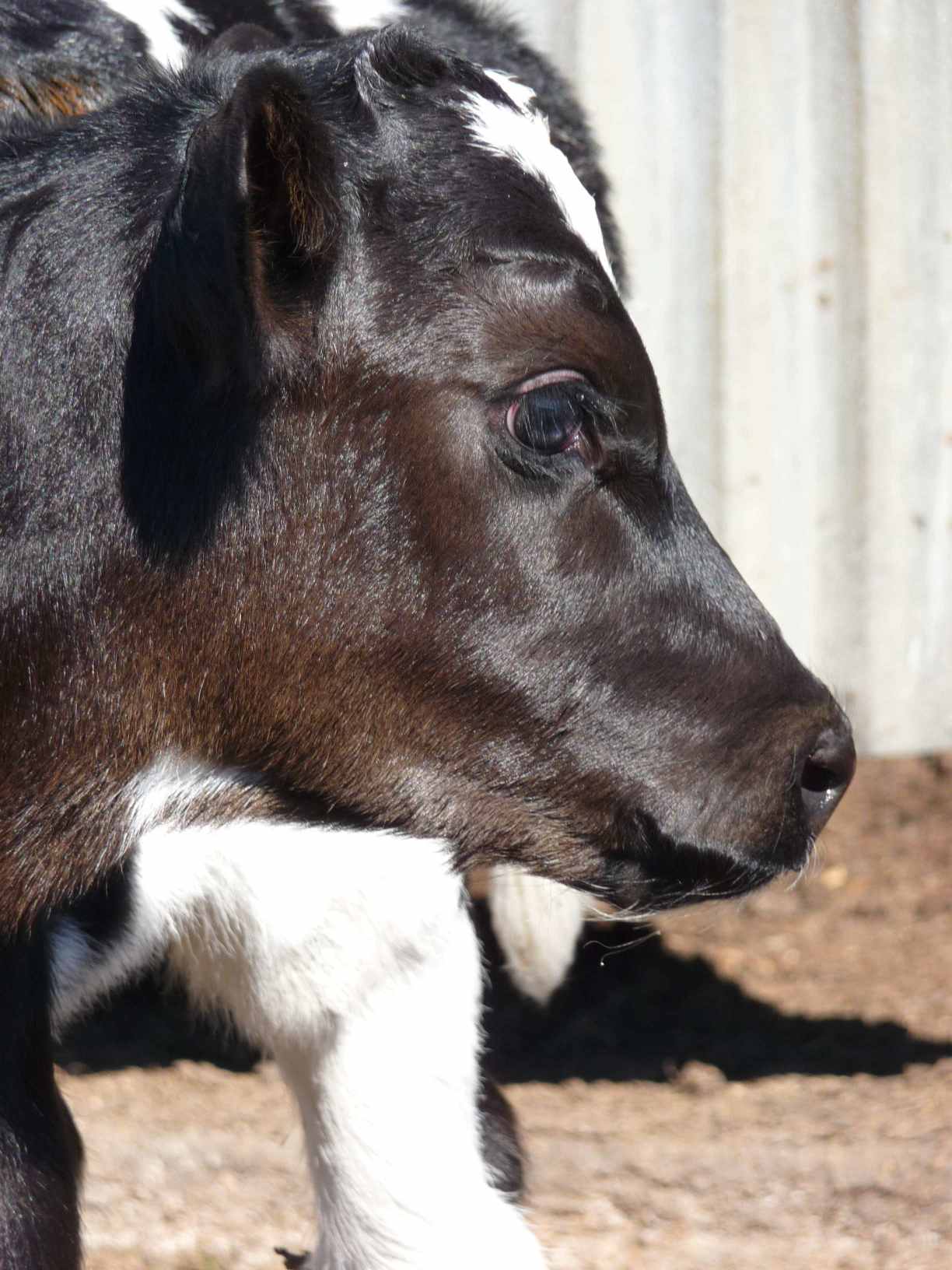
Face of a newborn calf

This calf is only a day old

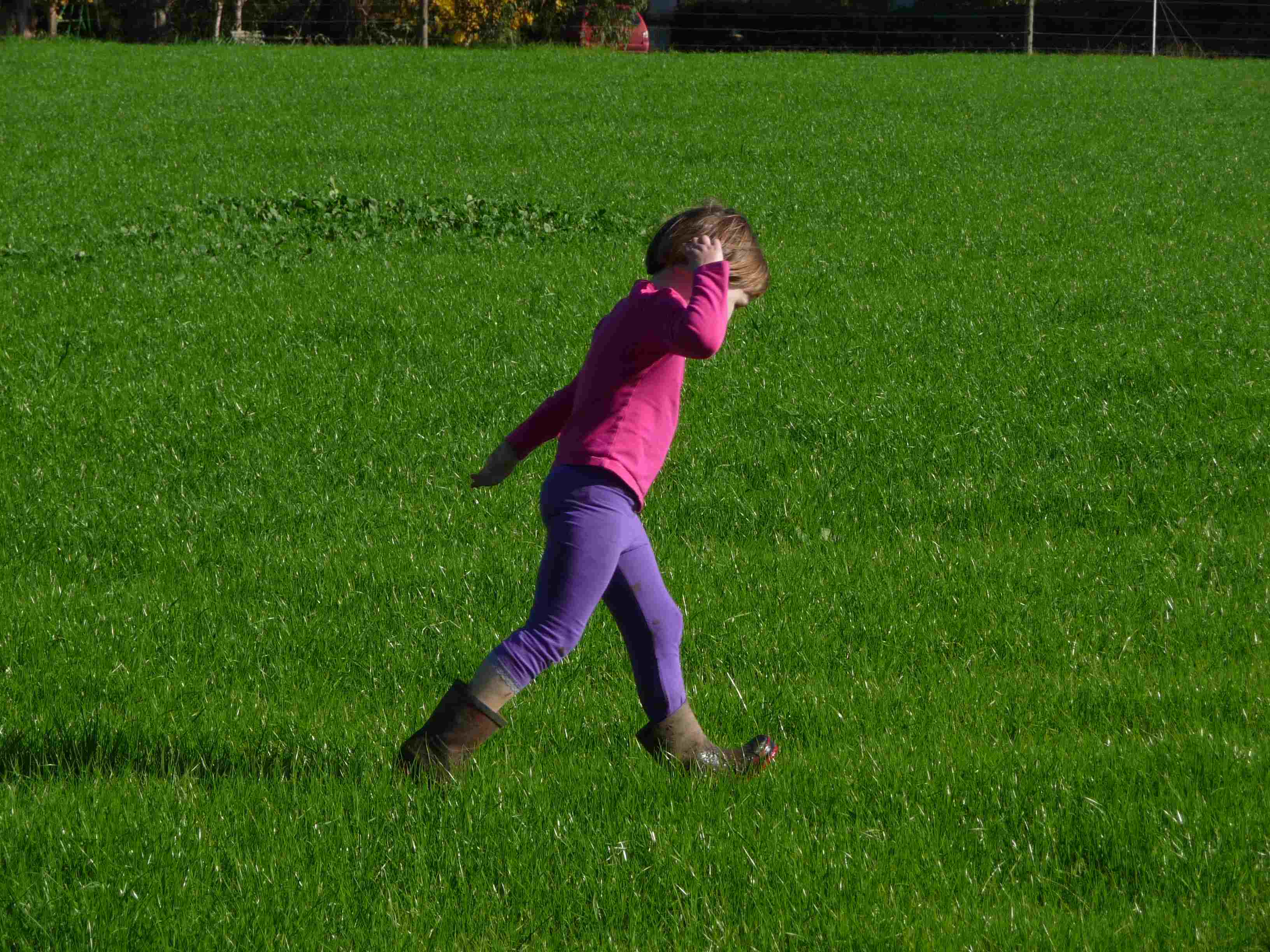
At just one day old, this bright little calf can outrun any of us – Zoe can vouch for that! Given that my baby Alex will probably take his first staggering steps at about one year old, there’s no comparison between human and bovine babies in the athletic stakes.

There are some similarities though. Both need lots of colostrum in the early days and both have developing immune systems that mean extra TLC is essential early on. For this reason, we house the newborn calves in a warm, dry shed on beds of sawdust for their first week or so. We can monitor their intake of colostrum and make sure they’re sturdy enough for outdoor life with their friends.

A day in the life of an Australian dairy farming family

I kept a time log yesterday. Here’s how our busy but not unusual day went.

5.00am Wayne hops on the quad bike to round up the cows and slowly and quietly bring them to the dairy

5.45am Milking starts

6.30am Marian hits her desk to catch up on paperwork before Zoe wakes and checks the online forecast. All three computer models agree there’s a little rain coming tomorrow. Better get the nitrogen onto those paddocks we just grazed early tomorrow morning!

8.15am Milking’s finished and the cleaning begins

8.30am Zoe and Marian shift the effluent irrigator, fill the pump with petrol and get it going.

Zoe with effluent irrigator

Time to shift the irrigator

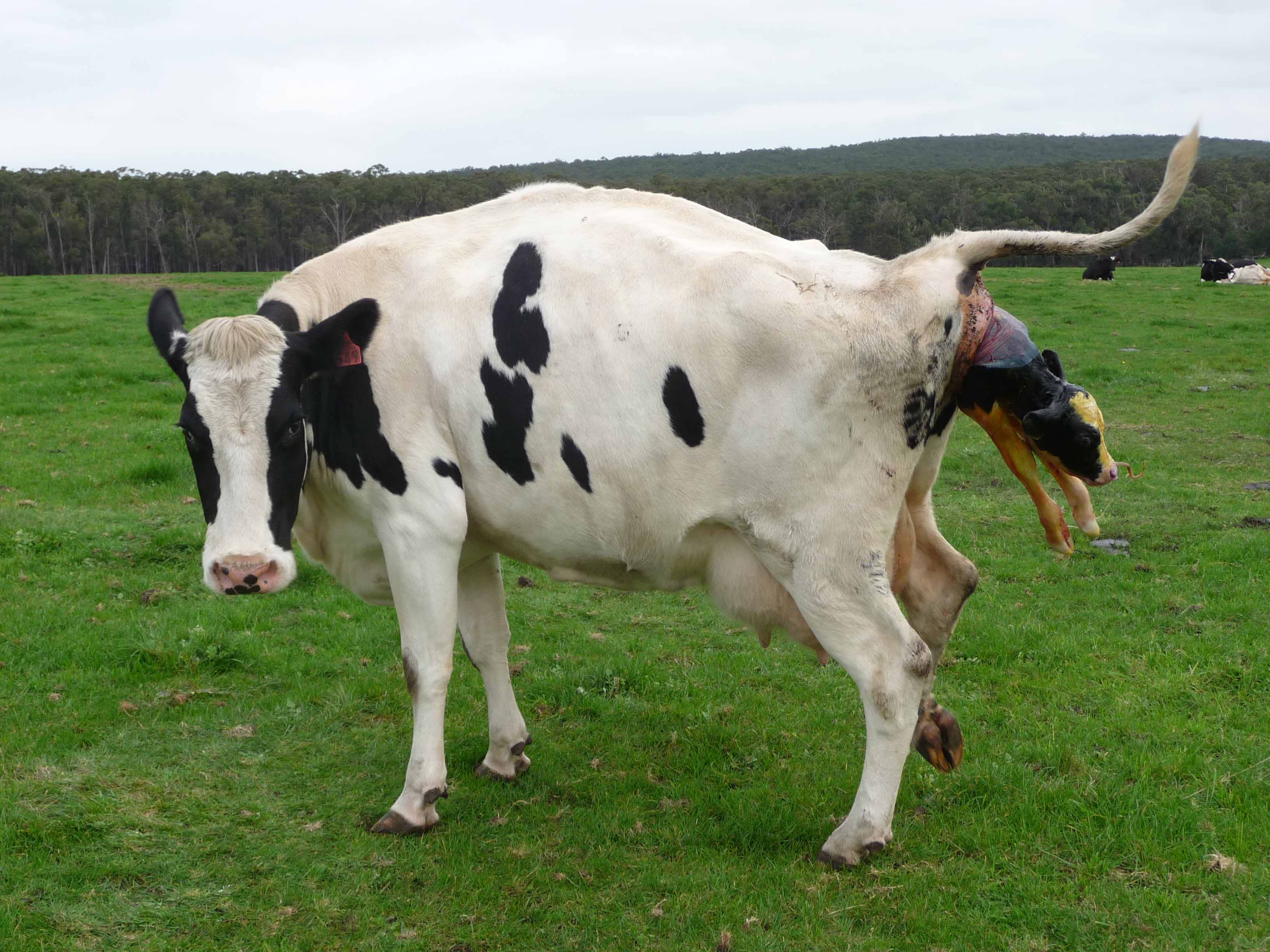
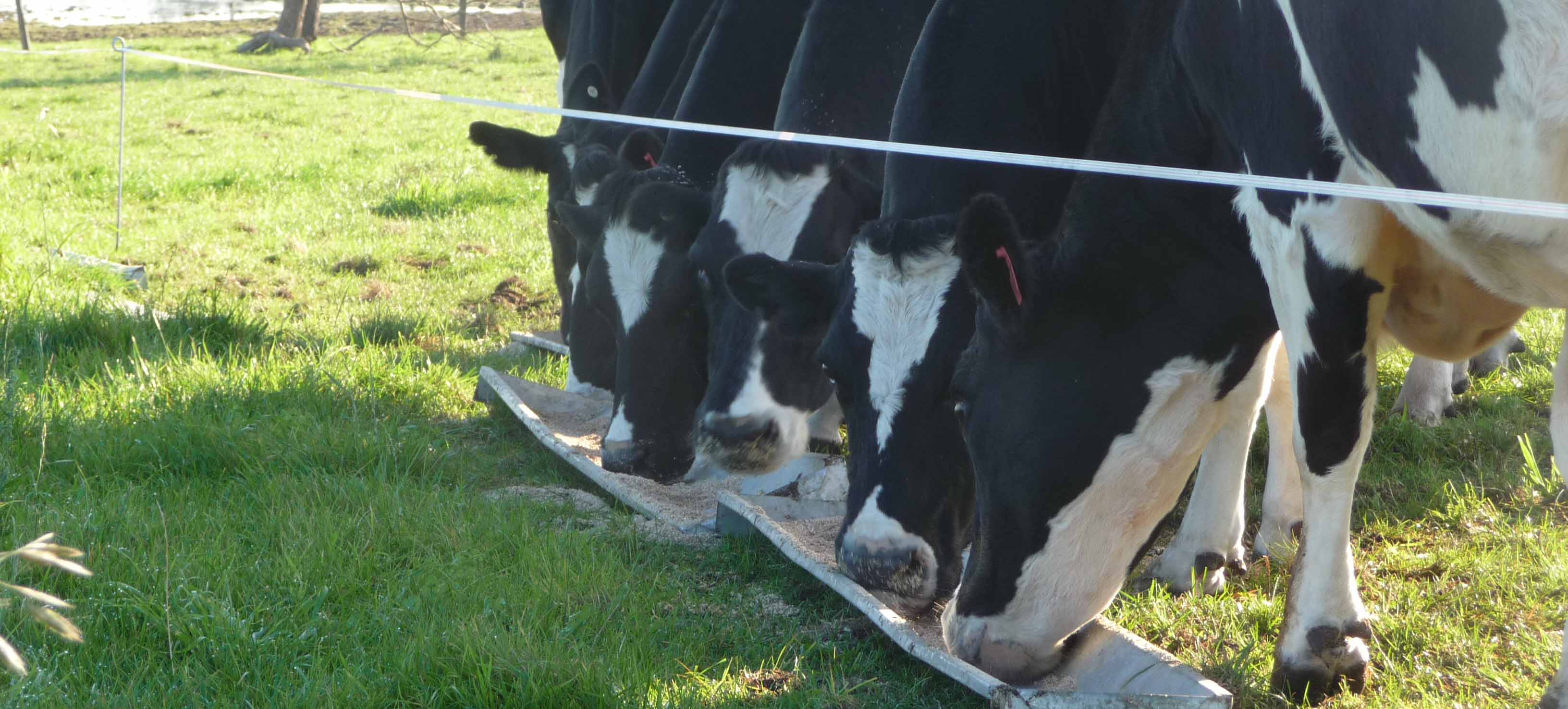
9.00am Marian and Zoe arrive on the Bobcat to give Papa a kiss and cuddle before we head off to feed the springers grain and anionic salts. The new calf spotted being born last night is a baby bull, who will be reared by one of our neighbours. We bring him and his mother back to the shed.

Anionic salts

Anionic salts (Zoe pic)

9.30am The milking machines, the yards and the vat room are spotless.

9.40am The three of us walk a couple of cows across the road to start their annual two-month holiday before they calve.

Cows going on holiday

Cows going on holiday

9.45am Wayne feeds three rolls of silage to the milkers

10.10am Zoe and Marian bring back two cows from the holiday paddock to join the springers in the TLC paddock.

10.45am Zoe and Marian refill the effluent pump and set it off again

Refuel Pump

Refuel pump again! (Zoe pic)

10.55am We all meet up again to feed the youngest calves and muck out pens. Discover one is sick and Wayne heads off to town to get treatment for her and refill the jerry cans.

11.30am Zoe and Marian are starving. Lunch time!

12.50pm Treat the sick calf and muck out more pens while Wayne welds up a broken gate in the dairy

1.20 pm Wayne’s off to feed silage to the dry cows, calves and heifers. Zoe and Marian take a look at the heifers to see if any should join the springers. We decide to do a big sort out in one to two weeks.

1.40 pm Refuel the effluent pump and get it running again

1.50 pm Load up 10 buckets of grain to feed to the youngest of the one-year-old calves. They are very happy to see us!

Feeding Calves Grain

Grain for calves (Zoe pic credit)

2.30 pm Check a new pasture on the way back

Zoe checks new pasture

Check new pasture

2.40 pm Quick snack and conflab with Wayne. 15 minutes later, we go off to round up while he feeds our maremmas, Charlie and Lola, and takes a bit of a break before milking.

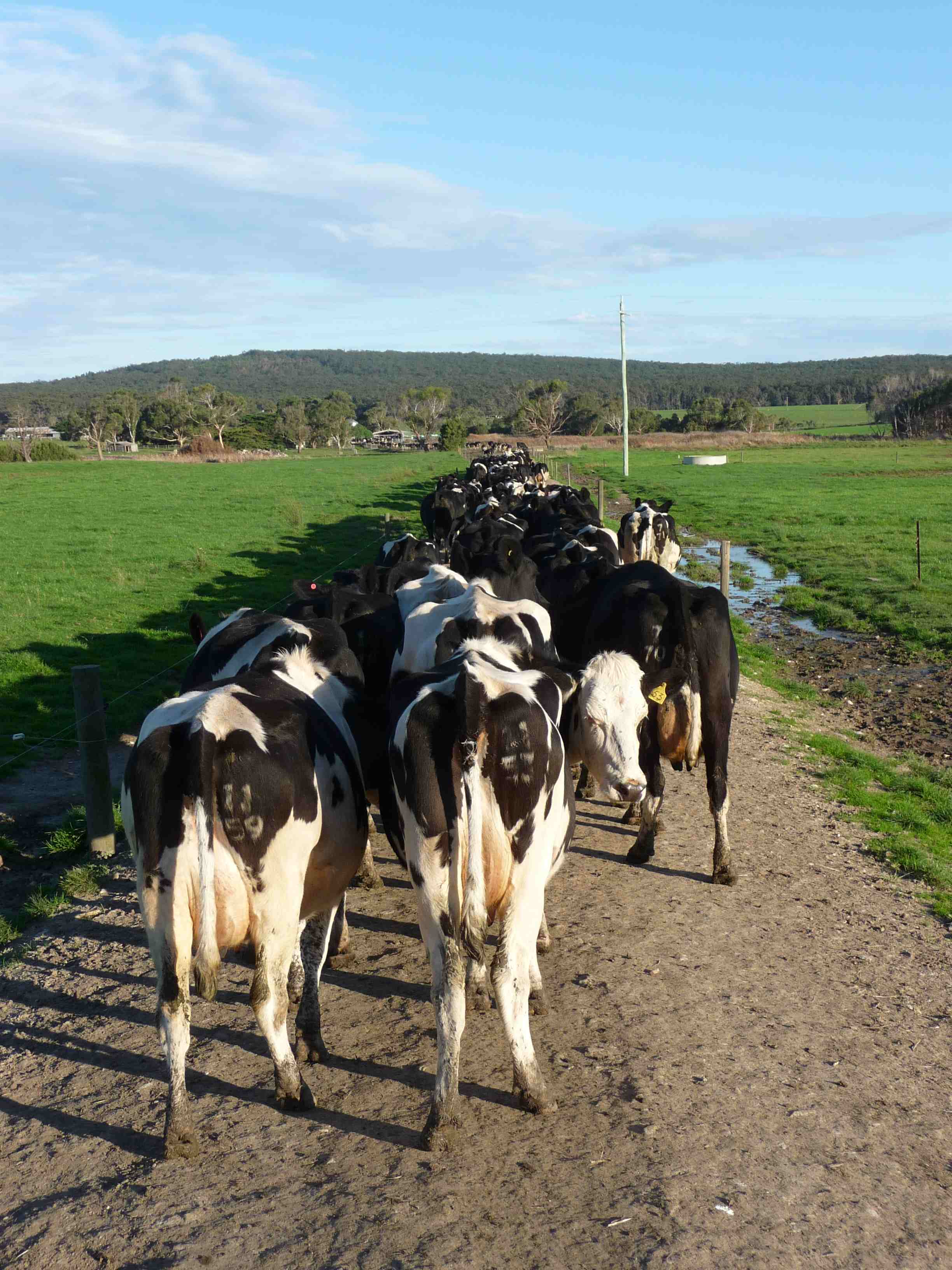
Cows on the track

Rounding up

4.10 pm Finally get all the cows into the yard – Wayne’s already got the first 32 cows milked. The cows were in one of the furthermost paddocks from the dairy, we had to set up paddocks along the way and deal with a broken fence. Also discovered a major water leak 😦

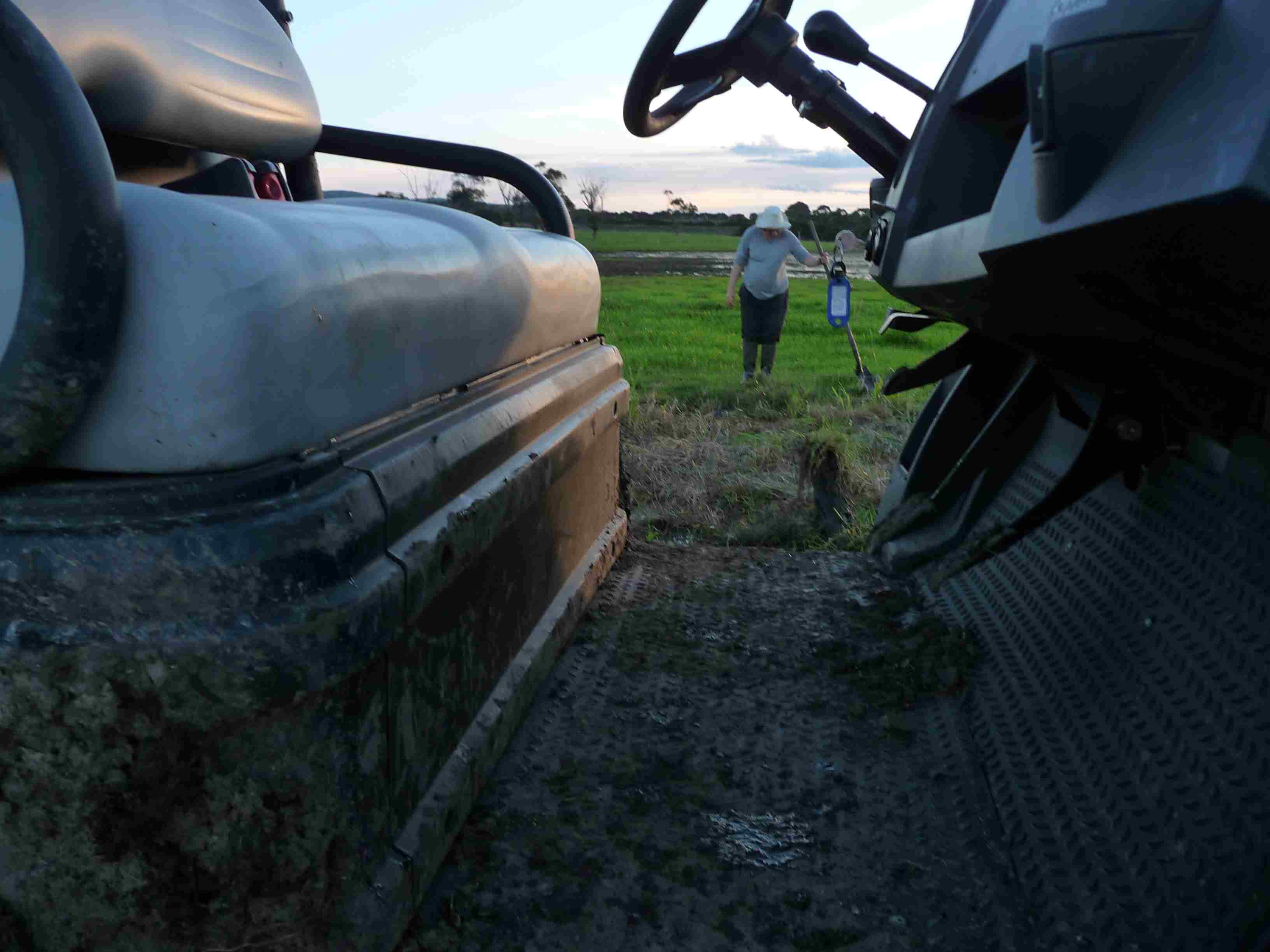
4.20 pm Equipped with tools, start prodding around in the mud.
Zoe’s taking pics now while Mama makes a mess.

Zoe's pic of Mama looking for the leak

Mama looks for the leak

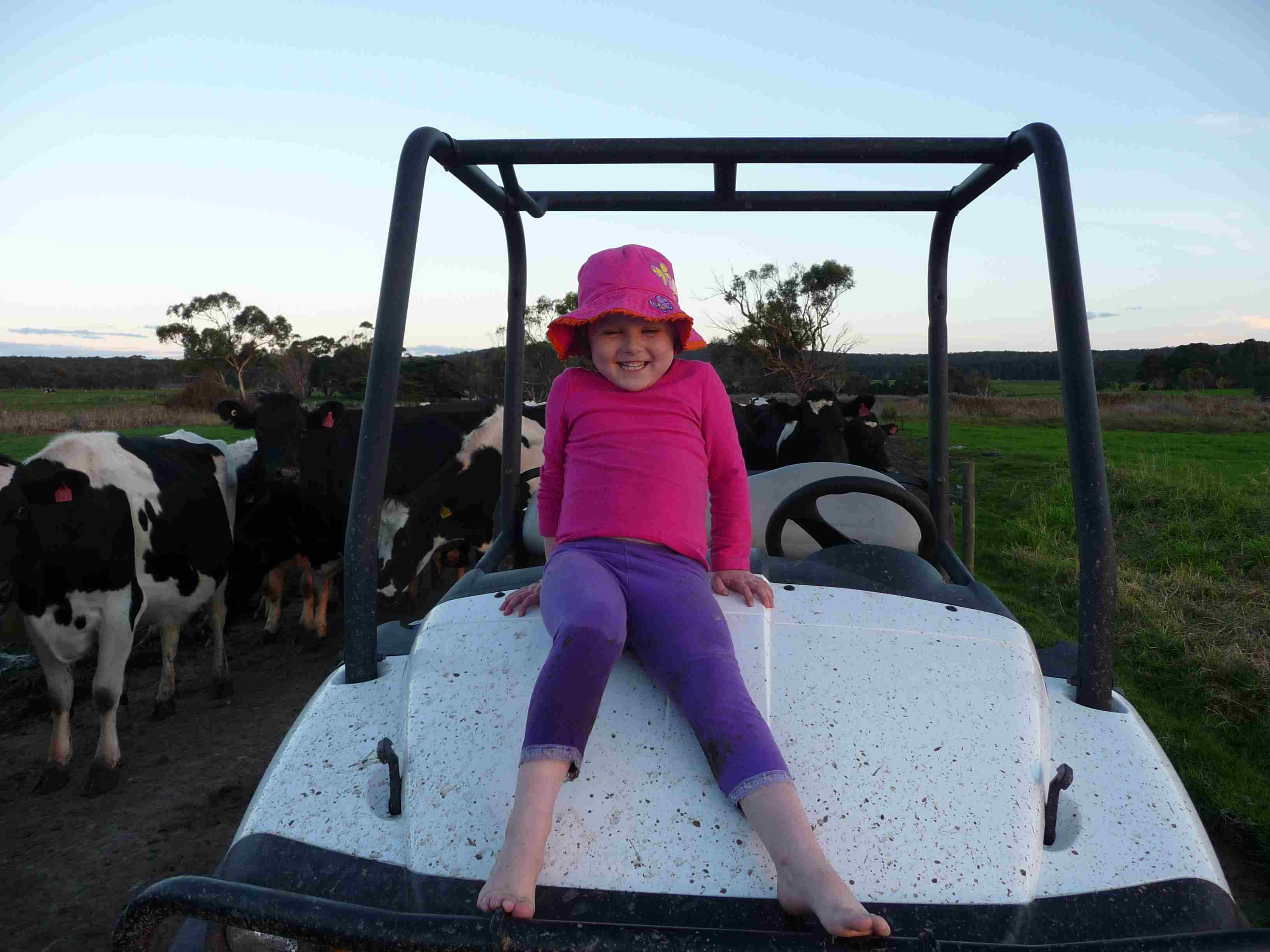
Oops! Zoe’s got a bootful but let’s make it funny.

Zoe on the Bobcat after mud accident

After a boot full of water

The cows crowd around us on their way back to the paddock.

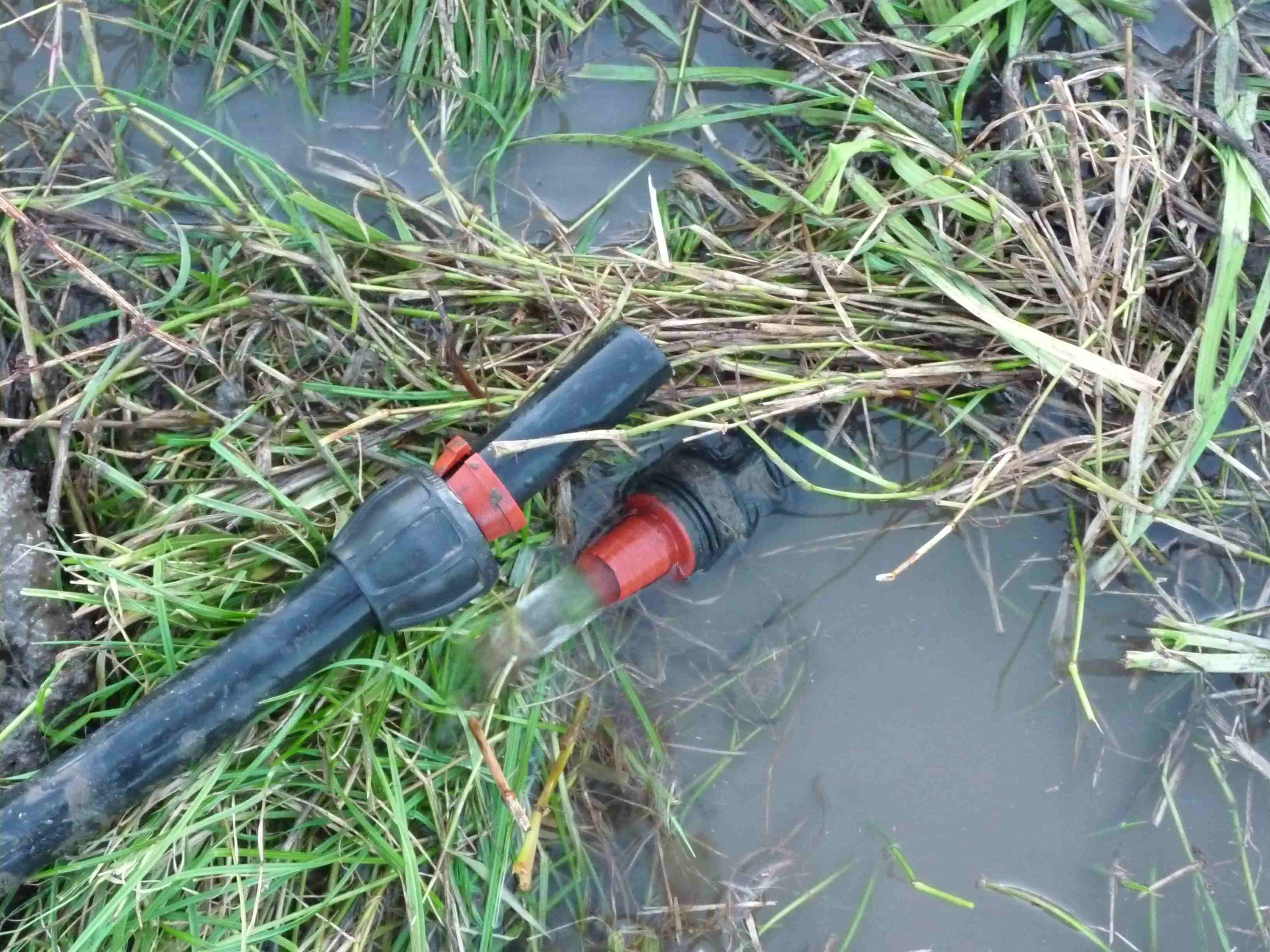
5.06 pm The Eureka Moment! An old (but still connected) water line has burst a fitting.

Pipe fitting

Unearthed the blasted leak

5.10 pm Outta there.

5.15 pm Set the travelling effluent irrigator on a new path, refuel pump and pull the rip cord!

5.35 pm Marian and Zoe home at last!

6.25pm Wayne’s home from milking. The end of a big day.

Youngsters of all species love fun

It’s been bitterly cold and Zoe’s just getting over a nasty bout of croup, so she’s been stuck in the house for days on end. When the sun finally broke through, we decided to get out and about and, while I fixed a fence, she decided to play “chasey” with the rising one-year-old calves. Sorry about the quality!

The farming community celebrates

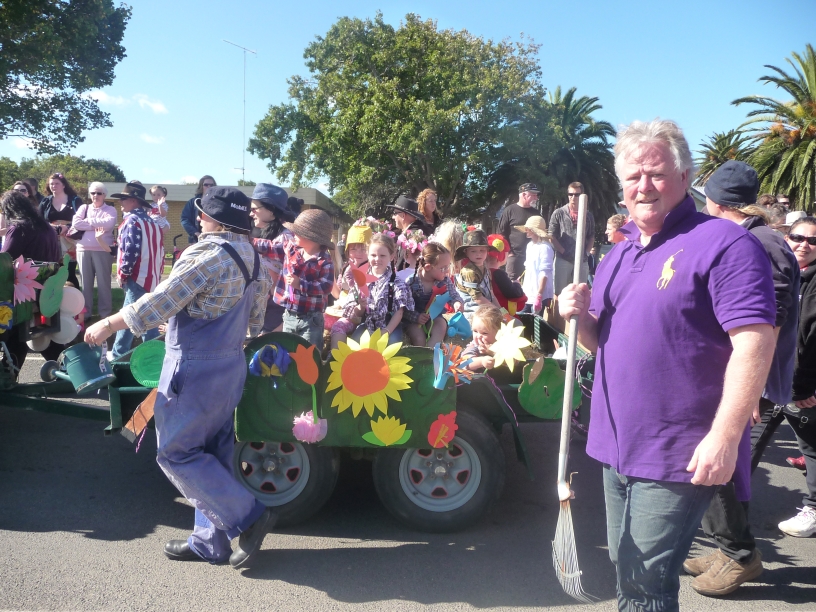
Zoe's first Tarra Festival parade

Today was huge. Every Easter our local town, Yarram, celebrates the Tarra Festival and at its heart is the parade. Colourful floats representing just about every facet of community life pass by thousands gathered on the footpaths and the centre plots. This morning, Zoe sat proudly among her friends on the kindergarten float, resplendent in yellow gardening hat and apron while waving a paper sunflower regally at the crowds. It was something of a rite of passage – I still remember clumsily twirling a Calesthenics baton decades ago along the same route – and she was in awe.

At the tail of the parade came three trucks: two B-Double milk co-op trucks and one belonging to the parade sponsor. The milk trucks are part of the community too and were warmly applauded.

The co-op's milk trucks are part of Yarram

The co-op's milk trucks part of the festival parade

After face-painting, slides, marvelling at the magicians, laughing at the clowns, catching up with friends and gobbling way too much fairy floss, we headed home to round up the cows. I was very proud of my tired little girl. She walked the cows in to the yard over 1.7 kilometres while making up lots of silly songs and giving me important directions.

Madame Butterfly stops traffic at the trough

We have a rule to let the cows drink for as long as they like on their way into the yard and in the picture you’ll see Madame Butterfly giving orders to stay clear of the drinking cows. After that, we checked two groups of cows, got in two mums and their newborns, fed grain to the yearlings and the springers, shifted the rising two-year-olds into a fresh paddock and checked in on a very sleepy and well-fed Laura.

Zoe will sleep well tonight!

No more twin calves please!

Laura the little survivor calf sleeps after a BIG feed

The good news is that our first batch of premmie twins – Ella and Bella – are absolutely thriving. The bad news is that we’ve now had four sets of twins out of 10 cows.

At first blush, you’d think I’d be overjoyed but lots of twins is not a cause for celebration on a dairy farm. Twins take their toll on the mother cow, who is more likely to have trouble calving, more likely to be sick afterwards and all this also affects her production and ability to get back in calf next season. The calves are also more likely to be unwell because they tend to be smaller and suffer more difficult births. The female twin of a male/female pair is nearly certain to be a freemartin, unable to breed.

One of our favourite cows, 771, gave birth to a small but gutsy heifer this morning and then we discovered another set of hoofs coming out. Sadly, Wayne had to give 771 help and, despite us acting immediately, the second little girl was stillborn. As I held the first little calf, Laura, while she had her first drink, I couldn’t help but feel a lump in my throat as I heard Wayne carry her dead twin away.

I wonder what’s causing this? I hope it’s just a run of bad luck but other farmers have reported increased twinning on their farms too this season. The research suggests that lots of great quality feed at breeding time might be the cause and, yes, nine months ago, the cows did have a wonderful diet. Maybe that’s the reason but it does leave a farmer scratching her head and crossing her fingers (if it’s possible to do both at once!).

Charlie and Lola the maremmas

Charlie and Lola love their bovine friends


We’ve had Charlie and Lola since they were just 10 weeks old but, while they love us, we’re not their real family. The calves are. Now nearly two years old, they’ve slept, played and eaten alongside calves ever since they arrived.

The idea is that these beautiful Maremmas, bred as paddock-dwelling livestock guardians, will protect our calves from foxes and chase kangaroos and wallabies from the paddocks.

You see, I am a bit of a softie. Although I have a permit, I can’t bear to shoot at the 200 or more kangaroos and wallabies that visit us every day even while they’re decimating our fodder reserves and quite literally eating us out of house and home. The solution? I’m not sure I’m onto a winner yet but bonding the maremmas with the calves has been a two-year training phase in a grand Milk Maid experiment in macropod control. Over the last few weeks, we’ve been training Charlie and Lola to respect the 4km boundary fence and will soon let them out of the calf paddock to roam their 200-acre domain. I can hardly wait to see how they, the livestock and the wildlife respond and am practically twitching with excitement. Will keep you posted.

Cycle of life adapts to a new climate

The calves are offered a special treat


Whether you call it climate variability or climate change, one thing’s for sure: we’re dealing with very different weather patterns in our part of Gippsland. The summers are hotter and tougher. The dryness now often begins in November and sometimes stretches into May. On the other hand, winter is warmer and grass grows far better in June and July than ever before.

This has fundamentally changed the farm, right down to the cycle of life. Instead of planning the calving season to begin in mid-July, we’ve decided to begin on April 20 this year. We’ve been surprised to see four premature calves (including twins Ella and Bella) born already – best laid plans often come undone at the hands of mother nature.

The reasoning is that we want to match the cows’ need for grass with the time when it grows best. Naturally, cows need the most energy when they produce the most milk, so we’re hoping to hit peak production in July/August/September, which is the period when the farm’s pastures are most productive under the new conditions.

The cows will have their two-month annual holiday from mid-February until calving begins in April – the time when grass is hardest to grow and when the cows’ energy needs are lessened. It will take time (two or three years) for us to get the whole herd into this pattern but it will be worth it. There will be less pressure on all of us.