New technology sparks a revolution on farm

I will never look at cow poo the same way again. A revolutionary technology arrived at the farm this week that is a huge win for the environment and for the farm.

Slurry Kat

New effluent technology

While most of the manure produced by our cows (and they dump a massive 40 litres each every day!) goes straight back onto the paddock, we do have to wash away the stuff that drops on the dairy yard while they’re waiting to be milked.

Rather than allow it to pollute our waterways, we collect it in an effluent pond to be applied on the paddocks as fertiliser. Sounds ideal but, unfortunately, there’s been a deal of guesswork in knowing exactly what’s in it and what rate to spread.

The only way until now was to agitate the pond (at significant expense) and send a sample off to a lab before agitating it all over again and getting it out with a slurry tanker that literally splashes it all over the pasture like Vegemite on toast.

The local and forward-thinking Bowden’s Agricultural Contracting owner, Wayne Bowden, has just bought a Slurry Kat that monitors the nitrogen content of the effluent as it’s pumped out and lets me choose just how much is applied per hectare.

In practice, that means instead of saying: “Aaah, about a quarter inch thick, please”, I can say “60 units of N per hectare, please”. Wayne can even tell me how much phosphorous is going on.

Why do I care? It means less likelihood of leaching excessive nutrients and we don’t use too much or too little bought-in fertiliser.

How the Slurry Kat works
The Slurry Kat system involves three tractors:

  1. An agitator that ensures the heavy slurry at the bottom of the pond isn’t left behind
  2. A pump stationed at the pond to push the effluent out to the paddock at up to 160,000 litres per hour via a 5″ hose.
  3. The spreader tractor, which uses lots of hoses to dribble the effluent along the ground in lines.
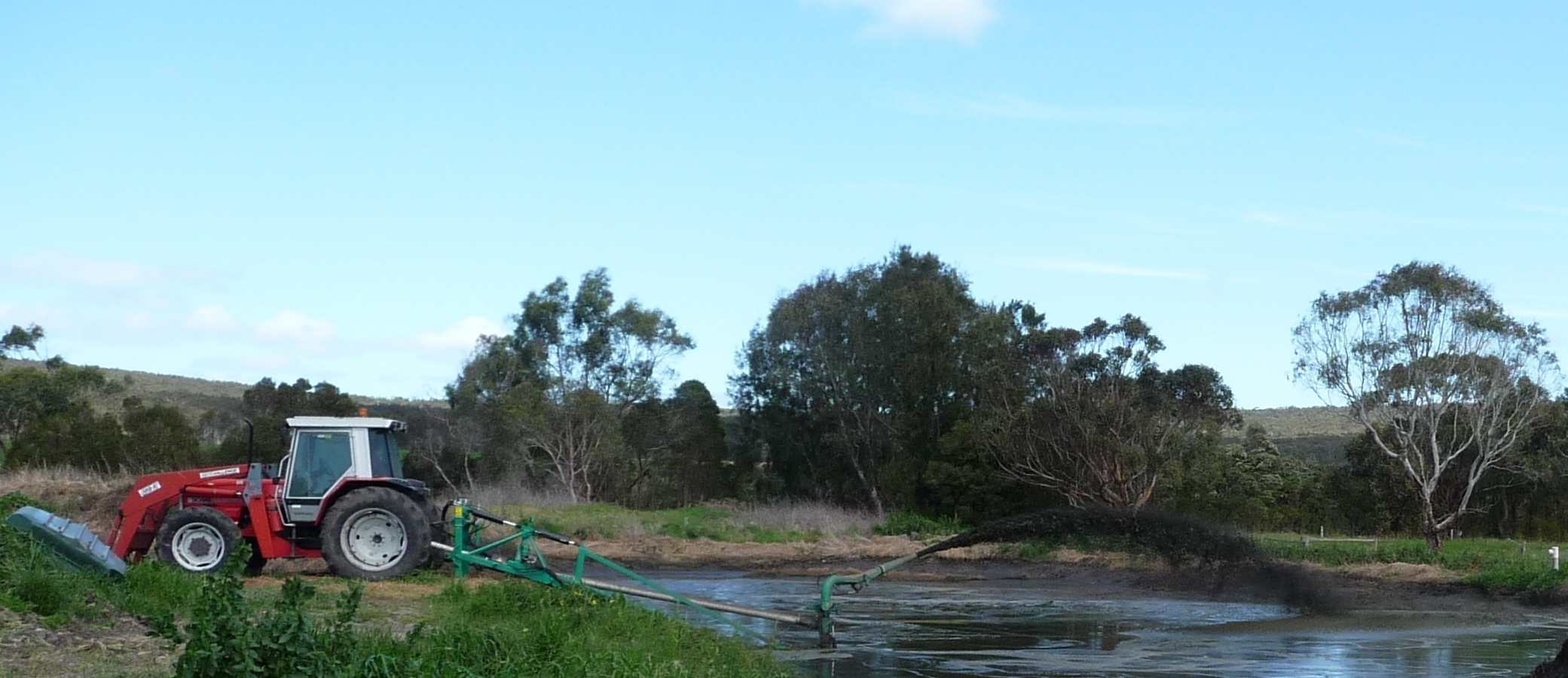
Agitating the effluent pond

Agitating the effluent pond

Effluent agitator and pump

The front tractor pumps the effluent up the umbilical hose

Slurry Kat spreading effluent

Slurry Kat spreading effluent

How it helps us manage our effluent for a better environment and greater productivity
Aside from the extra information and control the system brings us, the benefits are:

  • Safety. Because there’s no need to reverse a tanker up to the effluent pond dozens of times, there’s less chance of someone falling in.
  • Lower greenhouse gas emissions. Manure dribbled onto the ground rather than splashed onto a plate and sprayed means less volatilisation of its nitrogen.
  • We can affordably apply effluent to paddocks 1.5 km from the effluent pond rather than limiting ourselves to those close-by.
  • Less odour. I couldn’t smell it from the road.
  • Lower access requirements – less damage to tracks and paddocks near gateways
  • Quicker return to pasture because there’s no thick slurry to wash off leaves.

Slurry Kat lines after 24 hours

Slurry Kat lines of effluent after 24 hours on the paddock


I love it (and, no, I didn’t get paid to say any of this)!
Spot the missing calf

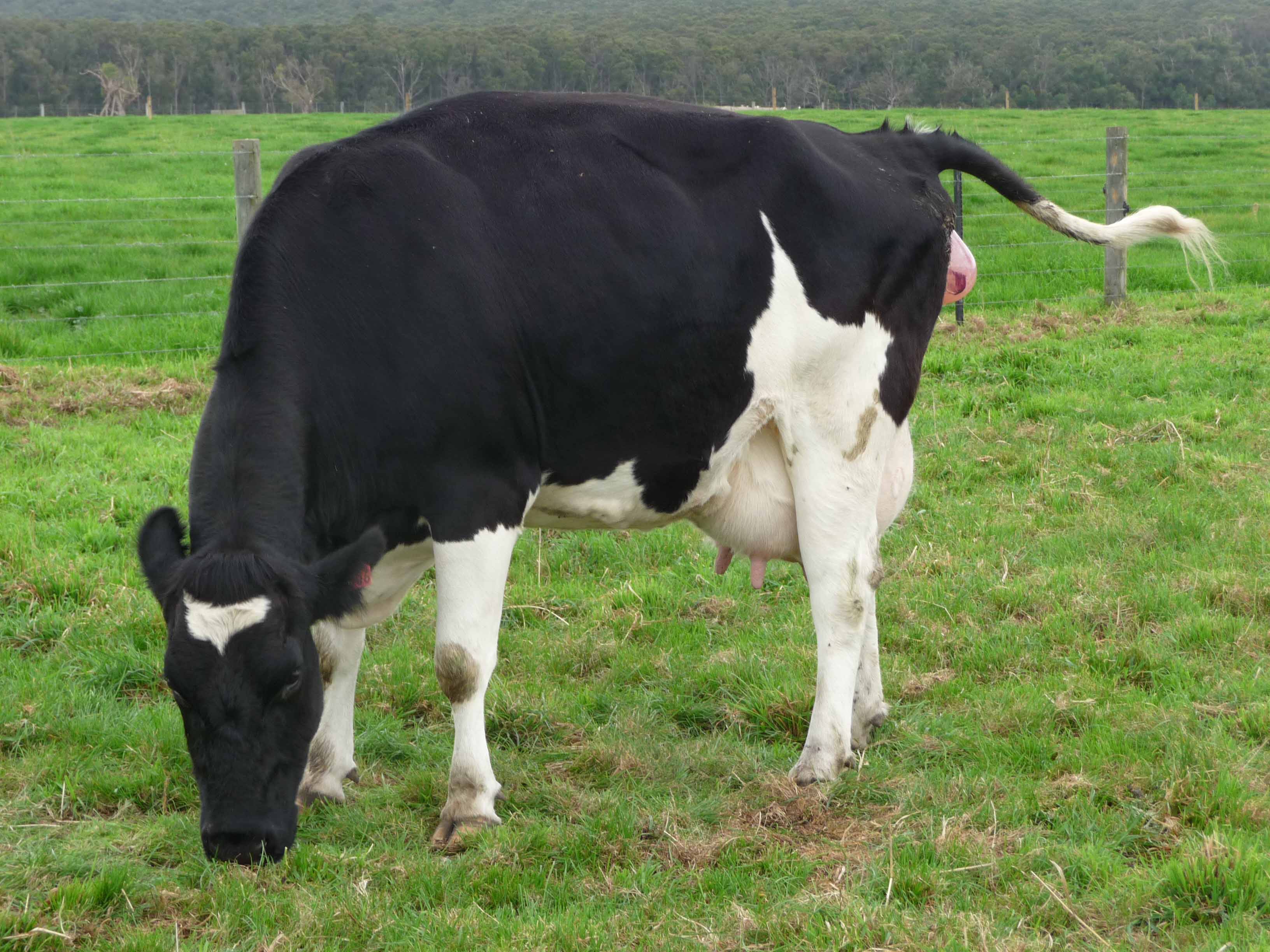
A cow calved in the herd on Saturday. This isn’t supposed to happen. All the cows are pregnancy tested between eight weeks and five months after joining to confirm their status and due dates but the tests are not infallible. We obviously missed 585 somehow and she arrived in the dairy sporting afterbirth.

Zoe, Alex and I headed down to the paddock to find her calf but it was nowhere to be seen. We checked drains and even wombat holes but still nothing. It was easy to spot the patch of squashed grass and membranes where 585 had given birth and I expected the calf to be nearby. After an exhaustive search, we decided to put the cows back in the same paddock overnight and see whether the calf emerged from its hiding place.

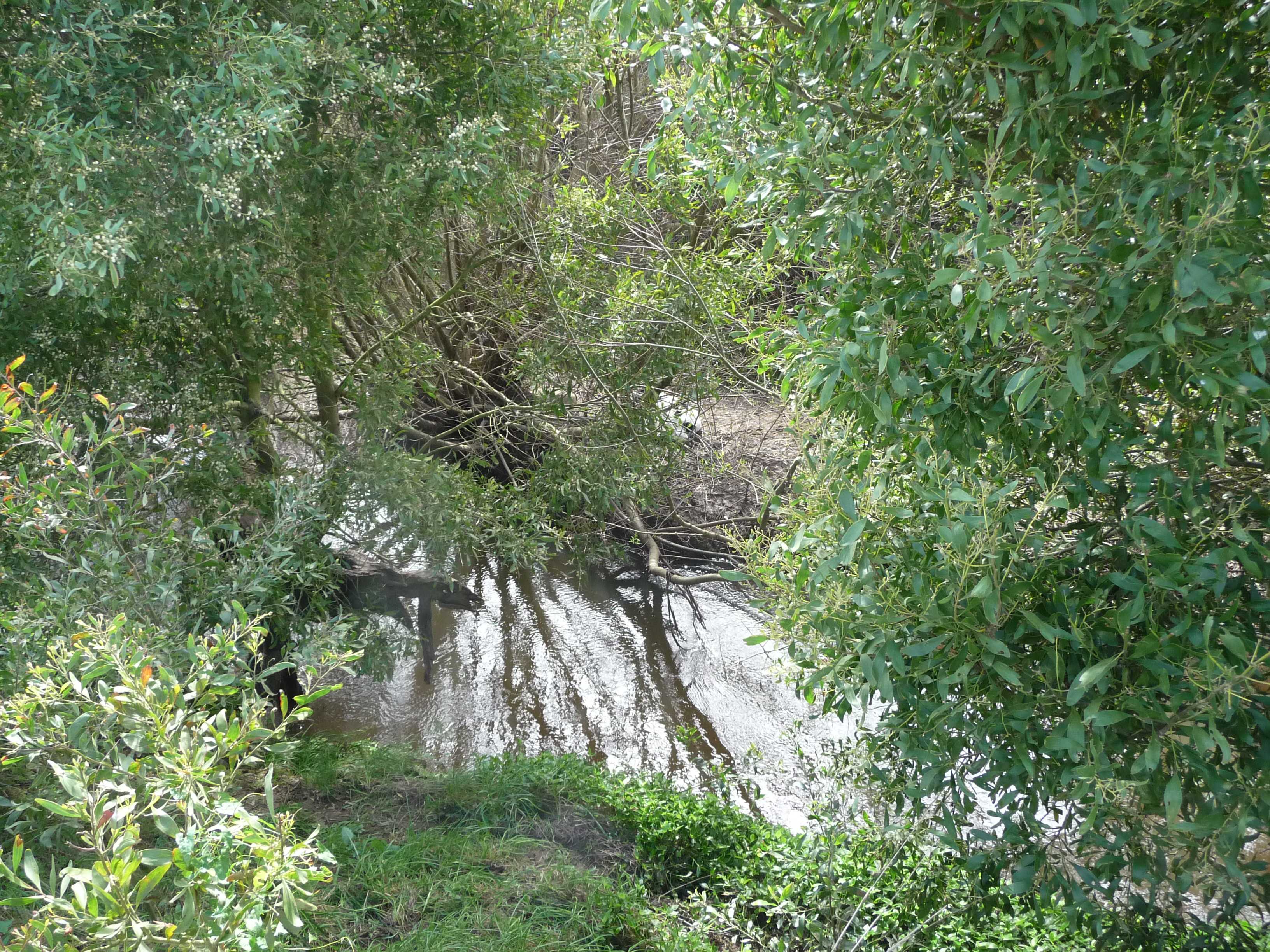
It didn’t, so we looked again. And here it was:

Spot the missing calf

Can you see the missing calf?

Can’t see it? Look here:

Spot the missing calf

Can you see him here?

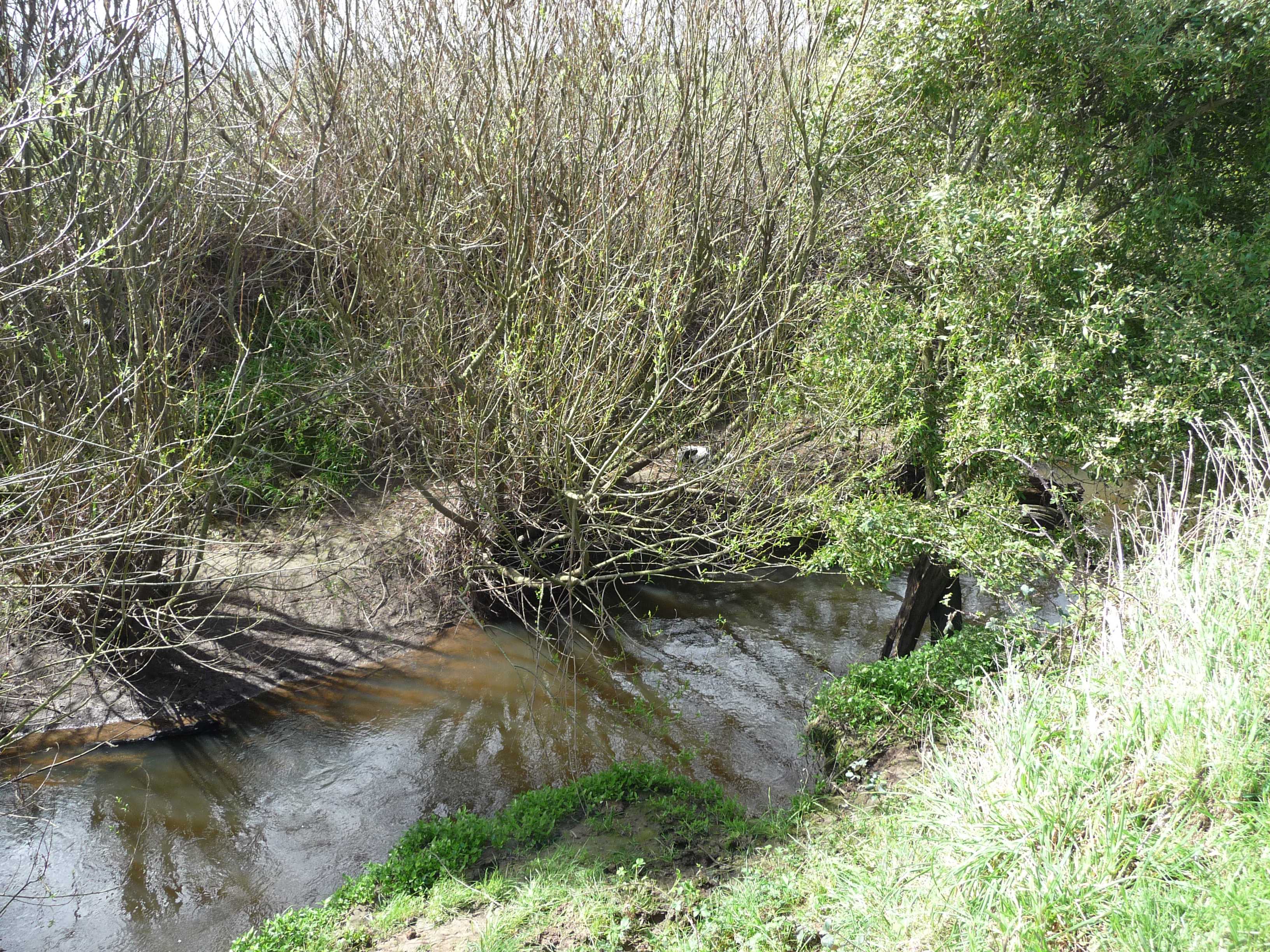
Yes, the little creature had either fallen or walked into the river down a very steep bank, got across and found a nice sunny spot for a snooze. What a great little survivor and what a relief!

Fortunately, our neighbours across the river raise our bull calves and Dave was pleased to find the calf in perfect health and rang to thank me for the express delivery. We won’t be floating calves across for you as a regular service though, Dave!

What do farmers hide from you?

Faces in the herd

Some of the girls on our team

The other day, my friend Julie emailed me a link to a story about a Kiwi farmer called Tim. Here’s the gist of it:

So convinced is he that farmers have nothing to hide that he urges people to knock on a dairy farmer’s door and ask them about their farm. “They’re welcome to call on me anytime,” he says, then adds: “As long as they come with an open mind, not with any particular axe to grind.”

Animal activists will tell you there is a dark side to dairying and then mostly follow that up with stories about calves being removed from their mothers and forced annual inseminations. It’s true. We do remove calves from their mothers and it’s also true that we hope to get cows in calf every year (although that’s not realistic – we keep dozens every year who don’t fall pregnant). But it’s not cruel.

The point of this blog is to provide a window to another Australian way of living as well as showing you what we do and why. You have a right to know your milk is ethical and safe.

Our top priorities are to look after people, animals and the land while producing the best milk possible and staying afloat. They have to be or we wouldn’t be doing it: we don’t earn nearly as much as Tim does, unfortunately. The farmgate price of milk fluctuates like crazy and in the past three years, it’s varied from 28 cents per litre to 48 cents, so Wayne and I are both working second jobs while we “renovate” the farm (which is, by the way, valued at a fraction of Tim’s).

So, if there are dairy practices you’re wondering about, please hit me with them.

Cocksfoot a tender winner in a tough paddock

Uplands Cocksfoot with red clover pasture

Uplands Cocksfoot with red clover pasture

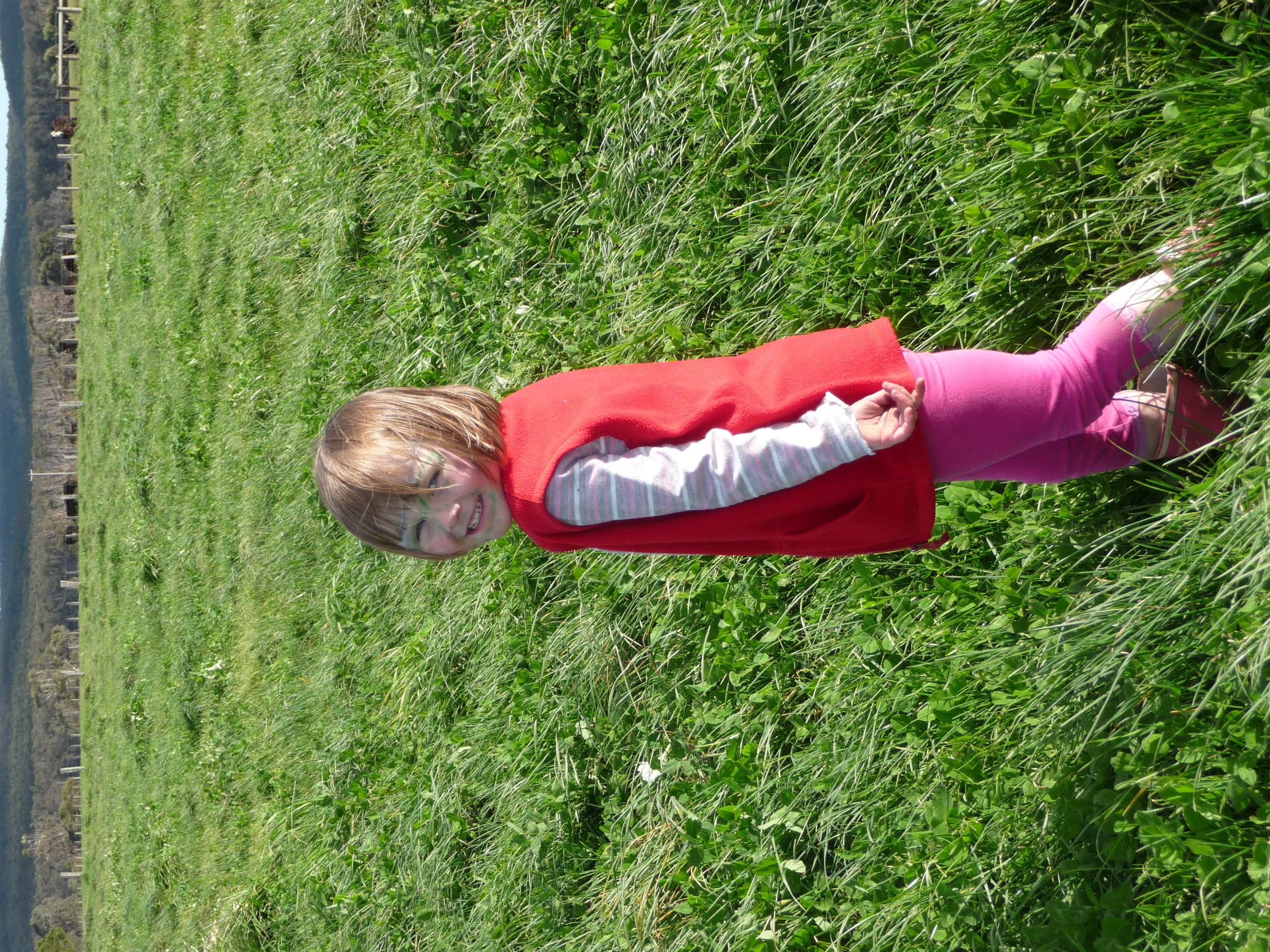
Most dairy pastures in this part of Victoria are ryegrass, whether annual, Italian or perennial. Not the one Zoe’s posing in! It’s a new variety of cocksfoot called Uplands. Planted with nitrogen-fixing clover, this so-called Spanish cocksfoot has turned the farm’s worst-performing paddocks into one of its most productive.

This north-west facing paddock has an acidic sandy-loam over clay soil type and used to be routinely skipped in grazing rotations. A crop of rape and millet failed miserably, producing a massive forest of fat hen. We ploughed that in and called it a “green manure crop” to save a little dignity, then sowed the Uplands cocksfoot and red clover.

I had been warned it would be slow to establish but began to wonder when it looked like being overwhelmed by capeweed in the first six months. In late Spring, however, this paddock took off and has not looked back! The cocksfoot is fine-leaved, very persistent and resistant to cockchafer grubs.

The cows seem to like it too, even showing a preference for the cocksfoot over the clover.

PS: Astute farmers will see it’s got a bit out of hand. I should have grazed it earlier but access was too wet until now.


Dangerous dietary advice on air gets me riled up

Listening to local radio on my way back from kindergarten this morning I was shocked to hear a naturopath talk about milk with such prejudice I felt compelled to ring in (or run the risk of crashing the car in a fit). She declared milk “completely compromised” by modern processing and even suggested that the immune systems of breastfed infants could be forever affected by their mothers’ dairy intakes. No mention of the need for calcium!

After taking her to task, the naturopath did say that hundreds of thousands drink milk every day with no ill effects. Dairy has too important a role in our nutrition to be so readily dismissed.

According to Dairy Australia:

New research shows people with self-perceived lactose intolerance may be at risk of poor bone health and higher rates of diabetes and hypertension.

The study published in the latest American Journal Clinical Nutrition examined the effects of self-perceived lactose intolerance – whether they were self-diagnosed or physician-diagnosed – on calcium intake and risk of specific health problems related to reduced calcium intakes[i].

The US researchers surveyed 3452 adults aged 19-70 and found participants who identified themselves as lactose intolerant had significantly lower calcium intakes than those who did not, particularly from lower intakes of dairy foods such as milk, cheese and yogurt.

Participants with self-perceived lactose intolerance were also significantly more likely to have been diagnosed with hypertension and diabetes.

Dairy Australia dietitian Glenys Zucco said people sometimes avoid milk and other dairy products due to concerns about lactose intolerance, but eliminating these nutrient-rich foods could impact diet and health.

“Dairy is a readily accessible source of calcium, and nine other essential nutrients such as magnesium, potassium and vitamin A. Inadequate consumption of these nutrients may increase the risk for chronic health problems,” she said.


But people who are concerned about lactose intolerance may still be able to enjoy dairy foods.


In 2010 a panel of experts was assembled by the National Institutes of Health (NIH) to review the available scientific evidence about lactose intolerance and health after experts expressed concern people were self-diagnosing lactose intolerance and eliminating nutrient-rich foods such as dairy from their diet.


A consensus paper released by the group advised that in most cases eliminating dairy foods may be unnecessary.[ii]


‘Even in persons with diagnosed lactose intolerance, small amounts of milk, yogurt, hard cheeses, and reduced-lactose foods may be effective approaches to managing the condition,’ the paper reported.

Ms Zucco said hard cheeses (like cheddar and parmesan) contained virtually no lactose, making them generally well tolerated.

“Yogurt is also usually well digested due to the natural bacterial cultures it contains – which help to digest lactose,” she said.

“Milk can also be tolerated well – with a little know how.  Drinking milk in small amounts throughout the day, as well as enjoying it with meals, can reduce intolerance symptoms.

“And if lactose tolerance is particularly low, there are a number of lactose-free cow’s milks available in supermarkets.”


[i] Nicklas T, et al. 2011, ‘Self-perceived lactose intolerance results in lower intakes of calcium and dairy foods and is associated with hypertension and diabetes in adults,’ Am J Clin Nutr doi: 10.3945/​ajcn.110.009860

[ii] NATIONAL INSTITUTES OF HEALTH CONSENSUS DEVELOPMENT CONFERENCE STATEMENT NIH Consensus Development Conference: Lactose Intolerance and Health February 22–24, 2010

The life of a dairy cow: celebrating Beth

Beth was one of the herd’s matriachs and one of our favourite cows, too. We’d feared, however, that this would be Beth’s last season. She was finding it hard to put on weight, despite being wormed, vaccinated, treated with antibiotics and rested. Aged 11, Beth was not the oldest in the herd but certainly qualified as one of our senior citizens.

What made Beth stand out was her totally unflappable demeanour. She would not be hurried, was always one of the last to leave the paddock and was often paired with youngsters unfamiliar to the dairy as a calming influence.

When she died today, it was difficult to explain to little Zoe. “But Beth is always here,” she said. With so many of Beth’s daughters, grand-daughters and great grand-daughters in the herd, perhaps she’s right.

Beautiful birth

Cow 506 beginning to calve

Cow 506 beginning to calve at 11.50am

By the time I took this photo at 11.50 yesterday, I’d been watching over cow 506 for an hour or so. She’d been showing all the classic signs of a cow about to calve: restlessness, getting up and down. It was a relief to see her labour had progressed. I came back again an hour later to make sure everything was okay and look what I found! Licking her little one with gusto, she looked very comfortable.

Cow 506 licks her newborn at 1pm

Cow 506 licks her newborn at 1pm

Of course, it’s not always this simple. Sometimes the calf is too big, sometimes breech, sometimes the cow herself has a problem. With 340 cows set to calve over the next few months, it’s an anxious time for us.

To make it easier to keep an eye on our ladies, we do a weekly sort-out, drafting cows that are about three weeks from calving out from the rest so they can get extra special TLC in our calving paddock. This paddock is small and close to the house and dairy. We check it three times a day and, if any of the cows look like they’re about to calve, we hop up during the night to check them as well. Some of the signs are a swollen vulva, mucus, tight udder and unusual behaviour. The reality is though that, despite breeding programs meddling with the cow’s biology for thousands of years, almost all of them calve quite easily.

I hate comparing women with cows but, at almost 36 weeks myself, I can’t help wondering why it seems so much more complicated for us!

What is a factory farm?

Zoe with a seed drill from the 50s

Zoe with a seed drill from the 50s

When I was a teenager in the early 1980s, we bought the next-door neighbour’s farm and the one across the road to milk around 180 cows. At the time, it was an impressive herd.

Today, that’s quite small. The average Gippsland dairy farm now milks 265 cows on 130 hectares.

Turns out our farm is almost perfectly statistically average! Like many of our neighbours, we have a full-time employee and engage relief milkers to manage the workload. We no longer cultivate our own paddocks or cut our own hay because the job has just got too big. Instead, a specialist contractor with specialised, ultra-efficient machinery does it for us. Our very average farm of today would have been considered huge back then. Maybe even a factory farm.

Even so, the well-being of our animals has not diminished over time. We care just as much as we ever did and love of the land, the outdoors and our cows is why we farm. And now, thanks to the work of researchers, we are better equipped to keep them fit and healthy.

I don’t know what you’d classify as a factory farm these days but the low price of milk certainly puts us all under pressure to get bigger (and therefore better able to gain more efficiencies). Here in Australia, where cows are “free range” rather than housed and feed-lotted, big farms can be just as animal and environmentally-friendly as average farms like ours on one condition: the people who operate them still care.

The farmer is dead, long live the farmer: succession is rarely so easy

Dad with the dairy under construction

Dad missed out on his dairy

The royal wedding got me thinking about succession. Nobody maps it out more clearly than the Windsors. From the moment they are born, everyone knows exactly where they stand. Not so for many Australian farming families, including ours.

Dad and I loved each other but there just wasn’t enough room for both of us on the farm: financially, emotionally or in terms of management style. Although immensely proud of his university-trained daughter, I think he felt the farm was no place for a “girl” and, besides, this was his domain.

As Dad aged and grew more tired, it was great to have his daughter on hand to milk, feed calves, fix fences, drive tractors and so on but the subject of succession planning was taboo. He would tell anyone who cared to listen that he wanted to be “found dead in the dairy at 97”.

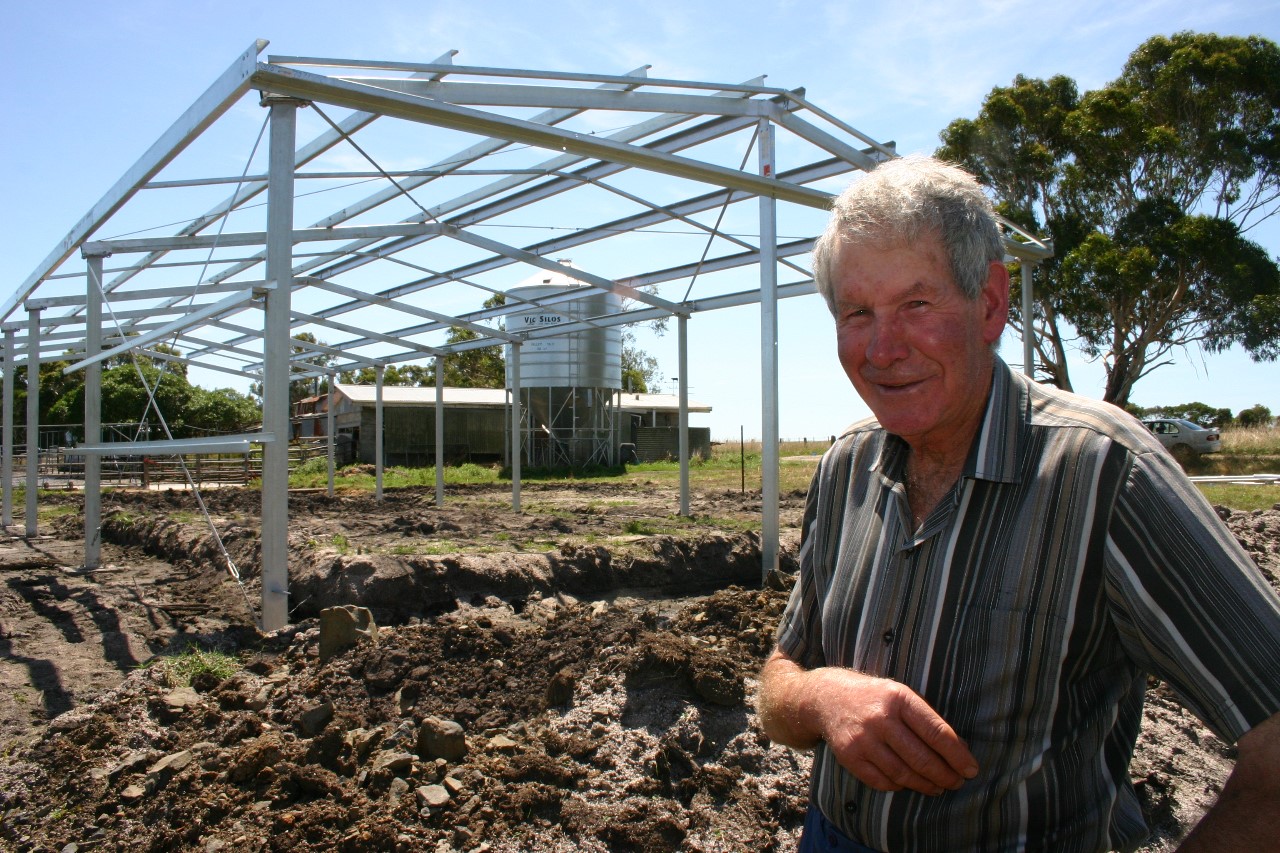
The dairy itself ended up being a rather poignant reminder of Dad’s determination and, ultimately, frustration. The dairy farmer who prided himself on always milking alone built a new 16-aside double-up herringbone in 2005/06. Sadly, he only milked in it a few times. Prostate cancer claimed Dad, aged “just” 77, in December 2006.

His last year was difficult. Dad did not want to admit defeat, so struggled on farming for many months despite being incredibly weak. Finally, the tipping point came when he fell off a tractor and had to be rushed into hospital unconscious.

In the weeks leading up to Dad’s death, the will was able to be discussed. He had remarried only five years earlier and the assumption was made that his wife would sell the farm. I was desperate to keep the farm and it became a bitter battle. In the last two or three weeks before his death, Dad decided that if he did die, I should be given the chance to pay her out and try my hand at farming.

It was almost too late and the indescribable stress was unfair on everyone. Tragically, this scenario is not unique and gets even more complicated when siblings are involved. Don’t let it happen to your family. Get everyone involved early and take advantage of all the resources and expert advice you can find.

Would love to hear how your family has approached this sometimes tricky topic.

Where there’s mud, there’s mastitis

The track with one fence moved in and one more to do

The track with one fence moved in and one more to do

“Where there’s mud, there’s money,” is the old farming adage but I’m a bit of a contrarian. Where there’s too much mud, there’s also lameness and mastitis.

Muddy tracks to and from the dairy hit cows with a double whammy: they soften the hoof and then coat it with the perfect breeding ground for nasty bugs. It’s heart-breaking to see a cow hobble along, so we rest lame cows and, if their hoofs become infected, treat them with antibiotics.

Mud also contributes to mastitis, a painful infection that afflicts cows and women alike. Dairy farmers have been tackling mastitis for decades from practically every angle. We can choose sires based on the resistance of their daughters to mastitis, have learned that being quiet around cows makes them less prone to infection and developed new detection and treatment techniques. We know exactly how much mastitis is in the herd: the milk processors give us daily test results as part of their stringent milk quality standards and if our milk shows evidence of too much mastitis, we are paid less.

Dairy Australia’s web site offers some great tips on combatting both lameness and mastitis. One of the recommendations is to get cow tracks in order.

Ours aren’t bad but they could be better. One 400 metre section in particular has the fences set too far back from the gravel of the track and some cows like to walk along the sides, which quickly turn to slosh. Today, we’re moving the fences in. It’s a pretty simple job that should save us a lot of grief when winter comes.