Just a handful of snaps from today:

New day and a new calf

View across the valley

The group of smaller calves enjoys breakfast
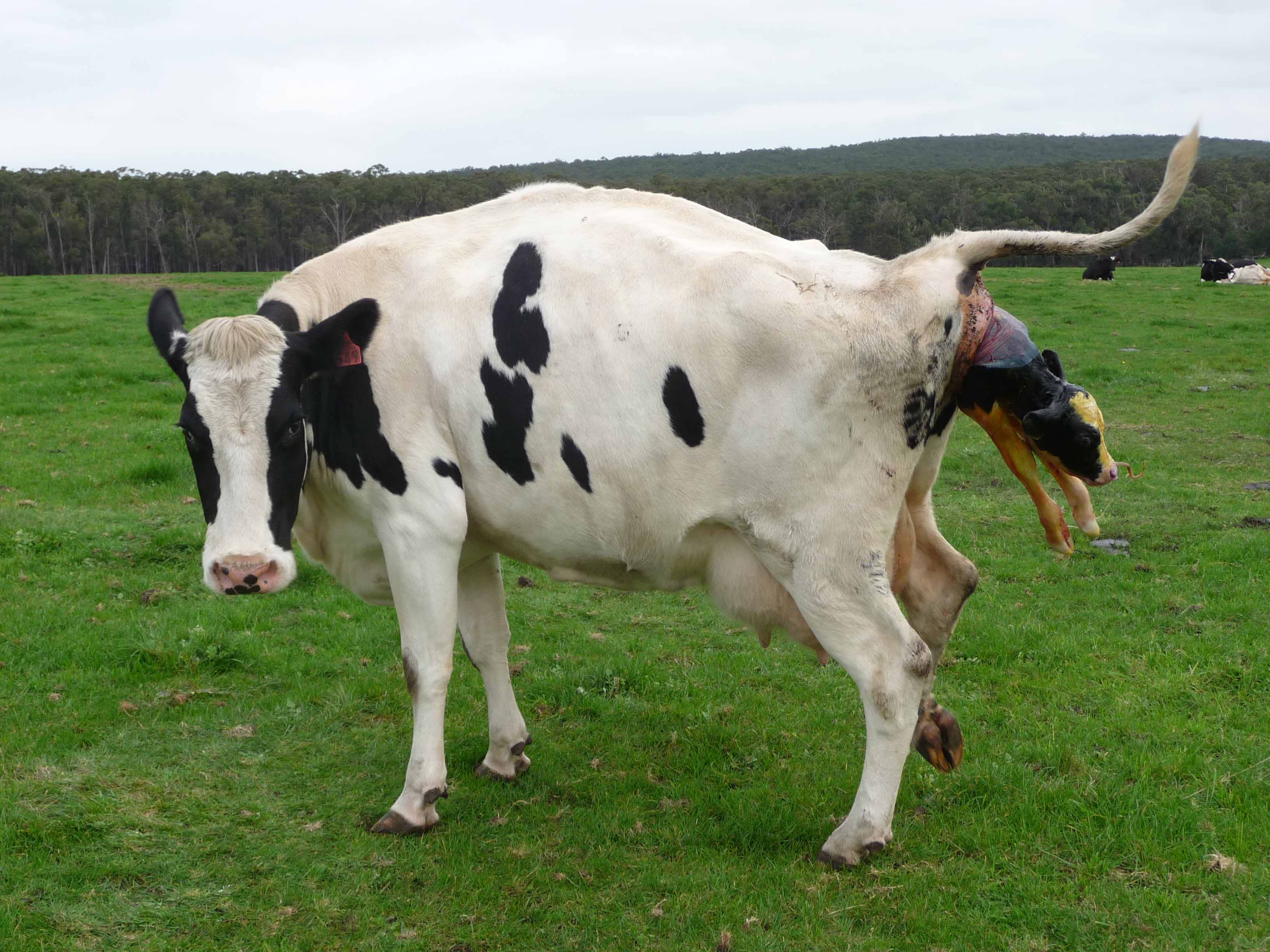
Calf takes her first breaths

Nothing compares to watching new life appear
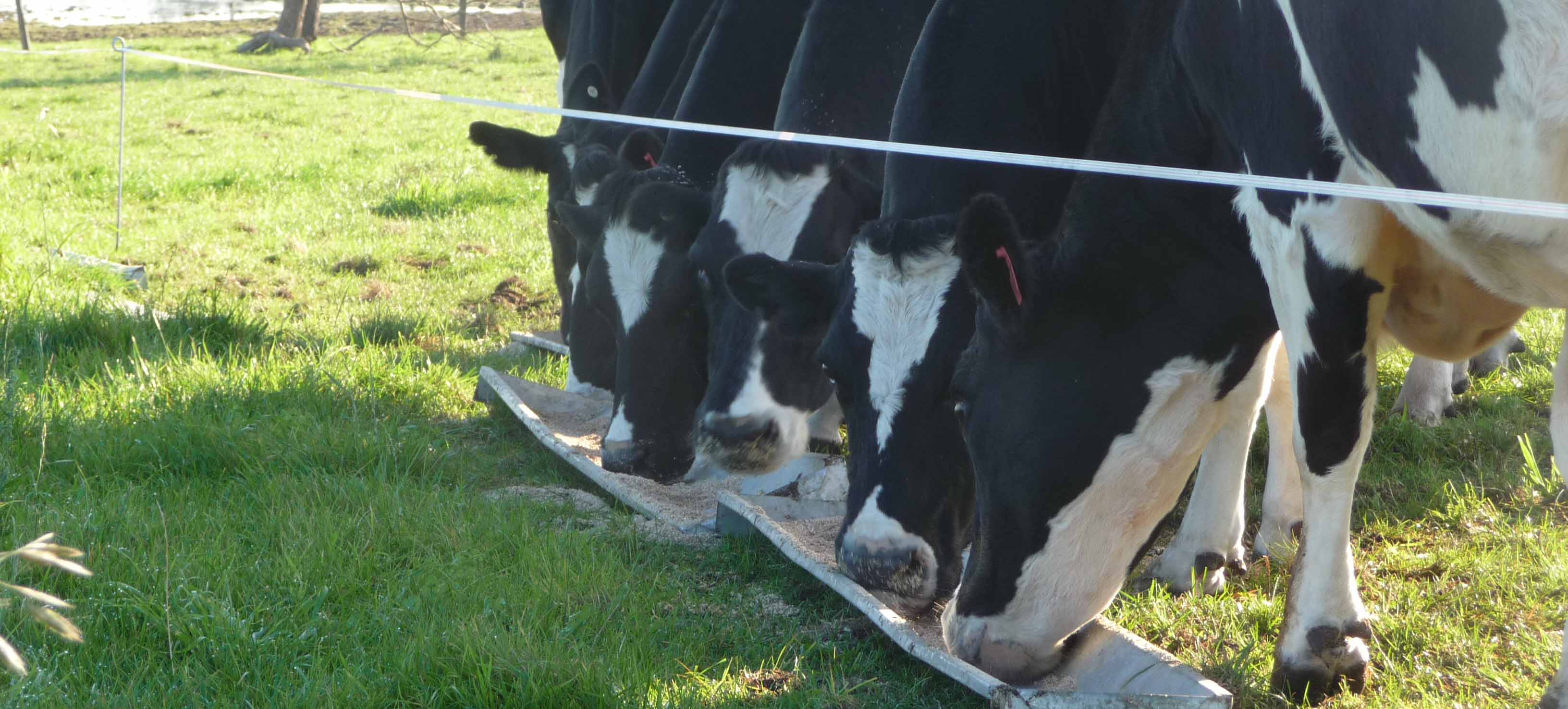
Expectant cows gobble up their grain
Just a handful of snaps from today:
New day and a new calf
View across the valley
The group of smaller calves enjoys breakfast
Calf takes her first breaths
Nothing compares to watching new life appear
Expectant cows gobble up their grain
Cow 506 beginning to calve at 11.50am
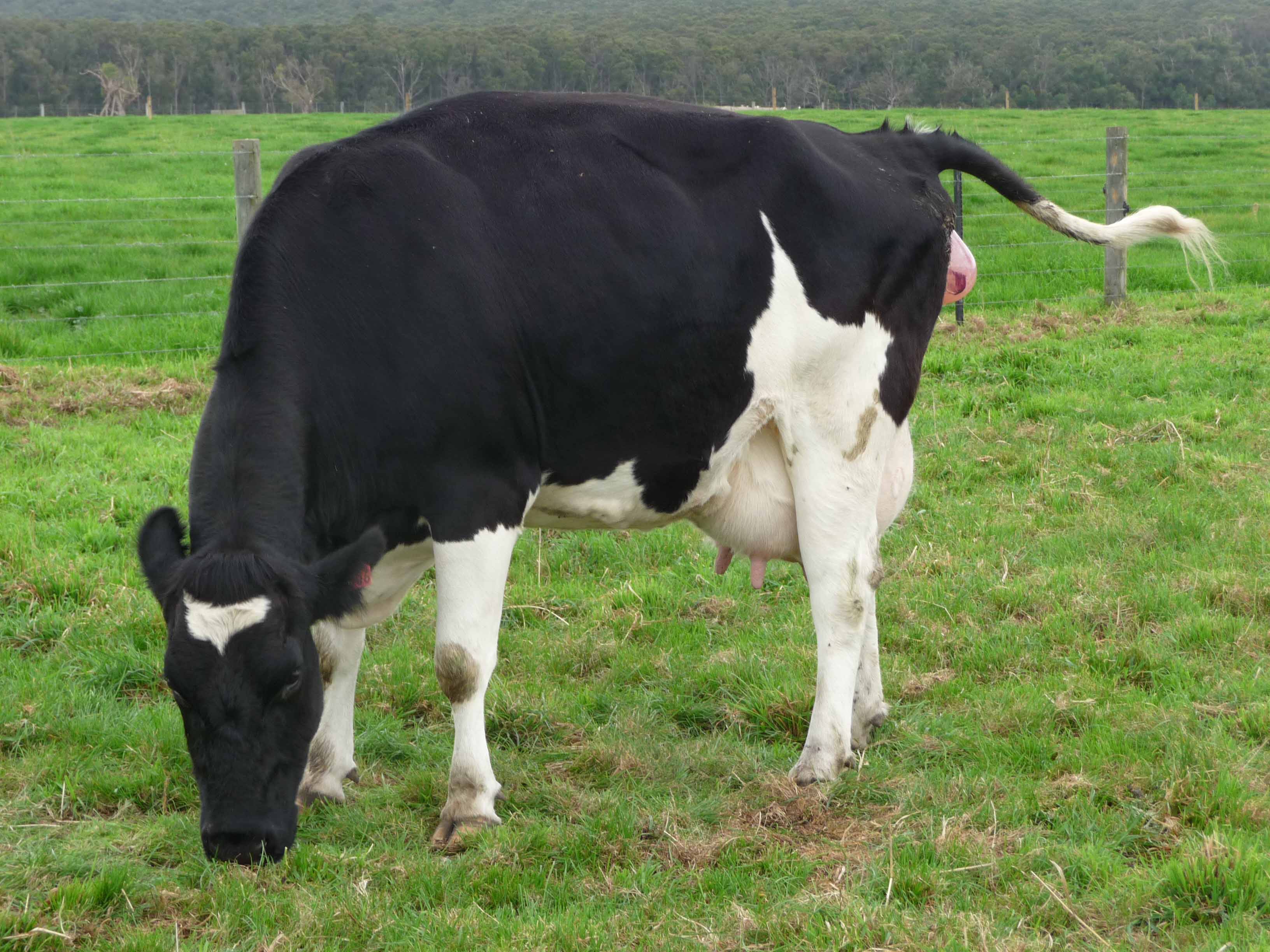
By the time I took this photo at 11.50 yesterday, I’d been watching over cow 506 for an hour or so. She’d been showing all the classic signs of a cow about to calve: restlessness, getting up and down. It was a relief to see her labour had progressed. I came back again an hour later to make sure everything was okay and look what I found! Licking her little one with gusto, she looked very comfortable.

Cow 506 licks her newborn at 1pm
Of course, it’s not always this simple. Sometimes the calf is too big, sometimes breech, sometimes the cow herself has a problem. With 340 cows set to calve over the next few months, it’s an anxious time for us.
To make it easier to keep an eye on our ladies, we do a weekly sort-out, drafting cows that are about three weeks from calving out from the rest so they can get extra special TLC in our calving paddock. This paddock is small and close to the house and dairy. We check it three times a day and, if any of the cows look like they’re about to calve, we hop up during the night to check them as well. Some of the signs are a swollen vulva, mucus, tight udder and unusual behaviour. The reality is though that, despite breeding programs meddling with the cow’s biology for thousands of years, almost all of them calve quite easily.
I hate comparing women with cows but, at almost 36 weeks myself, I can’t help wondering why it seems so much more complicated for us!
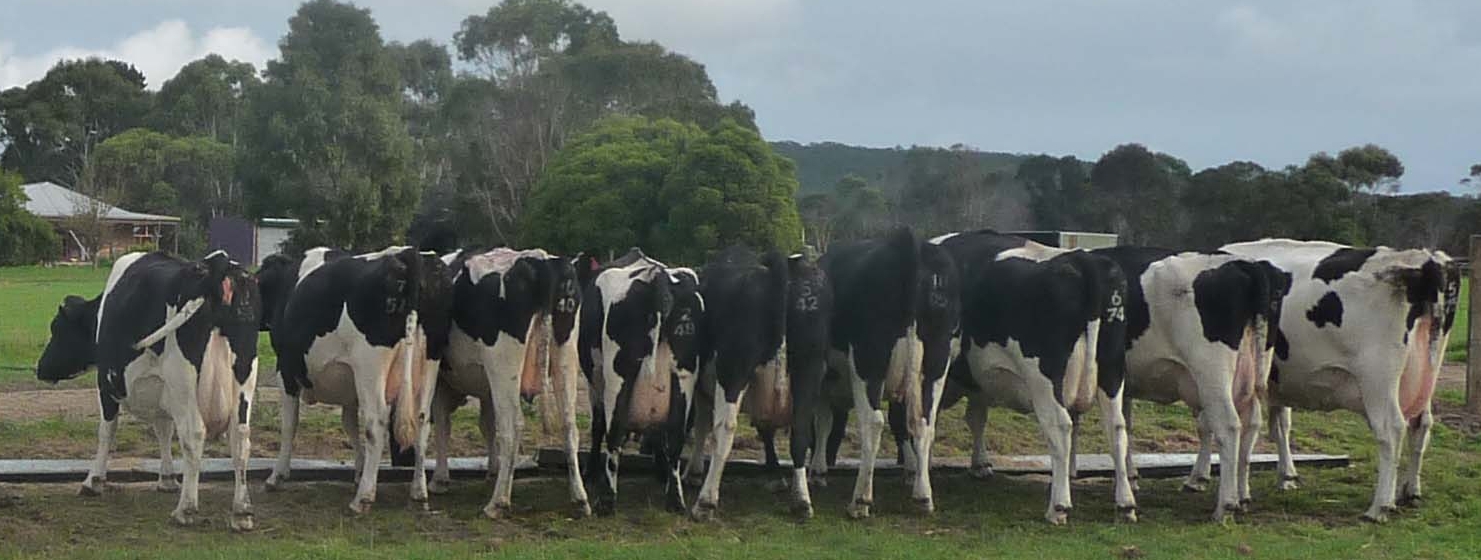
Which is the mother cow?
This morning, we found a new heifer calf curled up in a corner of the calving paddock. She’d been licked clean but judging by her tucked up sides, she hadn’t had a drink. Why not? Her mum was nowhere to be seen. This is not uncommon – cows often leave their calves in remote spots while they go off to have a feed or a drink, so we got the calf up and tried to attract the mother cow’s attention with our best imitation of plaintive-sounding calf noises (not “moo” but something like “mmmmbeaaaaargh”).
Two aunties immediately rushed over. We call cows that haven’t calved but would love to steal someone else’s poddy an “aunty” and they can be exceedingly convincing. Not this time. They still had bulging bellies and no sign that anything had been recently stretched (IYKWIM). The mother was clearly not particularly maternal and was still waiting for her milk to come in properly.
The only thing to do was to organise a line-up. Cows due to calve within the next three weeks get a daily ration of grain that is half what they’ll get when they rejoin the herd in the dairy, so we spread their breakfast out and did an inspection. Who do you think it was?
At 5pm, Zoe and I checked the springers (cows soon to calve). Cow 535, a very strong cow in the prime of her life looked agitated. Off by herself in a corner of the paddock, 535 had her tail up and could barely decide whether to pace around or sit down. All of this is normal behaviour for a cow about to calve but I wasn’t sure. Nothing I could really put my finger on, just a sixth sense something was wrong.
Having been poked and prodded at my own 35-week exam today, perhaps I was a little paranoid?
After dinner, Zoe and I ventured out in the ute with the heater roaring. Where was 535? Still off in the far corner of the paddock, still pacing nervously, still no membranes. I’d expected some progress after two hours but I didn’t think it was a smart move to try assisting the labour myself and Wayne was in the city so we called Pete the vet.
Mother guilt kicked in. My cheerful little assistant was very keen to be involved but even as we yarded 535 it was already past Zoe’s bedtime. She’ll be tired tomorrow. On the other hand, I told myself, this type of experience helps to build resilience and she was learning lessons about taking responsibility for animals that you just can’t get in books.
It turned out that 535’s calf was trying to come out backwards but had not made it to the birth canal and her mum’s body was not getting a clear signal to push. If we hadn’t called Pete, both cow and calf might have been dead by the morning. Pete delivered the long and lanky heifer calf alive, then massaged her abdomen to help clear her lungs. We moved the pair to a dry, sheltered spot where 535 could do the all-important job of licking her calf dry and encouraging her to stand and drink. Can’t wait to see them in the morning.
Zoe was delighted and rang her Papa to relay the whole experience before falling asleep almost the moment her head touched the pillow.
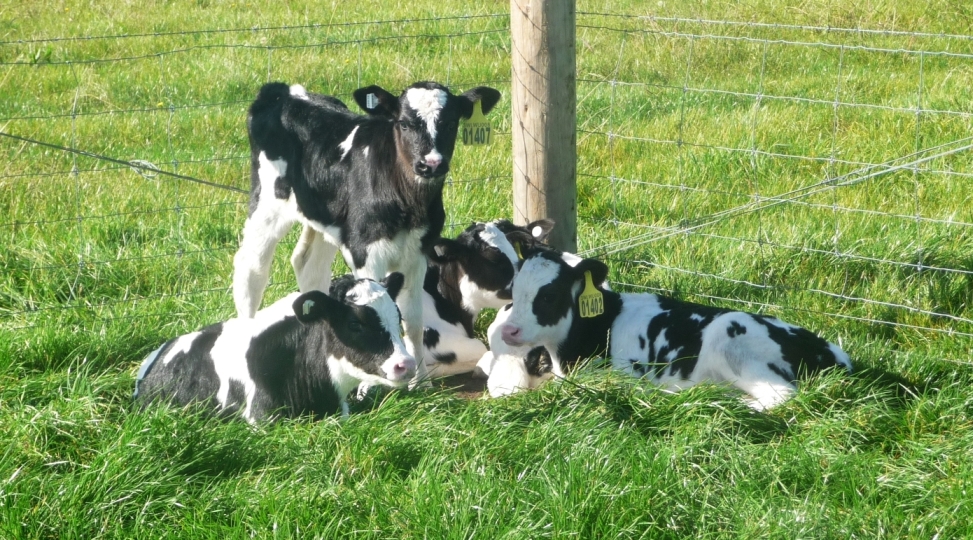
Ella and Bella, our premmie calves, soaking up the sun with friends
It’s been a normal day for a calving season but I’m just too tired to put a proper post together. Instead, here’s an update with some good news:
After feeding all the calves, mucking out stalls, sorting out cows to go in the “springer’s” (cows that are less than 3 weeks away from calving) paddock, fixing fences and a vital calf transport trailer, pouncing on sprightly newborns and doing all the normal farm stuff, the three of us are jiggered.

Laura the little survivor calf sleeps after a BIG feed
The good news is that our first batch of premmie twins – Ella and Bella – are absolutely thriving. The bad news is that we’ve now had four sets of twins out of 10 cows.
At first blush, you’d think I’d be overjoyed but lots of twins is not a cause for celebration on a dairy farm. Twins take their toll on the mother cow, who is more likely to have trouble calving, more likely to be sick afterwards and all this also affects her production and ability to get back in calf next season. The calves are also more likely to be unwell because they tend to be smaller and suffer more difficult births. The female twin of a male/female pair is nearly certain to be a freemartin, unable to breed.
One of our favourite cows, 771, gave birth to a small but gutsy heifer this morning and then we discovered another set of hoofs coming out. Sadly, Wayne had to give 771 help and, despite us acting immediately, the second little girl was stillborn. As I held the first little calf, Laura, while she had her first drink, I couldn’t help but feel a lump in my throat as I heard Wayne carry her dead twin away.
I wonder what’s causing this? I hope it’s just a run of bad luck but other farmers have reported increased twinning on their farms too this season. The research suggests that lots of great quality feed at breeding time might be the cause and, yes, nine months ago, the cows did have a wonderful diet. Maybe that’s the reason but it does leave a farmer scratching her head and crossing her fingers (if it’s possible to do both at once!).

New mums deserve TLC courtesy of our researchers
There’s a real art and a science to looking after cows in the lead-up to, and just after, calving. As you can imagine, cows need an incredible amount of calcium to both grow their calves and to produce milk.
You’d think that adding extra calcium in their diets would be a good idea, wouldn’t you? Well, actually vets tell us that adding calcium is one of the worst things you can do to a cow that’s about to calve. It makes her much more likely to suffer from a life-threatening disorder called “milk fever”, where the body cannot produce enough calcium to power her muscles (including the heart).
Instead, we must choose feeds that encourage the cow’s body to draw calcium from her bones and that will help her adjust to the diet she’ll receive as a member of the milking herd. If we don’t get the feeding regime right during the two to three weeks before calving, cows are more likely to have trouble calving, develop lameness, lose weight, produce less milk and get sick with mastitis.
Ironically, too much grass at this time also spells big trouble. It generally has a high dietary cation anion difference (DCAD), which doesn’t help get precious calcium into the bloodstream. That’s why cows in our calving paddock have access to short but clean grass, anion salts in their drinking water, cereal hay and half the ration of grain they’ll get in the dairy. They’re too precious to treat with any less TLC.
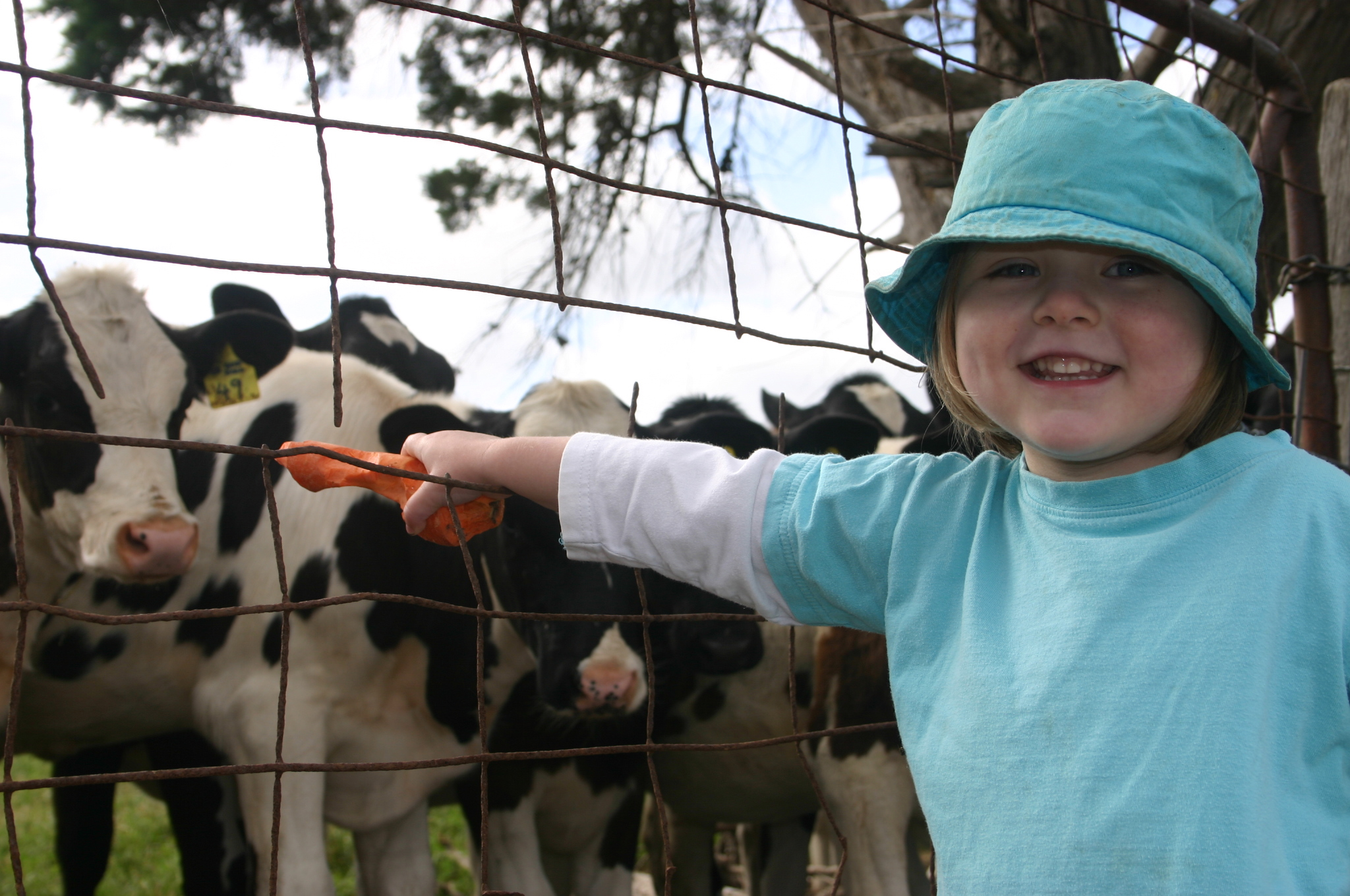
The calves are offered a special treat
This has fundamentally changed the farm, right down to the cycle of life. Instead of planning the calving season to begin in mid-July, we’ve decided to begin on April 20 this year. We’ve been surprised to see four premature calves (including twins Ella and Bella) born already – best laid plans often come undone at the hands of mother nature.
The reasoning is that we want to match the cows’ need for grass with the time when it grows best. Naturally, cows need the most energy when they produce the most milk, so we’re hoping to hit peak production in July/August/September, which is the period when the farm’s pastures are most productive under the new conditions.
The cows will have their two-month annual holiday from mid-February until calving begins in April – the time when grass is hardest to grow and when the cows’ energy needs are lessened. It will take time (two or three years) for us to get the whole herd into this pattern but it will be worth it. There will be less pressure on all of us.
Zoe and I were wrapt to find our two little premmies made it through the night. And they were hungry! We ended up feeding them each about three litres of milk over four feeds duringthe day. Ella’s breathing is still not right but we’re a lot more hopeful for her now.

Bella and Ella with Zoe on day three
Yesterday, I spotted a tiny calf next to its mother and went to investigate. It looked too tiny, even from a distance. On my way across the paddock, I nearly missed another black and white bundle almost perfectly hidden in the grass. A second calf! Unlicked and still with a wet cord, this calf had been abandoned and she was tiny, too. About 9kg instead of the 40kg we’d normally expect for a healthy friesian newborn.
It turned out that she was the premmie sister of the other equally as small but far stronger heifer (female calf) who’d followed her mother. The cow, who’s one of the youngest in the herd, showed little interest in either of the twins and both were in urgent need of some TLC.
It’s critical that calves get a good feed of colostrum in their first 24 hours of life. This milk, which is only produced by newly-calved cows for a few days, is incredibly rich and full of antibodies. Researchers have found colostrum consumption this early leads to marked differences in the health of cows over their lifetimes!
We brought the twins – named Ella and Bella by Zoe – back to the shed, sat them in the sun on a thick bed of fresh sawdust, dipped their cords in a mix of iodine and glycerine to prevent infection and gave them both a feed. I am hopeful for the stronger of the two, Bella, but the weakest little one, Ella, does not suckle well (never a good sign) and her breathing is not clear, so she’s had a shot of antibiotics to ward off pneumonia and give her immune system a fighting chance. We fed them three more times during the day and both seemed a little better. Fingers crossed.
 The Milk Maid Marian