A day in the life of an Australian dairy farming family

I kept a time log yesterday. Here’s how our busy but not unusual day went.

5.00am Wayne hops on the quad bike to round up the cows and slowly and quietly bring them to the dairy

5.45am Milking starts

6.30am Marian hits her desk to catch up on paperwork before Zoe wakes and checks the online forecast. All three computer models agree there’s a little rain coming tomorrow. Better get the nitrogen onto those paddocks we just grazed early tomorrow morning!

8.15am Milking’s finished and the cleaning begins

8.30am Zoe and Marian shift the effluent irrigator, fill the pump with petrol and get it going.

Zoe with effluent irrigator

Time to shift the irrigator

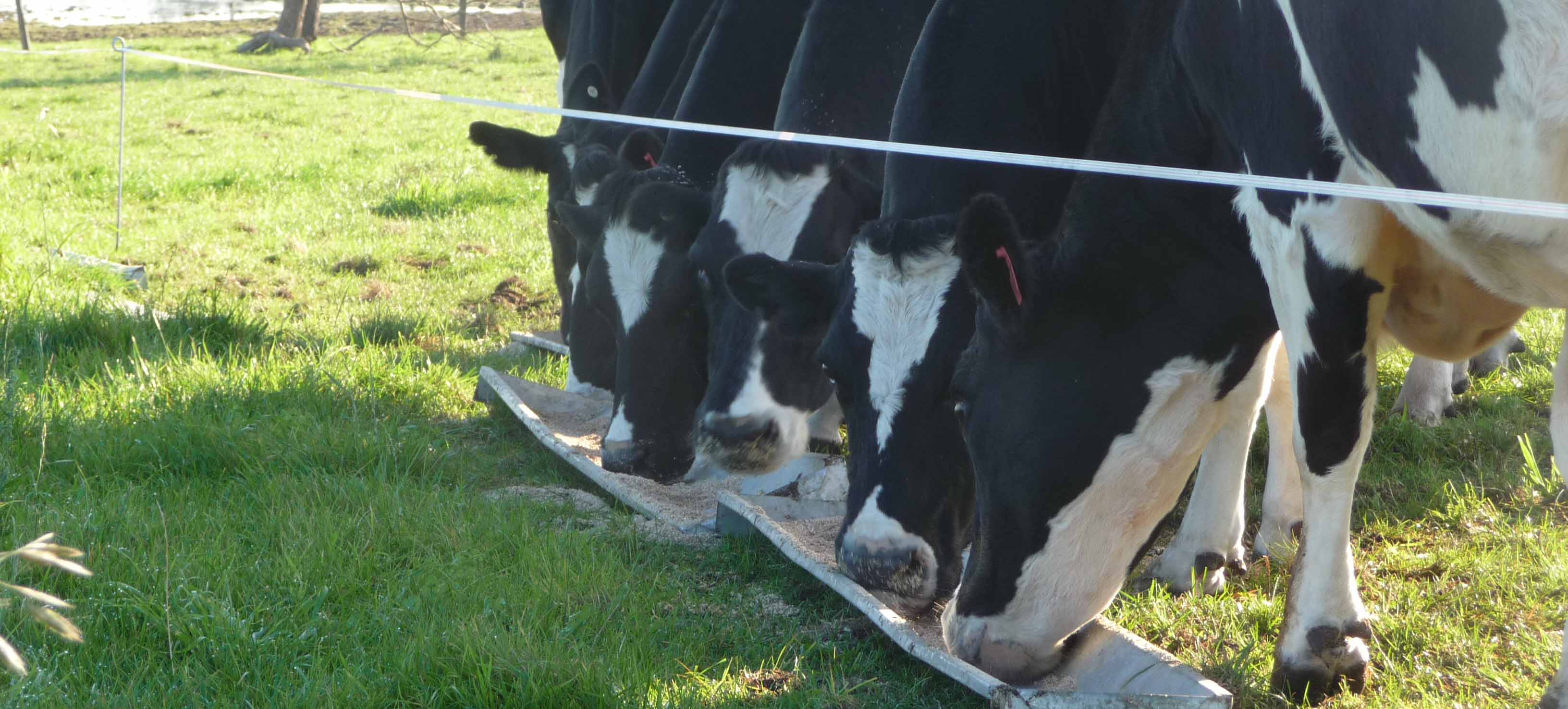
9.00am Marian and Zoe arrive on the Bobcat to give Papa a kiss and cuddle before we head off to feed the springers grain and anionic salts. The new calf spotted being born last night is a baby bull, who will be reared by one of our neighbours. We bring him and his mother back to the shed.

Anionic salts

Anionic salts (Zoe pic)

9.30am The milking machines, the yards and the vat room are spotless.

9.40am The three of us walk a couple of cows across the road to start their annual two-month holiday before they calve.

Cows going on holiday

Cows going on holiday

9.45am Wayne feeds three rolls of silage to the milkers

10.10am Zoe and Marian bring back two cows from the holiday paddock to join the springers in the TLC paddock.

10.45am Zoe and Marian refill the effluent pump and set it off again

Refuel Pump

Refuel pump again! (Zoe pic)

10.55am We all meet up again to feed the youngest calves and muck out pens. Discover one is sick and Wayne heads off to town to get treatment for her and refill the jerry cans.

11.30am Zoe and Marian are starving. Lunch time!

12.50pm Treat the sick calf and muck out more pens while Wayne welds up a broken gate in the dairy

1.20 pm Wayne’s off to feed silage to the dry cows, calves and heifers. Zoe and Marian take a look at the heifers to see if any should join the springers. We decide to do a big sort out in one to two weeks.

1.40 pm Refuel the effluent pump and get it running again

1.50 pm Load up 10 buckets of grain to feed to the youngest of the one-year-old calves. They are very happy to see us!

Feeding Calves Grain

Grain for calves (Zoe pic credit)

2.30 pm Check a new pasture on the way back
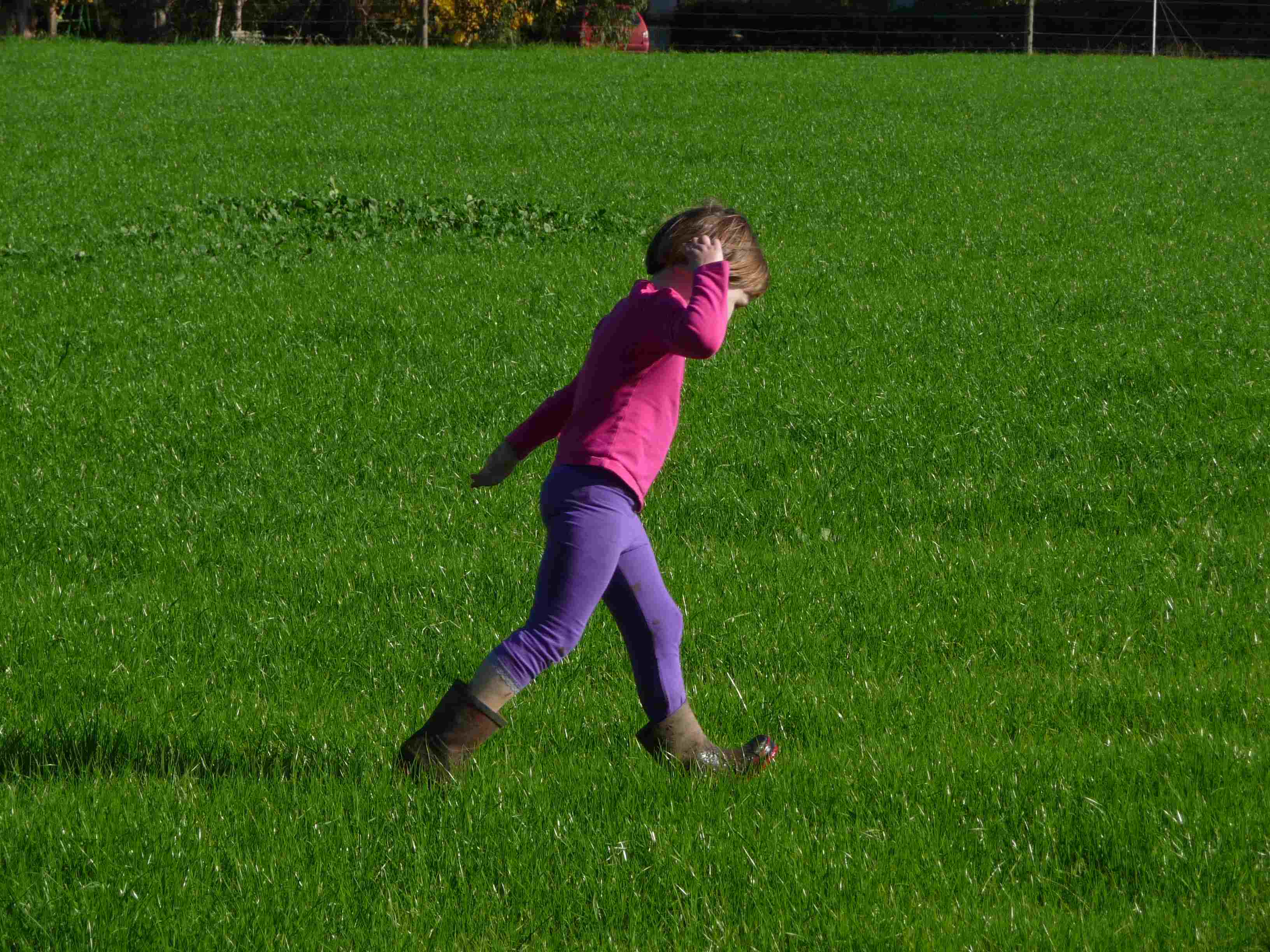
Zoe checks new pasture

Check new pasture

2.40 pm Quick snack and conflab with Wayne. 15 minutes later, we go off to round up while he feeds our maremmas, Charlie and Lola, and takes a bit of a break before milking.
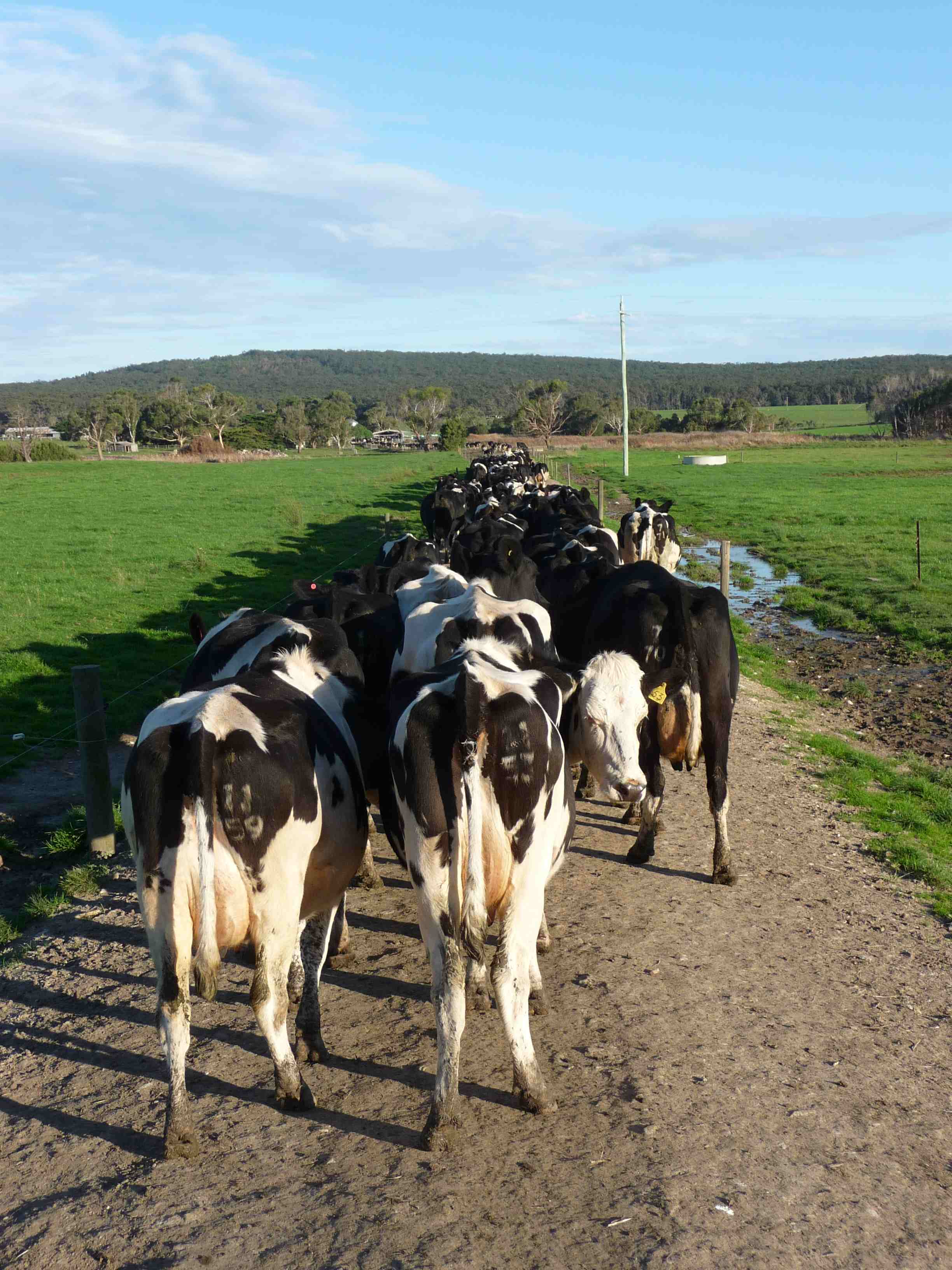
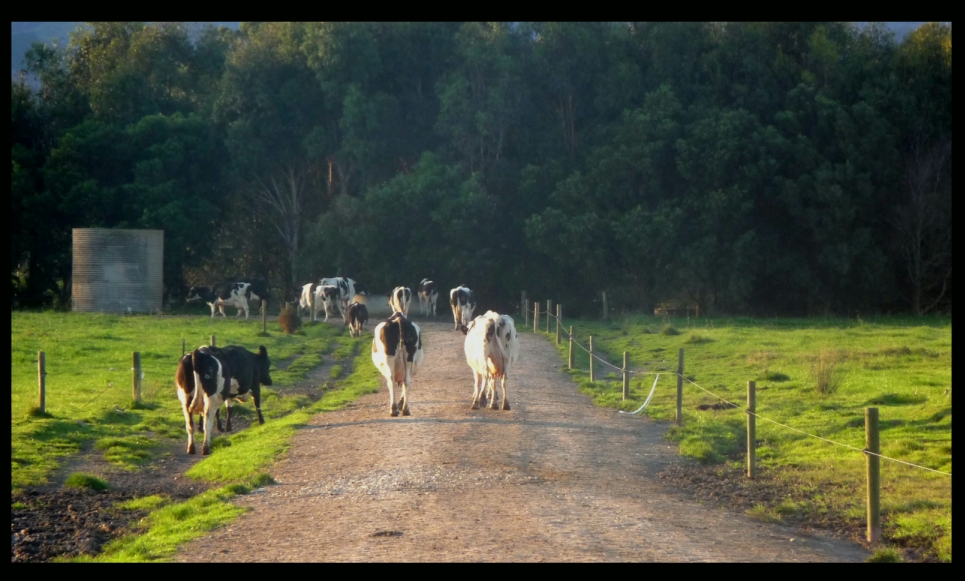
Cows on the track

Rounding up

4.10 pm Finally get all the cows into the yard – Wayne’s already got the first 32 cows milked. The cows were in one of the furthermost paddocks from the dairy, we had to set up paddocks along the way and deal with a broken fence. Also discovered a major water leak 😦

4.20 pm Equipped with tools, start prodding around in the mud.
Zoe’s taking pics now while Mama makes a mess.
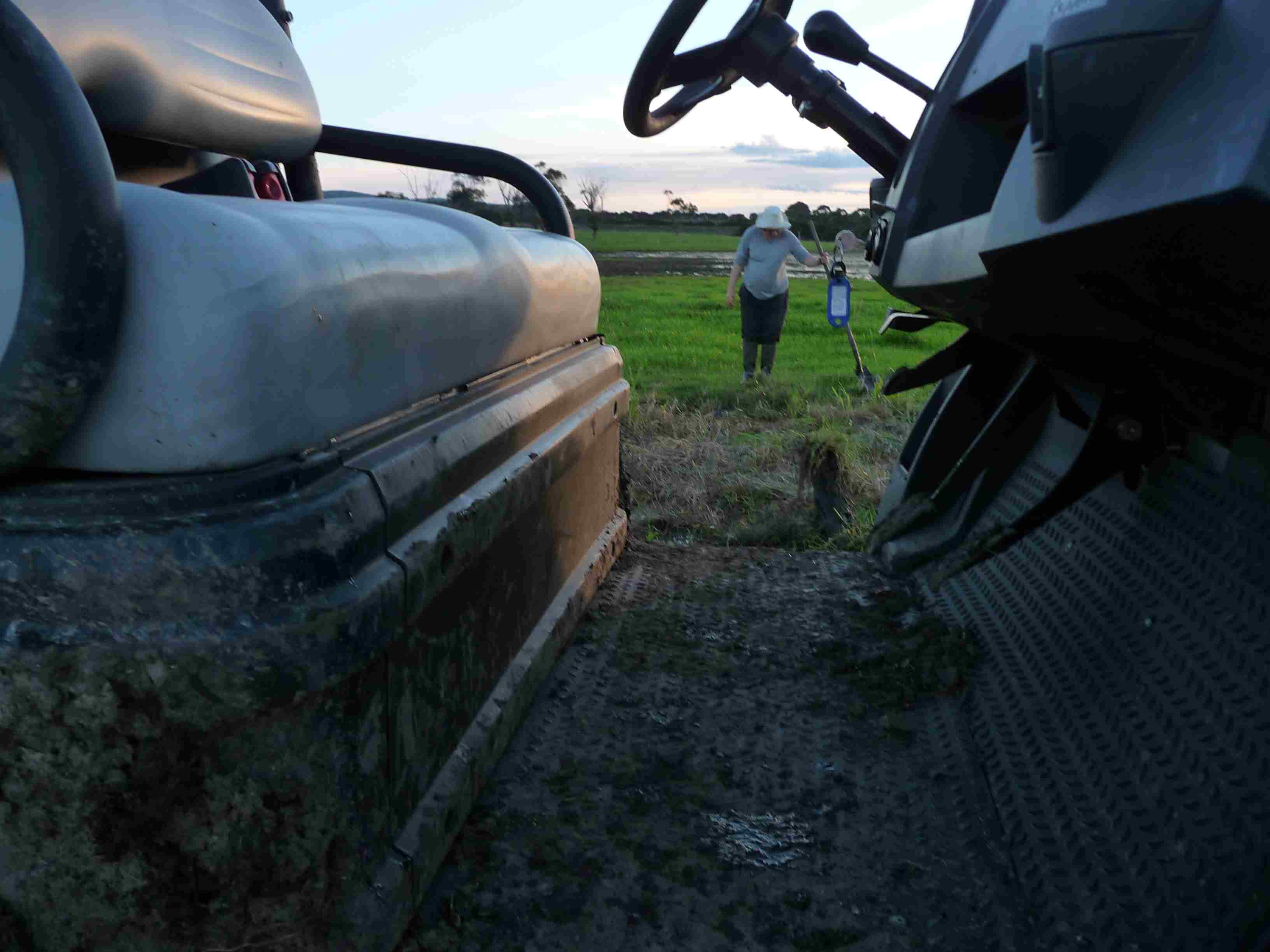
Zoe's pic of Mama looking for the leak

Mama looks for the leak

Oops! Zoe’s got a bootful but let’s make it funny.
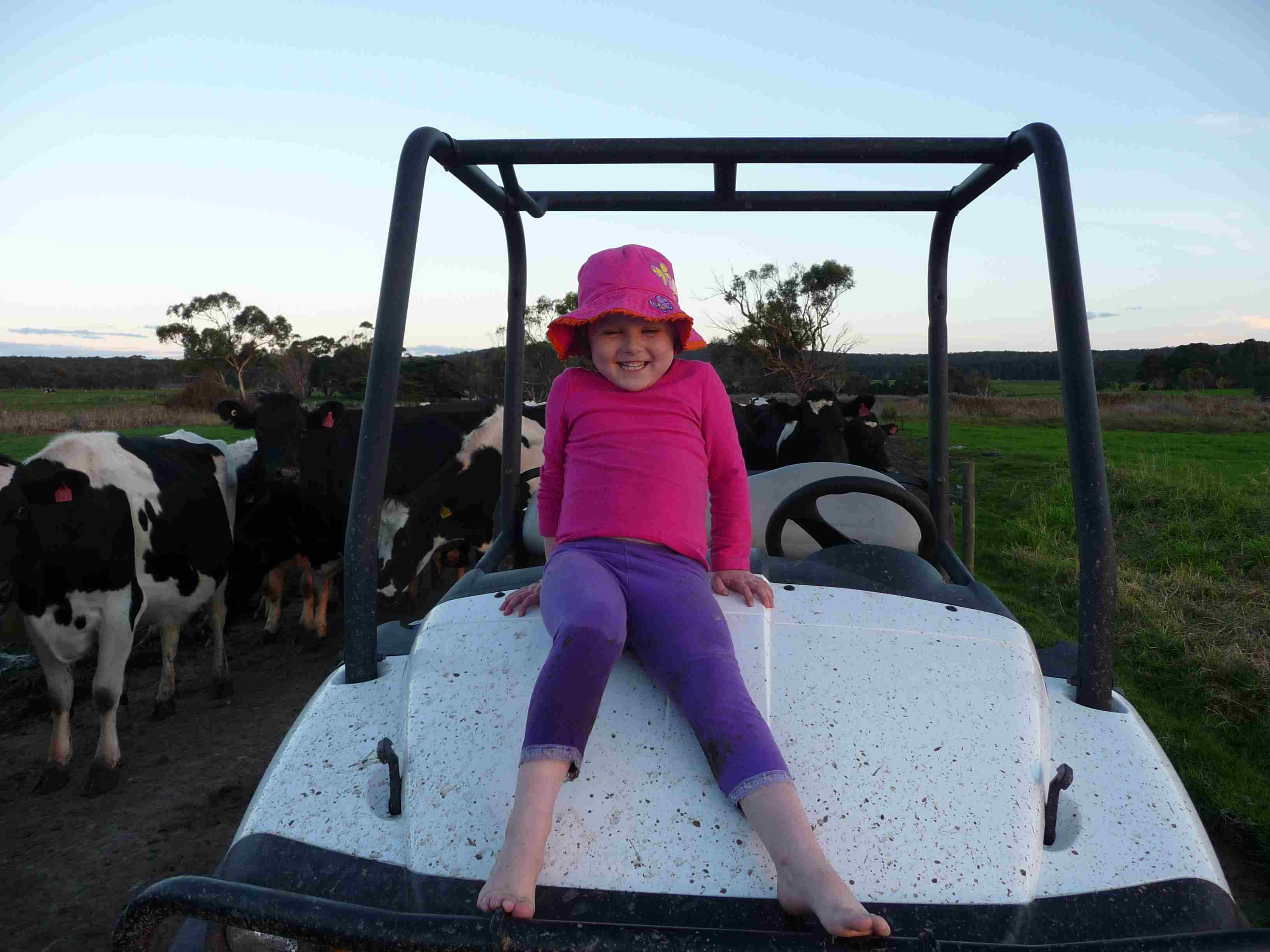
Zoe on the Bobcat after mud accident

After a boot full of water

The cows crowd around us on their way back to the paddock.

5.06 pm The Eureka Moment! An old (but still connected) water line has burst a fitting.
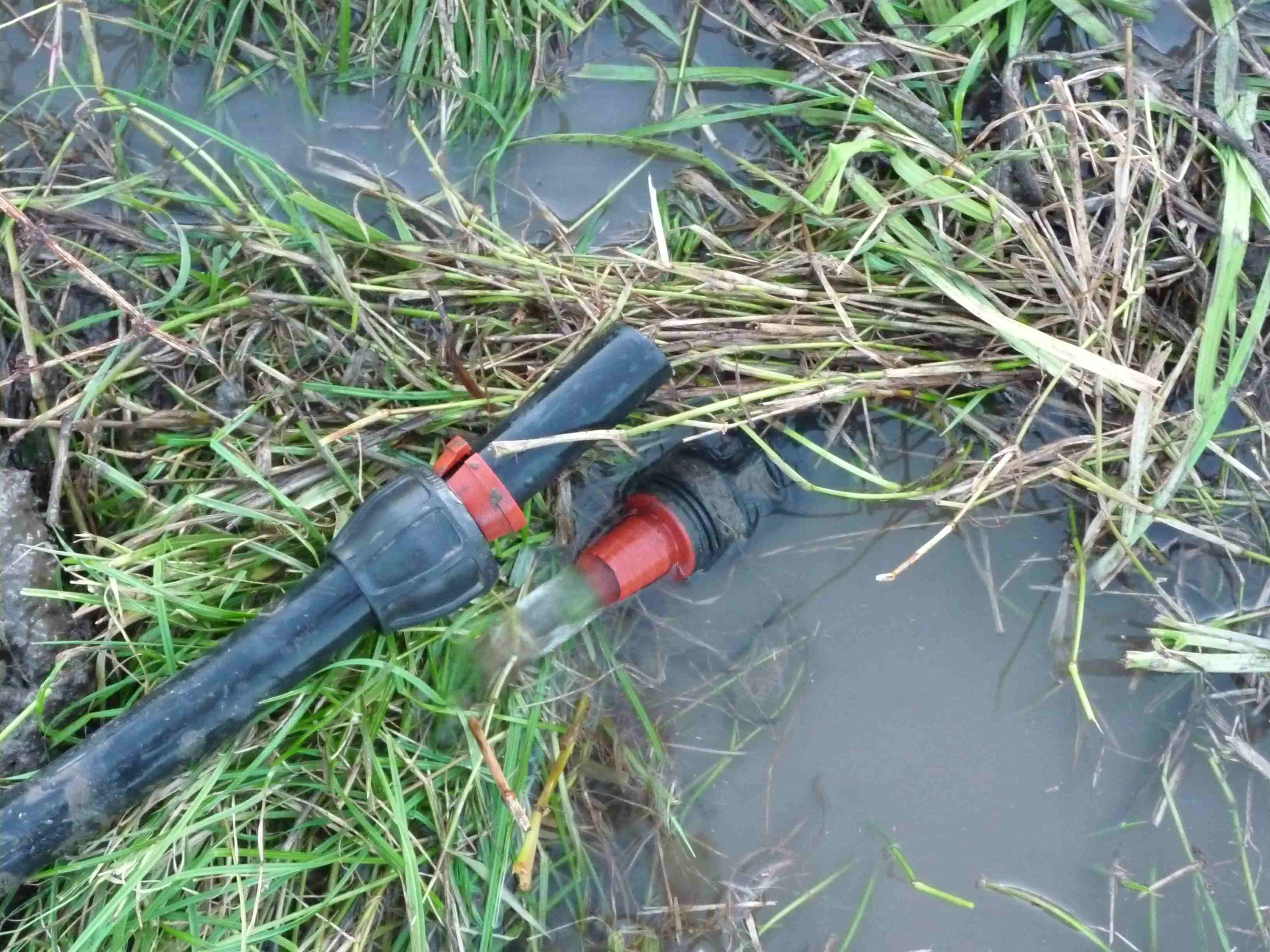
Pipe fitting

Unearthed the blasted leak

5.10 pm Outta there.

5.15 pm Set the travelling effluent irrigator on a new path, refuel pump and pull the rip cord!

5.35 pm Marian and Zoe home at last!

6.25pm Wayne’s home from milking. The end of a big day.

The life of a dairy cow: celebrating Beth

Beth was one of the herd’s matriachs and one of our favourite cows, too. We’d feared, however, that this would be Beth’s last season. She was finding it hard to put on weight, despite being wormed, vaccinated, treated with antibiotics and rested. Aged 11, Beth was not the oldest in the herd but certainly qualified as one of our senior citizens.

What made Beth stand out was her totally unflappable demeanour. She would not be hurried, was always one of the last to leave the paddock and was often paired with youngsters unfamiliar to the dairy as a calming influence.

When she died today, it was difficult to explain to little Zoe. “But Beth is always here,” she said. With so many of Beth’s daughters, grand-daughters and great grand-daughters in the herd, perhaps she’s right.

Beautiful birth

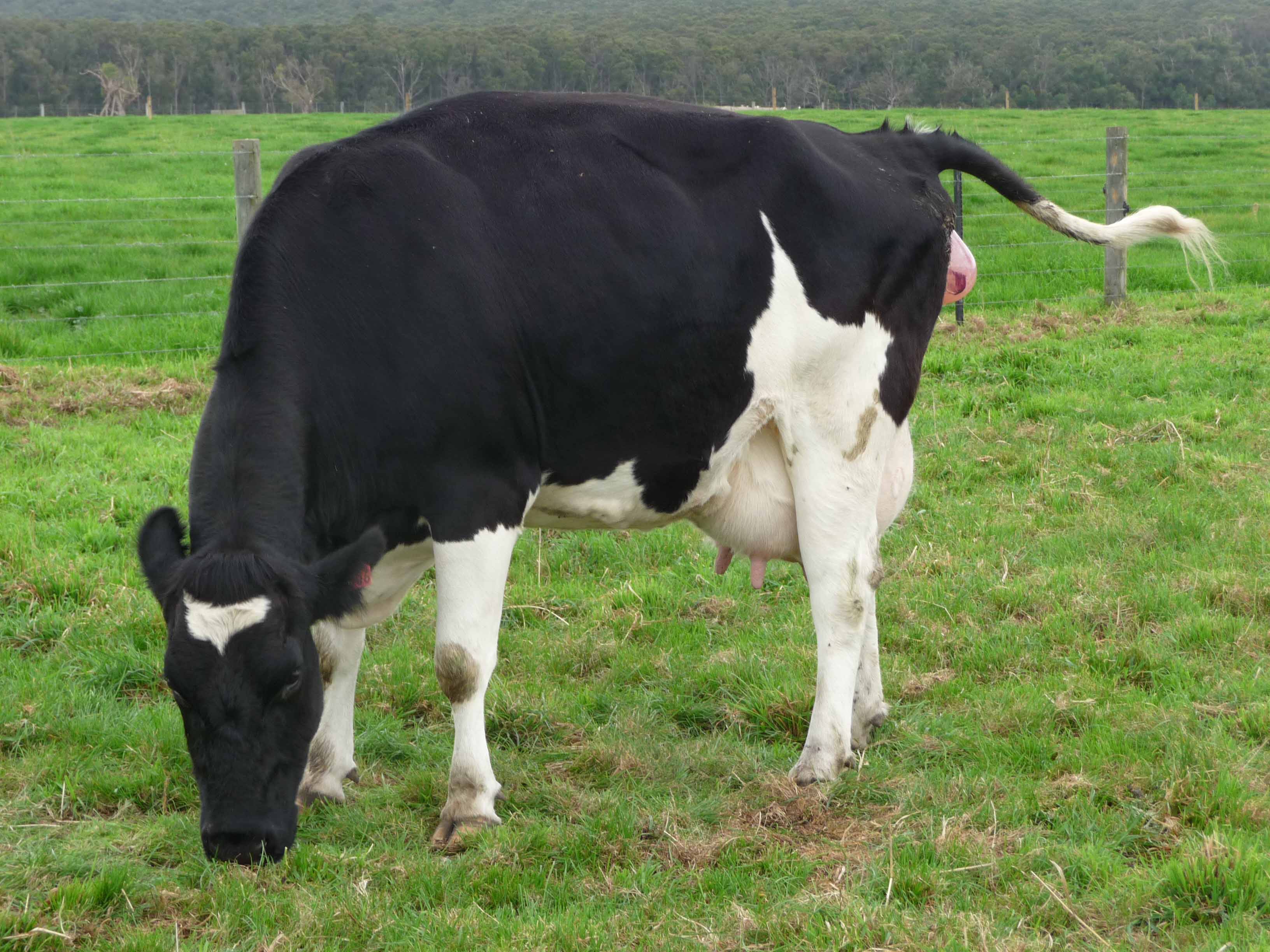
Cow 506 beginning to calve

Cow 506 beginning to calve at 11.50am

By the time I took this photo at 11.50 yesterday, I’d been watching over cow 506 for an hour or so. She’d been showing all the classic signs of a cow about to calve: restlessness, getting up and down. It was a relief to see her labour had progressed. I came back again an hour later to make sure everything was okay and look what I found! Licking her little one with gusto, she looked very comfortable.

Cow 506 licks her newborn at 1pm

Cow 506 licks her newborn at 1pm

Of course, it’s not always this simple. Sometimes the calf is too big, sometimes breech, sometimes the cow herself has a problem. With 340 cows set to calve over the next few months, it’s an anxious time for us.

To make it easier to keep an eye on our ladies, we do a weekly sort-out, drafting cows that are about three weeks from calving out from the rest so they can get extra special TLC in our calving paddock. This paddock is small and close to the house and dairy. We check it three times a day and, if any of the cows look like they’re about to calve, we hop up during the night to check them as well. Some of the signs are a swollen vulva, mucus, tight udder and unusual behaviour. The reality is though that, despite breeding programs meddling with the cow’s biology for thousands of years, almost all of them calve quite easily.

I hate comparing women with cows but, at almost 36 weeks myself, I can’t help wondering why it seems so much more complicated for us!

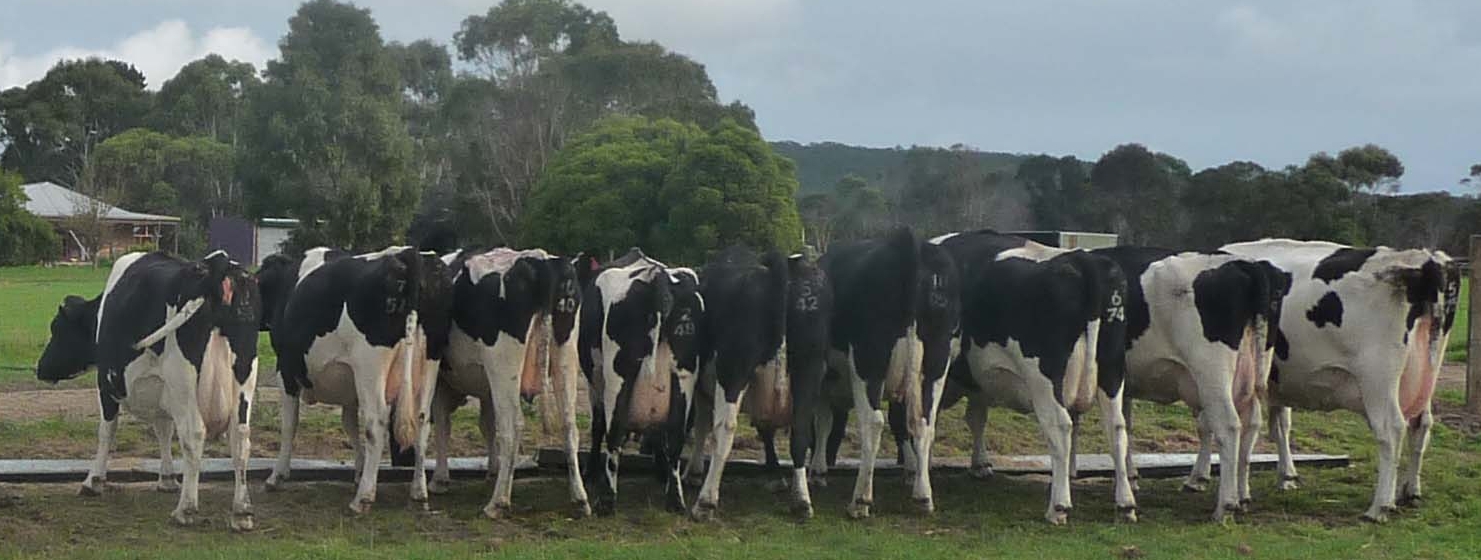
Which of these cows is the mother?

Which is the mother cow?

Which is the mother cow?

This morning, we found a new heifer calf curled up in a corner of the calving paddock. She’d been licked clean but judging by her tucked up sides, she hadn’t had a drink. Why not? Her mum was nowhere to be seen. This is not uncommon – cows often leave their calves in remote spots while they go off to have a feed or a drink, so we got the calf up and tried to attract the mother cow’s attention with our best imitation of plaintive-sounding calf noises (not “moo” but something like “mmmmbeaaaaargh”).

Two aunties immediately rushed over. We call cows that haven’t calved but would love to steal someone else’s poddy an “aunty” and they can be exceedingly convincing. Not this time. They still had bulging bellies and no sign that anything had been recently stretched (IYKWIM). The mother was clearly not particularly maternal and was still waiting for her milk to come in properly.

The only thing to do was to organise a line-up. Cows due to calve within the next three weeks get a daily ration of grain that is half what they’ll get when they rejoin the herd in the dairy, so we spread their breakfast out and did an inspection. Who do you think it was?

Where there’s mud, there’s mastitis

The track with one fence moved in and one more to do

The track with one fence moved in and one more to do

“Where there’s mud, there’s money,” is the old farming adage but I’m a bit of a contrarian. Where there’s too much mud, there’s also lameness and mastitis.

Muddy tracks to and from the dairy hit cows with a double whammy: they soften the hoof and then coat it with the perfect breeding ground for nasty bugs. It’s heart-breaking to see a cow hobble along, so we rest lame cows and, if their hoofs become infected, treat them with antibiotics.

Mud also contributes to mastitis, a painful infection that afflicts cows and women alike. Dairy farmers have been tackling mastitis for decades from practically every angle. We can choose sires based on the resistance of their daughters to mastitis, have learned that being quiet around cows makes them less prone to infection and developed new detection and treatment techniques. We know exactly how much mastitis is in the herd: the milk processors give us daily test results as part of their stringent milk quality standards and if our milk shows evidence of too much mastitis, we are paid less.

Dairy Australia’s web site offers some great tips on combatting both lameness and mastitis. One of the recommendations is to get cow tracks in order.

Ours aren’t bad but they could be better. One 400 metre section in particular has the fences set too far back from the gravel of the track and some cows like to walk along the sides, which quickly turn to slosh. Today, we’re moving the fences in. It’s a pretty simple job that should save us a lot of grief when winter comes.

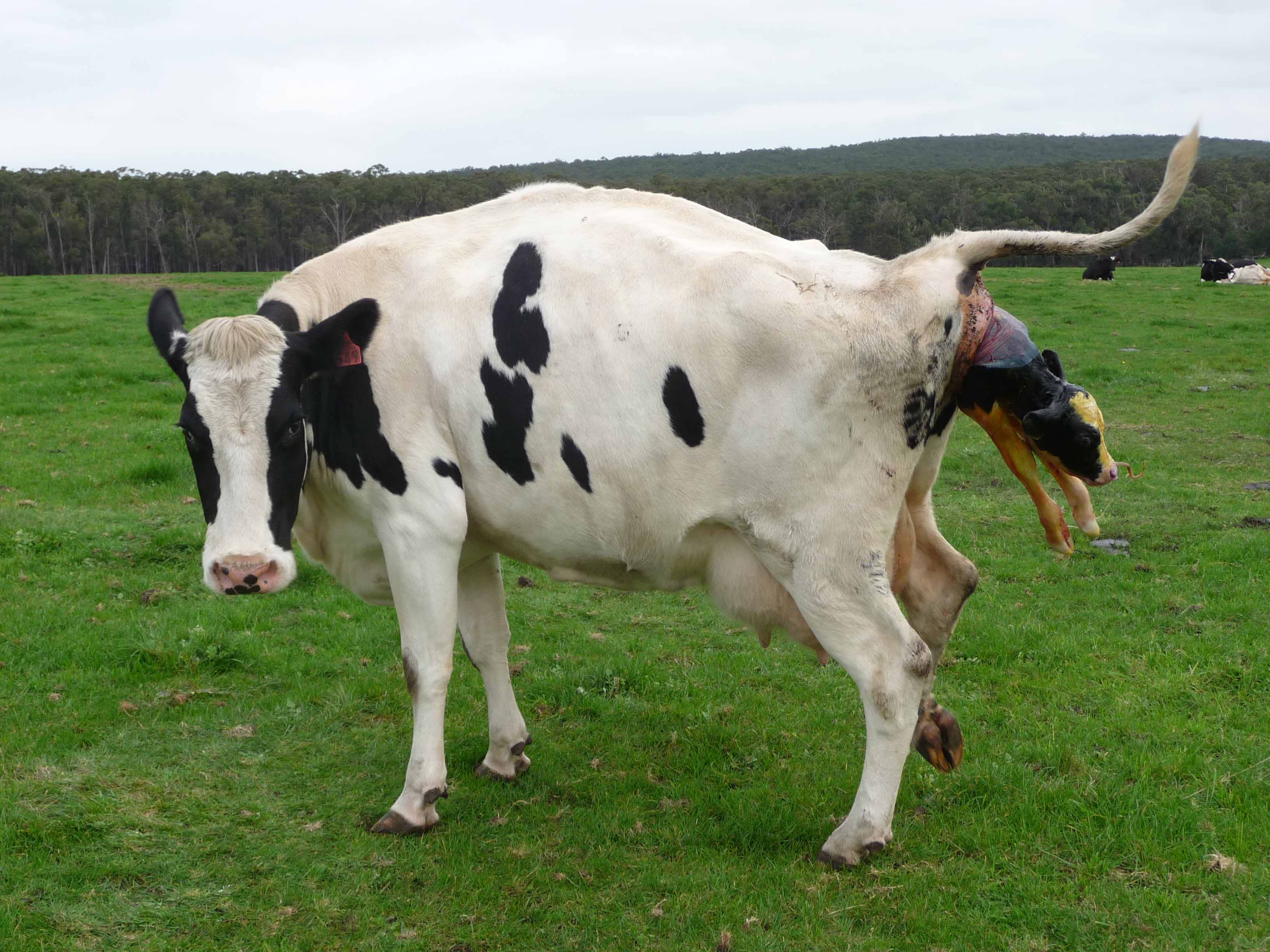
The pregnant farmer, her 4-year-old and the breech delivery

At 5pm, Zoe and I checked the springers (cows soon to calve). Cow 535, a very strong cow in the prime of her life looked agitated. Off by herself in a corner of the paddock, 535 had her tail up and could barely decide whether to pace around or sit down. All of this is normal behaviour for a cow about to calve but I wasn’t sure. Nothing I could really put my finger on, just a sixth sense something was wrong.

Having been poked and prodded at my own 35-week exam today, perhaps I was a little paranoid?

After dinner, Zoe and I ventured out in the ute with the heater roaring. Where was 535? Still off in the far corner of the paddock, still pacing nervously, still no membranes. I’d expected some progress after two hours but I didn’t think it was a smart move to try assisting the labour myself and Wayne was in the city so we called Pete the vet.

Mother guilt kicked in. My cheerful little assistant was very keen to be involved but even as we yarded 535 it was already past Zoe’s bedtime. She’ll be tired tomorrow. On the other hand, I told myself, this type of experience helps to build resilience and she was learning lessons about taking responsibility for animals that you just can’t get in books.

It turned out that 535’s calf was trying to come out backwards but had not made it to the birth canal and her mum’s body was not getting a clear signal to push. If we hadn’t called Pete, both cow and calf might have been dead by the morning. Pete delivered the long and lanky heifer calf alive, then massaged her abdomen to help clear her lungs. We moved the pair to a dry, sheltered spot where 535 could do the all-important job of licking her calf dry and encouraging her to stand and drink. Can’t wait to see them in the morning.

Zoe was delighted and rang her Papa to relay the whole experience before falling asleep almost the moment her head touched the pillow.

Too tired to post (almost)

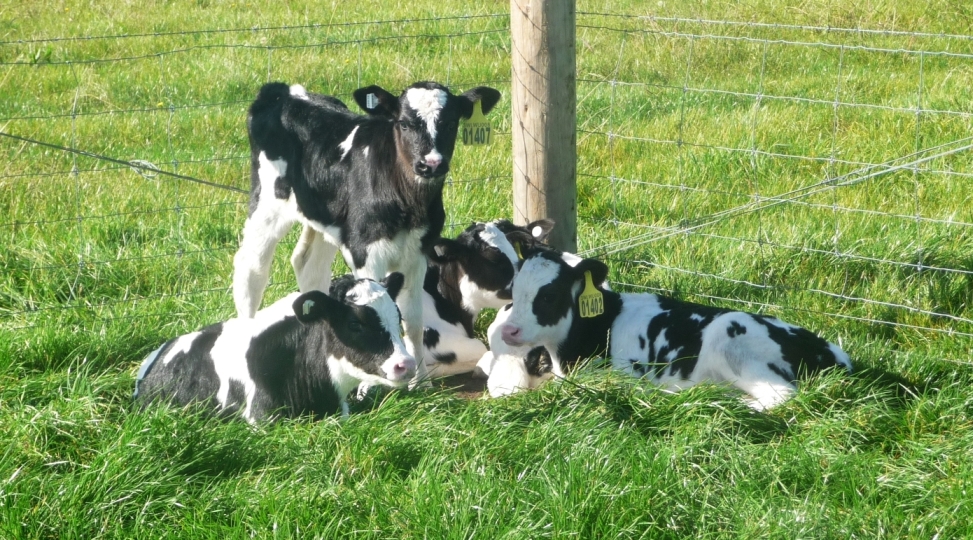
Premmie calves Ella and Bella graduate

Ella and Bella, our premmie calves, soaking up the sun with friends

It’s been a normal day for a calving season but I’m just too tired to put a proper post together. Instead, here’s an update with some good news:

  • Ella and Bella are doing so well, they’ve graduated from the calf shed out into a sheltered paddock
  • Laura, the premmie twin, is always the first to hop up and say “hello” when we arrive with milk
  • The excavator finished work on the effluent pond today and we installed a new storm water pipe
  • Our maremmas, Charlie and Lola, are out and about doing their job of looking after the calves well (but have not yet roamed to scare off the kangaroos)
  • Wayne and vet Amy managed to deliver one of the largest bull calves we’ve ever seen and both mum and calf are doing well. I was sure he’d be dead and was very worried for her.
  • Milk production is up!

After feeding all the calves, mucking out stalls, sorting out cows to go in the “springer’s” (cows that are less than 3 weeks away from calving) paddock, fixing fences and a vital calf transport trailer, pouncing on sprightly newborns and doing all the normal farm stuff, the three of us are jiggered.

Gasp: the cows love fescue (and I do too)

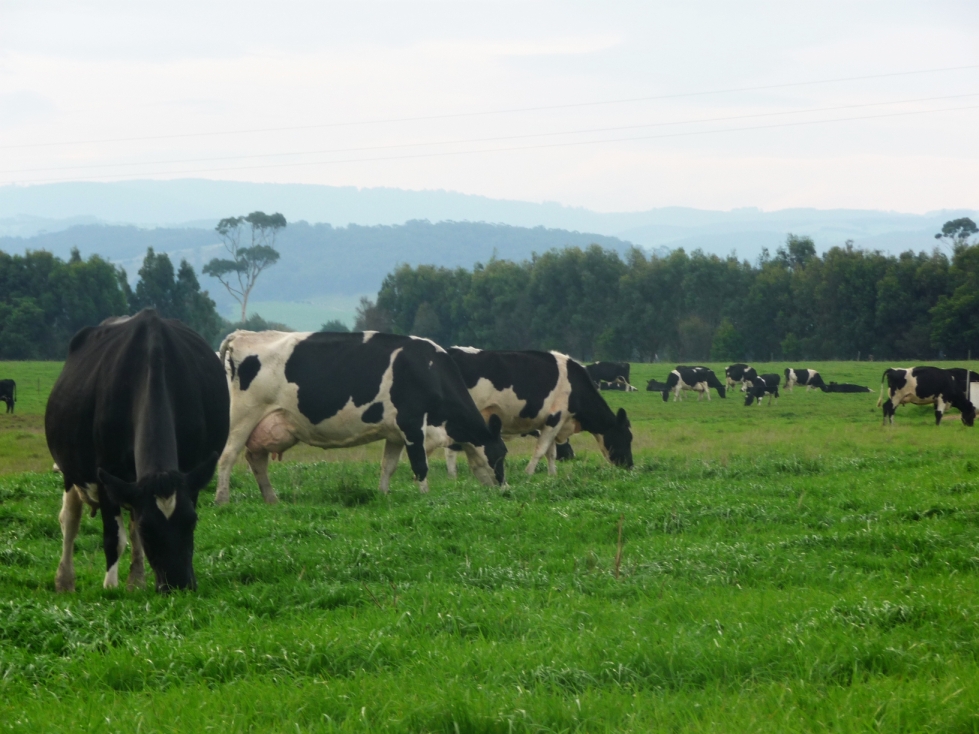
Cows grazing Advance Tall Fescue

The cows really seem to prefer the Advance tall fescue over ryegrass

I’m beginning a clandestine (well maybe I’m coming out of the closet with this blog) love affair with fescue and cocksfoot. Our Gippsland dairy farm has always relied on a combination of ryegrass and clover, although prairie grass loves to volunteer. Because the weather patterns have changed so much, I’ve started to experiment with other pasture types.

We sowed the aptly-named swamp paddock with Advance tall fescue last year. It doesn’t mind waterlogging and produces massive volumes of feed in summer – just when the swamp paddock can withstand grazing without getting pugged. I’d had the paddock sown to an annual ryegrass which reshot and seemed to overwhelm it, so had the whole lot sprayed out with glyphosate. To my delight, the ryegrass was knocked out and the fescue has come back in force.

The cows seem to love Advance. I had them in the adjacent paddock of gorgeous perennial ryegrass but when I lifted the fence to let them into the rear of the still partially inundated swamp paddock, they rushed in and stayed there to eat the fescue.

No more twin calves please!

Laura the little survivor calf sleeps after a BIG feed

The good news is that our first batch of premmie twins – Ella and Bella – are absolutely thriving. The bad news is that we’ve now had four sets of twins out of 10 cows.

At first blush, you’d think I’d be overjoyed but lots of twins is not a cause for celebration on a dairy farm. Twins take their toll on the mother cow, who is more likely to have trouble calving, more likely to be sick afterwards and all this also affects her production and ability to get back in calf next season. The calves are also more likely to be unwell because they tend to be smaller and suffer more difficult births. The female twin of a male/female pair is nearly certain to be a freemartin, unable to breed.

One of our favourite cows, 771, gave birth to a small but gutsy heifer this morning and then we discovered another set of hoofs coming out. Sadly, Wayne had to give 771 help and, despite us acting immediately, the second little girl was stillborn. As I held the first little calf, Laura, while she had her first drink, I couldn’t help but feel a lump in my throat as I heard Wayne carry her dead twin away.

I wonder what’s causing this? I hope it’s just a run of bad luck but other farmers have reported increased twinning on their farms too this season. The research suggests that lots of great quality feed at breeding time might be the cause and, yes, nine months ago, the cows did have a wonderful diet. Maybe that’s the reason but it does leave a farmer scratching her head and crossing her fingers (if it’s possible to do both at once!).