Modern farming and nostalgia

Although I was just a tween during the 82/83 drought, I remember it vividly. That was the year the school bus was overwhelmed by a dust storm and the year my parents cancelled the newspaper deliveries just so they could be sure they’d saved every dollar they could.

It was also the first year we fed our cows grain and, gosh, it taught us a lot. Cleaning up, I stumbled across some notes written by my father’s farm consultant (and even a farm consultant was a new concept) that December:

“Feed grain, increasing slowly to 4kg, watching carefully for signs of grain poisoning.”

Grain poisoning is not funny but that little sentence make me laugh out loud. These days, cows start the season on 4kg, which is seen as pretty much a minimum supplement level, even in the flush of spring. No risk of grain poisoning there.

We manage dry spells so much better now than we did then and the cows, the farmers and even the environment are the winners. No longer are paddocks stripped bare, exposing the topsoil and all the life in it to the cruelties of the Australian summer. We graze just enough to keep the grass from becoming stalky.

This modern way of farming also means the pastures are quicker to respond to the rains when they do come. Just look at it.

Just add water...

Just add water…

Modern farming attracts plenty of critics but I think that, in many ways, the way we farm now would make our early environmentalists very proud indeed.
Green is not always good

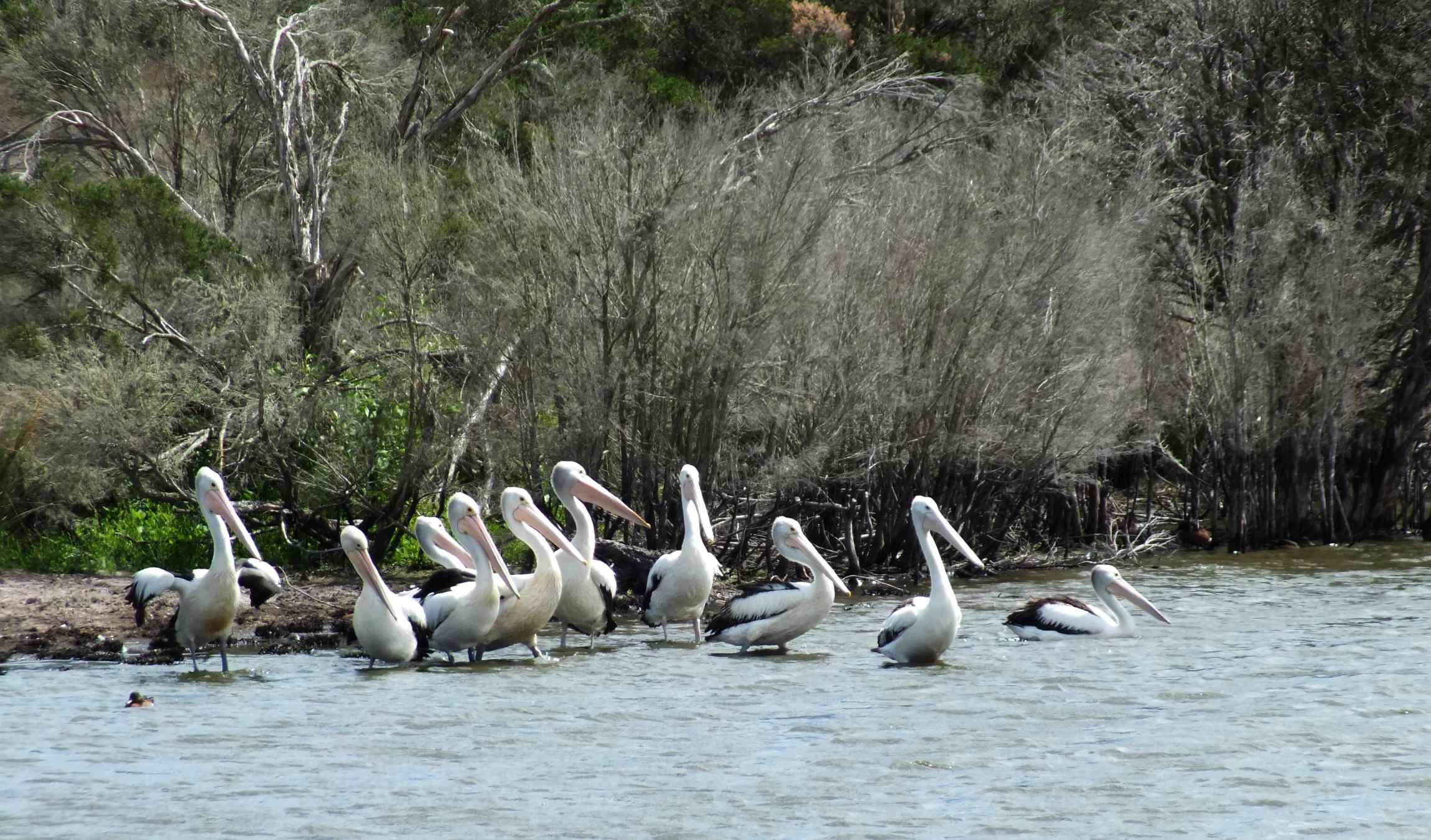
Our farm hosted some very distinguished guests yesterday.

VIPelicans

VIPelicans

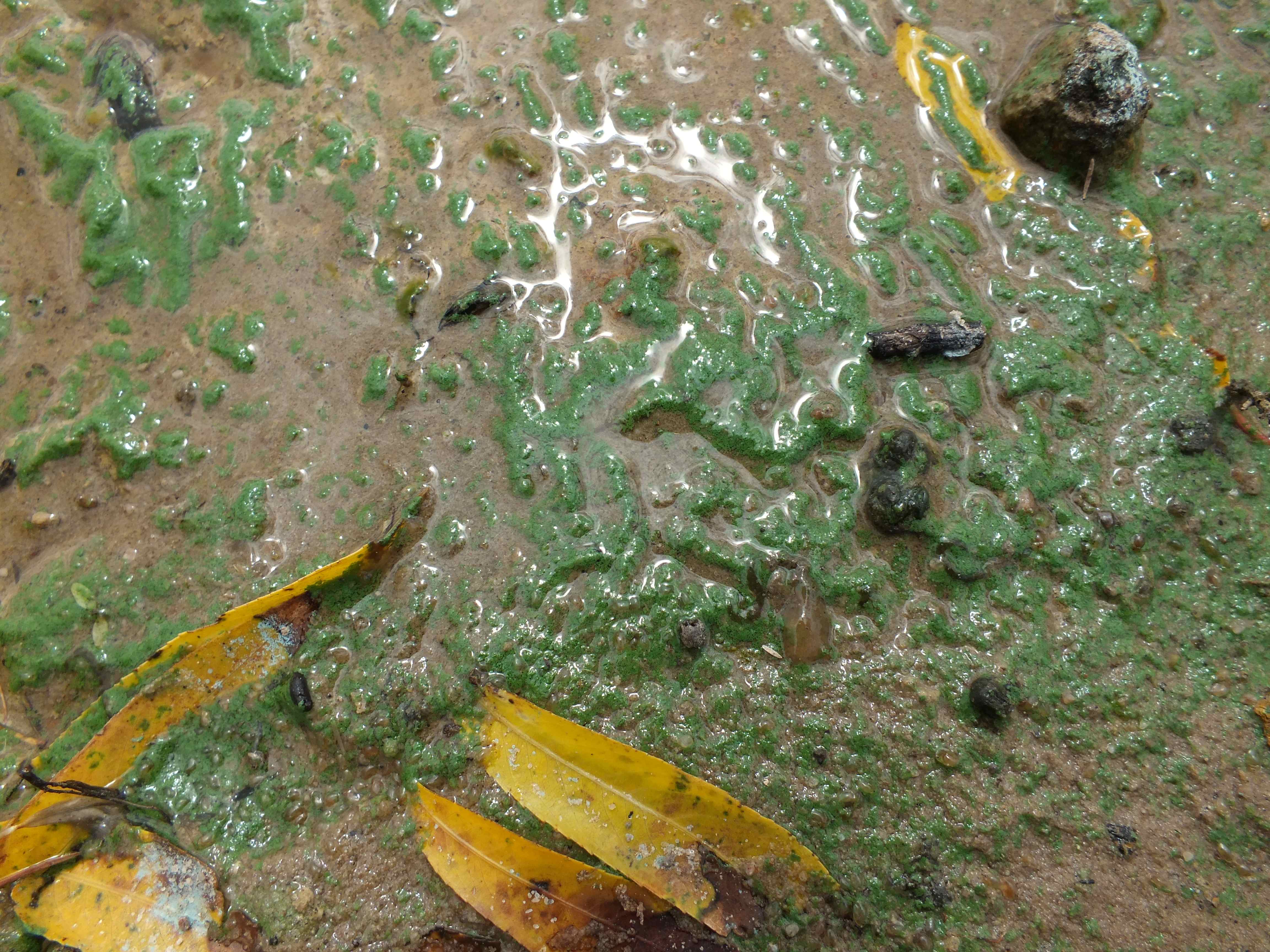
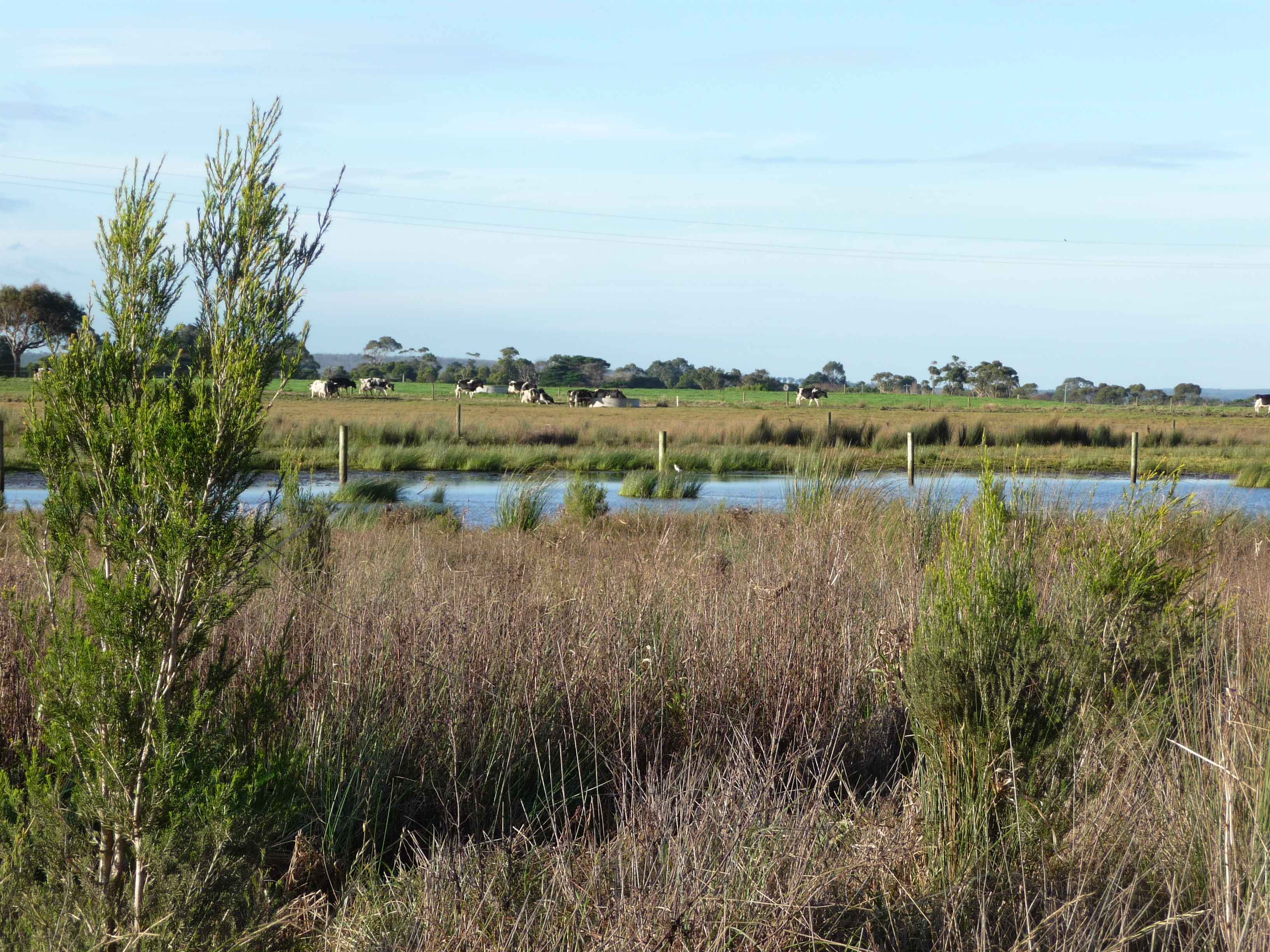
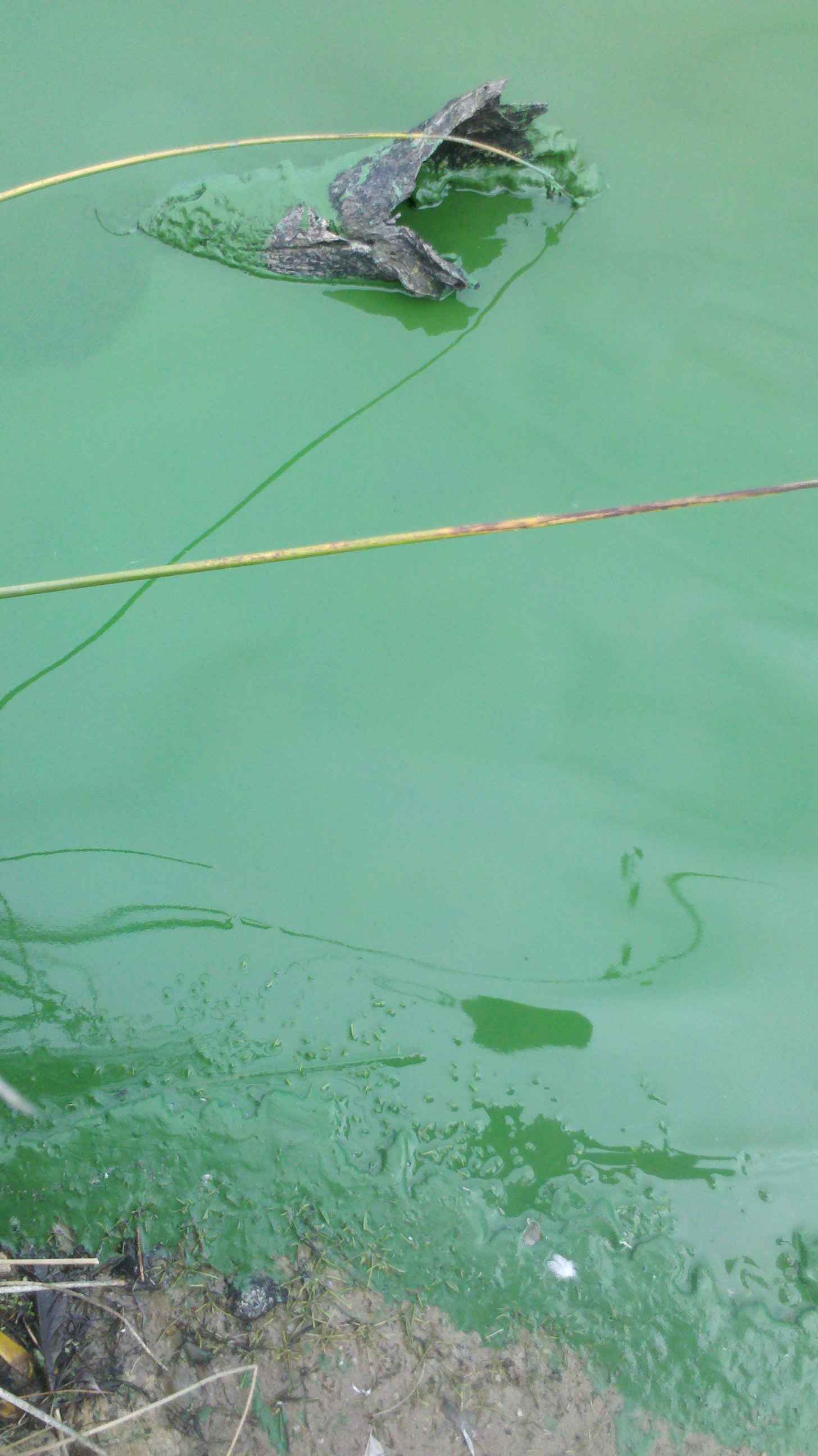
I am so glad they arrived now and not two weeks ago. The farm’s stunning Land for Wildlife Dam is sanctuary for many beautiful birds but, for the first time in living memory, the dam succumbed to an algal bloom that looked more like a massive acrylic paint disaster.

Algae on January 30

Algae on January 30

The stuff was brilliant green and, while not smelly, it was not a welcome sight. Excess nutrients and warmth can combine to bring about algal blooms that leave waterways toxic for weeks or months. Here’s how the water’s edge looked yesterday. A lot better but still not clear.

Algae February 12

Algae February 12

So, what to do? Experts say to exclude stock from the dam and create a buffer to prevent fertiliser runoff – and that’s already done. Next, we will emulate the sewage wetlands of Melbourne’s newest housing estates and plant dense stemmy vegetation upstream of the dam that will encourage “good” algae and strip nutrients from the water as it passes through. It will mean more wildlife habitat and safer water. Good for everyone!

Farm meets laboratory

It takes a lot of science to make our dairy farm tick these days. Our place is no factory farm either. With around 250 free-range milking cows, it’s a very typical Australian dairy farm.
Yet, only today, I have been keeping four different labs busy:

Environmental lab: what’s in our water?

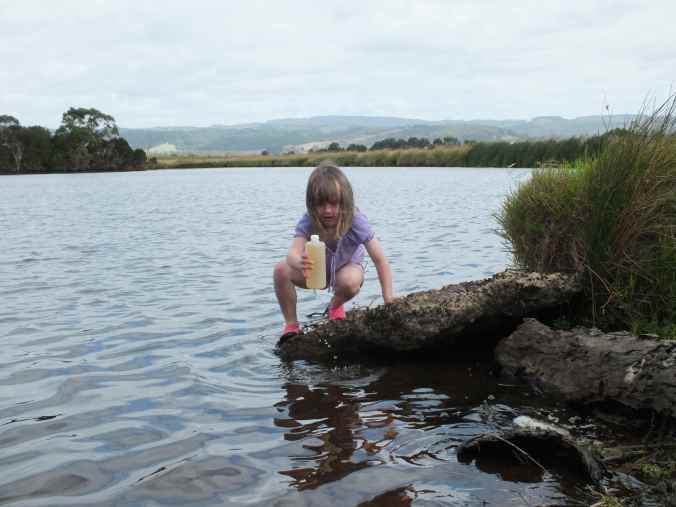
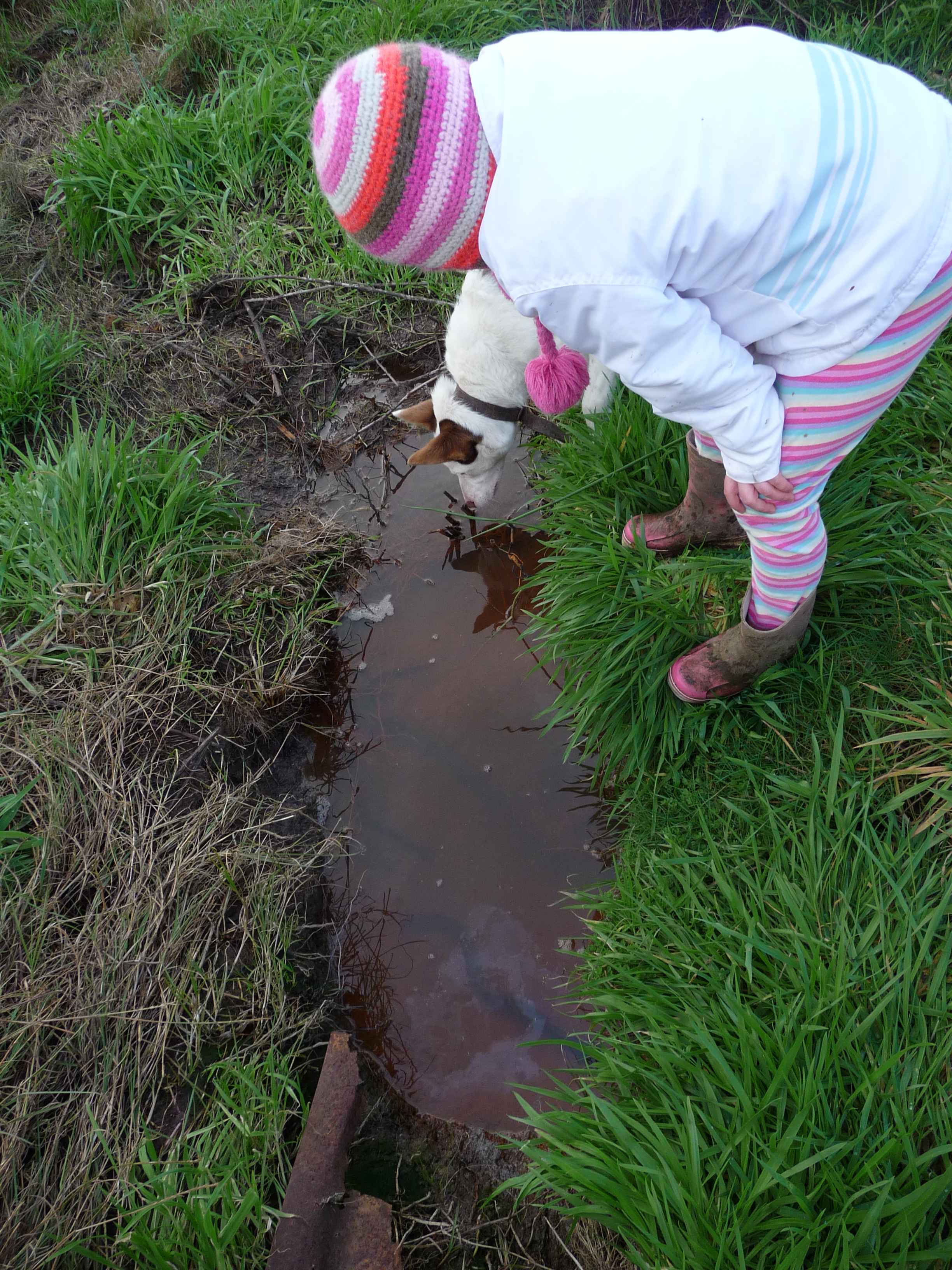
Sampling water from the farm dam

Don’t fall in!

We’re considering moving the water supply from the river to the dam but need to be sure the water is up to scratch first. While we don’t irrigate our farm, we need high quality water for the cows to drink and to keep the milking machinery hygienic and sparkling clean. We’re having it tested for minerals and nasty bugs like e-coli.

Animal health testing lab – looking for hand grenades in the grass

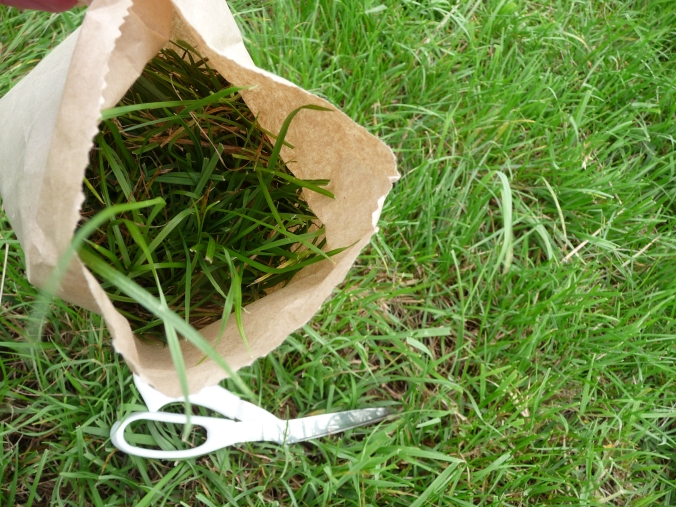
GrassClippingsOur farm has volunteered to be a ‘sentinel’ for the spores that cause the life-threatening condition of facial eczema. Collecting samples from a couple of paddocks only takes a few minutes but it could save hundreds of cows untold suffering.

Dairy nutrition lab – feeding the bugs that feed the cows

Yesterday, someone on Twitter asked Dr Karl how cows manage to get fat on grass while humans lose weight on veggies. The secret lies in four-chambered guts filled with life-giving bugs that do a lot of the work for the cows.

Our bovine ladies are athletes – each gives us around 7,000 litres of milk per year – and they and their bugs demand nothing short of perfection from us as chefs! Feed reports allow me to balance the cows’ diets with the right mix of fibre, energy and protein.

Soil nutrient lab – getting the dirt on our soils

Soil data allows me to apply the right fertiliser in the right amounts to the right places – lifting the productivity of our farm, reducing costs and preventing leaching into the river. I test the soils of all our paddocks every year. Some would regard that as wildly extravagant but a $110 test is nothing compared to the cost of a tonne of excess fertiliser.

Dairy farming is still the earthy, honest lifestyle it always has been but, these days, it pays to be a touch tech-savvy as well.

EDIT: Oh my goodness! Mike Russell (@mikerussell_) just pointed out that I forgot the bleeding obvious: the testing of our milk! It’s tested to an inch of its life – fat and protein content, sugars and cell counts are all tracked daily. Thanks Mike!

The dairy farmer’s calendar

Summer is the laziest time of year for a dairy farmer but when Wayne and I started writing a “to do” list yesterday, my head began to spin a little. Not satisfied with a mild head rush, I went on to draft a rough calendar:

The Annual Milk Maid’s To-Do List

Lazy Summer Days

  • Milk cows
  • Pay bills
  • Deal with crises (pump breakdowns are popular this season)
  • Begin drying cows off for their annual holiday
  • Make hay
  • Have we conserved enough fodder? Consider buying more
  • Begin feeding silage, crops and hay
  • Return cow effluent back to pastures
  • Spend a day changing rubberware in the dairy
  • Control blackberries
  • Vaccinations, drenching, branding, preg testing
  • Big maintenance projects (the stuff you put off the rest of the year)
  • Dream of the next Great Leap Forward

Autumn Anxieties

  • Milk cows
  • Pay bills
  • Deal with crises (milk quality issues popular this season)
  • Continue drying cows off for their annual holiday
  • Special feeding regime for expectant cows
  • Welcome and nurture new calves
  • Test soils for nutrient levels
  • Repair cow tracks
  • Sow new pastures
  • Fertilise pastures
  • Return cow effluent back to pastures
  • Chase revegetation grants and order trees
  • Maintenance
  • Still feeding silage and hay
  • Nude rain dancing in full swing

Winter Woes

  • Milk cows
  • Pay bills
  • Deal with crises (calving emergencies popular this season)
  • Welcome and nurture new calves
  • Fence and spray areas for revegetation
  • Spend a day changing rubberware in the dairy
  • Feed three groups of cows different rations
  • Mating program in full swing
  • Consider another drenching
  • Buy new gumboots and practise rain dancing in reverse
  • Redo budgets after milk factory announces opening price
  • Keep chin up

Supercharged Spring

  • Milk cows
  • Pay bills
  • Deal with crises (unpredictable weather popular this season)
  • Train the new members of the herd
  • Visit the accountant (and maybe the banker)
  • Fertilise, fertilise, fertilise
  • Vaccinate and wean calves
  • Thoroughly clean and disinfect the calf shed
  • Plant trees
  • Control thistles
  • Make silage
  • Sow summer crops
  • Make grass angels

I know I’ve missed stuff – lots of it – but it should give you an idea of what happens day-to-day and season-to-season on our very average Australian dairy farm. So, dear Reader, as we head into 2013, what do you want to know more about?

Painful fall as Ball Face ousted as king of the bulls

The farm’s most aggressive bull has reigned for about two years as no other bull, even those who stood several inches taller, were as mean as Ball Face.

Wayne put him in the bull paddock last night. This morning Ball Face was missing. We discovered snapped wires along the laneway and figured the grader had clipped the fence, shorting out the power, so after the afternoon rounding up, it fell to me and the kids to restore the circuit and find the errant king while Wayne milked.

I fixed the laneway and found Ball Face and Fernando in the newly planted-out wetland. Aargh! Not my precious revegetation!!! The pair of them had left a trail of sagging wires and were busily roughing up some melaleucas. Can you spot them?

BullsInWetland

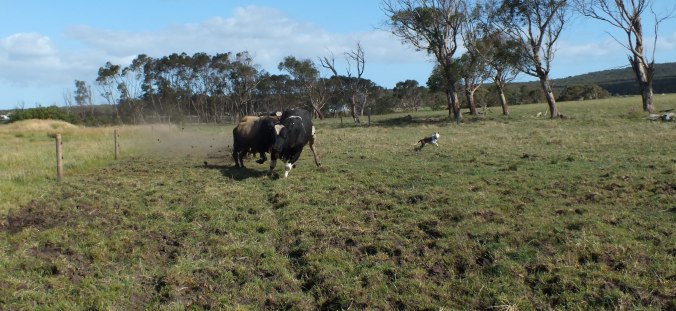
I sallied forth armed with a pigtail post and a long piece of poly pipe, leaving strict instructions for Zoe to stay on top of the Bobcat. I tried to look big and summoned my growliest voice. Magically, the two of them hopped out quite obediently. All that was left was to strain the three wires and turn the fence back on. Until this.

BallFaceChase

No one bull may have been game to take Ball Face on but a pack of them wanted him dead. Shrieking but quick, Zoe snapped this pic as the group charged towards us and I scrambled back onto the Bobcat. They thundered right around us and pursued Ball Face, literally pushing him through the fence (again) a hundred metres further up the paddock.

The fence strainer got a workout and then it was off, again, with pigtail post and poly pipe to remove Ball Face from his refuge. The gang stayed close to the fence and it was painfully obvious they would give him the medicine all over again, so I put him on the far side of the wetland, nine strands of hotwire away.

I don’t think I’ve ever seen a king deposed by a gang. Normally, it happens when an upstart matures, challenging the patriarch to a one-on-one duel with the rest watching. But then, Ball Face is something extraordinary. Maybe it really is time for him to go.

Who are these billabong refugees and what are they doing?

The job had got to that point where you have to stop for a minute and stare at it, just to ‘process’ its sheer enormity. Before me was a truly terrifying tangle of high tensile wire that had pleased the contractor by wrapping itself around the ploughing discs.

The knot was about the same size as the Bobcat and, without safety glasses for little Alex (do they make safety glasses for toddlers?), I had to accept that the wretched thing was going to beat me.

With the dawning realisation of defeat came the sound of something equally beyond the realms of reality: a babbling waterfall coming from the gully billabong. A very nice and very timely distraction.

The fish had gaping golden lips and flashy golden bellies to match. Each seemed about 2-feet long and oh-so-muscular. I may be a piscean but I know nothing about fish. Perhaps this group of half a dozen or so monsters are the dreaded carp, washed into the gully during one of this year’s floods. And what are they doing? Breathing or breeding?

Carp are considered the lowest of all fish around here: categorised as “noxious fish” by the Department of Primary Industries for the environmental damage they cause while being pilloried by cooks and anglers for their muddy taste.

But perhaps Charlie Carp deserves better. The big fish make excellent organic fertiliser and, according to one account on ABC Radio, might be alright on the menu if we Aussies learned the secret to eating carp.

Anyhow, the whole fishy dancing performance went on for five minutes and would have lasted longer if not for Patch. Yes, our most accident prone pooch had to investigate and was so intrigued, he forgot he couldn’t walk on water. Turns out he’s not that good at swimming, either. Crazy dog!

Patch had to come and take a look

Shame I missed the “after” pic. The memory card was full of fish video and photos. Patch isn’t the only silly one.

Monsters in the farm dam

There’s a creature on the farm that I find simply repulsive – eeeeeeels! Their hideous faces are teamed with swishing slippery bodies so readily mistaken for snakes. And we have them by the tonne.

It seems almost every time I set the dam siphon running, I get a hair-raising encounter with these ugly things.

Eels

Zoe and Patch inspect a pool of writhing eels

But they are incredible creatures and, instinctive fear aside, I have a lot of respect for them. You see, the eels in our dam have actually come all the way from the tropics – New Caledonia perhaps – travelling thousands of kilometres to reach our little patch of paradise.

They can live 50 years, “breathe” on land, grow up to 2 metres long and weigh 20kgs and eat everything from dragonfly larvae to small ducks.

Apparently, they’re tasty, too.

Read more about extreme eels – I guarantee you’ll be amazed!

Catalyst: Eel Migration – ABC TV Science.

Kicking back on the farm

By far the coolest animals on our dairy farm are the 2 year olds.

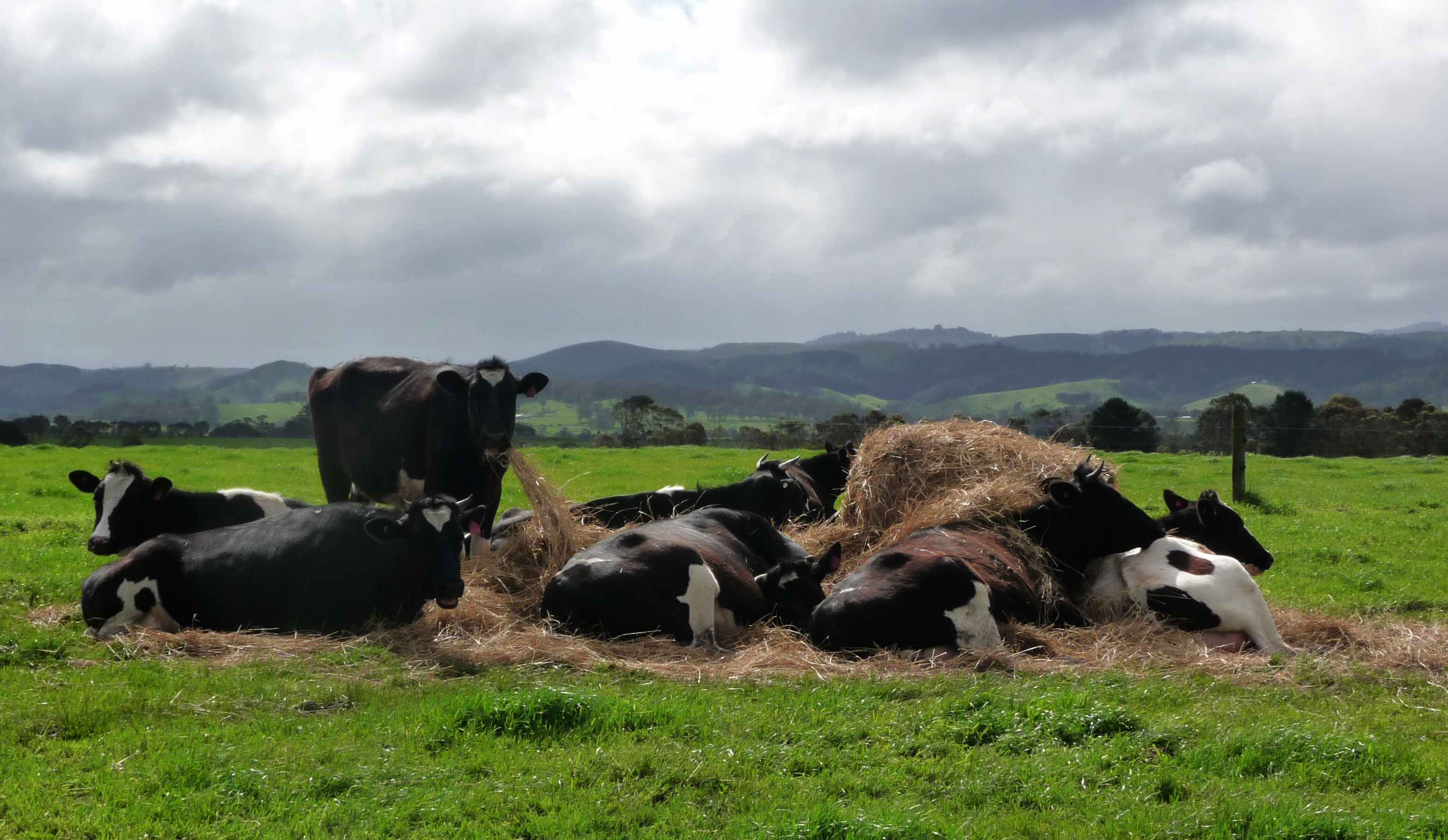
Just kicking back

With the fearlessness and carefree existence of youth, these girls really know how to relax!

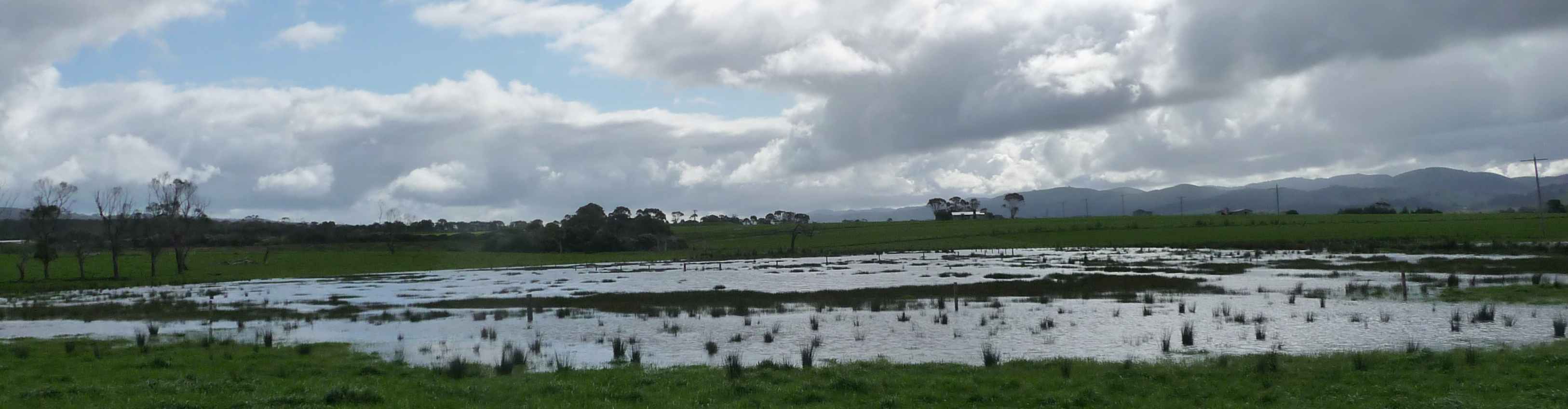
“Cool” is also the understatement of the month for Spring 2012. The area set aside for revegetation is earning its sexy NRM-funding title of ‘ephemeral wetland’ with more regularity than I would like.

Does this count as the fifth flood of 2012?

On the other hand, the grass is growing in between inundations. If it would just stop raining for a couple of weeks, we might get some silage tucked away for summer!

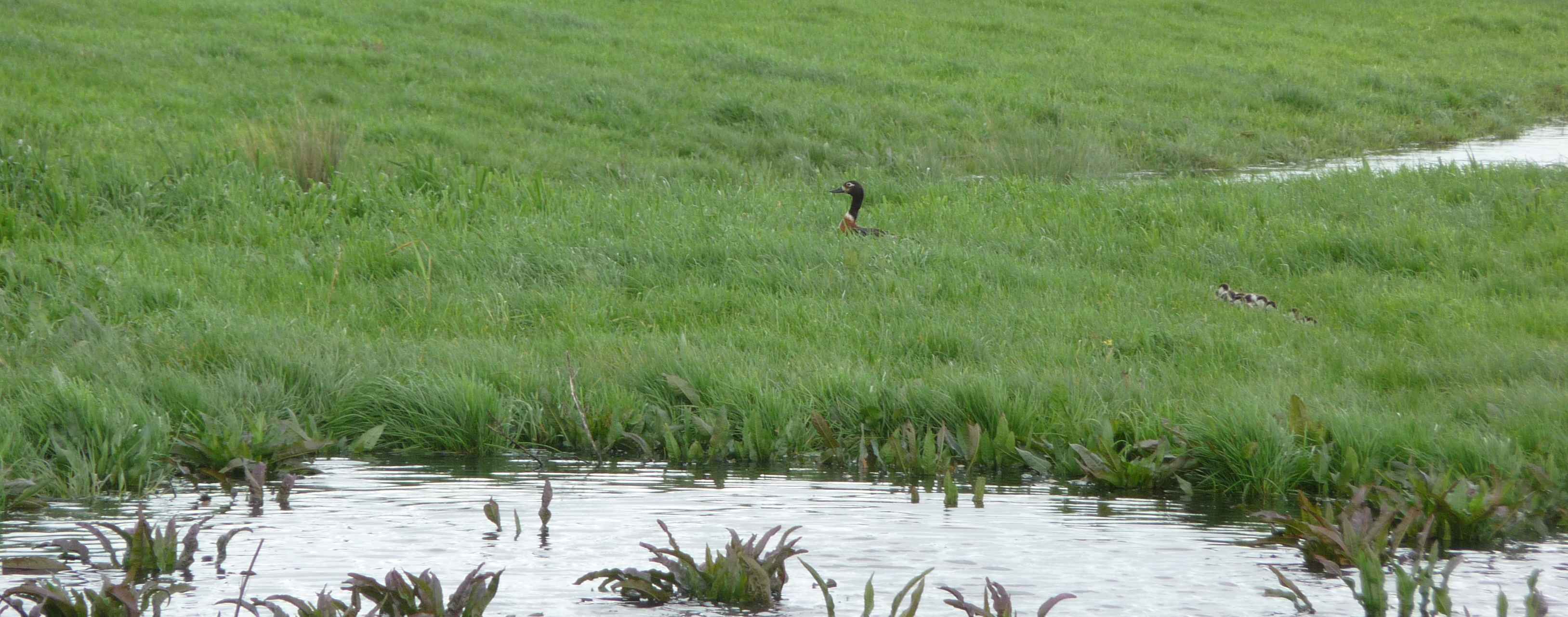
Mother duck speeds her charges away from the cow track as the herd passes by.

A sad discovery that is good for my green farm girl

We were off setting a dinner-time paddock for the cows yesterday afternoon when Zoe spotted something that looked like a dead calf on one of the cow tracks. But it was something even more heartbreaking.

Fallen Pelican

“I will really miss that fellow” – Rob

The pelican lay below the power lines near our Land for Wildlife dam.

“What should we do with him? Can we give him to someone to look after?”

Even though she knew he was beyond hope, Zoe shared my impulse to somehow rescue the magnificent aviator from such an ignominious resting place. Perhaps someone would like to study him. We rang our next-door neighbour, Rob, whose network of environmentalists outstrips mine.

“Oh, that’s very sad. I will really miss that fellow,” he said. Rob’s place has hectares of very beautiful wetlands that he and wife Jenny have preserved and regenerated over three decades. A former engineer, Rob said there was a new power line swing arm design that should reduce bird deaths but this seemed little comfort as we stood by the gorgeous bird’s body.

A quick Google afterwards showed that our pelican is far from alone in his fate. In South Africa, for example, 12 per cent of blue cranes – the country’s national bird – are dying every year due to collisions with power lines and the UN has released guidelines in an attempt to curb the destruction.

But, not surprisingly, Rob had no contacts who’d like a dead pelican, no matter how magnificent. In the end, we decided to study him ourselves. The curved tip of his beak, his amazing expandable gullet and those outstretched wings. If nothing else, Mr Pelican offered my little farm girl an even greater appreciation of what it takes to fly.

Finding pleasure in the small stuff

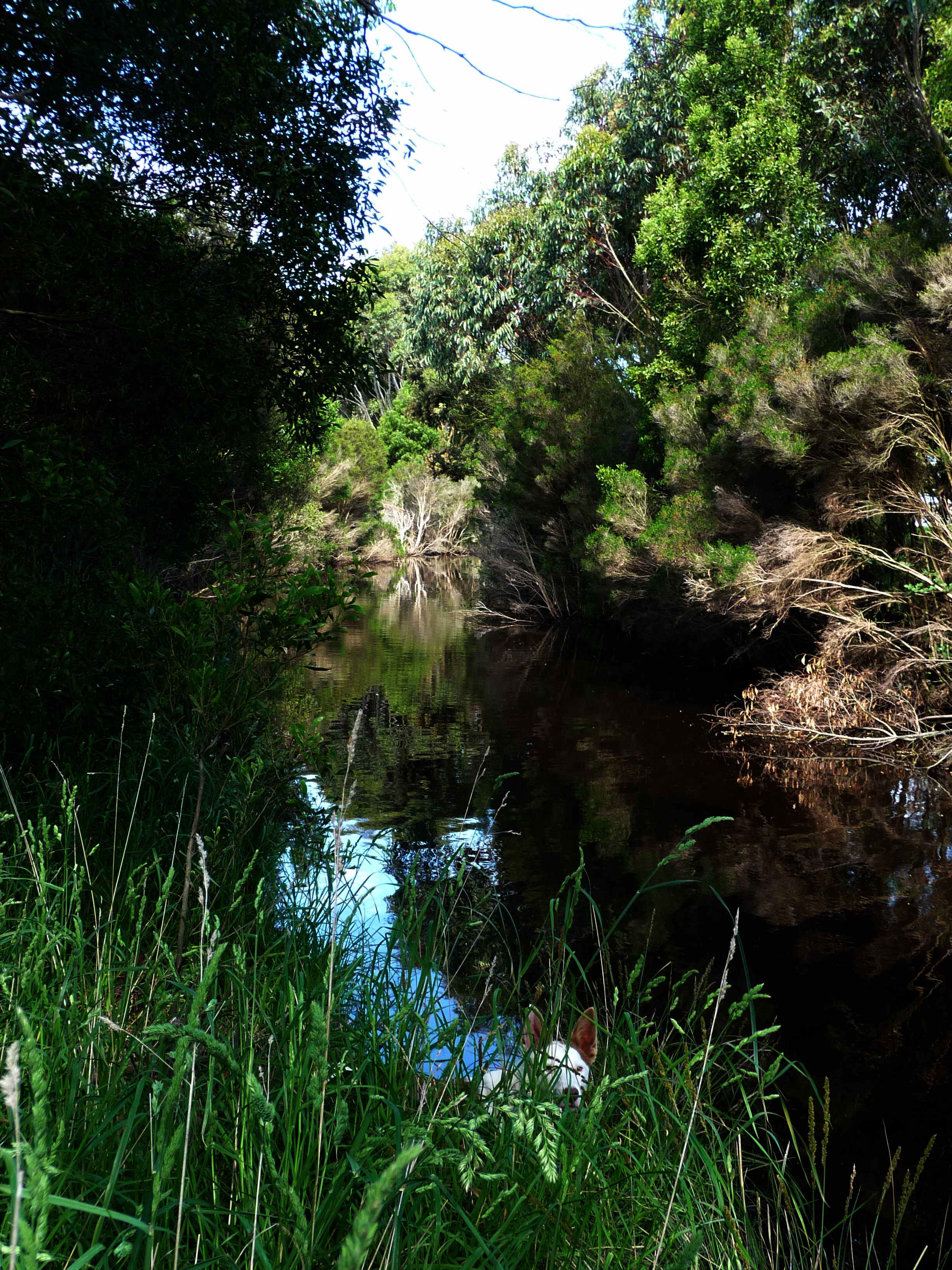
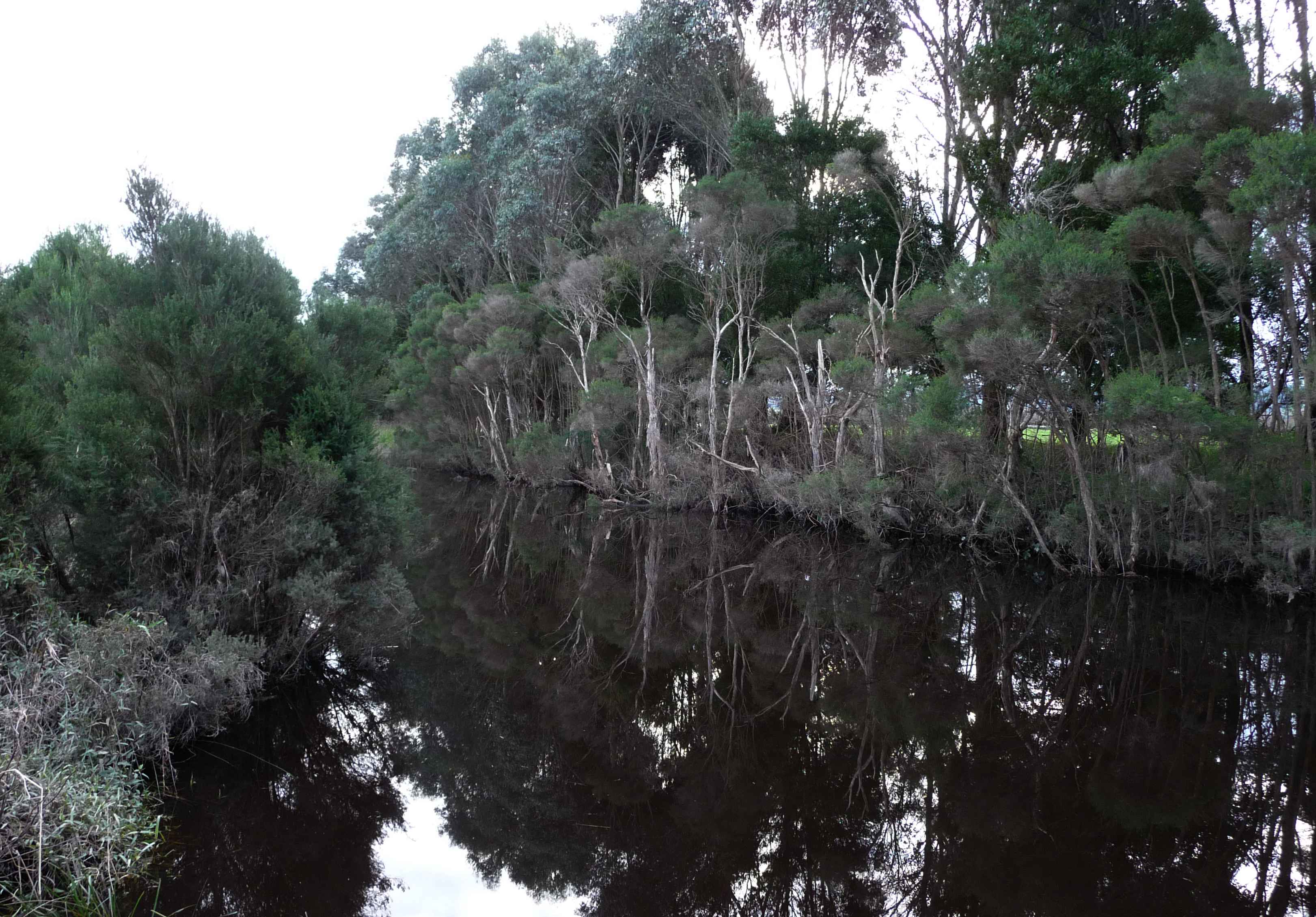
Gully reflections

Smile at the small stuff

The silver lining to the devastation of the flood is that I’m enjoying some of the farm’s special secret spots. The relentless hunt for shorts in the fence bring me to lovely quiet places like this where time seems to stand still and there is no mobile reception.

I’ve been impressed to see how well the trees planted last summer with the Victorian Mobile Landcare Group fellows have not only coped but thrived in the wet conditions.

9 month old trees

Only nine months after planting, these trees are firing on all cylinders

Even trees that I gave up for dead are emerging. The wetland was planted out with 800 blackwoods, melaleucas and swamp gums two years ago. The hardy melaleucas are staging a comeback after months of at least partial submersion!

New trees in the wetland

Swamp paperbarks emerge from the morass

The favoured maxim might be “don’t sweat the small stuff” but I must admit to savouring the small stuff, especially when it’s such an important part of the big picture.