Bittersweet as Devondale milk reaches Coles shelves

Photo: The Weekly Times


Three men in suits – a prime minister, supermarket supremo and the MD of a dairy processor – stood drinking glasses of frothy cold milk on the steps of the first MG Co-op factory dedicated to supplying fresh Devondale-branded and private label milk to Coles. Beneath the froth, however, doubt among the very dairy farmers sponsoring the opening celebrations continues to simmer and bubble.

Ever since the Coles deal was announced, there have been skeptics. Plenty question whether it is possible to make money supplying milk that retails at a dollar a litre and the concept alone that milk could be priced cheaper than water offends many dairy farmers.

The speculation and anger reached new heights this week, however, after a scathing opinion piece in the Australian Financial Review that says MG managing director, “Helou ‘in a hurry’ has a reputation at MG, as he did at SunRice, for being hell bent on revenue over margins.”

The AFR also writes, “MG’s margins are non-existent and its deal has locked the whole industry into $1 milk for a whole, punishing decade, structurally squeezing the profit pool.”

All that gloom follows the journalist’s derisory comments about the Sydney factory being at least one month late, $30 million over budget and the trigger for contractual penalties that can only be imagined. And, yes, when the deal was announced, MG’s farmer shareholders were promised the factories would cost “just” $120 million. MG now puts that figure at $160 million, hinting at a cost blow-out of staggering proportions.

To top it all off, Coles ads pimping our cherished, premium Devondale-branded milk at just 75 cents per litre sent shockwaves through the Australian dairy community on Twitter yesterday.

This ad went viral on Twitter for all the wrong reasons

This ad went viral on Twitter for all the wrong reasons

So, I sent a list of questions off to MG’s executive general manager shareholder relations, Robert Poole, who to his great credit offered these explanations:

Q. What are the actual costs of the two factories?
A. Following our initial cost estimates for the two factories we decided to invest in additional capability and capacity to maximise efficiencies through automation and layout. This brought the total investment in our Melbourne and Sydney facilities to approximately $160 million. This provided for future operational cost savings.

Q. Has MG been unable to supply milk to Coles on time?
A. We have had some shortfalls, however contingency plans were promptly enacted . Laverton is ramping up towards its full capacity and at the moment is servicing Coles requirements in Victoria plus the Devondale Brand both in Victoria and NSW. Our NSW plant remains scheduled to commence production in early August, at which time MG expects to be able to be supplying all of Coles requirements in Victoria and NSW

Q. If so, what are the penalties?
A. This is a contractual matter between MG and Coles.

Q. Does MG have adequate raw milk supply for the Sydney factory now?
A. In New South Wales, we have already sourced more than 180 million litres of milk. This is more than enough to cover our initial requirements of approximately 100 million litres per annum in this market and allows for future growth.

Q. When do you expect the Sydney facility to be supplying milk Coles with its full requirement of milk?
A. The site is being commissioned through July with production scheduled to commence early August, reaching full capacity by the end of August.

Q. When will the investment break even?
A. Both sites are forecast to add positively to MG’s farmgate price from year 1.

If the Murray Goulburn deal with Coles can withstand a 33% cost-overrun and Coles’ penalties while adding to the milk price from year one, this must be an extraordinarily lucrative contract indeed. Who would have thought the Down, Down, Down folks could be so generous?

While you’re chewing that over, take a minute to look at the new Devondale ads via my fellow dairy blogger Lynne Strong, who tells me her post discussing the commercials has gone viral attracting around 1500 views in 24 hours. MG cannot be accused of being boring!
“Bring on the cows” demands a new routine

“Bring on the cows” trumpets The Australian, headlining a story about MG Co-op managing director, Gary Helou. In response to rumours that the co-op might purchase a large Tasmanian dairy farm, Mr Helou reportedly says:

“We are not farmers; MG is a global dairy food processing and milk company, and we will not be buying farms directly; that is not our business,” Helou says adamantly.

“The only way to get extra cows and milk is to up the farm gate price enough that farmers will want to invest (in more cows) themselves. So that’s what I have set out to do, maximise the farm gate price and reduce the cost of processing and the supply chain and then efficient production will follow.”

Here’s the problem: MG is not a global dairy food processing and milk company. It is a co-operative of Australian dairy farmers who are members because they expect MG to, first and foremost, maximise their profitability. Not by investing in a processor (they could just buy ASX shares if that was what it was all about) but by looking after farmers directly.

They don’t just supply MG, it’s not just their MG, farmers ARE MG.

Am I being hopelessly idealistic? I don’t think so. This focus on being a processor has flowed through to the co-operative’s milk price system.

The final milk price only tells half the story. The quoted “average weighted” milk price is skewed to favour farms with flat production curves (mirroring those of the processor) at the cost of farms whose milk supply matches the natural ebb and flow of cow and pasture. For the vast majority of Australian dairy farmers, the way our co-operative pays us is at odds with efficient milk production.

MG must remember what being a cooperative really means before its farmers will be ready to “bring on the cows”.

Watch a calf being born

Although we keep an eagle eye over cows as they approach calving time, most give birth perfectly naturally without any help from us just like this lovely lady. Her calf was up and walking within the hour and running by the afternoon. These little animals are amazing sprinters! Just ask eight-year-old Zoe, who tried and failed miserably to outrun a three-day-old calf this morning!

MG capital raising program raises plenty of questions

Farming is all about taking risks. Our businesses rise and fall largely on the backs of increasingly volatile international commodity price cycles, exchange rates and the weather. Plenty of really good farmers have come unstuck through no fault of their own, other than taking a good risk at a bad time.

On the other hand, our co-op, Murray Goulburn, has always been considered a pretty safe bet. It was formed more than 60 years ago by a group of Victorian dairy farmers seeking a better deal for their milk and has grown to become Australia’s third-largest food and beverage company – dwarfed only by Coca Cola Amatil and Lion.

Our managing director, Gary Helou, doesn’t want to stop there. At a supplier meeting this week, he spoke about the need to move at “break-neck speed” with new products to capture new markets within the next three to five years, swallowing competitors along the way.

They’re exciting times for this once risk-averse co-operative. The proposal being put to farmer shareholders is to list a chunk of the co-op on the ASX so that anyone can buy a piece of the action. Farmers with excess shares will be able to sell to non-farmers but these external investors, however, wouldn’t have voting rights.

Am I in favour? Yes, if the new capital structure can:

  • Enshrine farmer control
  • Maximise farmer profitability
  • Treat all farmer shareholders equitably
  • Allow the co-operative to provide great opportunities for new generations of farmers

Those are big “ifs” and there just isn’t enough detail yet to know whether any of them are satisfied. It is incredibly heartening though that the MG Board has listened to member concerns that the initial start date of the program of July 1 was far too soon to consider the complex implications of the proposal.

That’s the beauty of a co-operative: members have a real say in their own futures. And that’s why those of us who cherish it must have no fear of asking questions.

A backyard campfire, sparkling satellites and a simple sunset tell a story

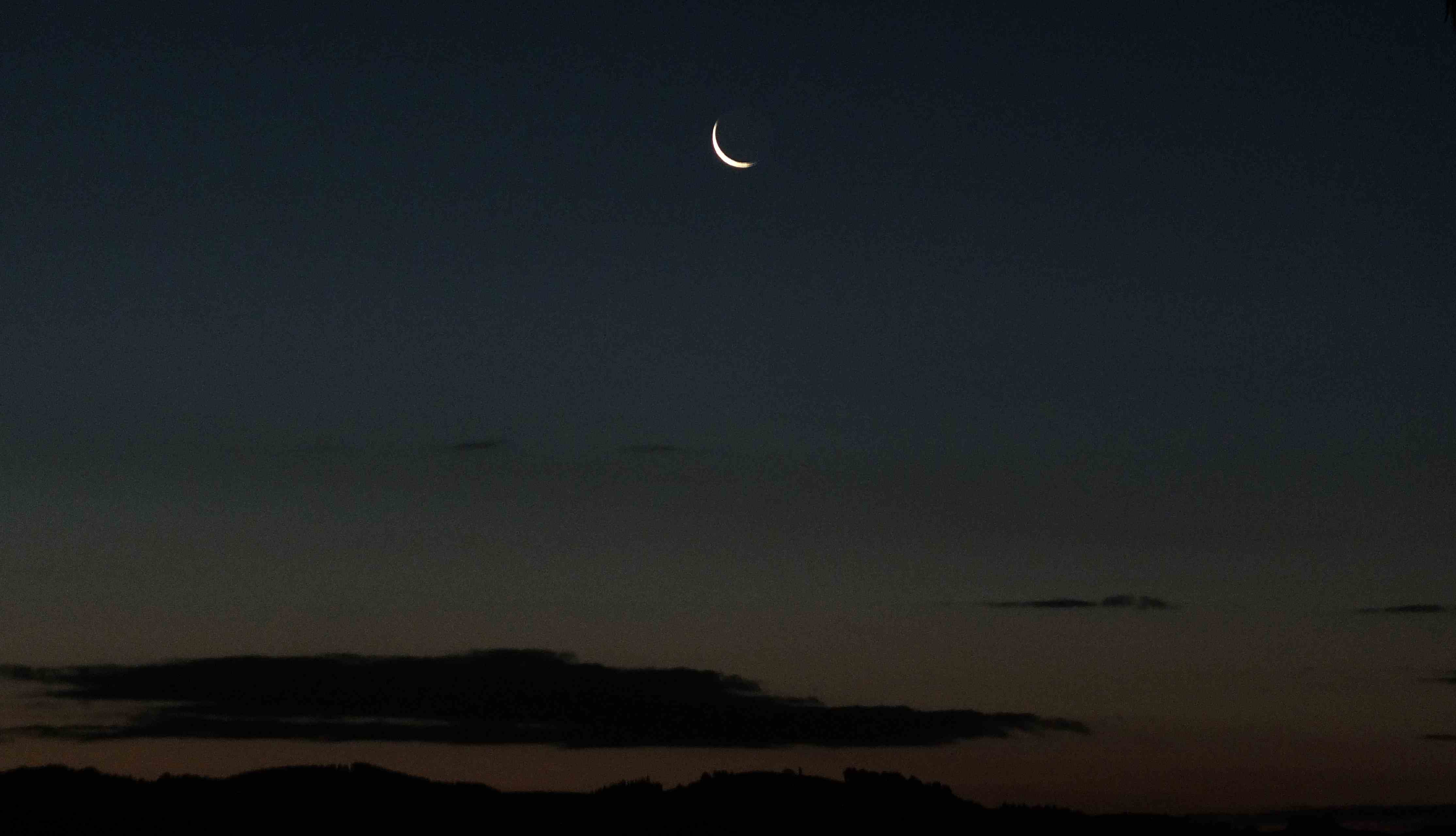
The sunset was fading as the moon rose slowly above the treetops last evening when Zoe remarked, “You know what? Amy was so amazed by the sunset that she took a picture of it on her phone.”.

Moon

Not long ago, when the moon was but a slip, Zoe’s city cousins came to visit. They didn’t go much beyond the confines of the garden but it was an experience of “country” all the same.

We built a little fire on the driveway to toast marshmallows and nurse steaming hot drinks. Normally languid teens who had never before struck a match crashed around in the darkness under the eucalypts for old branches to feed the flames. Uncles and aunts remembered childhood camping trips at Cockatoo and the whole group came alive with sightings of satellites drifting among the stars.

You don’t need to be from the country to see what makes life on the farm so invigorating but you do need a taste of it now and then. We’re lucky to have relatives from the city who love to visit but not everybody’s in the same boat – after all, less than 2 per cent of working Australians call themselves farmers.

It’s a real shame then, that Farm Day, which brings farmers and other Australians together once year, is in recess due to OHS liability concerns. Best of luck to Deb and her team in finding a solution.

Why Landcare matters

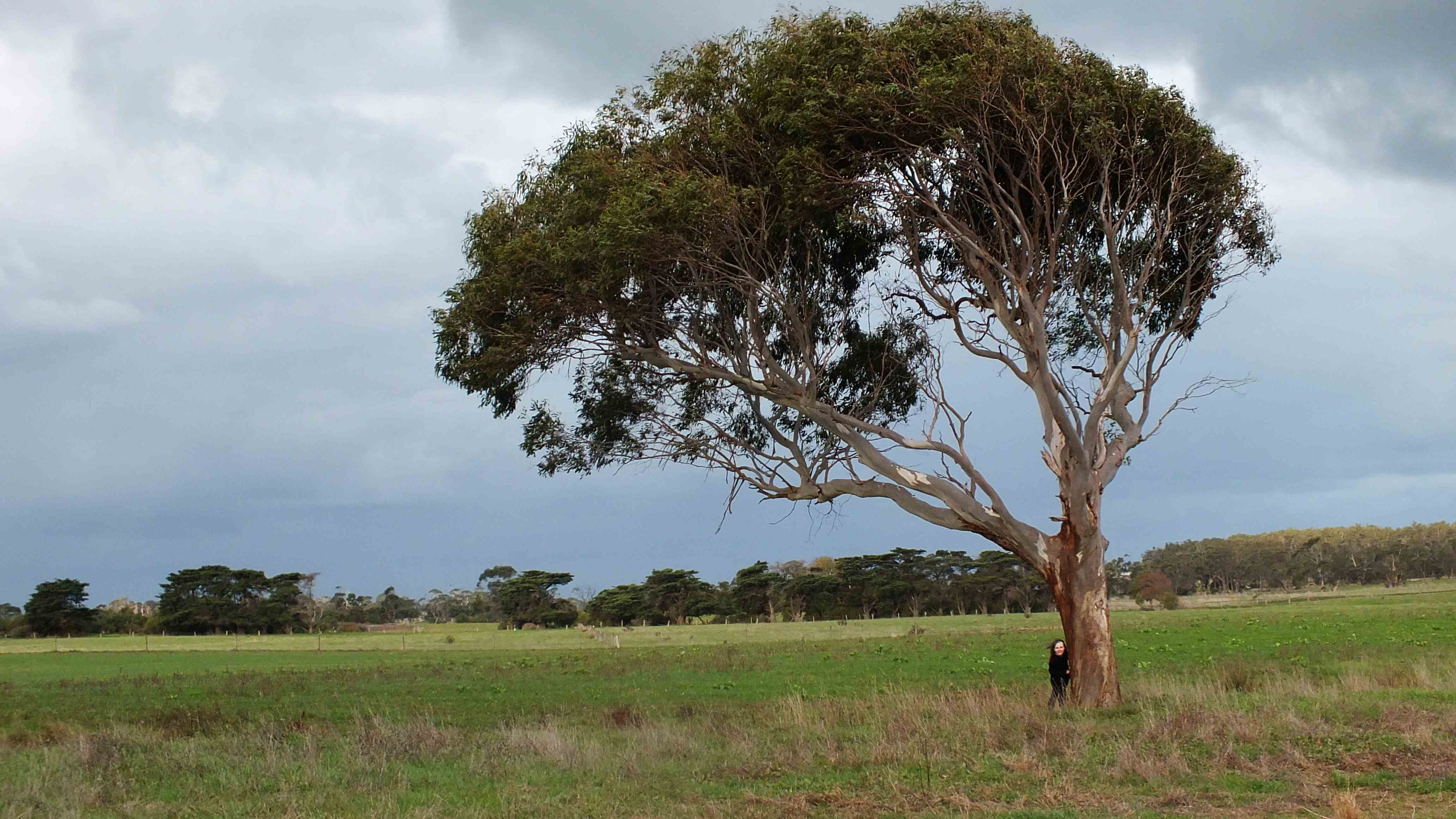
It’s one of my earliest memories. Mum, Dad, my little brother and I took a tiny tree wrapped in paperbark down the paddock and planted it by the bank of the gully. It was a big affair that must have taken an hour by the time we got there, assembled the guard and wandered home again.

But that’s what “tree planting” meant back then and here is the very same tree today.

How we planted trees 40 years ago

A tree just about as old as the Milk Maid

Everything changed in my teenage years when we joined 20 or so of our neighbours to visit a nearby farm criss-crossed with healthy young stands of trees. John and Gayle had created an oasis on a windy flat. It was the first Landcare event I can remember and Dad and I came away totally inspired. He set about planting trees.

An aerial photo of the farm in 1994 shows young trees emerging around the dam but little else. It was still a blank canvas but there was a sniff of success.

The centre of the farm in 1994

The centre of the farm in 1994

Can you see a few trees along a rough line in the centre of the picture? It’s a denuded gully that now looks like this, thanks to Dad’s hard work and a Landcare grant that went towards his costs:

The gully 20 years later

The gully 20 years later

During my six-year-custodianship, we’ve planted nearly 10,000 trees and re-fenced our 11 hectares of forest with the help of Landcare, the local catchment management authority, the shire and Greening Australia. Although the funding sources are diverse, it’s all happened because of Landcare as the group acts like a triage service, matching funding sources with farm projects. The funding doesn’t cover everything but it does make it possible, especially with practical help from other Landcarers.

Landcare continues to inspire. In the last few years, our local Landcare group has created a grand vision that brings together the work of individual farms: creating wildlife corridors that stretch from the forest to the river to the foothills across farms, linking precious remnants to provide a network of habitats. And it’s working. Together, we can see that it’s not just our own farms that are changing, it is the entire landscape.

In this, the 25th Anniversary of Landcare, the Commission of Audit has recommended halving its funding – just as this powerful grass-roots volunteer movement has really begun to make a difference. Do you care? I do.

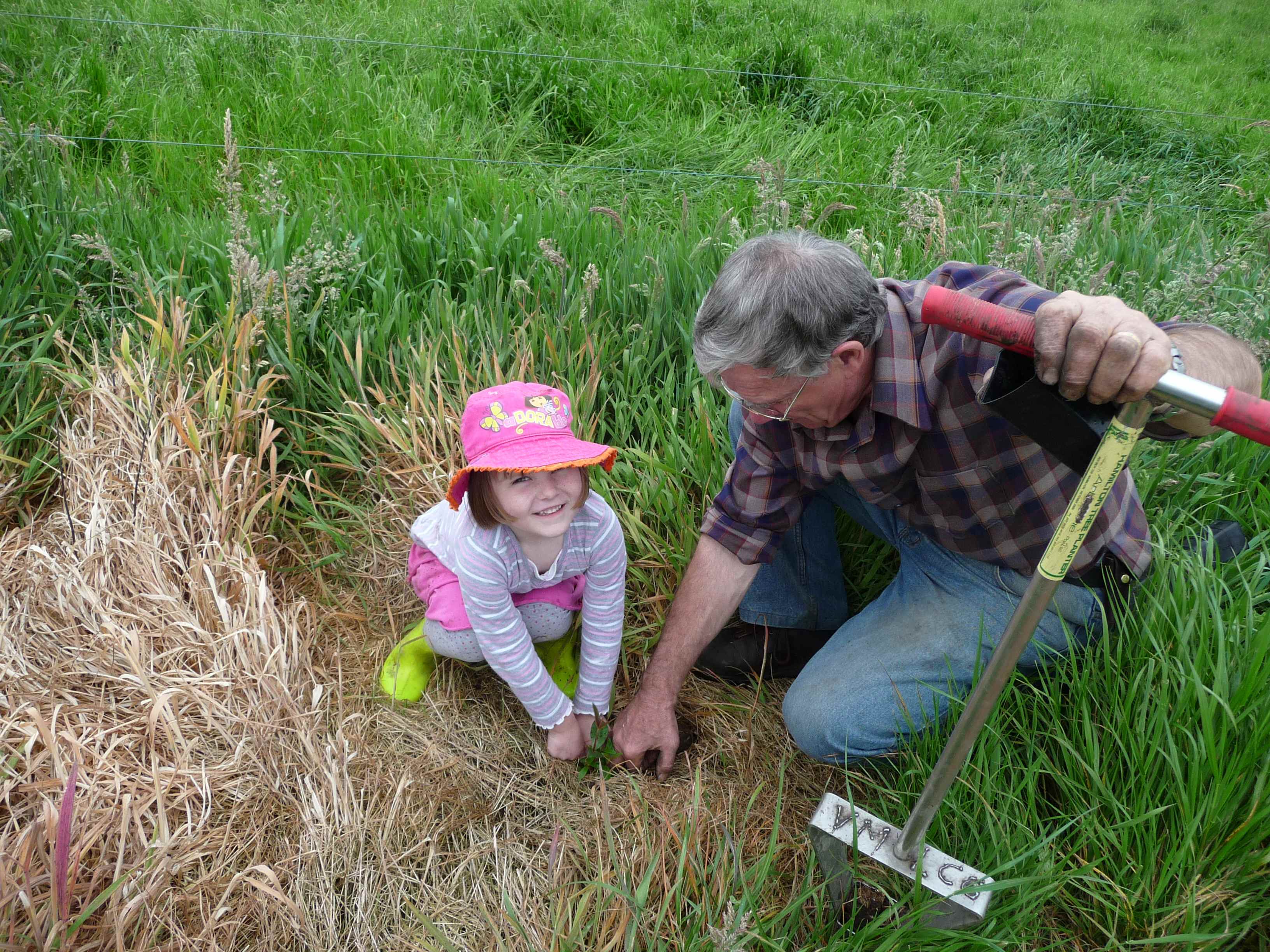
Bruce and Zoe planting in late October

Bruce and Zoe planting trees in October 2011

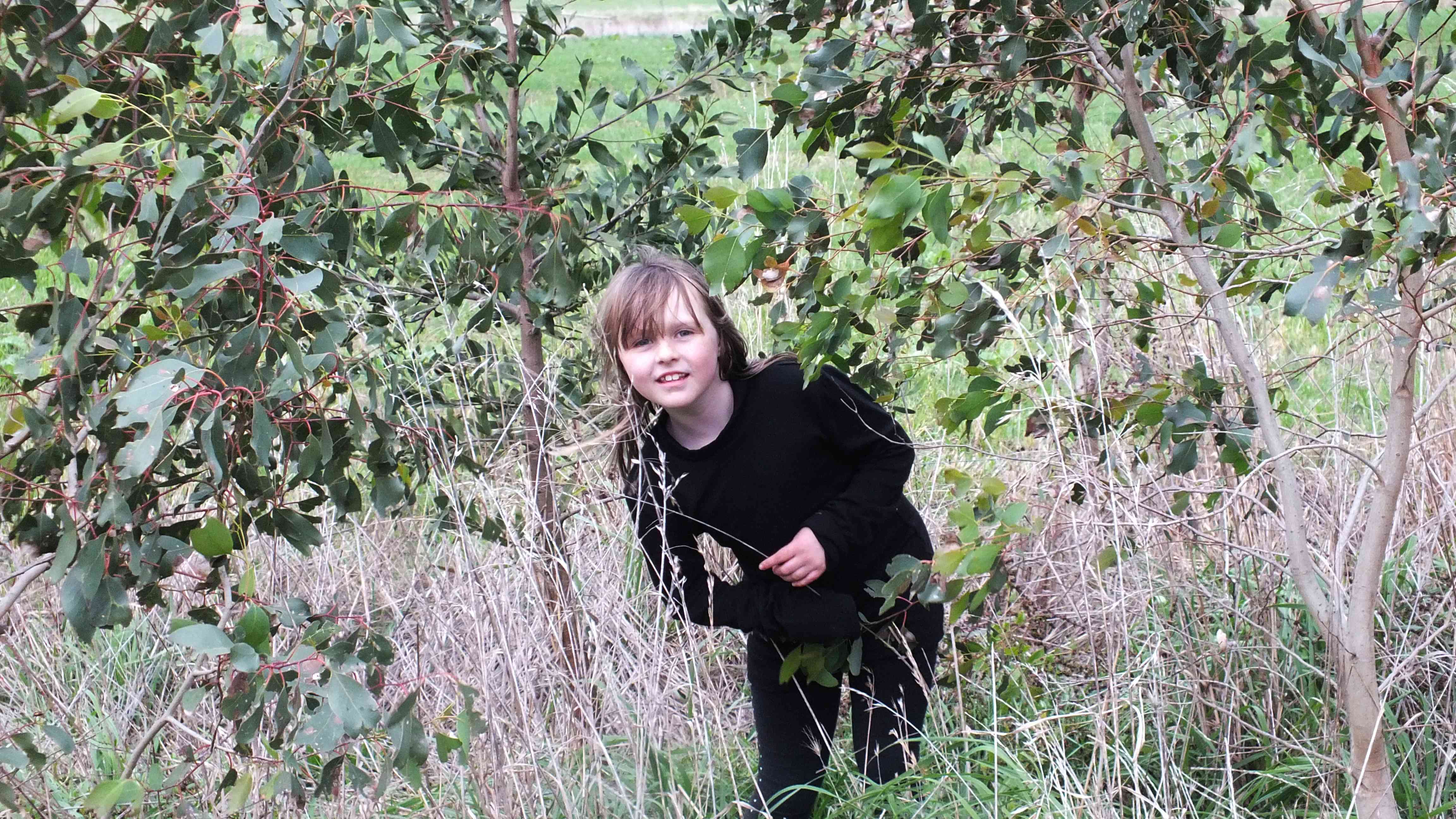
Progress: peeping through the same trees two and a half years later.

Progress: peeping through the same trees two and a half years later.

How you can tell winter is coming

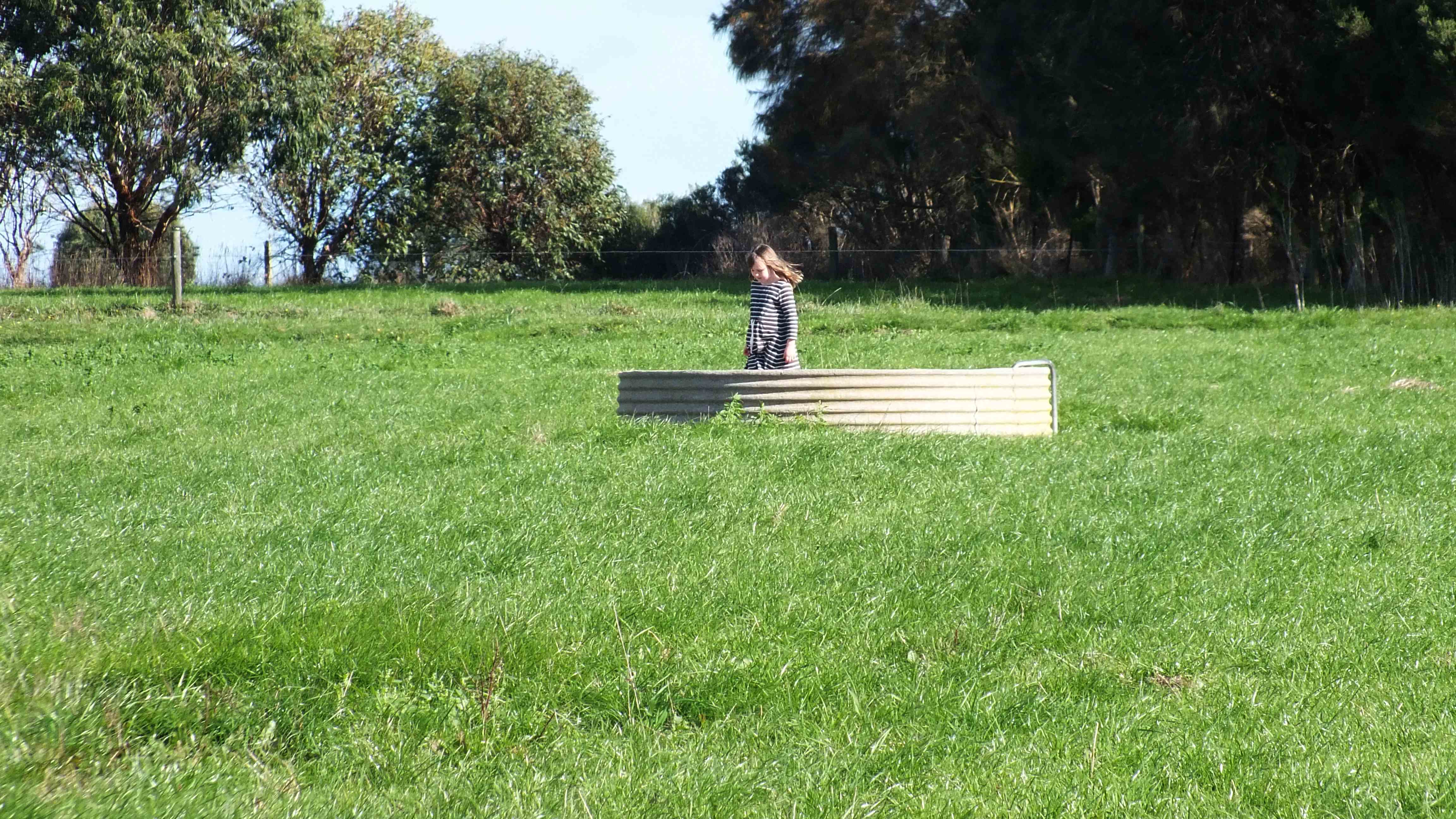
New pastures are flushed with growth.

New pasture soaks up the sun

New pasture soaks up the sun

The ground is still warm and dry enough for bare feet.

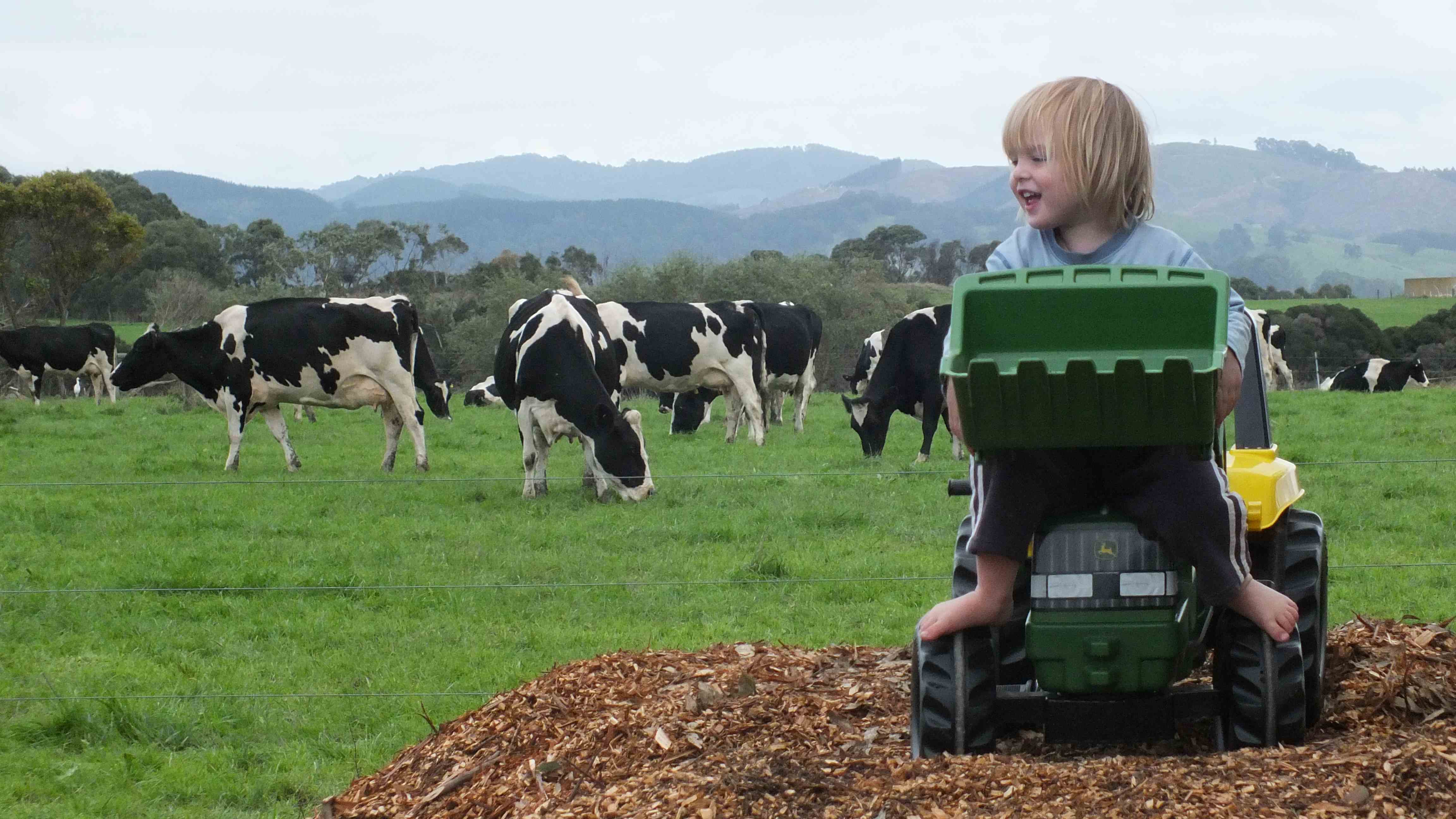
TractorWork

The cows are ebullient.

ButterHeads

The brilliance of our wildlife is unmissable.

The marvellous moorhen

The marvellous moorhen

But, there’s this.

Is this the beginning of the end?

Is this the beginning of the end?

Winter is inevitable and so are rubber boots. In turn comes twisted, slithering southwards socks – enough to test the patience of a milk maid at the best of times, let alone when struggling through mud.

My trusty ones from last season have had it, so now I’m on the hunt for socks that will stay true all day long. There are plenty of great work socks for blokes but their wide toes mean uncomfortable bunches at the tips of my boots. Any recommendations?

A milkmaid’s dirty linen and why you shouldn’t see it

In the three years since I started Milk Maid Marian, I’ve written about everything we do here on the farm. I’ve got nothing to hide. Well, almost nothing.

You haven’t seen our kids running around starkers in the paddock because, goodness, there are some weirdos out there and, in any case, my little people deserve some privacy.

You haven’t seen much in the way of veterinary treatment, either. I’ve written about sick cows here and here, for example, but I’m not going to post a picture of a newly-lanced abscess; me in action using a tractor to lift a cow threatened with paralysis; or the face of a cow in recovery after eye cancer surgery.

Why not? Because it would be unfair. You might not want to see graphic images as you munch your muesli and, second, the images could be abused. In the name of a higher cause, it’s not unknown for activists to take images of cows being nursed back to health and portray them as abuse.

My family’s privacy and the potential for misleading the public are two reasons why I shudder to imagine activists creeping onto the farm or spying on us with drones. I’m naturally protective, so when an email came through from an animal welfare group on just this topic today, I read it with a sense of dread. Here’s part of what it had to say:

“Alarmingly, support for ag-gag legislation is slowly creeping into politics here in Australia.”

“Ag-gag targets undercover investigators, whistleblowers and journalists by criminalising the undercover surveillance of agricultural facilities or by requiring that any footage which is obtained must be turned over to enforcement agencies immediately rather than given to animal protection groups or the media.”

My farm – my home – is an “agricultural facility”, you see.

And, you know what? If cruelty on a farm was recorded, I’d want the information to get to the enforcement agencies immediately so the animals could be rescued straight away rather than whenever it fitted in with the media cycle, wouldn’t you?