Why would an average Aussie give farms a second thought?

What does the average Aussie think of Australian dairy farming? Apparently, not much. They’re happy that their milk and other dairy foods are exceptionally safe and high quality and that’s about it. They know they are blissfully ignorant and most are happy to keep it that way.

This was the message from Neilson’s Courtney Sullivan when she addressed the Australian Dairy Conference last week. She’d selected some drawings made by milk drinkers to give us an insight into their thinking. A cow with eight teats and two udders produced milk that somehow got to a factory, then a warehouse, then into a massive shopping trolley that finished up in a massive house.

So, why are you here reading a dairy farmer’s blog, dear reader? You are obviously an exception from the norm and I’m very pleased that you are so far from average (still, it is very rare to meet an average Australian, who shares a home with 1.6 others and one-third of a dog).

Apparently, the Australian Year of the Farmer believes that the average Canberran family gets excited about loyalty cards when they think of farmers. Victoria Taylor took her family to the Canberra Show last weekend and you’d be amazed to read her blog post about the experience and the lasting impression made by the Australian Year of the Farmer stand.

Love to hear your thoughts on what makes farming interesting to those not currently up to their boots in it!
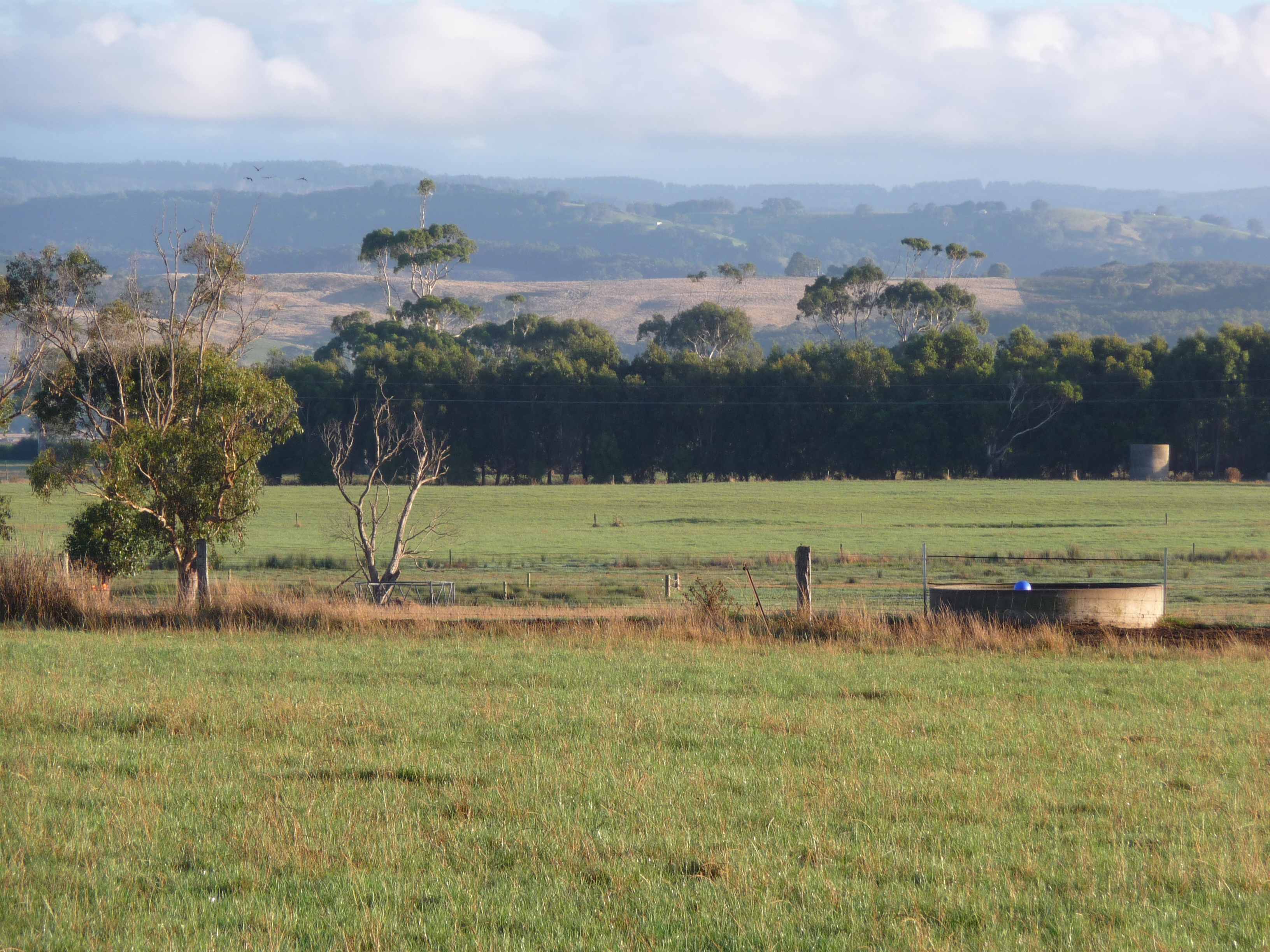
Early morning greeting as the farmer tends her animals

With a scorching 36 degrees Celsius forecast today, Zoe and I decided to get out on the farm nice and early. Amazingly for mid summer, it still looks lovely and green.

Cool morning

Cool before we cook

One of the first things we did was check on a calf in the sick bay. Dubbed “Pinky” by Zoe, this calf is about the same age as my own baby Alex – eight months – and is thriving but had an umbilical hernia that vet Pete operated on last week. We are spraying her with a pink disinfectant and fly repellant to keep her wound nice but it looks horribly inflamed as a result. She’s camping in a small paddock by the shed with a friend to minimise the amount of running around she does for the next week or so.

Pinky

Pinky recovers in the company of a friend

Zoe and I also stopped to top up Charlie and Lola’s pantry and say good morning to our semi-nocturnal Maremma guardians.

Charlie the sleepy Maremma

Good morning sleepy head

But it was a far less cuddly creature that greeted me when I went to check the milk chart.

Chart

Aaaargh...look who came out to greet me!

Yikes! Got to take the good with the bad!

Today I have 5 minutes with Australia’s dairy elders

If you were given five minutes to address the Australian Dairy Conference, what would you say?

I have that honour today and was asked to speak about my experiences with social media. It’s not a lot of time, so I’ve opted for the “shock and awe” approach, beginning with a real-life case study showing how ordinary dairy farmers brave enough to wear their hearts on their sleeves won new friends in the face of scandal. I’ll close with a yet to be revealed threat and an offer to attend my social media workshop on Friday so we can deal with it together.

Before I take the podium, Neilson’s Courtney Sullivan will tell the conference that dairy has a great reputation in the wider community. Australian dairy foods are safe, nutritious and pure. That’s a priceless position of trust we should treasure and protect because it took decades to build and could be lost in the blink of an eye. If you’re not convinced, ask a beef farmer.

Farmers typically only appear in the media during drought, fire, flood, plague…or when a horrific case of animal abuse is uncovered. It’s hardly surprising then, that we are considered whingers and, in turn, city folk (including policy makers) have “no idea”. No longer. The rise of a new, grass-roots media (Twitter, blogs and Facebook) means we can tell our own stories. And what has amazed me is just how many ordinary Australians want to hear them.

Now, back to that question for you. If you had five minutes to speak at the ADC, what would you say?

I’m a greedy parent

I’m something of a greedy parent. I want my children to be strong but gentle, thoughtful yet bold and big picture thinkers who care about the small stuff (maybe Zoe will one day point her shrink to this post as evidence).

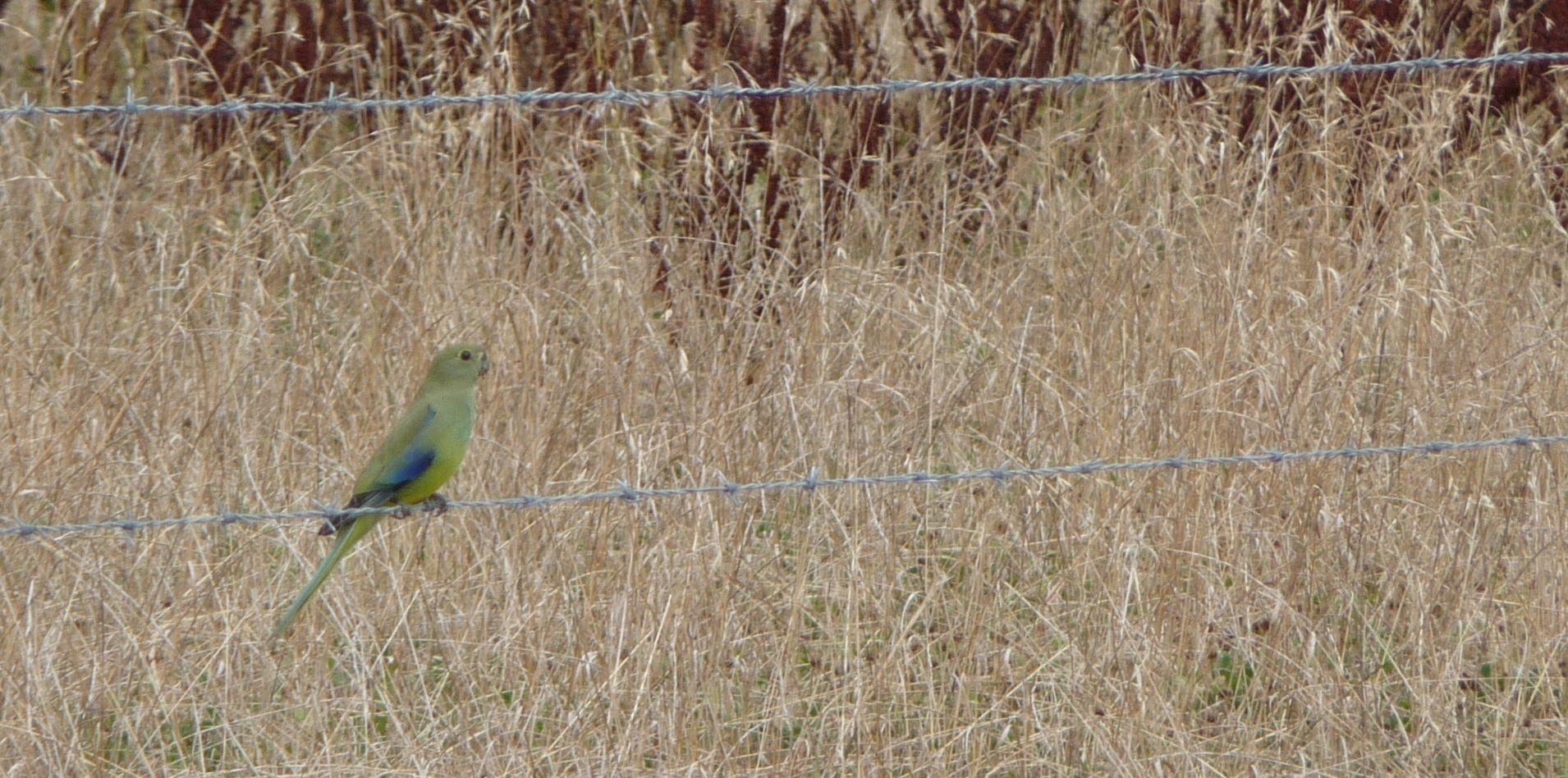
Blue winged parrot

The critically endangered orange-bellied parrot?

I’m a fairly excitable type and nearly crashed into a fence post when I saw this little bird and its mate on the farm because I had only that morning read this description of just such a bird by the Parrot Society:

“Australia’s Orange-bellied Parrot can be ranked with the Giant Panda, Whooping Crane and Siberian Tiger as amongst the rarest and most endangered of the Wildlife. Only 100 to 200 individuals still exist.”

I managed to snap a pic before the timid pair flitted away and breathlessly told the Little Farmer how lucky we were to see it. As an idealistic 20-something, I even trudged through the mangroves down near Wilson’s Prom in a fruitless search back in the 90s.

Having turned to Pizzey’s Field Guide to the Birds of Australia though, my excitement evaporated. I think instead, we have slightly atypical blue-winged parrots. Lovely and thankfully, in good numbers.

Just as Berenson’s Father Bear’s stuff-ups were the makings of a great Baby Bear, though, I hope my enthusiasm counts for something in the parenting stakes.

Snakeoil and women in agriculture please pass the scones

When the local dairy expo advertised it would have a “Women’s Pavilion”, I pondered the possibilities. Striptease? Baby change tables and comfy armchairs for breastfeeding mothers? A new pseudonym for toilets? Surely not!

No, the Women’s Pavilion was chock-full of arts and crafts. Crochet, quilts, preserves. Delightful yet patronising to this farmer who happens to be female and is just as interested in cattle crushes as the next man.

Now I’ve heard on the grapevine that a very high profile ag event plans a nude calendar featuring hunky farming fellas while the women’s contribution will be…recipes. If it is true and I am asked to share my favourite recipe, let’s hope they catch me on a good day.

Speaking of recipes, I was stopped on the side of the road by a salesperson just the other day who had the “solution” for all my farming woes. His special mix will lift our milk solids (fat and protein for the uninitiated), get every single one of our cows in calf, halt mastitis in 48 hours and even cure any mistletoe in neighbouring trees. All I have to do is put 2.5kg of the magic powder in the water trough each day. Nothing else, he was keen to stress.

I asked what was in the magic powder. He would only say that it was humic and fulvic acids, probiotics trace elements and minerals and it was devised by a man in Holland. “It’s a secret recipe,” he explained when I questioned him further. When I quizzed him on the science, he got himself confused and pulled out an abstract of a “study” that I was welcome to read there on the roadside. Said I could Google it. Thanks.

He has no literature, no website and no farmer referees either but a lot of people around here are trying it, he says. What’s more, if it doesn’t cure all my woes, he will give me my money back.

Farm consultant John Mulvany often warns dairy farmers to be wary of spending money on “herbs and spices” for their feed but this takes the whole feed additive bandwagon to new lows.

Dairy farming is highly professional these days. Labs test the soils that grow our grass, the feed that sustains our cows and the milk that they produce for optimum environmental, animal and human wellbeing. So where does snake oil like this fit into that equation? I reckon it’s the agricultural equivalent of the Tattslotto ticket. We all want to dream.

Have Australian dairy farmers given up?

I know things have gotten tough for Australian dairy farmers but I’d hate to think of us as quitters. Still, as the Dairy Levy Poll roadshow tours the country, it seems a real possibility that in just a few weeks we will try to vote ourselves out of existence.

In just a few weeks, Australia’s dairy farmers will vote whether to increase the amount we pay in levies to research and development body, Dairy Australia, or have it abolished. I hate seeing any deduction from my milk cheque as much as the next farmer (believe me!) but I also know that I would not be farming here today without that Dairy Australia levy.

Twenty years ago, our farm looked greener but not all that different from the beef farm next door. Dad was more interested in his role as local councillor and, later, dancer and bushwalking pursuits than in making every blade of grass count. And he could afford to. Farming was more profitable then and his debt level was low.

One divorce and a drought later, things changed. Faced with a suddenly massive monthly interest repayment, it’s fair to say Dad’s initial response was to panic. He lost two stone off his already very slender frame, considered selling the farm and then sought help. His decision to enrol in a Dairy Australia levy funded Target 10 course and to seek the advice of farm consultant, John Mulvany, saved the farm.

Productivity soared as a rotational grazing system offered cows fresh, high quality grass every day. Dad also confessed a new enthusiasm for farming. After 50 years on the job, he was learning again. He then embarked on just about every DA funded course he could find: Feeding Dairy Cows, Fertilising Dairy Pastures, Feeding Pastures For Profit, Countdown Down Under and Cow Time are just some of the handbooks he left behind.

Today, my interest repayments are even higher than Dad’s and farm margins are even tighter but with the latest know-how, I will make it.

Australian dairy farmers have become some of the lowest paid in the world. That stinks but it’s the reality. If we are going to survive, we need to be smarter than the rest. And if we don’t vote for investment in the very research that keeps us going, can we really expect the Australian taxpayer to help? I think not.

If you want to send a message to the bureaucrats, ring them up and tell them you’re not happy. I do. But I’ll never tell them I’ve given up and that’s why I will vote yes.

How to get into social media without it taking over your life

I’ve been talking to lots of farmers in preparation for the free social media workshop I’m running at the Australian Dairy Conference on February 24 and three things seem to hold them back from getting into blogging or Twitter:

  • I don’t have time or want to make that kind of commitment
  • I don’t know where to start/not good with computers
  • I don’t want to “put myself out there”

They’re three really good reasons not to jump in the deep end and write a blog but there are two much easier ways to participate in online discussions.

1. Get a Twitter account, upload a profile and start making tweets and contacts
2. Comment on other blogs

Facebook is also very popular (especially with young people) but I’d recommend dabblers leave that until later if it appeals.

How to make use of Twitter

Victorian dairy farmer and UDV Vice President, Ron Paynter, recently wrote of his experiences with Twitter on dairy forum Udderly Fantastic and allowed me to use this excerpt:

“I’d heard of Twitter, and despised the concept of people slavishly following the every banal scrap of information from some air headed celebrity who only survives off the oxygen that being continually noticed gives them. Honestly, who cares what Kim Kardashthingy had for breakfast. I had recognised that during emergencies like the Qld floods, Twitter had played a part in keeping people informed, then later in the year, we had that powerful image of a massive social movement, co-ordinated through Twitter being instrumental in the Egyptian Government change.

Still, despite these clues about the potential of the ‘tweet’, I was a non-believer. Didn’t need it! No time to set up an account or learn a new way of communicating. Besides, what can you say that is at all useful in less than 140 characters?

“What changed was a ‘call to arms’ from some people already involved in Twitter. On a Tuesday night, between 8 and 10 pm, there was going to be a ‘Twitter Forum’ on issues around animal welfare in our industry. We needed people, real farmers, on Twitter to put our case forward and not allow the discussion to be hijacked by activists or the uninformed. So, @payntacow was born and @payntacow, along with several other new conscripts joined in on #agchatoz, the discussion forum location to see what transpired.

There was no abuse, no searing accusations, no threats of coming around and giving you a fat lip . The discussion, formed around six or seven key moderated questions, was sensible and civil and the activists were notable in their absence. The people who were there were interested, some had opinions, some were happy to lurk and learn, but all were supportive and looking for information or genuine debate. I was so impressed by the thoughtful fellow twitterers I met, that I went back to the #agchatoz forum the next week, and have kept on coming back.

Access to a smartphone or tablet like an iPad makes tweeting as easy as checking your watch. Twitter people who I am following include dairy identities such as Milkmaidmarian, Graeme Nicoll, Esther Price and Lynne Strong. Twitter lets you expand the source of ideas well outside your local area though. I’m following an ag teacher in QLD who is passionate about agriculture, a dairyman in Arizona, and a vegan activist in the US. Each day, there are new people or groups to follow if you think they may have something of merit to listen to, and each day, I pick up followers who want to listen to my views. It’s a really  interesting ongoing conversation that you can pick up on whenever you have a spare minute and phone handy.

“So, I’ve fessed up. I am a twitterer. And I was wrong about tweeting as being shallow and not interesting. What Twitter provides is a rapid way of sharing ideas and information, and the chance to have a real dialogue about the ideas, albeit in 140 character chunks.

I really believe that as an industry, we need to be involved in the discussions. I’d encourage anyone who can try Twitter to give it a go.”

Twitter’s limit of 140 characters is its strength. It’s easy to contribute in short bursts of time and you can still make more complex points by using it as a signpost to other information. In fact, Twitter is the number one way people find my blog.
Comment on other blogs
Commenting on other people’s blogs is a fantastic way to dip your toe in the water of social media without committing. It takes as much or as little time as you like and you can add valuable new information or perspectives right where the discussion is already happening.
Just a few words of advice:
• Of course, be polite, thoughtful and add to the discussion
• Save your energy for forums where people are genuinely interested in different points of view (I tried reasoning with activists and learnt my lesson the hard way).
Anyone is free to attend my workshop, Blogging and Twitter Made Simple, (even if you’re not registered for the conference) on February 24 at Ellinbank. We’ll get you up and running online whether you want to dip your toe in the water or jump in at the deep end!

John Mulvany tells how young dairy farmers can make it work

It’s official: buying your own dairy farm may no longer be affordable but some entrepreneurial young dairy families are finding other paths to prosperity.

The answer is to farm without the farm, says John Mulvany of OnFarm Consulting. Ahead of his address to the Australian Dairy Conference on Thursday 23 February, I invited John to write a guest post especially for young farmers.

All dairy farmers at the Australian Dairy Conference will be somewhere on this dairy farmer life curve: it’s about balance between skills acquisition, growth, life style and eventually discretionary involvement.

FarmerLifeCurve

SA – Stuffing Around

FTCF – Focus, tight cash flow

TAF – Tight arse factor

HD – High debt

HEQ – High Equity Cons – Consolidation

DI – Discretionary involvement

Many dairy farmers are asset rich and energy poor. At the same time, many young dairy farmers are energy rich and asset poor. With land prices increasing while profit margins fall, landowners will find it harder to find young farmers capable of buying their farms.

Three young dairy couples I’ll introduce at the Australian Dairy Conference have taken their cue from many successful retailers: they don’t own the farm. Instead, they lease land to operate profitable dairy businesses while investing the returns from their dairying in high growth assets beyond the farm gates.

Warren and Kerrie Redmond, for example, entered the dairy industry with no assets in 1989 on a third share of 167 cows. Today, they lease just under 1000 hectares with 486 hectares milking area for 900 cows over three farms. Off-farm investments include three houses, FMD’s and shares. Last calculated return on asset was in 2010/2011 at 22%. Lifestyle is now very much a priority.

Gems of Advice for Young People in Dairy

• Keep an eye on the big picture – it’s easy to get lost and discouraged in the daily crap.

• There will be a minimum 8 -10 years where the pressure will be on and you’ll wonder if you are going anywhere.

• Build your reputation so people seek you to rent their assets.

• Keep your bank informed; they are your best friend when investing in high-risk cows and plant at the start.

• Spending is restricted to sensible money making assets – no shiny red toys.

• Purchase off-farm capital growth assets as soon as your debt level allows.

• You will have to make some sacrifices and initially be prepared to work hard manually while balancing decisions.

• In re-working arrangements, think outside the square, keeping the interests of both parties in mind.

Something to make the heart sing

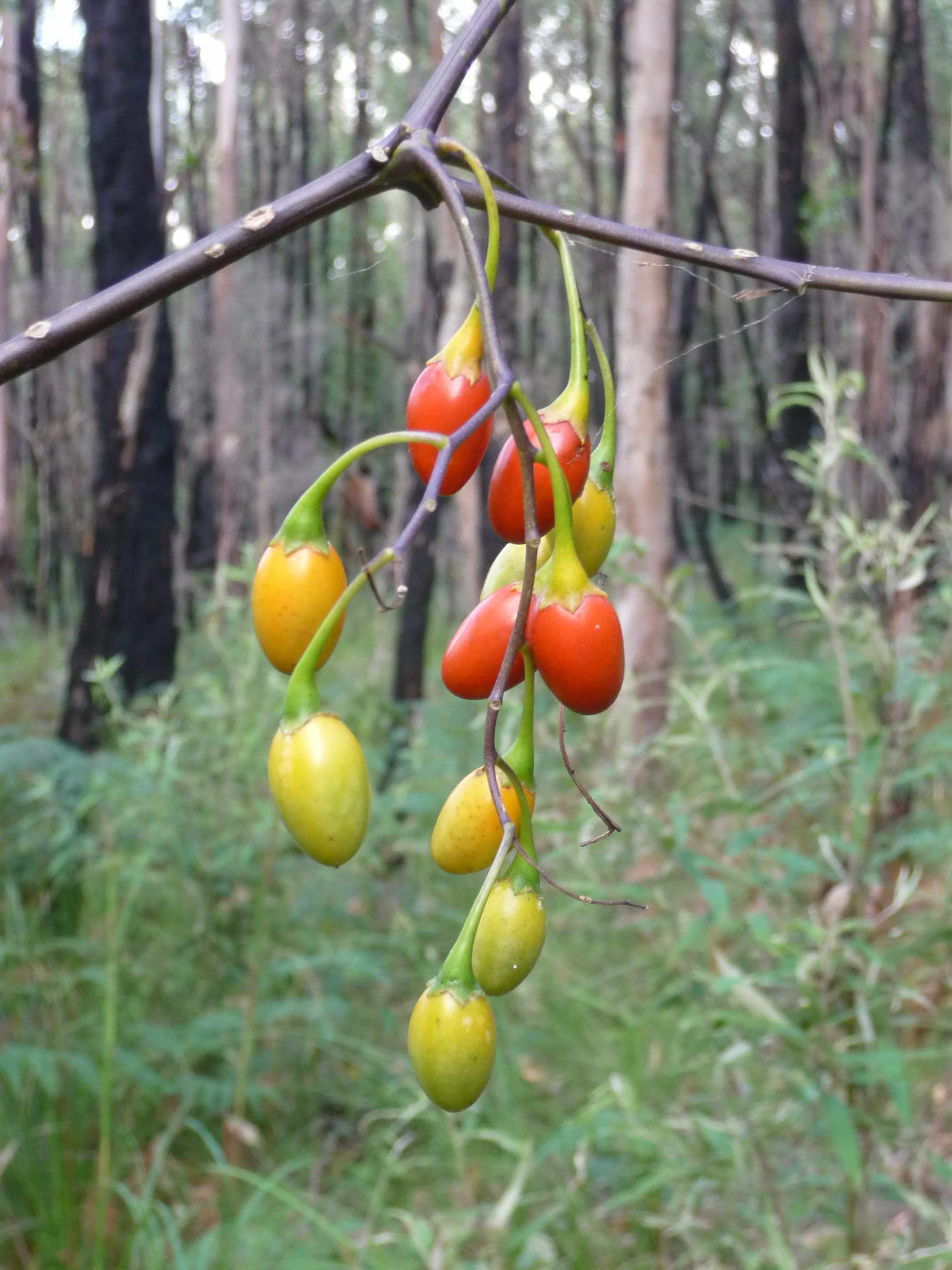
Kangaroo apple berries

One of our "Summer of Zoe" discoveries

This is officially “The Summer of Zoe”. As my dear little farmer starts school tomorrow, I have begun taking her further and further into the forest that bounds our farm to celebrate her launch into the big, wide world.

She has found herself entranced. Secret paths lead from farm to forest, amazing creatures present themselves and the bush smells wonderful.

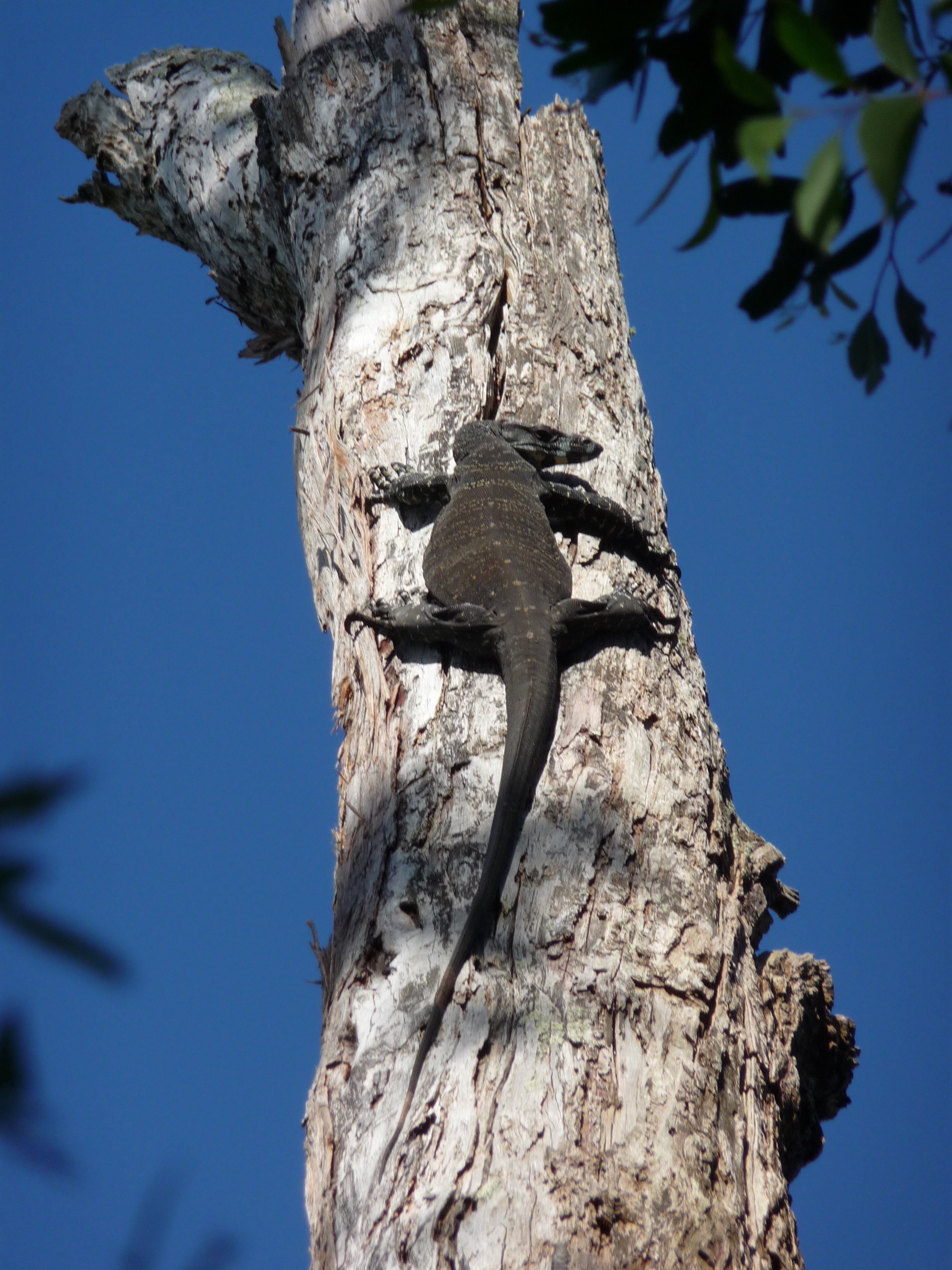
Goanna

An inspired Zoe even made her own goanna video

Somehow, Zoe senses this is a rite of passage. She volunteers that, one day, she will show her own daughter the ways of the forest and then says “You are beautiful, Mama, and I will never forget you”. She hasn’t yet waved goodbye from the school gates but I am already missing my wonderful little soul mate.