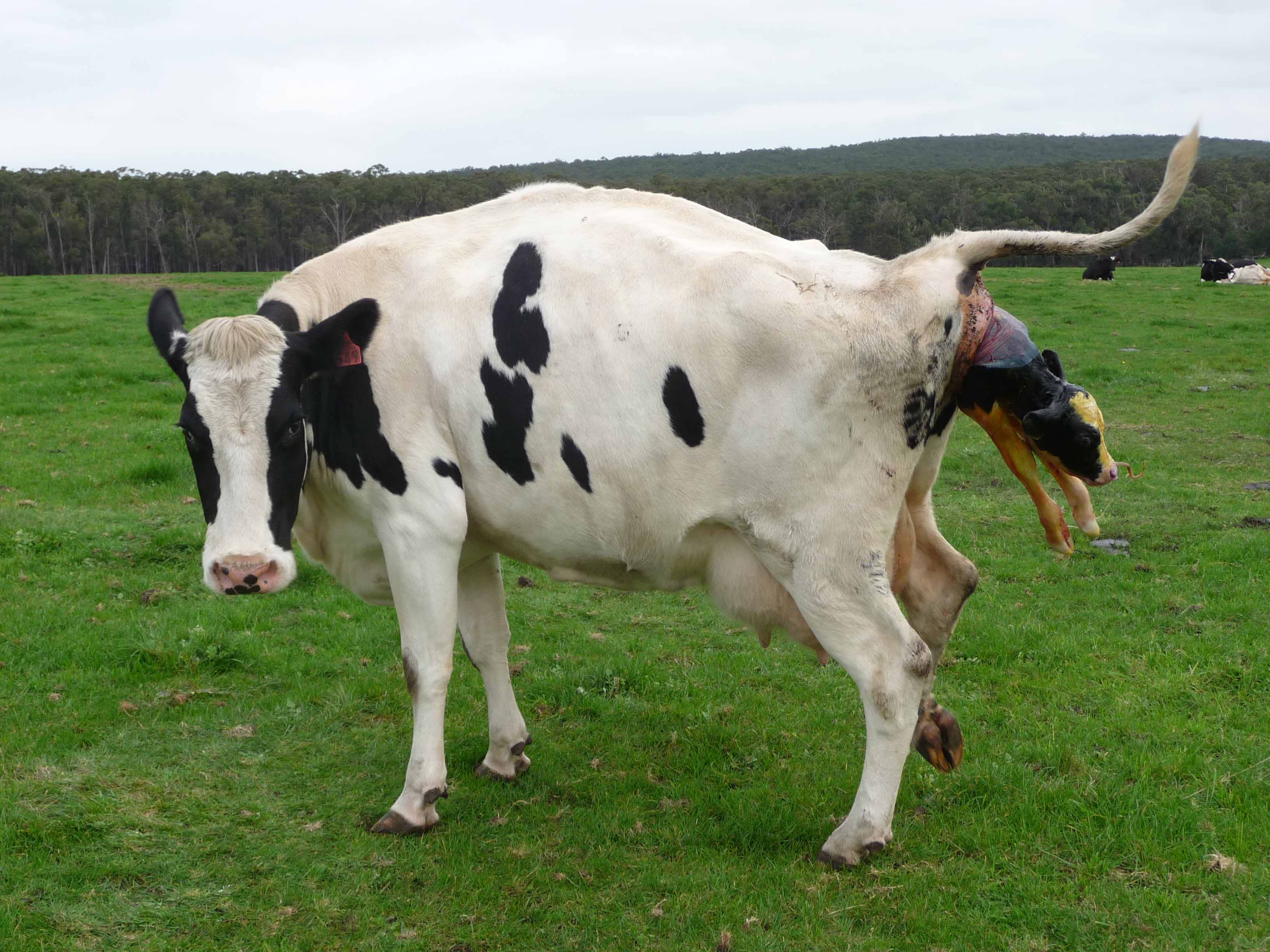
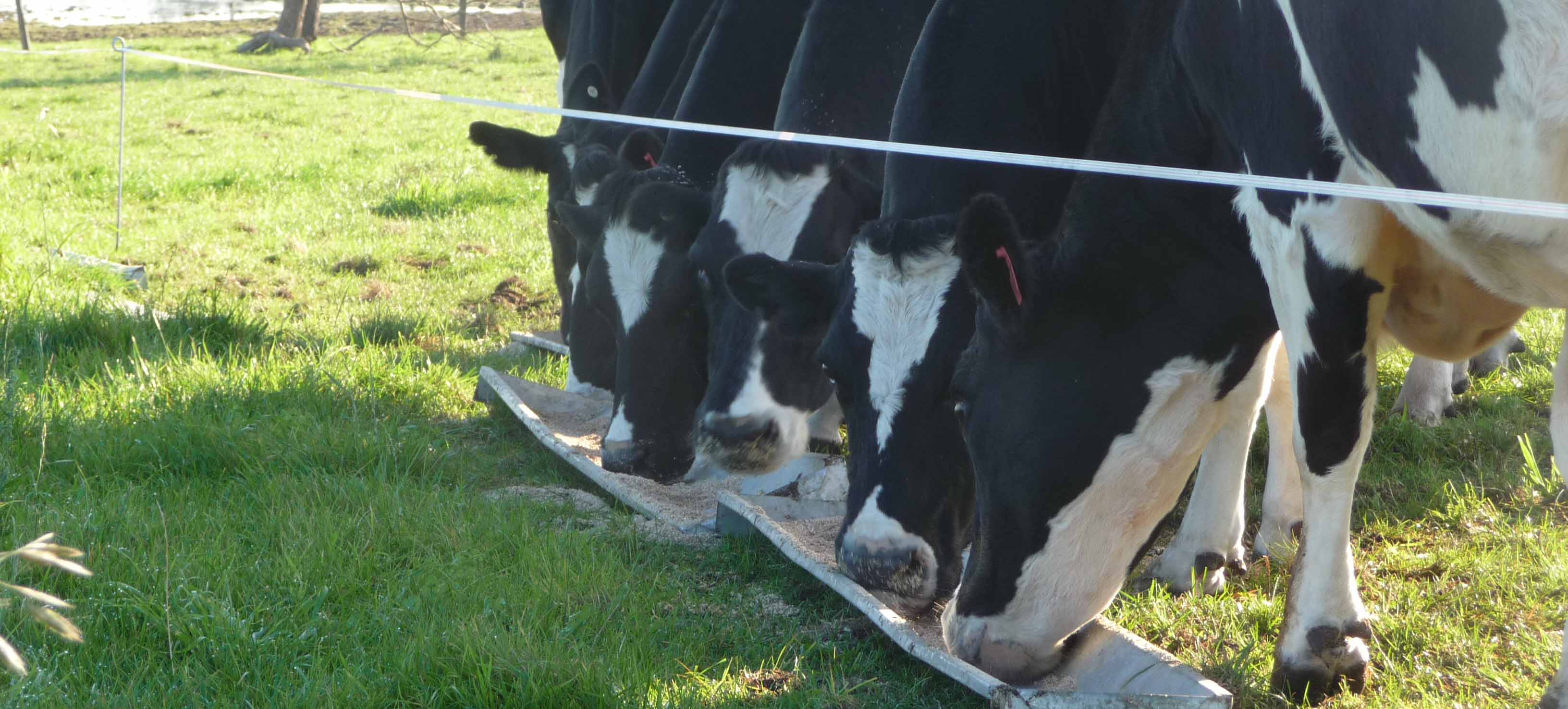
Daylight savings catches the cows napping and we Unleash The Zoe

Cows are creatures of habit, that’s for sure. If we’re half an hour late to round them up, they start arriving at the dairy demanding to know why, so you can imagine the annoyance when we are a whole hour early.

Daylight savings may not fade the curtains but it does confuse the cows for a day or two. Couple this with the luxury of a doze in the afternoon sun after a really good feed and you have cows that don’t want to get up for anyone.

Daylight savings does not impress our cows

Daylight savings brings no sense of urgency to our cows

We decided there was nothing for it but to “Unleash The Zoe”. Our little girl has a commanding presence with the cows and her lion’s roar is known to scare everyone from baby Alex to silage contractors!

Unleash The Zoe

Unleash The Zoe gets results

New part of the farm opens up

First grazing since the wet

The first time this paddock's been grazed since autumn

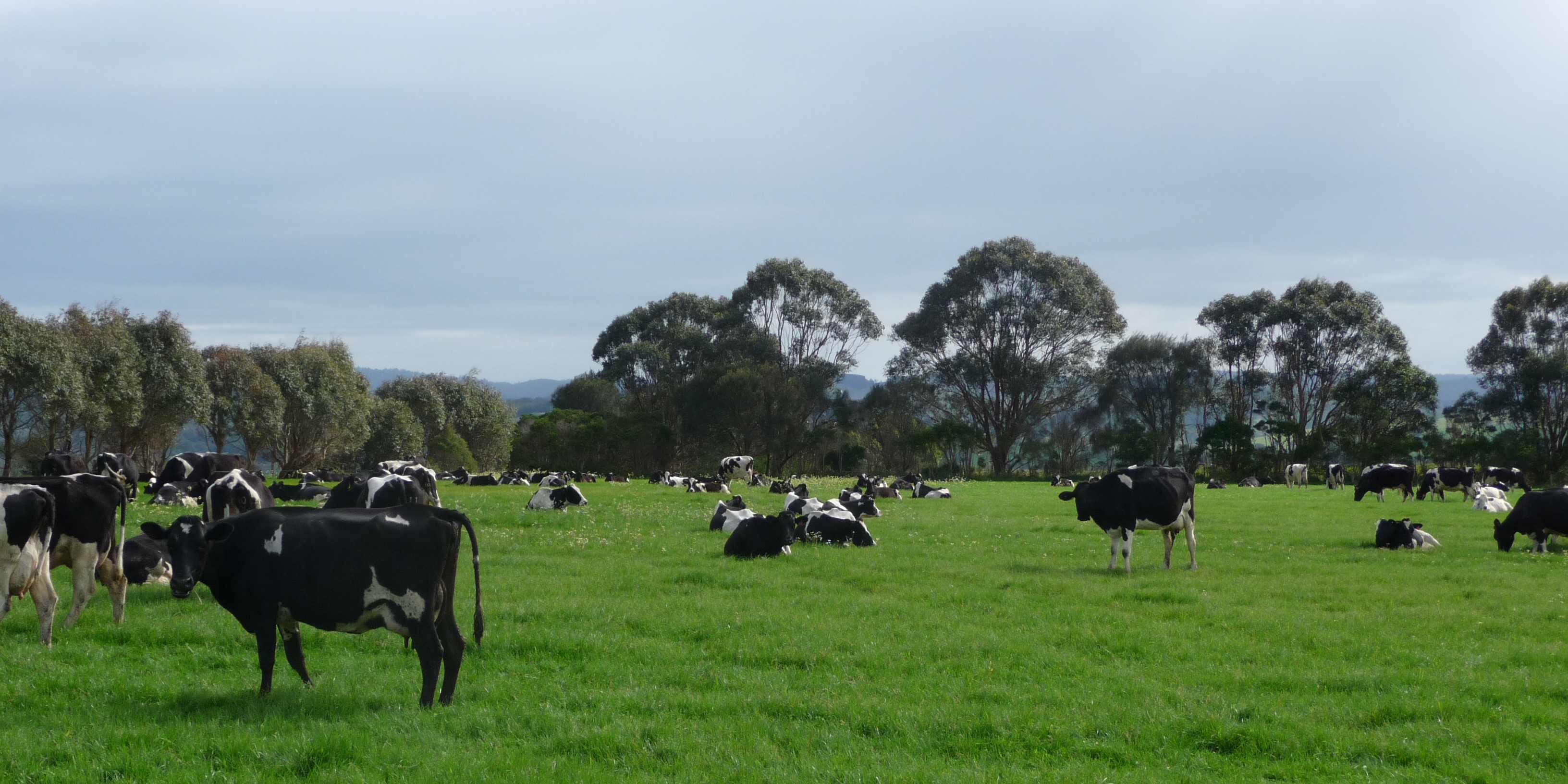
Here’s a view of the farm you haven’t seen before simply because it’s been too wet to get there until now! Spring has arrived and suddenly, there are four paddocks we can access that have been out of action since they were renovated in autumn. And don’t the cows love them! The pic above shows cows that have just left the dairy, while the ladies below have left the dairy, eaten their fill and decided it’s time for a snooze.

According to scientists quoted in The Weekly Times, rest time is really important for cows:

Promoting the idea that “cows should be cows”, Dr Burgi said on a daily basis a cow should spend five to five and a half hours eating, 12-14 hours lying down, two to three hours resting, standing or walking, half an hour drinking and two and a half to three and a half hours milking.

Cows resting in the paddock

Cows resting in the paddock after milking

Inside the dairy

Inside the dairy

View from the dairy pit

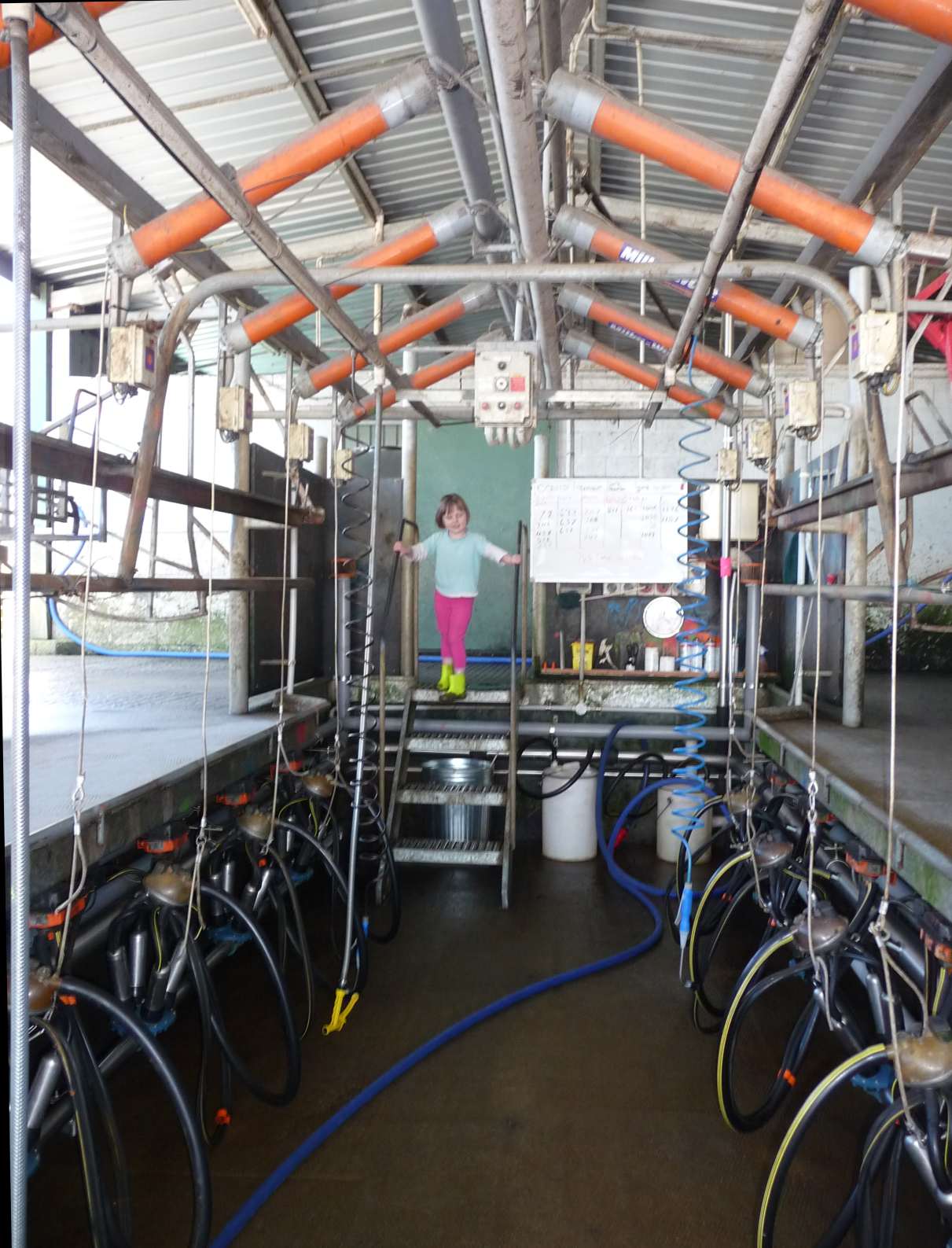
I realised there’s something missing from this blog about the daily life of a dairy farmer and that’s the one job that must be done twice a day, every day: milking! So, here’s a pic of the spot where it all happens. Ours is what’s called a herringbone dairy. The cows stand on platforms on either side of the pit with their tails facing us. Each cow has a stall to herself to make sure she isn’t squashed or bossed off her feed by bigger or more dominant cows.

Our dairy has 32 sets of milking machines, so we can have 16 cows on each side and is equipped with automatic cup removers (those orange cylinders overhead) that take the machines off when the flow of milk decreases. This is a labour-saving device that also means there’s less risk of cows being over-milked. The curly blue cords hanging down are dispensers for a mix of iodine and glycerine that we spray on the cows’ teats to keep them soft, crack-free and hygienic.

At the nose of each cow is a bail that holds grain for her to eat while she’s being milked. It’s a nice way of helping cows enjoy their time in the dairy and ensures nobody misses out on her ration of supplementary (that is, additional to grass) high-energy, high-protein feed. We control the amount of grain that’s dispensed with a timer dial on the white box overhead at the centre of the pit.

You’ll also see a whiteboard near Zoe. We write notes on this about which cow needs treatment, with what, and for how long.

I took this pic without cows because it’s nice and light that way but am working on a video to show you what happens when the dairy’s in action. Let me know if there’s anything you particularly want to see.

Calving slows, now, when to take the bulls out?

Over the past week, only half a dozen cows have calved. The next decision will be when to take the bulls out of the herd.

Traditionally, our herd begins to calve in mid-July but we’re in transition towards a new start date. Because the winters seem to be warmer and the springs shorter here, we began to mate the cows last July for an April 20 start to calving (like people, cows have a nine-month gestation period).

This is designed to match the cows’ peak production of milk with the peak growth of grass and reduce the need to maintain high energy levels over summer, which is a tough time to keep fodder up to the cows on a rain-fed rather than an irrigated farm.

So, when to stop? Some farmers arrange mating dates to have a couple of batches of calves throughout the year, relatively few calve all year round and most aim for seasonal calving over a period of eight to 12 weeks. These days, it’s becoming increasingly hard to get all the cows in calf each year and not all cows need to be pregnant annually to produce well. Extended lactation, as it’s called, is now very common for a portion of dairy herds and, according to the gurus like Greg O’Brien at the Department of Primary Industries, could be quite viable.

Since I want to shift our start date and rapidly shorten the calving season from our current transitory (and excruciating) six months, I’m inclined to be reassured by Greg’s advice and pull the bulls out earlier rather than later. Last year, it was New Year’s Day, this year, I’m considering mid-November. It’ll be mostly the late calvers who miss out under this regime and because we’ll be mating again in July, extended lactation is even less of an issue – it’s not a two-year lactation, anyhow.

In the next couple of weeks, we’ll arrange a pregnancy test for the cows who either calved early this year or didn’t calve at all. The vets are confident of due dates when pregnancies are at least eight weeks.

Wish me luck!

Cows have best friends too

Here’s fascinating research reported in the Daily Mail:  Cows have herd mates and the bonds can affect yields, according to UK researchers.

Krista McLennan, an animal welfare researcher at Northampton University measured heart rates and cortisol levels of cows to see how they cope when isolated, penned with their best friend or with an unfamiliar cow. “When heifers have their preferred partner with them, their heart rates are reduced compared with if they were with a random individual,” McLennan said. “Keep an eye out for those cows which like to keep their friends with them. It could have some real benefits, such as improving their milk yields and reducing stress.”

I’ve noticed this myself. Just the other day, the herd was walked past a paddock of two-year-olds and I watched one of them gallop up to sniff noses across the fence with two herd members. The amazing thing was that their ear tags revealed they were all born in the same year. What I’d assumed was a two-year-old turned out to be a three-year-old late-calver conveniently paddocked with the younger ones. Old friends were catching up!

Floods, bogs and mud, mud, mud

Flood 22 July

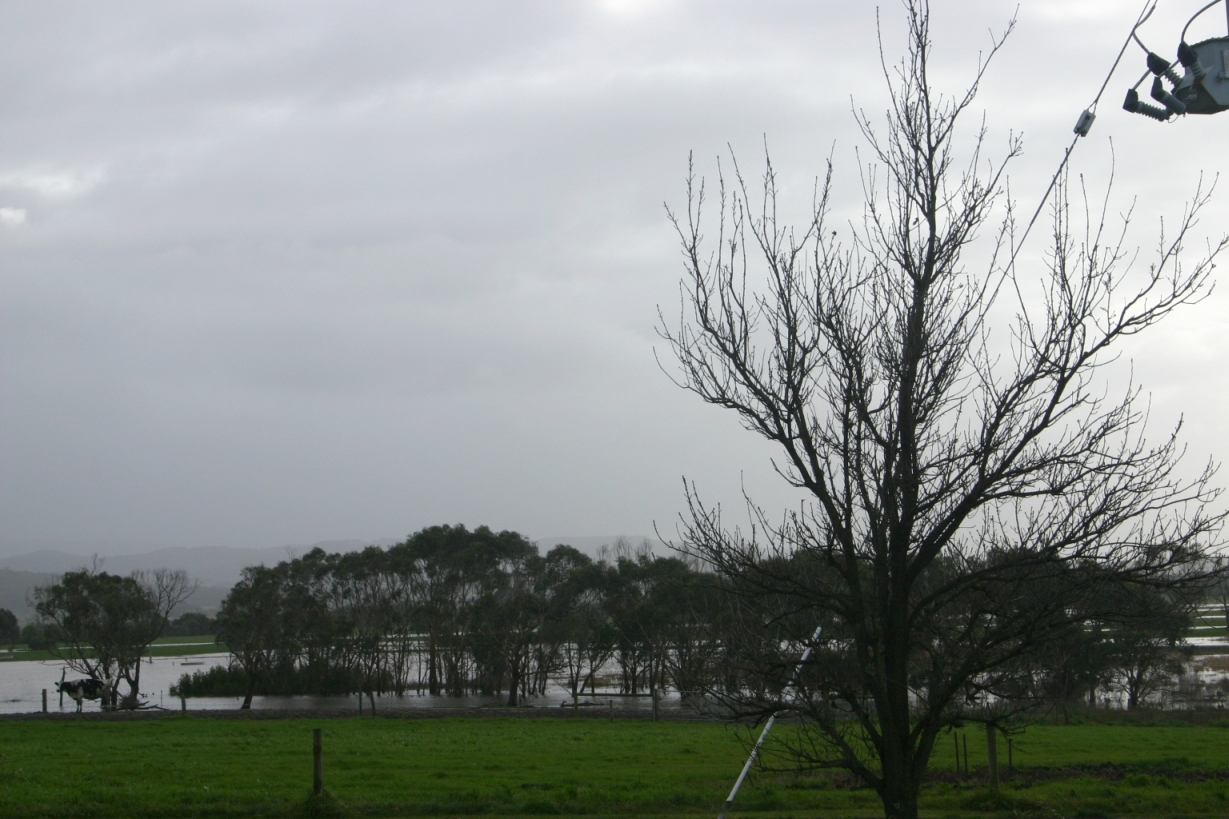
Partial view of the flood from the house this morning

The rain came…again. Yesterday, Yarram airport received 48.5mm and today, all the roads to town are closed, a third of the farm is cut off with at least another four paddocks underwater and the car is still sitting bogged in the driveway. Thankfully, the house is nice and high, so no sand bags needed (but thanks for the offer, Julie and Doug)!

Most of this is a temporary inconvenience. The good news is that the local rivers are short and empty into the sea quickly, so the roads should be open again in the next day or so. More important is the longer lasting issue of saturated pastures and muddy tracks.

Saturated pastures (they were already saturated before this jolly east coast low pressure system decided to pay us a visit) are very vulnerable. The damage done now by cows’ hooves will cause compaction of the soil so that, come summer, water will run off rather than soak in and roots will find it harder to penetrate the soil, exposing them to heat and denying them sub-surface moisture. If you’re a gardener, you’ll understand!

Muddy pastures and tracks are also a perfect recipe for lameness and mastitis, both painful conditions that are difficult and expensive to treat.

Of course, sopping wet soil is also no good for growing grass, which means we must step up our imported feed. This means more cost, long days and heavy tractors on fragile pastures.

Those weather gods need an urgent performance review so they can refocus on their KPIs!

At least there aren’t white caps in paddock 17 today

Flooded paddock 17

Flooded paddock 17

Paddock 17 and part of 18 are underwater today but at least there are no white caps. White caps? Yes, the ones sailors dread on an angry sea were whipped up in paddock 17 a week ago. The waters have barely subsided since then and all of the three forecast models I follow on OzForecast.com.au are predicting lots more rain in the next few days.

I’m a weather geek at the best of times but now I’m now compulsive about checking the forecast. Almost all our ready-to-graze pastures are on the river flats across the gully, which is infamous for flash flooding. A big downpour on the range to our south would see the cows marooned. There’s no bridge – only a concrete fjord – and I reckon building one would certainly usher in a drought!

Seriously though, I know many dairy farmers are facing much tougher times than we are with this amazingly wet season. Good luck to those still struggling with floods. Our thoughts are with you.

A day in the life of an Australian dairy farming family

I kept a time log yesterday. Here’s how our busy but not unusual day went.

5.00am Wayne hops on the quad bike to round up the cows and slowly and quietly bring them to the dairy

5.45am Milking starts

6.30am Marian hits her desk to catch up on paperwork before Zoe wakes and checks the online forecast. All three computer models agree there’s a little rain coming tomorrow. Better get the nitrogen onto those paddocks we just grazed early tomorrow morning!

8.15am Milking’s finished and the cleaning begins

8.30am Zoe and Marian shift the effluent irrigator, fill the pump with petrol and get it going.

Zoe with effluent irrigator

Time to shift the irrigator

9.00am Marian and Zoe arrive on the Bobcat to give Papa a kiss and cuddle before we head off to feed the springers grain and anionic salts. The new calf spotted being born last night is a baby bull, who will be reared by one of our neighbours. We bring him and his mother back to the shed.
Anionic salts

Anionic salts (Zoe pic)

9.30am The milking machines, the yards and the vat room are spotless.

9.40am The three of us walk a couple of cows across the road to start their annual two-month holiday before they calve.

Cows going on holiday

Cows going on holiday

9.45am Wayne feeds three rolls of silage to the milkers

10.10am Zoe and Marian bring back two cows from the holiday paddock to join the springers in the TLC paddock.

10.45am Zoe and Marian refill the effluent pump and set it off again
Refuel Pump

Refuel pump again! (Zoe pic)

10.55am We all meet up again to feed the youngest calves and muck out pens. Discover one is sick and Wayne heads off to town to get treatment for her and refill the jerry cans.

11.30am Zoe and Marian are starving. Lunch time!

12.50pm Treat the sick calf and muck out more pens while Wayne welds up a broken gate in the dairy

1.20 pm Wayne’s off to feed silage to the dry cows, calves and heifers. Zoe and Marian take a look at the heifers to see if any should join the springers. We decide to do a big sort out in one to two weeks.

1.40 pm Refuel the effluent pump and get it running again

1.50 pm Load up 10 buckets of grain to feed to the youngest of the one-year-old calves. They are very happy to see us!
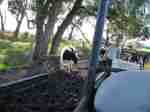
Feeding Calves Grain

Grain for calves (Zoe pic credit)

2.30 pm Check a new pasture on the way back
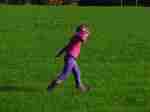
Zoe checks new pasture

Check new pasture

2.40 pm Quick snack and conflab with Wayne. 15 minutes later, we go off to round up while he feeds our maremmas, Charlie and Lola, and takes a bit of a break before milking.

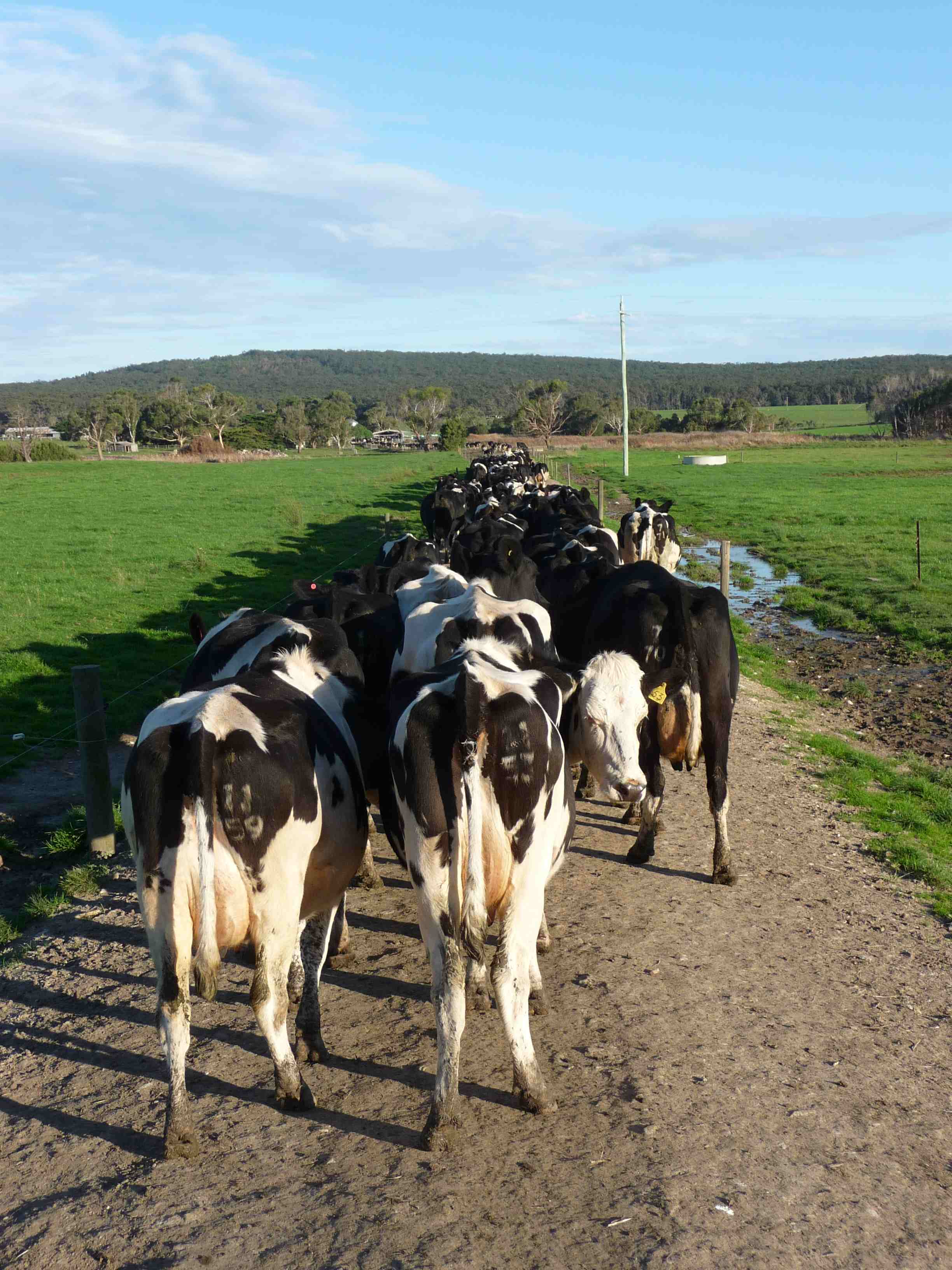
Cows on the track

Rounding up

4.10 pm Finally get all the cows into the yard – Wayne’s already got the first 32 cows milked. The cows were in one of the furthermost paddocks from the dairy, we had to set up paddocks along the way and deal with a broken fence. Also discovered a major water leak 😦

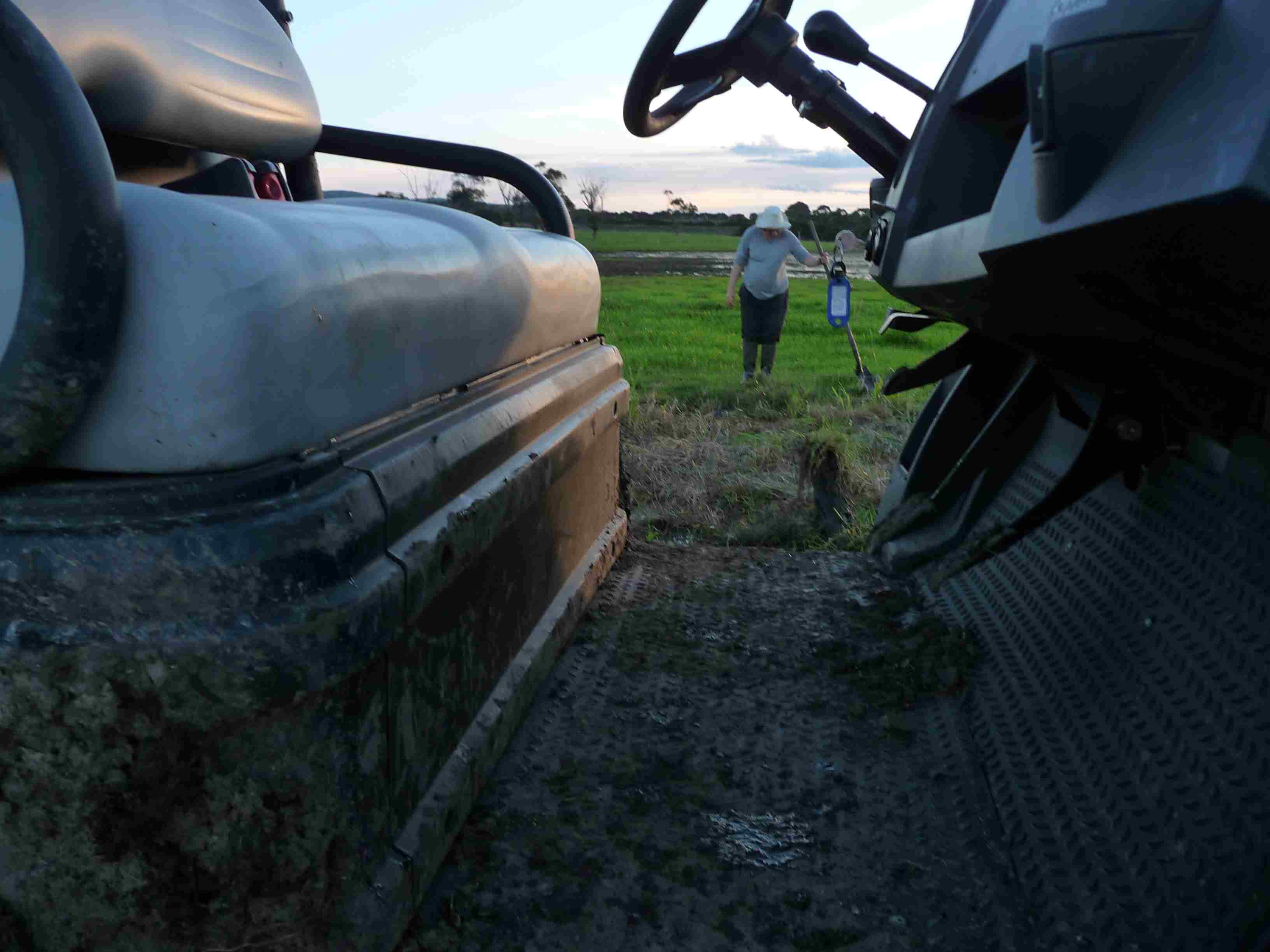
4.20 pm Equipped with tools, start prodding around in the mud.
Zoe’s taking pics now while Mama makes a mess.

Zoe's pic of Mama looking for the leak

Mama looks for the leak

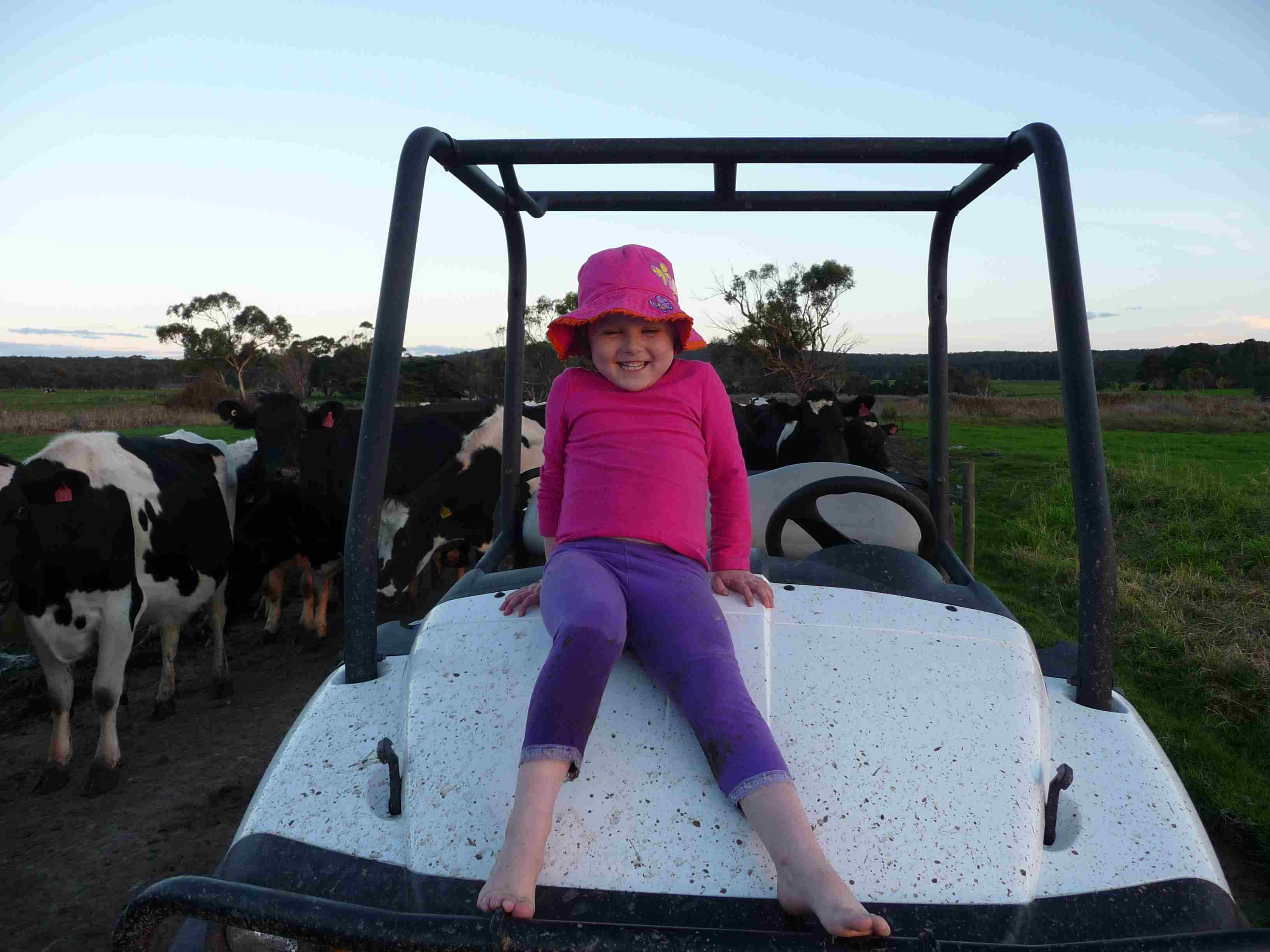
Oops! Zoe’s got a bootful but let’s make it funny.

Zoe on the Bobcat after mud accident

After a boot full of water

The cows crowd around us on their way back to the paddock.

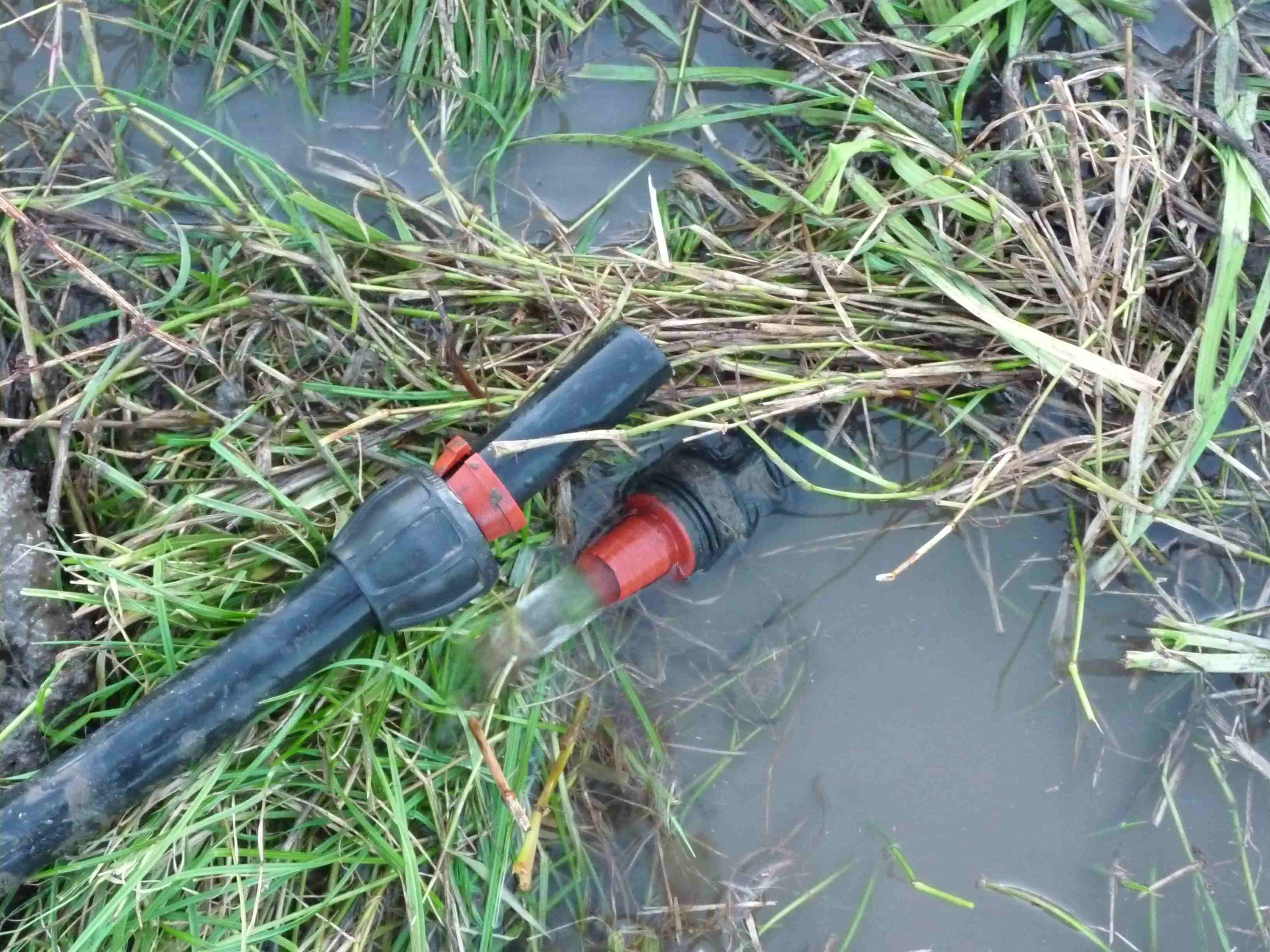
5.06 pm The Eureka Moment! An old (but still connected) water line has burst a fitting.

Pipe fitting

Unearthed the blasted leak

5.10 pm Outta there.

5.15 pm Set the travelling effluent irrigator on a new path, refuel pump and pull the rip cord!

5.35 pm Marian and Zoe home at last!

6.25pm Wayne’s home from milking. The end of a big day.

What is a factory farm?

Zoe with a seed drill from the 50s

Zoe with a seed drill from the 50s

When I was a teenager in the early 1980s, we bought the next-door neighbour’s farm and the one across the road to milk around 180 cows. At the time, it was an impressive herd.

Today, that’s quite small. The average Gippsland dairy farm now milks 265 cows on 130 hectares.

Turns out our farm is almost perfectly statistically average! Like many of our neighbours, we have a full-time employee and engage relief milkers to manage the workload. We no longer cultivate our own paddocks or cut our own hay because the job has just got too big. Instead, a specialist contractor with specialised, ultra-efficient machinery does it for us. Our very average farm of today would have been considered huge back then. Maybe even a factory farm.

Even so, the well-being of our animals has not diminished over time. We care just as much as we ever did and love of the land, the outdoors and our cows is why we farm. And now, thanks to the work of researchers, we are better equipped to keep them fit and healthy.

I don’t know what you’d classify as a factory farm these days but the low price of milk certainly puts us all under pressure to get bigger (and therefore better able to gain more efficiencies). Here in Australia, where cows are “free range” rather than housed and feed-lotted, big farms can be just as animal and environmentally-friendly as average farms like ours on one condition: the people who operate them still care.