Left behind in the dust

The farm in February

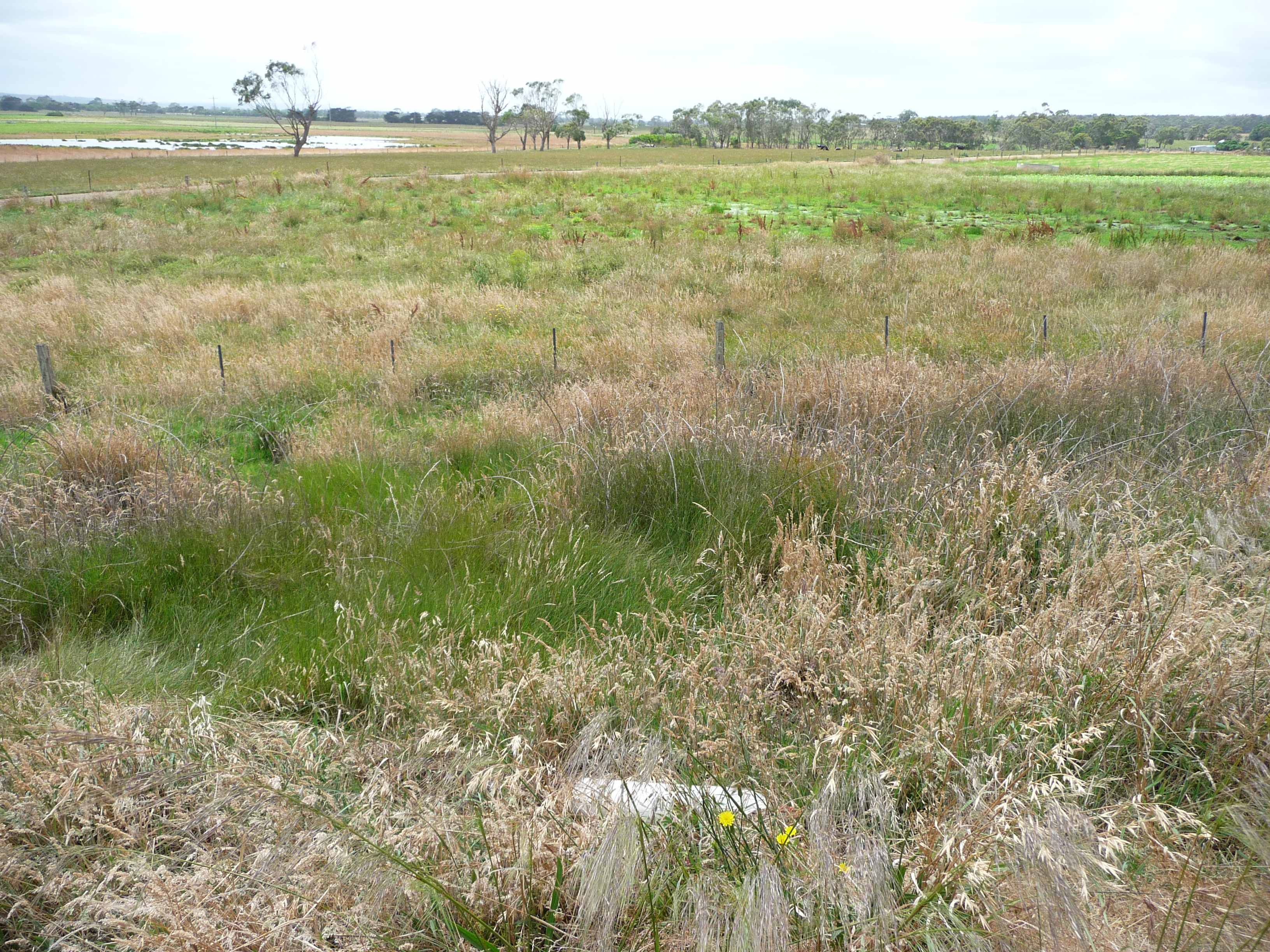
Still looking green

It’s at this time of year that three distinct classes amongst dairy farmers around here become clear for all to see: the lax, the leaf counters and the irrigators.

The beautiful green pasture seen from our verandah is something of an illusion. Take a closer look and it’s sparser than it was just a few weeks ago when we were squirelling away silage. More importantly, it’s growing at about a third of the speed. In contrast, the irrigators are powering along, growing feed as fast as ever.

Why don’t I irrigate then, you ask? Because I cannot. There is an indefinite moratorium on new irrigation licences for the aquifer that flows beneath our farm because it is dropping unsustainably. According to a report by the Department of Sustainability and Environment:

“Levels of groundwater extraction from the Latrobe Aquifer, in Gippsland, are well in excess of annual recharge. Monitoring of groundwater levels indicates that, as a result, there has been a regional decline of approximately 1 metre per year over the last 30 years (SKM, 2004). It is forecast that this rate of decline will continue for at least the next thirty years.”

Ironically, that’s not because too much water is being used by farmers.

“Whilst detailed estimates vary, the proportions extracted by different users are estimated to fall into three broad categories (Hatton, 2004, Fig. 1):

  • 85,000 ML from oil and gas production in the Bass Strait;
  • 25,000 ML for coal mine stability purposes in the Latrobe Valley; and
  • 10,000 ML for irrigation and industrial purposes…”


Other potential impacts of the coal, oil and gas production are alarming. The report discusses potential land subsidence, sea water intrusion, reduced stream flow and running out of groundwater altogether.

The Australian and Victorian governments have established multi-million dollar assistance packages for irrigators but the rest of the community appears to have been left high and dry.
Something to make the heart sing

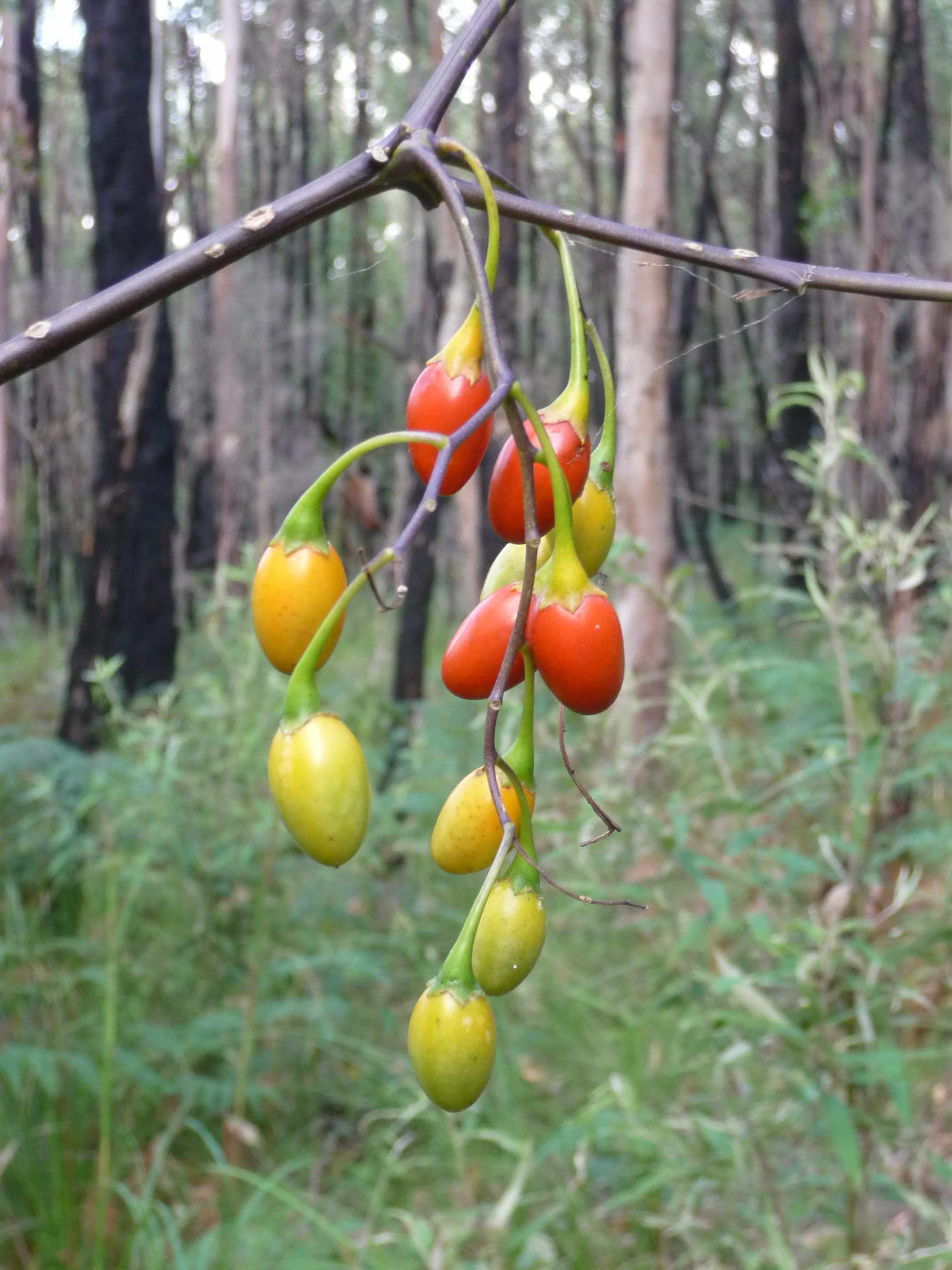
Kangaroo apple berries

One of our "Summer of Zoe" discoveries

This is officially “The Summer of Zoe”. As my dear little farmer starts school tomorrow, I have begun taking her further and further into the forest that bounds our farm to celebrate her launch into the big, wide world.

She has found herself entranced. Secret paths lead from farm to forest, amazing creatures present themselves and the bush smells wonderful.

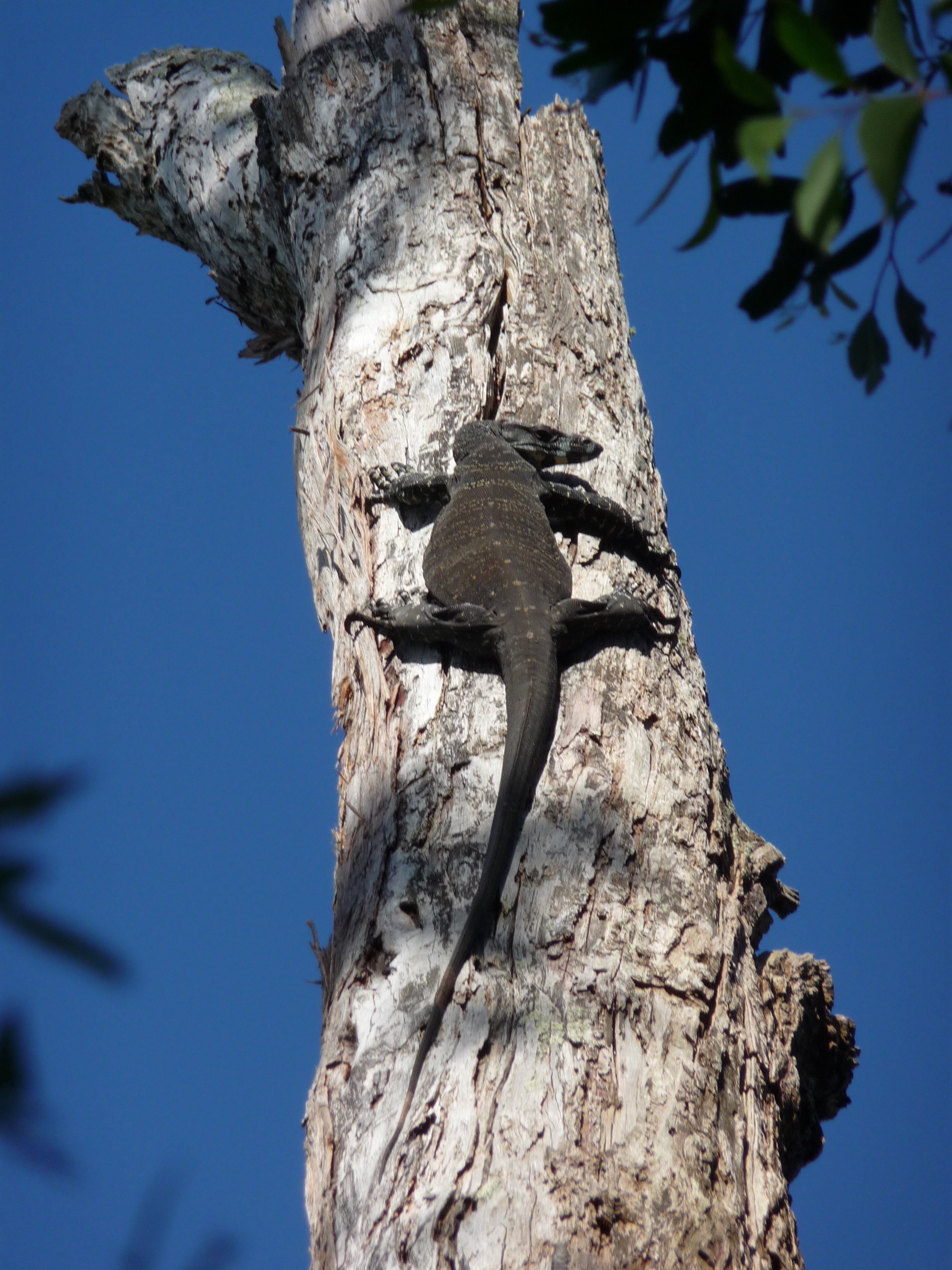
Goanna

An inspired Zoe even made her own goanna video

Somehow, Zoe senses this is a rite of passage. She volunteers that, one day, she will show her own daughter the ways of the forest and then says “You are beautiful, Mama, and I will never forget you”. She hasn’t yet waved goodbye from the school gates but I am already missing my wonderful little soul mate.

How many kids die on Australian farms each year? Each week?

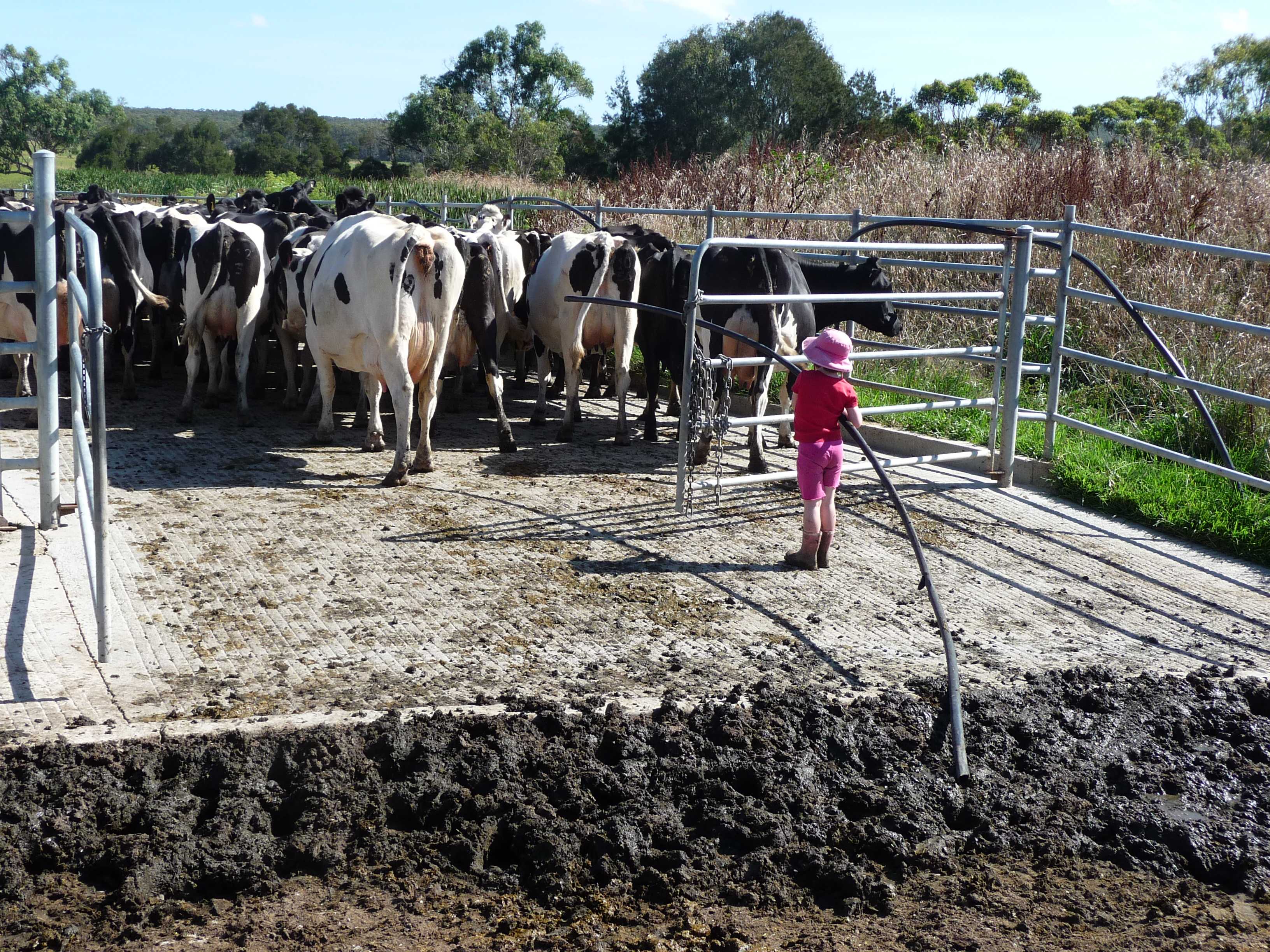
You can see from my blog that I take our children pretty much everywhere with me on the farm. The thing is, there are places I no longer go, so they can stay safe. I don’t milk, I don’t get into the yard when it’s full of cows and I avoid situations where cattle of any age are moving quickly in confined spaces.

I can make these choices because we can afford to pay other people to help but not every farmer can. And out here, the town’s youngest children have access to just two hours’ formal care per week.

If you don’t have an extended family willing and able to help, you might feel there’s little choice but to leave the kids playing by the gate or sitting in the ute while you do a risky job. This is how farm safety and childcare are so tightly connected. There’s nothing bourgeoise about needing childcare to drench the heifers or build a fence.

The impact of a lack of childcare on a farming community is tricky to gauge but the unfathomable grief that seeps through a community after the death of a child is something that resonates in your bones for many years. According to the stats, one child is killed on an Australian farm every fortnight.

I wouldn’t normally include a whole slab of stats but these, from the Aghealth Australia site, are so telling:

A recent study by the National Farm Injury Data Centre (NFIDC) based at AgHealth of on-farm fatalities for the 2001-2004 period found that:

Children (0-14yrs) make up 15-20% of farm injury deaths, around 2/3 are male. Main agents are:

  • Drowning in dams (mostly under five year olds)
  • Quad bikes or 4 wheeled motorbikes
  • Farm vehicles (cars, utes)
  • Around quarter of all child deaths were visitors to the farm, but for quad bikes around ½ are visitors
  • Drowning accounts for around 35-40% on child farm deaths, with farm dams being by far the most common site.

There has been an improvement in the reduction of toddler drowning on farms in recent years – particularly a reduction of dam drownings, which have halved since the early nineties. However, drowning is still the number one cause of child farm fatality in Australia. A common scenario is that a toddler wanders away from the home un-noticed into farm water bodies or toward other farm hazards (vehicles, mobile machinery). Apart from dams, children can find their way into creeks, troughs, dips and channels. Children under five years are at greatest risk.

For non-fatal injury of children on farms, older children (5 -15 yrs) figure more prominently – particularly in relation to injury from 2 and 4 wheeled motorbikes (and horses). Whilst there tend to be more hospital ED presentations for 2 wheeled motorbikes, injuries from quad bikes are likely to be more severe or fatal, with 4 times as many children being killed off ATV’s than 2 wheel motorbikes on farms (NFIDC 2007).

Take to the tractor if you can’t get baby to sleep

At 8pm, which happens to be “acid hour” for Alex, a truck carrying four pallet loads of calf feed arrived. The calf feed comes in unsealed bulk bags and forecast drizzle would wreck it, so the stuff had to be moved to shelter before long.

I was singing “Pop goes the Weasel” for the millionth time and Wayne had fallen asleep cuddling Zoe.

Wayne had told the feed guy it was okay to deliver late but when push came to shove, he couldn’t be woken despite repeated attempts. On the other hand, Alex couldn’t sleep. The only thing to do was put on the baby carrier and jump in the tractor.

Milk Maid Marian and baby Alex brush up their loader skills

Alex and I brush up our loader skills

But, jeepers, it took me forever and I was like a jack in the box, checking and double-checking I wasn’t skewering a bag in the pitch black driveway. Alex was fast asleep by the time I had the first pallet loaded up though and I might just blow stockfeed Scott a kiss for the unconventional but effective baby soothing lesson.

Night-time feed delivery

All done!

Simple stupidity reigns supreme

The paddock wrapped around the dam has suffered from months of saturation – to the point where about half a hectare has been unusable. It sits in the path of the dam spillway and the record wet of 2011 left the dam overflowing all year.

Spillway mess

The spillway "swamp"

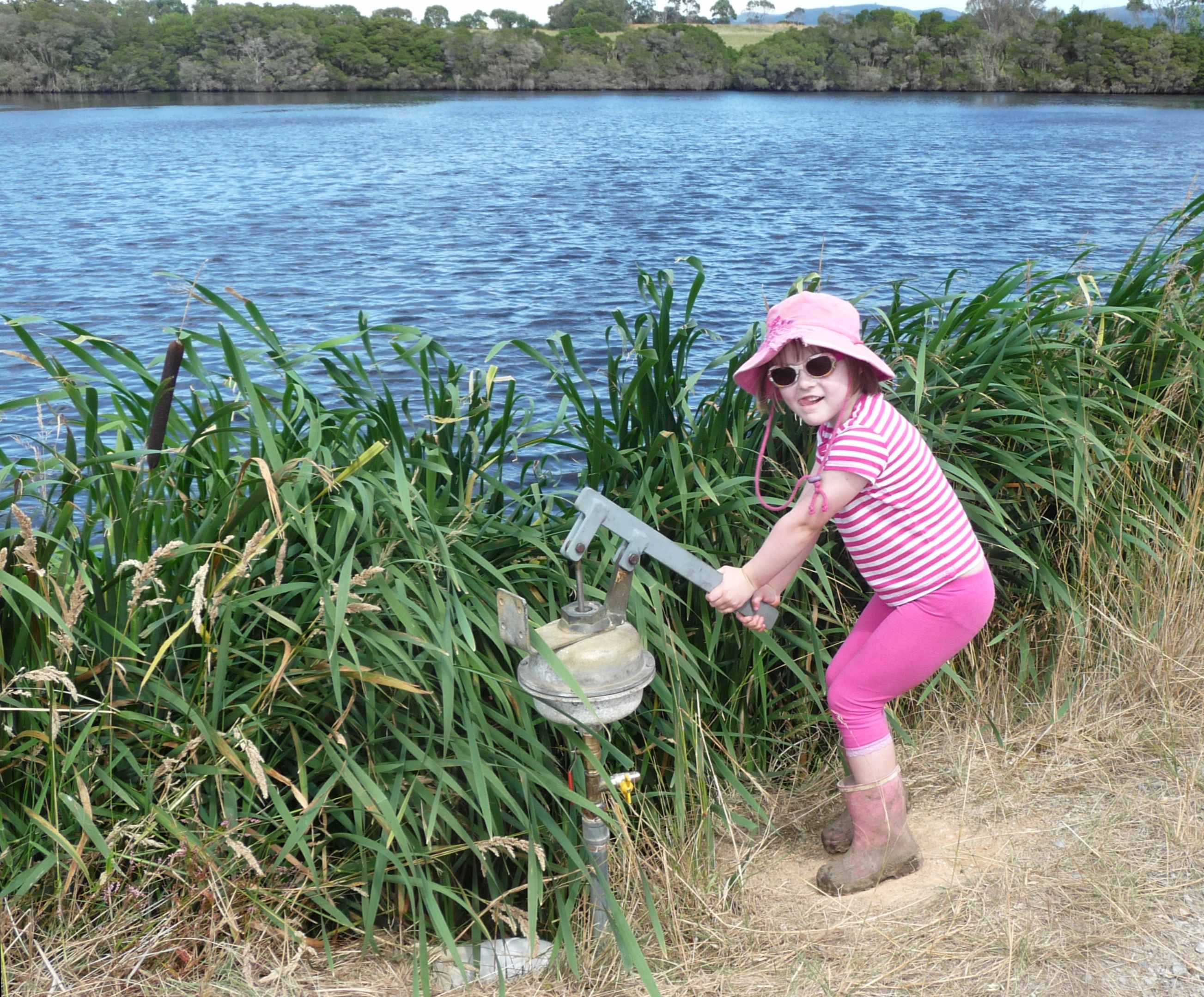
Now, there’s a way to avoid this. A small manual diaphragm pump sits on the dam wall and allows us to siphon water over the edge through the natural waterway that runs through the heart of the farm.

It hasn’t been used for years but I have memories of my thin elderly father getting it going very easily. When Wayne and I had a go last autumn though, the thing just flipped up and down so ridiculously easily we knew it wasn’t sucking properly. A quick investigation revealed a perished rubber diaphragm, which we had replaced. Then the PVC pipe through the dam wall turned out to be broken. Fixed that. Ready, set, still no go. It was so hard to pump that Wayne turned beetroot red with the effort and finally, the cast lever arm snapped in the willing arms of Rob the plumber.

Turns out the diaphragm was upside down and now even Zoe can work it.

Working the siphon is much easier now

Working the siphon is much easier now

Hallelujah!

Flowing siphon

At last, the water flows (where we want it)

And the stupidity? If this whole litany of mini-disasters wasn’t enough, I was soooo excited to get it going today that I forgot I was flooding tonight’s paddock and had to stop it again a mere 45 minutes after doing a victory dance. Ah well. As @Sam_Grains would say, “Keep calm, farm on”.

Just getting some extra cred

Remember Zoe and Pearlie Girlie?

Zoe and Pearlie Girlie back in November

Zoe and Pearlie Girlie back in November

Well, since I wrote about the tender relationship between young farmer and young cow, Pearlie Girlie decided to make a grab for power and began to scare me – taking a few aggressive strides towards Zoe and wagging her head. We’ve been making sure Zoe stays well clear of the little cow but, today, Zoe reclaimed her rightful position as boss.

Zoe is boss once more

Zoe is boss once more

Accursed trough crashes through again but the kids triumph

A wisecrack of a boss once told me that photocopiers can sense human stress levels and know exactly when to break down. So it is with troughs.

Alex was beginning to squirm with annoyance in the carrier on my chest and it was past Zoe’s dinner time as we headed home after setting up paddocks in the late evening sun. Then, a minor catastrophe.

A laneway trough with water gushing over the edge couldn’t be left until the morning and this was no simple task of adjusting the float, which is usually the case with this infamous trough. It was properly busted.

Trouble at the trough

This trough is always causing trouble Pic credit: Zoe

A little brass pin that holds the float arm in the valve had failed. Now the big question: can you fix a water trough with a baby in a front carrier without unintentionally baptising the poor little fellow? Sorry Alex. No, you can’t.

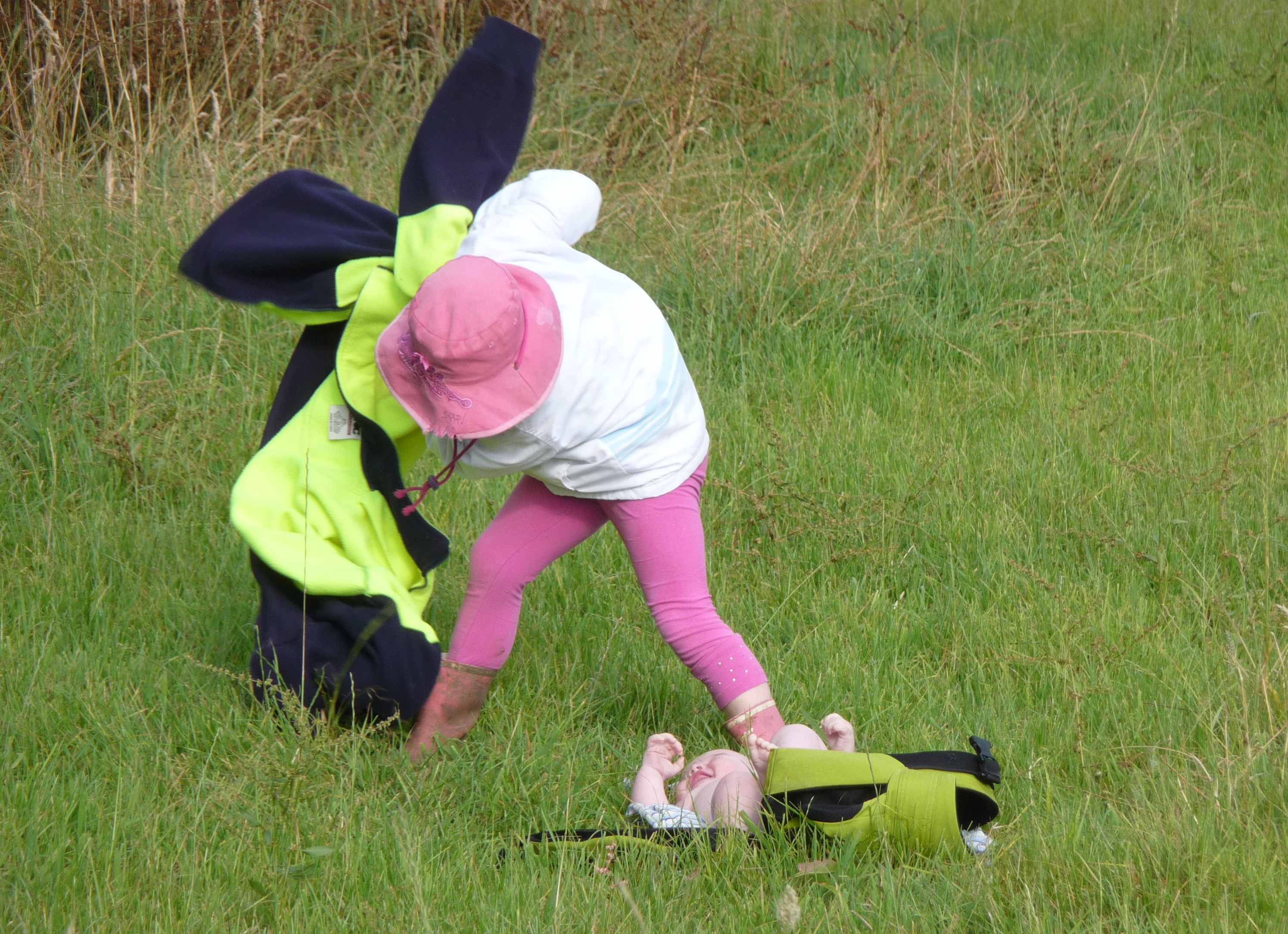
The only thing for it was to take him off, put him down in the paddock and see whether Zoe’s charms could keep him entertained while a much more slimline me could do a bushies’ repair.

Zoe entertains Alex Spanish style

Zoe entertains Alex Spanish style

A couple of minutes later, here was the rather rustic repair:

Bushy's trough repair

Bushy's trough repair - not proud of it but it works!

And the end result? Alex squealing with delight at Zoe’s matador antics and dinner delayed by just 10 minutes! Now, if only I could work out what that trough has against me…

Our green investment already begins to grow

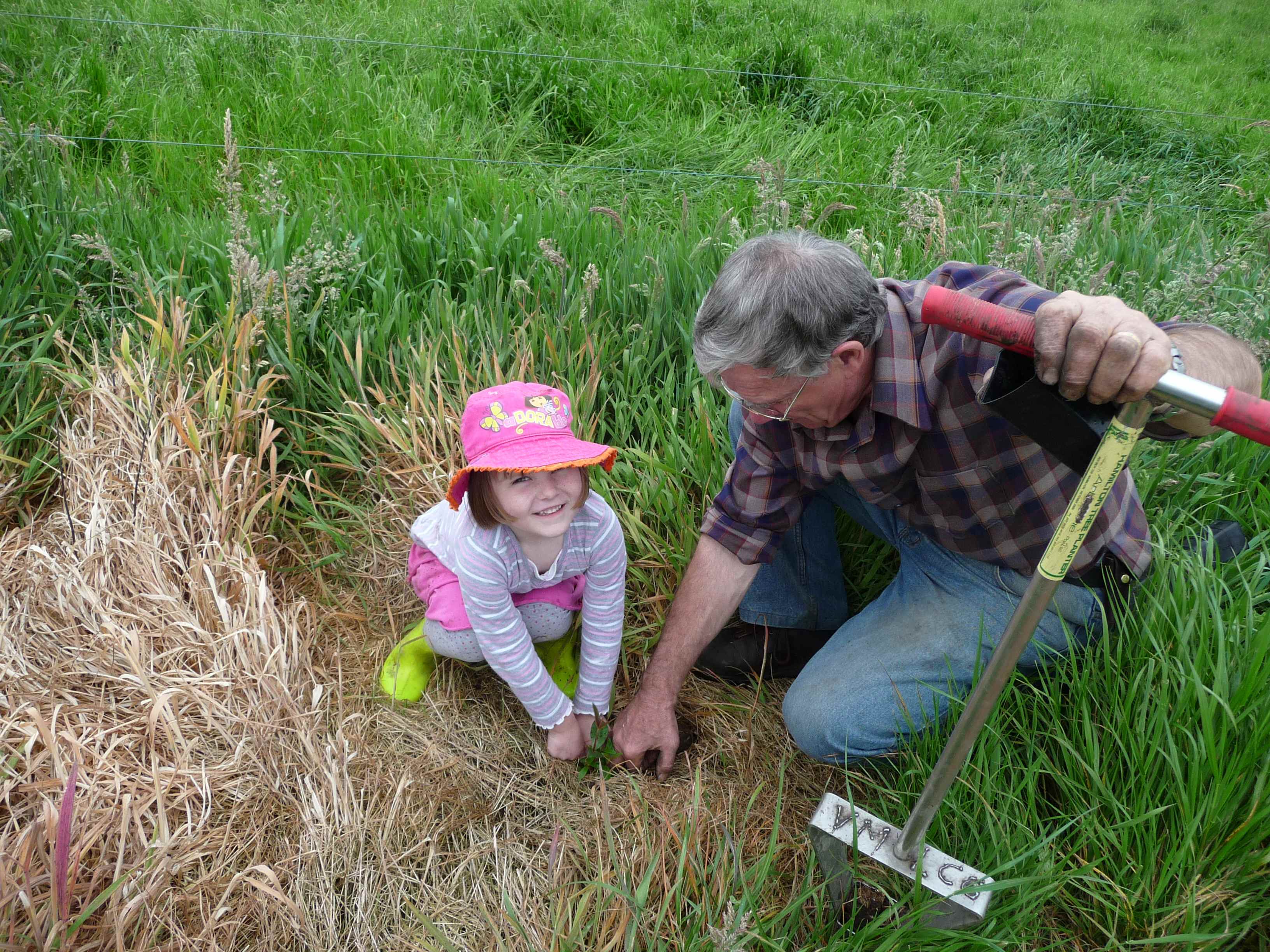
Bruce and Zoe planting in late October

Bruce and Zoe planting in late October

Young tree powers away

The next generation is looking good!

Just eight weeks ago, Bruce, Chris and David of the Victorian Mobile Landcare Group helped us plant 1200 trees. Yesterday, Zoe and I were staggered and delighted to see how much they’d grown.

Planting trees is always a bit of a gamble and the wet year had delayed their planting, which added to the risk they’d perish. Of course, it’s only the start of summer and they’re not out of the woods yet (dreadful pun, sorry) but what a great start they’ve had.

Thanks again, Bruce, Chris and David!

PS: I had to edit this – I meant 1200 trees, not 800! We were given 400 more at the last minute!

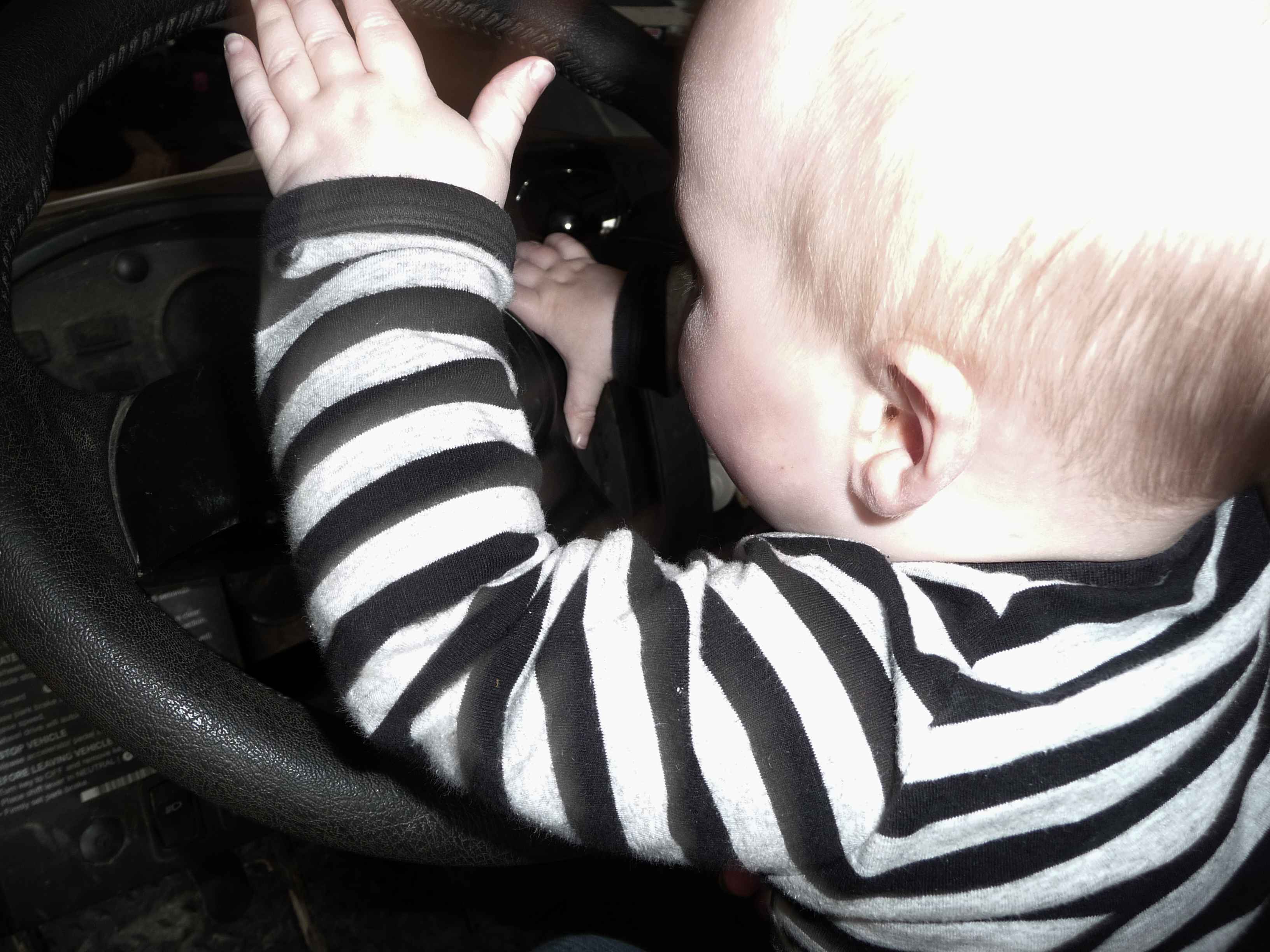
I’m a rotten driver and it all started here

Alex driving the Bobcat

What's the holdup? Where did that idiot learn how to drive?

My late father used to tell anyone who would listen that “Marian’s a terrible driver, you know. Once, she would have driven us both into the river if I hadn’t snatched the wheel just in time.”. It was okay if I was there to defend my reputation.

You see, I was two years old at the time, propped up on phone books with a peg on the accelerator, while dad threw hay off the back of the ute. It was my job to steer the ute in serpentines and, according to legend, I had let him down with almost tragic consequences.

Although she is the ripe old age of five, Zoe does not drive and I’m not sure Alex has the right temperament just yet.

A prickly character on farm

Dairy farms are great places to teach kids a love of – and respect for – creatures of every kind.

We are really privileged to have acres of beautiful bush on our farm and we come across all sorts of creatures – even the threatened goanna. One of the cutest but least cuddly is the echidna and the forest has thousands of these little ant-eating waddlers.

An environmentalist once told me that she builds connections with farmers via birds because they are the most visible fauna on a farm but it’s the far less glamorous and more timid creatures that make an ecosystem. This was brought home to me yesterday when one of the shire’s environmental staff visited to assess the farm’s potential for green projects. One of the criteria was whether the farm is home to threatened flora or fauna. Apart from the goannas, I really don’t know, and that’s a shame.

I hope my children will indeed learn so much more than I’ll ever know about our wonderful world.