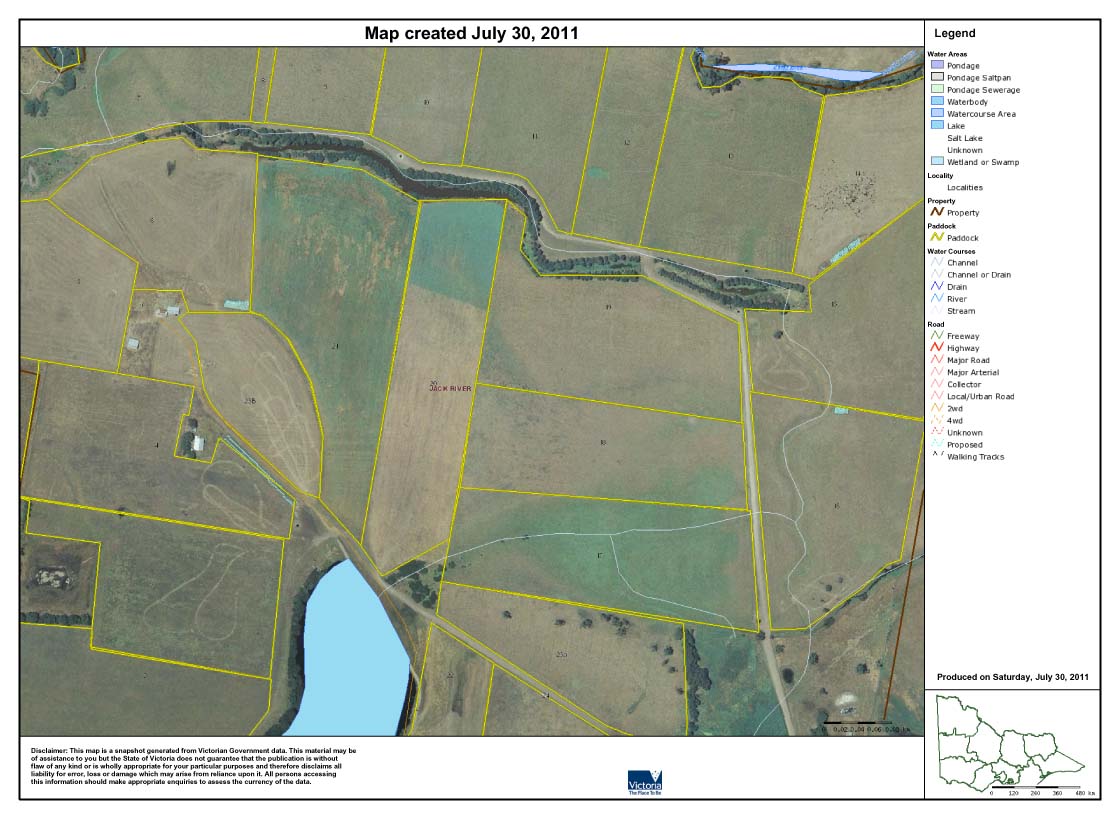
A beautiful set of numbers

What does a farmer do when the kids are sick with gastro and it’s raining? Paperwork. Although I detest the oceans of sheets that flood my desk, the one batch that carries the same anticipation as a Christmas present is my annual set of soil tests.

Soil test results

The beautiful set of numbers that are the river flats

 
These geeky looking sheets let me know what type of fertiliser to spread and where. Now, once upon a time, the farm’s fertiliser order was pretty basic (3 in 1 on one side of the road and 2 in 1 on the other) and it shows. Some paddocks had luxury levels of phosphorous and a shortfall of potassium, while most had miserably low pH results. Accordingly, we are now spending less on phosphorous and more on potassium and lime (both standard calcium and dolomitic).

The rotten thing about acidic soils associated with high aluminium levels, as ours have been, is that they make many of the nutrients unavailable for the plants.

Getting the nutrient levels right with the help of soil testing and observing the signs of nutrient deficiencies has led to a massive reduction in the volume of inorganic nutrients we apply to the paddocks. This has saved our family tens of thousands of dollars and boosted the growth of our pastures while lowering the risk of leaching into waterways. A big win for the sustainability of the farm.

Ravenous kangaroos don’t eat wattles

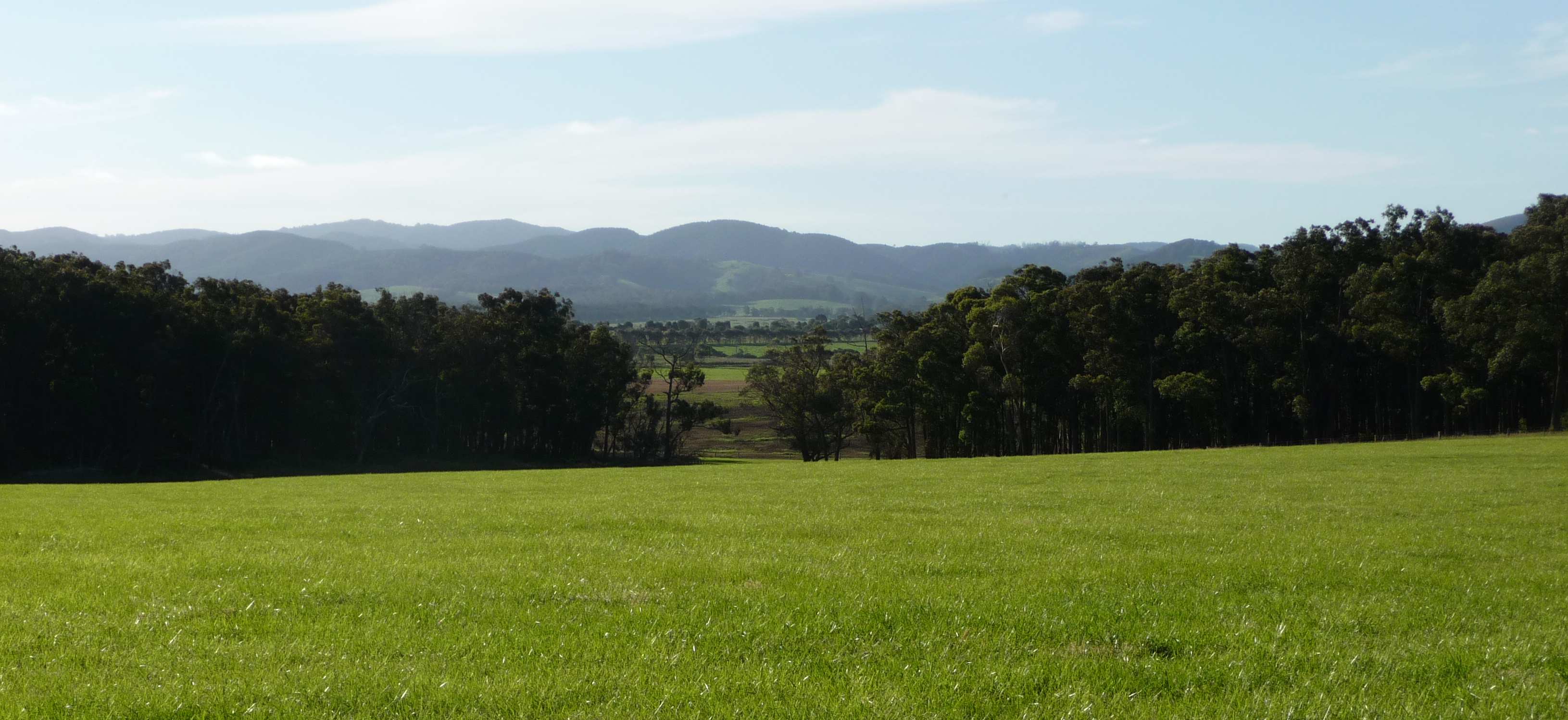
A couple of years ago, we renewed the fencing around 11 hectares of remnant forest on the farm with the help of Greening Australia so we could exclude the stock from this high-value goanna habitat.

Paddock flanked by forest

Two blocks of native forest are protected on the farm

Unfortunately, the western sides of the two bush blocks have been impacted by the wind so we moved the fence westwards and friends helped us plant about 800 trees to reinvigorate this section. The kangaroos and wallabies ate almost every tree. Almost. It seems they have a distaste for wattles, which are the only specimens that survived the onslaught.

Wattles survived grazing by kangaroos

Wattles must taste yukky to kangaroos

If you’ve had any experience protecting seedlings from macropods, please share!

People who drive conservation by walking the talk

Three men drove up to five hours (each way) to get to our farm and then worked tirelessly all day for nothing except the sense of satisfaction that comes with doing something good.

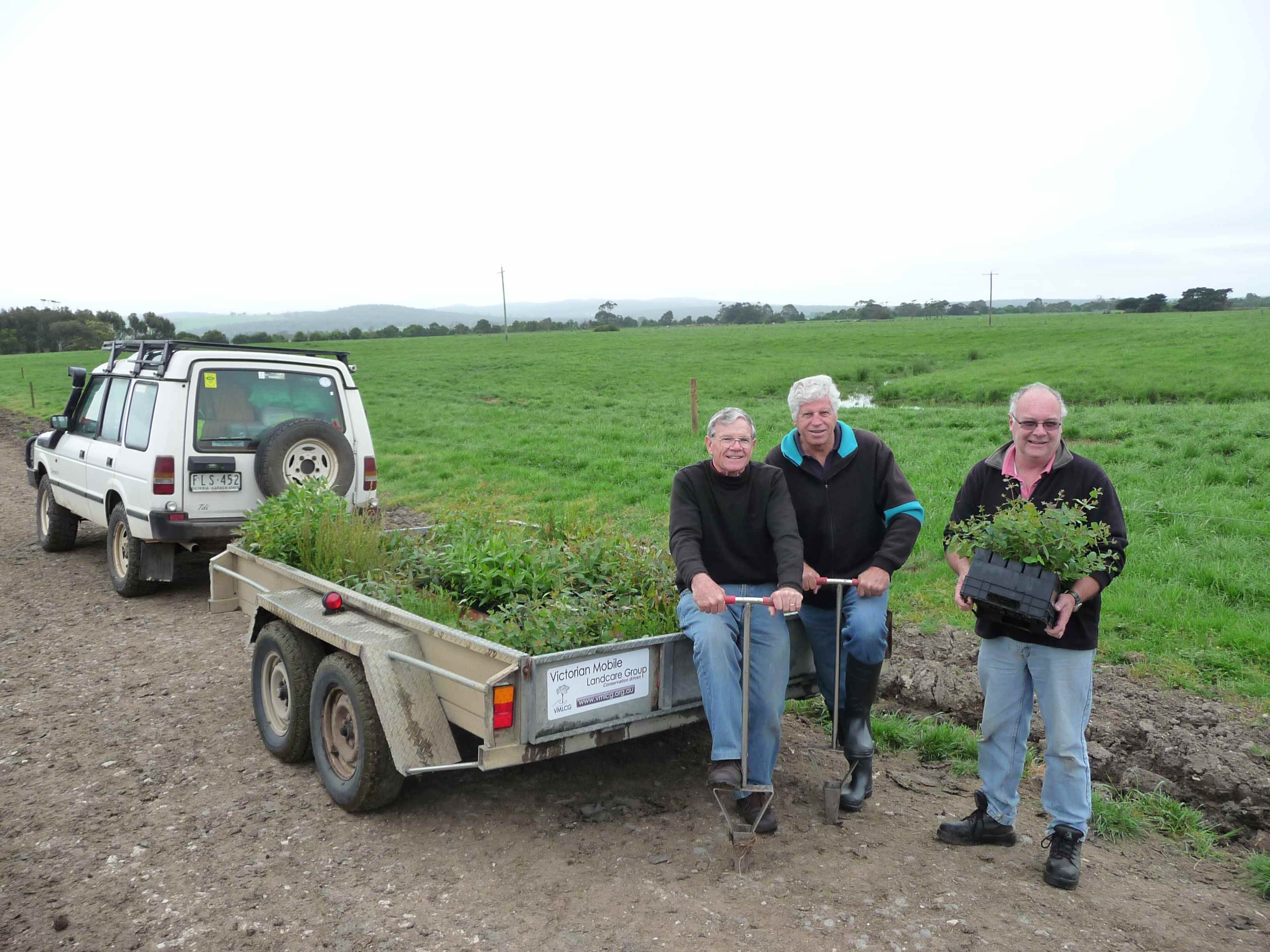
David, Chris and Bruce are members of the Victorian Mobile Landcare Group, which is unique because rather than being a collective of environmentally-aware landholders keen to make their properties more sustainable, this is a group of environmentally-aware volunteers who plant tens of thousands of trees all over the state.

As they explain on the group website, VMLG members are “people passionate about land care through responsible 4WD use, we are a non-profit association tightly affiliated with Landcare Australia and 4WD Victoria”.

Last year, the VMLG helped us plant 800 trees and we were wrapt that they could come again this year to add 1200 more. Here they are at the start of the day, ready to get stuck into planting.

Victorian Mobile Landcare Group volunteers

Victorian Mobile Landcare Group volunteers: Bruce, Chris and David (L-R)

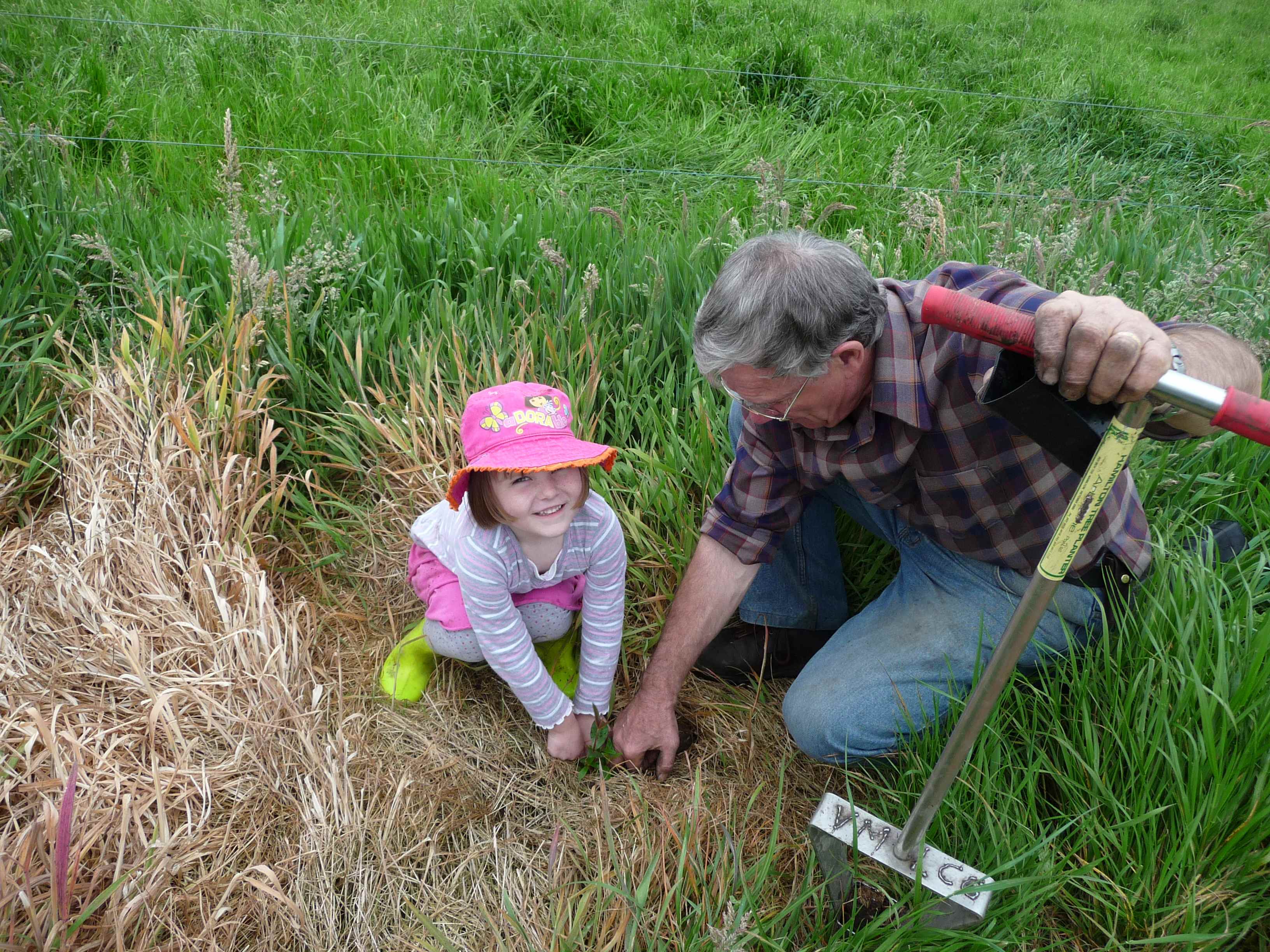
Bruce, Chris and David soldiered on in the rain (“just one more tray,” eh Chris?), stopping only for an hour-long BBQ lunch. I was proud to have Zoe working alongside these fellows who do so much more than talk about their commitment to the environment.

Bruce shows Zoe how to plant trees

Bruce shows Zoe how to plant trees

At the end of the day, we had created two wildlife corridors and shelter for the cows – a great outcome for the environment, our animals and the landscape. One tree was set aside for Zoe and ceremonially planted in the garden to remind us of the day.

Members of the VMLG and Zoe with a ceremonial tree

Members of the VMLG (David, Bruce and Chris) and Zoe with a ceremonial tree

Thanks guys. We couldn’t have got this done without your help. Thanks also to the West Gippsland Catchment Authority for spraying and 800 metres of fencing and to the Yarram Yarram Landcare Network for the donation of 400 trees.

What wildlife does for farms

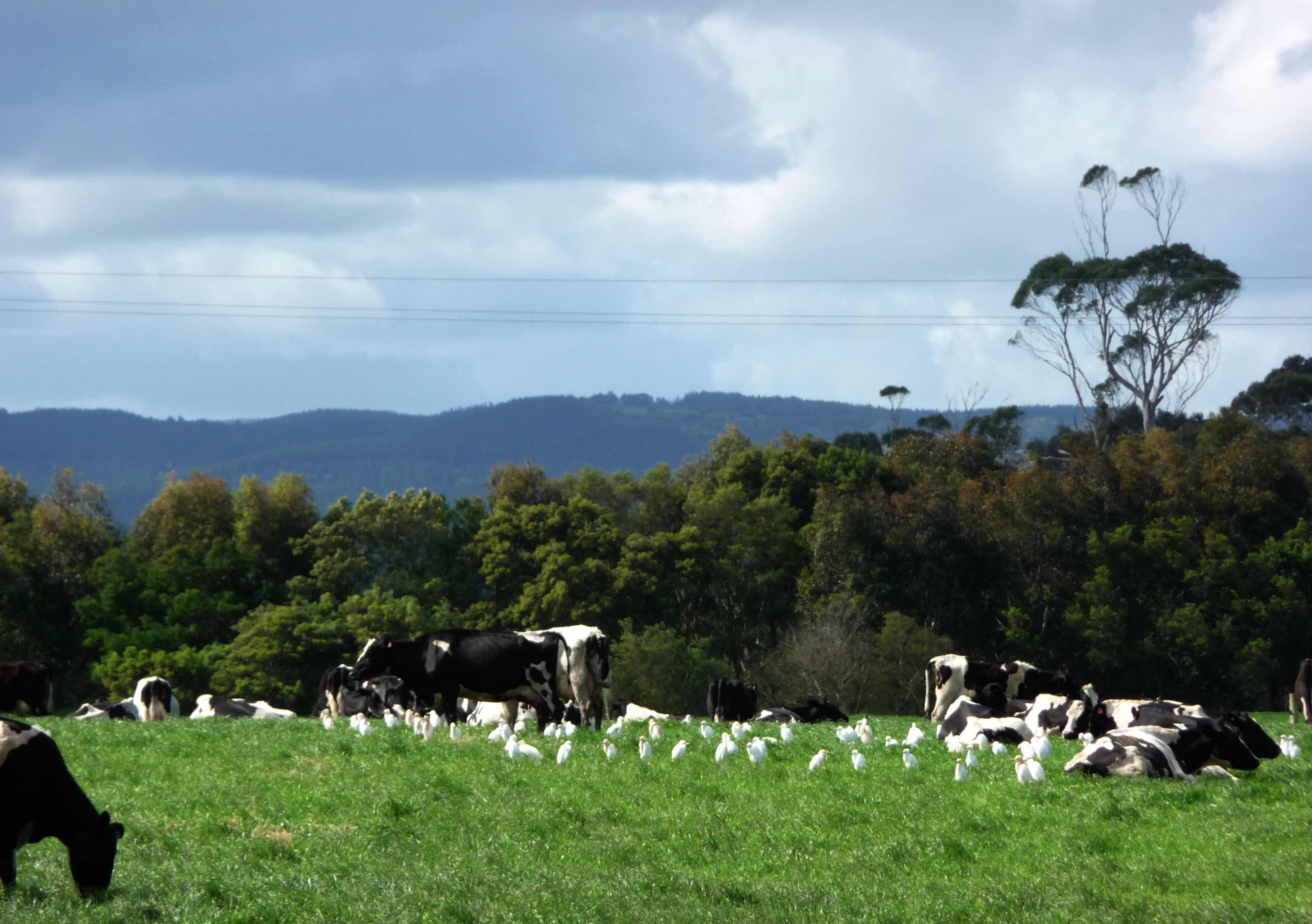
Cattle Egrets

Cattle Egrets in breeding plumage follow the cows everywhere

There’s lots of wildlife on our dairy farm: waterbirds of every description, a chorus of frogs, waddling wombats and lots of lizards from the cute blue-tongue through to the vulnerable goanna!

Sometimes we curse them. Ducks gobble new pastures and crops, cockies eat seed, wombats dig cavernous holes. But we never begrudge them a home and we’re aware they have important roles to play, too. The ibis eat root-eating grubs and aerate pastures with their needle-like beaks while the army of little birds help to manage the insect population.

With this in mind, we’ve created a whole farm plan that incorporates wildlife corridors linking our big environmental assets:

  • The state forest and our remnant vegetation on our southern boundary
  • Our Land for Wildlife dam
  • The wetland
  • The revegetated gully
  • The Albert River on our northern boundary

We’re also proud to participate in the JARR project, which is creating a biodiversity blueprint for this important catchment for the RAMSAR-listed Corner Inlet.

While it’s important to justify planting trees and fencing sensitive areas from a business perspective, the farm is more than that. It’s our home and, if I’m honest about it, we protect and encourage wildlife on the farm because it makes this a much better place to live.

Intensified farming good for the environment sometimes

There is so much to learn on a farm. Aged just 5, Zoe can correctly identify plants from rye grass to melaleuca, wildlife from willy wagtails to wedgetail eagles and stock from heifers to old cows.

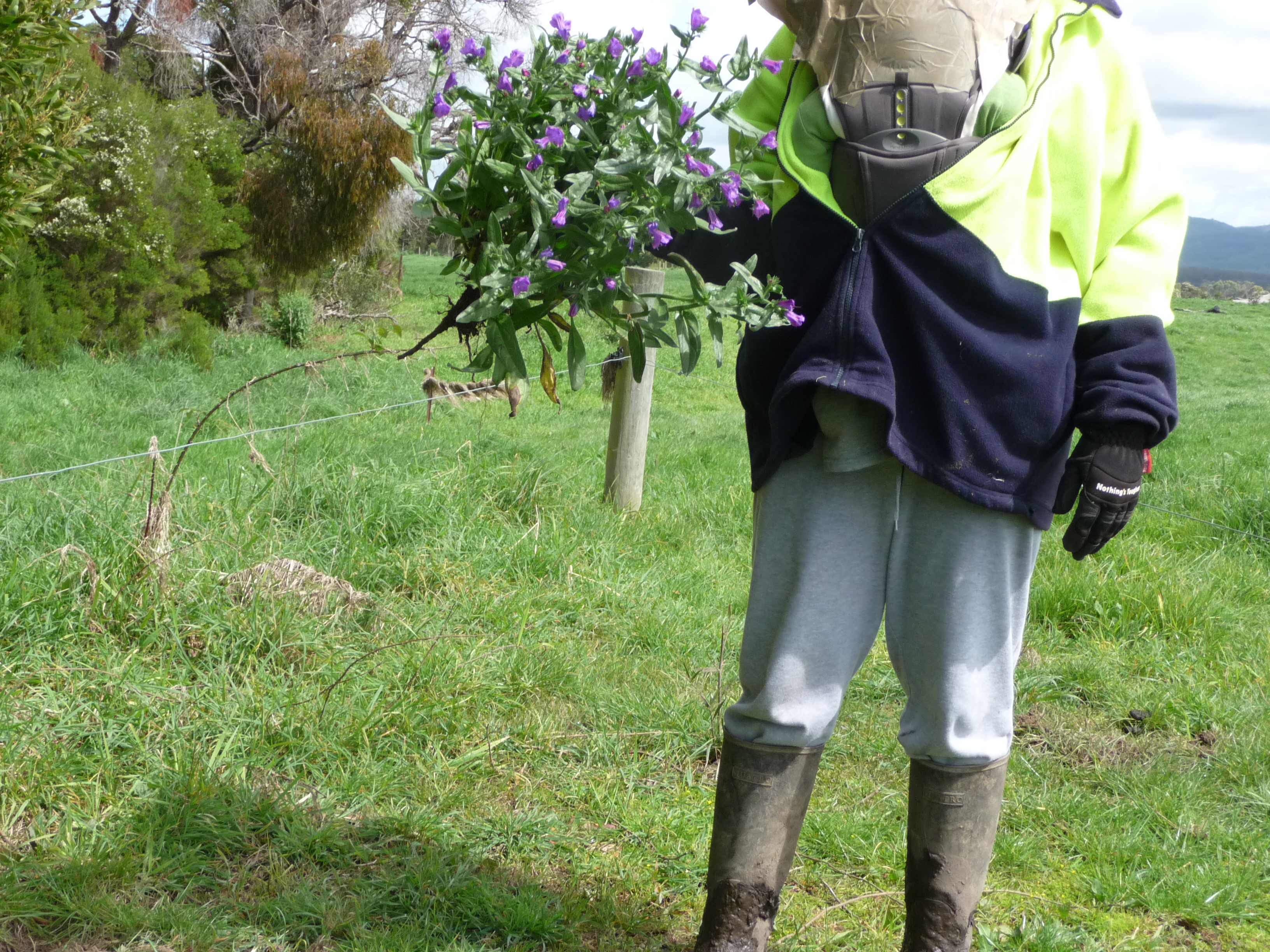
Yesterday, she came across the beautiful Paterson’s Curse for the first time. It’s not a problem here – the occasional plant pops up from time to time. Zoe took this pic to remind herself of it.

Patersons Curse

Patersons Curse

When I was Zoe’s age, ragwort was the weed we battled all summer. The paddocks turned a buttery yellow in late spring and the grass and other weeds on the river flat scratched at the ute windows. I haven’t seen a ragwort plant here in years and though the blackberries and thistles persist, they are at vastly reduced levels. The grass is also tamed to juicy, shin-high herbage. I think it comes down to the intensification of dairy farming in the last 30 years.

When my brother and I were out in the paddocks pulling up ragwort in the late 1970s and early 1980s, we had 120 cows on 300 acres. Now, we milk 265 cows on about the same area (with dry stock on another 200 acres), although we might be a bit overstocked. Back then, we had three paddocks and now we have 24 on the milking pastures.

Someone reminded me that Dad never paid any attention to daylight savings in the 1980s because he couldn’t find the cows in the dark in those massive hundred-acre paddocks! Now, they are contained in 3 to 4-hectare paddocks. It means the grass is far better managed and forms a thick sward that is harder for opportunistic weeds to penetrate. It also means we are more alert to changes in the pasture – there are no more “lost forests”.

New technology sparks a revolution on farm

I will never look at cow poo the same way again. A revolutionary technology arrived at the farm this week that is a huge win for the environment and for the farm.

Slurry Kat

New effluent technology

While most of the manure produced by our cows (and they dump a massive 40 litres each every day!) goes straight back onto the paddock, we do have to wash away the stuff that drops on the dairy yard while they’re waiting to be milked.

Rather than allow it to pollute our waterways, we collect it in an effluent pond to be applied on the paddocks as fertiliser. Sounds ideal but, unfortunately, there’s been a deal of guesswork in knowing exactly what’s in it and what rate to spread.

The only way until now was to agitate the pond (at significant expense) and send a sample off to a lab before agitating it all over again and getting it out with a slurry tanker that literally splashes it all over the pasture like Vegemite on toast.

The local and forward-thinking Bowden’s Agricultural Contracting owner, Wayne Bowden, has just bought a Slurry Kat that monitors the nitrogen content of the effluent as it’s pumped out and lets me choose just how much is applied per hectare.

In practice, that means instead of saying: “Aaah, about a quarter inch thick, please”, I can say “60 units of N per hectare, please”. Wayne can even tell me how much phosphorous is going on.

Why do I care? It means less likelihood of leaching excessive nutrients and we don’t use too much or too little bought-in fertiliser.

How the Slurry Kat works
The Slurry Kat system involves three tractors:

  1. An agitator that ensures the heavy slurry at the bottom of the pond isn’t left behind
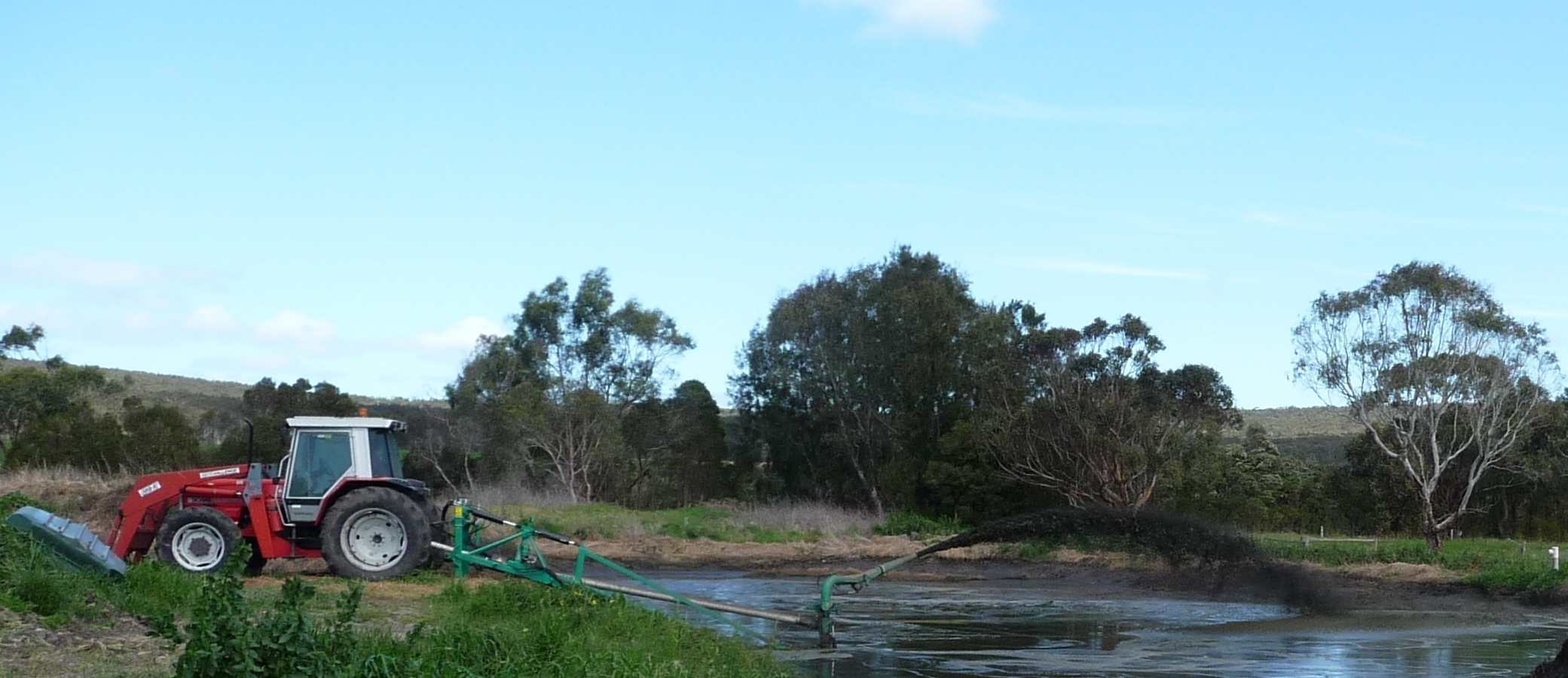
  2. A pump stationed at the pond to push the effluent out to the paddock at up to 160,000 litres per hour via a 5″ hose.
  3. The spreader tractor, which uses lots of hoses to dribble the effluent along the ground in lines.
Agitating the effluent pond

Agitating the effluent pond

Effluent agitator and pump

The front tractor pumps the effluent up the umbilical hose

Slurry Kat spreading effluent

Slurry Kat spreading effluent

How it helps us manage our effluent for a better environment and greater productivity
Aside from the extra information and control the system brings us, the benefits are:

  • Safety. Because there’s no need to reverse a tanker up to the effluent pond dozens of times, there’s less chance of someone falling in.
  • Lower greenhouse gas emissions. Manure dribbled onto the ground rather than splashed onto a plate and sprayed means less volatilisation of its nitrogen.
  • We can affordably apply effluent to paddocks 1.5 km from the effluent pond rather than limiting ourselves to those close-by.
  • Less odour. I couldn’t smell it from the road.
  • Lower access requirements – less damage to tracks and paddocks near gateways
  • Quicker return to pasture because there’s no thick slurry to wash off leaves.

Slurry Kat lines after 24 hours

Slurry Kat lines of effluent after 24 hours on the paddock


I love it (and, no, I didn’t get paid to say any of this)!
Surpassing my wildest dreams in sustainability

You can’t wipe the grin off my face at the moment because one of my most daring experiments has reaped massive dividends: a tripling of our topsoil in three years.

Three years ago, almost half of our pastures were destroyed by the root-eating red-headed cockchafer.

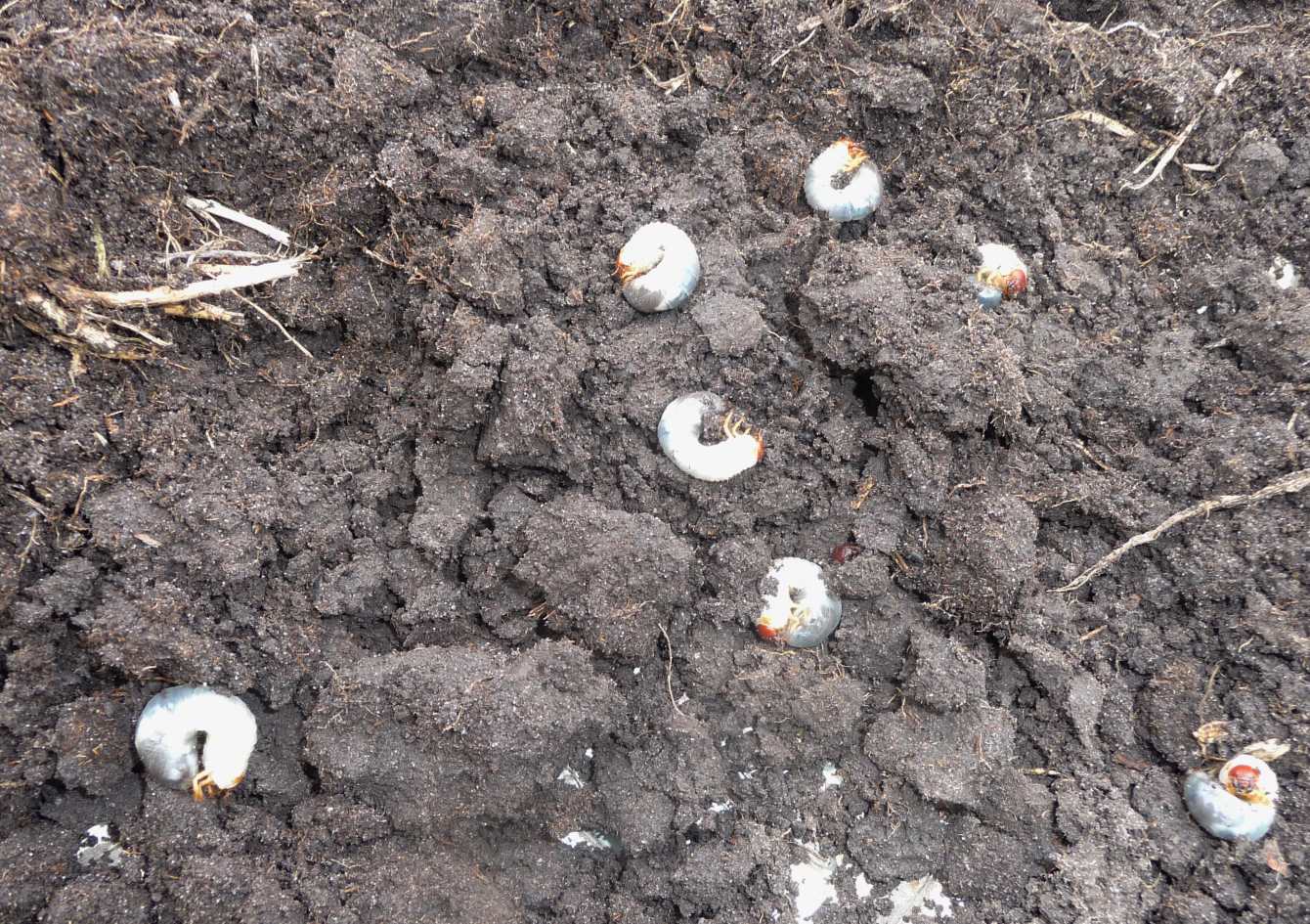
Red headed cockchafer grubs

Red-headed cockchafer grubs

These rotten grubs turned paddock 4 into a fluffy mix of topsoil and the desiccated remains of our ryegrass just ahead of Spring. It was devastating. You can’t control them with sprays because they stay too far down in the soil to be affected. The only alternatives are to resow and hope they won’t come back or physically squash them with cultivation and then resow and hope they don’t come back. The experts said two cockchafers per shovelful of soil equated to an infestation and paddock 4 had up to 50.

I became desperately worried as more and more paddocks succumbed. I started digging holes all over the farm trying to work out what would be hit next and looking for a cause in the hope of finding a solution. I failed in that quest but the exercise was worthwhile because the grubs taught me an incredibly valuable lesson. The pastures that suffered the most had relatively shallow topsoils over a hard clay pan.

Paddock 4 had about 12 to 15 cm of sandy loam over the moderately sodic clay. I decided to turn the expense of recultivation into an investment and had the soils deep-ripped and dressed with soil-conditioning gypsum in an attempt to keep them open.

Paddock 4 was sown with oats because they provide quick feed to fill the gap created by the grubs and their long roots are relatively cockchafer-resistant. After the oats were taken off in late spring, we planted the paddock with a summer brassica crop, which again has deep roots.

It was clearly time for some very expert help and we engaged independent agronomist Greg Forster, who worked out the nutrients, trace elements and lime needed to allow the soil to function at its best. We have since ploughed in the remains of a brassica crop, too.

Then, this week, scientists arrived to take metre-deep cores for analysis as part of the Victorian Soil Carbon Project. I was stunned. Too stunned even to remember to take a photo but that 12cm topsoil was now more like 45cm deep. “Lots of farmers would give their right arms to have soil like that,” remarked the supervisor.

I can’t believe it. I’m blown away and ever so slightly grateful to the red-headed cockchafer (though don’t think that’s an invitation to come back, you nasty little blighters).

Mother duck shows spring is here

Mother duck

Mother duck and her brood

Driving over the dam spillway this morning, I gave mother duck and her brood the fright of their lives and had to leap off the UTV very fast to snap their photo! In the last week or so, we’ve seen quite a lot of waterbird chicks on or near the water and it gives me a real thrill to see them thriving on the farm.

We live close to the sea and are proud to offer this protected nesting site.

Photographic proof that kangaroos compete with livestock

Oats eaten by kangaroos

Oats eaten by kangaroos

Oats guarded by dogs unaffected by kangaroos

Oats guarded by dogs unaffected by kangaroos


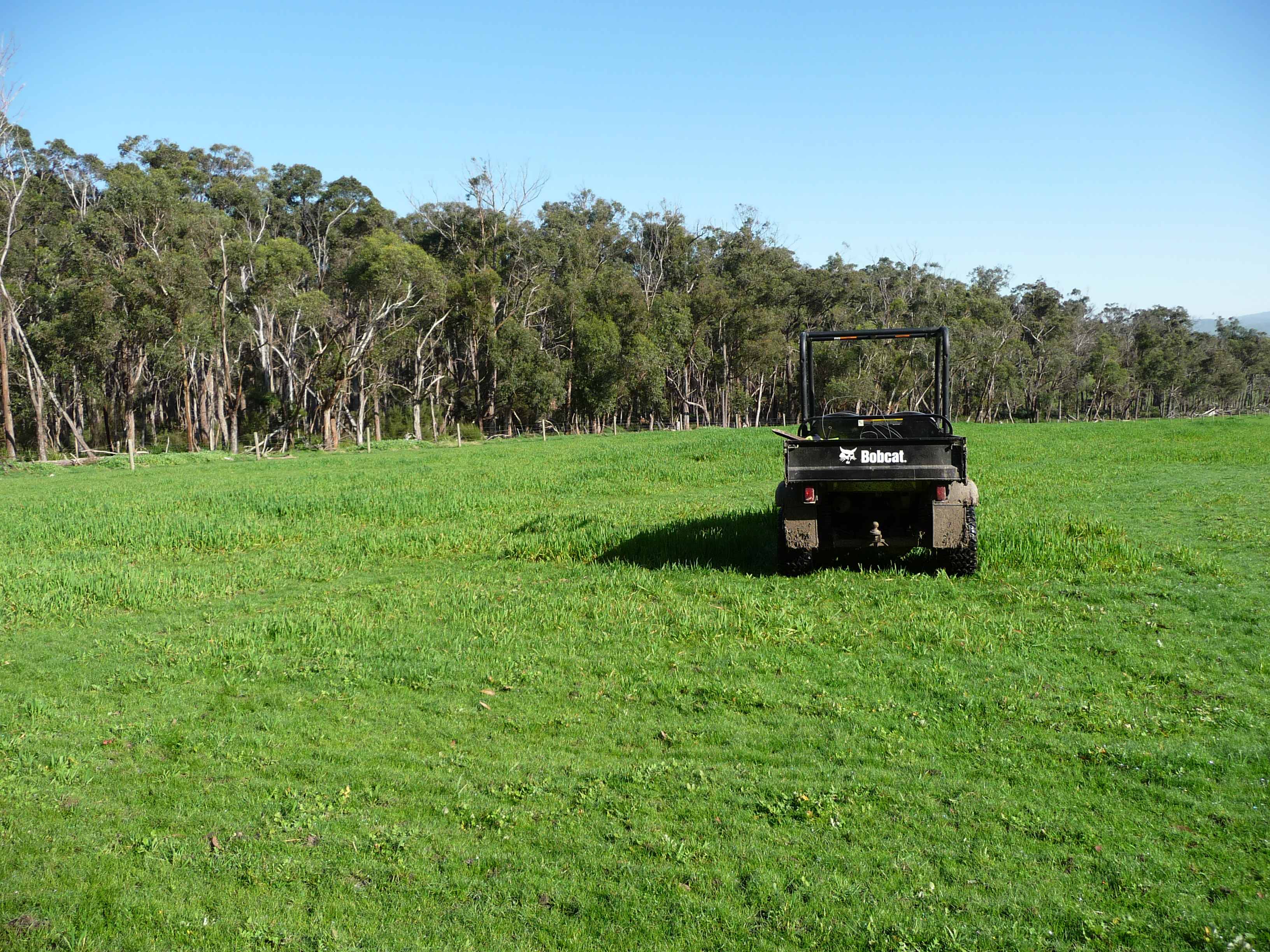
Just in case you were ever in doubt that kangaroos and wallabies compete with livestock, a quick look at one of my paddocks of forage oats is all that’s needed.

These pics are taken at opposite ends of the same paddock. At one end, the paddock shares two fence lines with forest, while at the other, it shares a fence with the maremmas. Who can guess which is which?

This crop was sown before the maremmas were allowed to roam the entire property, so I’m hoping there will be no repeat next year. The two dogs, Charlie and Lola, have been gradually increasing their range since we released them from the calf paddock four months ago but still stay very close to their calves. The next challenge is to encourage them to stray a little more!

By the way, just in case you think I’m stating the obvious, read this report on kangaroos in the SMH.
 

Online mapping software makes farm planning so much easier

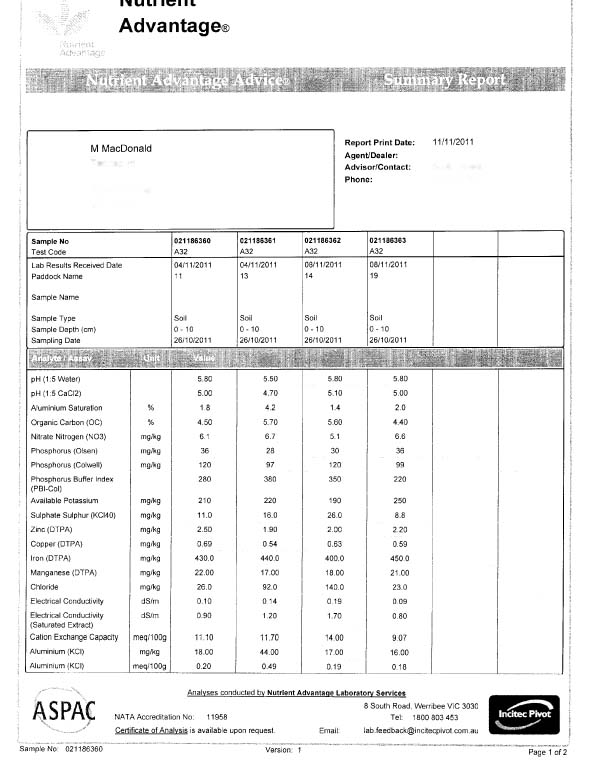
Part of the farm on eFarmer mapping software

Part of the farm on eFarmer mapping software

While most dairy farm work is outdoors, some of our most valuable tools are in the office. In the two years I’ve had access to eFarmer mapping software, I have used it to:

–          plan new fencing (very handy today!)
–          site new stock troughs
–          work out where to put new water lines (and their lengths)
–          plan and carry out pasture renovation
–          plan for a better effluent distribution system
–          map soil types
–          create a map for contractor use (cropping, weeds, fertiliser, fencing, trenching)
–          apply for environmental grants
–          plan and implement revegetation projects
–          accurately specify fertiliser applications

In other words, it has allowed me to be a much better farmer and custodian of the environment.  Thank you to the Victorian DPI and Murray Goulburn for making it happen!