Parched pastures and potassium

Red clover

Gorgeous feed like this can be more water use efficient with potassium

Despite the last few days of searing heat, we still have some nice pasture on hand. It won’t last forever but I am hoping that we can make the spring pastures stretch longer into summer with some judicious fertiliser choices.

I’ve bitten the bullet this year and invested in soil testing for each and every paddock on the farm. It’s shown that our fertiliser regime is working but we still have a way to go in some cases. The main issues we must address are potassium and pH.

Potassium (K) allows plants to use water more efficiently, making them more resilient to both waterlogging and drought. Some of our paddocks only have half the potassium levels they should, especially the rises that dry off first, so I’m hoping that regular applications of potash will allow us to make much better use of those paddocks.

Unfortunately, potassium is readily leached from the soil, so even my extra doses (70kg of MOP behind the cows throughout autumn/winter/spring) simply maintained rather than make a significant improvement in K levels last year.

For a neat technical explanation of the role of potassium in agriculture, see this: Potassium in Agriculture.
The hay is down and I’m hoping for a wet Christmas

Hay in windrows

No rain dancing until Christmas Eve, please

Christmas in this part of the world is always a surprise – you never know whether it will be stinking hot or if you’ll be running inside to the warmth of the pudding. This year, I hope it pours!

We have a huge slab of the farm’s pasture cut for hay and it’s going to be baled in the next couple of days. If we get some nice follow-up rains, our farm will be celebrating the New Year with spring-like pastures. If it disintegrates into a series of scorchers, we will have short, dessicated pastures.

No matter what happens, I have made the right decision to cut the stalk off and return quality to the pastures. Too much stalk for dairy cows is like too many rice cakes for an athlete: there just isn’t enough goodness in the diet. On the other hand, any farmer will tell you it’s foolish to be smug on the promise of a weather forecaster with your hay still in windrows.

As the grass grows golden everything changes again

Feed bails

The new feed ration ready for tonight's diners


I shouldn’t admit this but I use the lawn as a bit of a guide to pasture growth rates. Our lawn is far from manicured and includes just about every grass species known to man. Of course, it’s not grazed either, so it’s really easy to see how it is performing. And, this week, we raised the mower’s cutter deck in an attempt to preserve its greenness.

That’s not to say I don’t watch the paddocks like a hawk. Out on the farm, we’ve been battling to prevent the grass from bolting to head, raising seed heads atop stalky stems that fill the cows with fibre rather than goodness. The seed heads also signal senescence – a type of hibernation for grass – dramatically reducing growth rates.

It means that rather than being able to graze a paddock, say, every 21 days, we must rest it for up to 60 days when summer really kicks in. To manage this, we strip graze the paddocks so the cows get a much smaller yet still fresh portion each day. With less grass on offer, we must make up the daily ration with supplementary feed. I have some gorgeous vetch hay waiting in the shed and there’s all that silage we baled just a few weeks ago.

My first step though is to lift the amount of grain we’re feeding to balance out the increasing fibre in the grass. Just a 1kg boost – easy enough to turn up the dial but, oh, what a performance it turned out to be!

The feed system is governed by a timer rather than a checkweigher, so we have to guess how much extra time to dial up, scoop samples into buckets, weigh and review if necessary but the scale’s batteries were flat. Determined to get it right though, I dumped a 1 litre juice bottle on top of a bucket of the current ration and, with Clarkie’s help, set up a rudimentary scale with a scrap metal rod suspended from a roof truss with hay band. It wasn’t glamorous but it worked a treat!

All I want for Christmas now is a yard hydrant wash system, an underpass and a pasture meter like Graeme’s.

Little monsters in a crop

Cabbage moth

This picture of bridal purity is actually laying the seeds of destruction

This beautiful butterfly is no fairy. The larvae of the white cabbage moth and her wicked step-sister, the diamond backed moth,  can decimate brassica crops in days. The only way to control the diamond-backed wrigglers is to spray and spray and spray. Every five to seven days for the life of the crop! I’m no buddhist but this is a level of chemical use that scares me (and blows any hope of profitability at the same time).

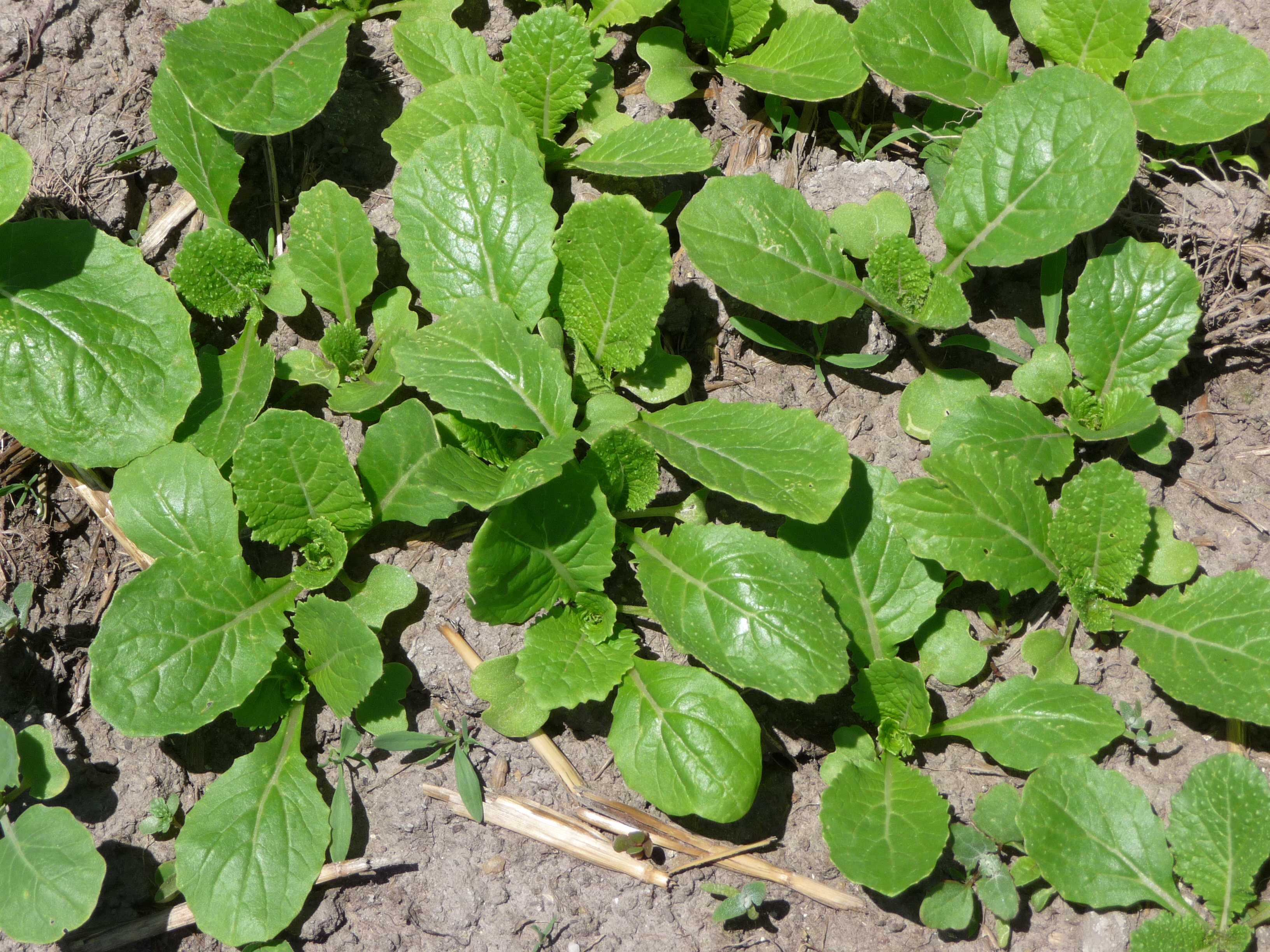
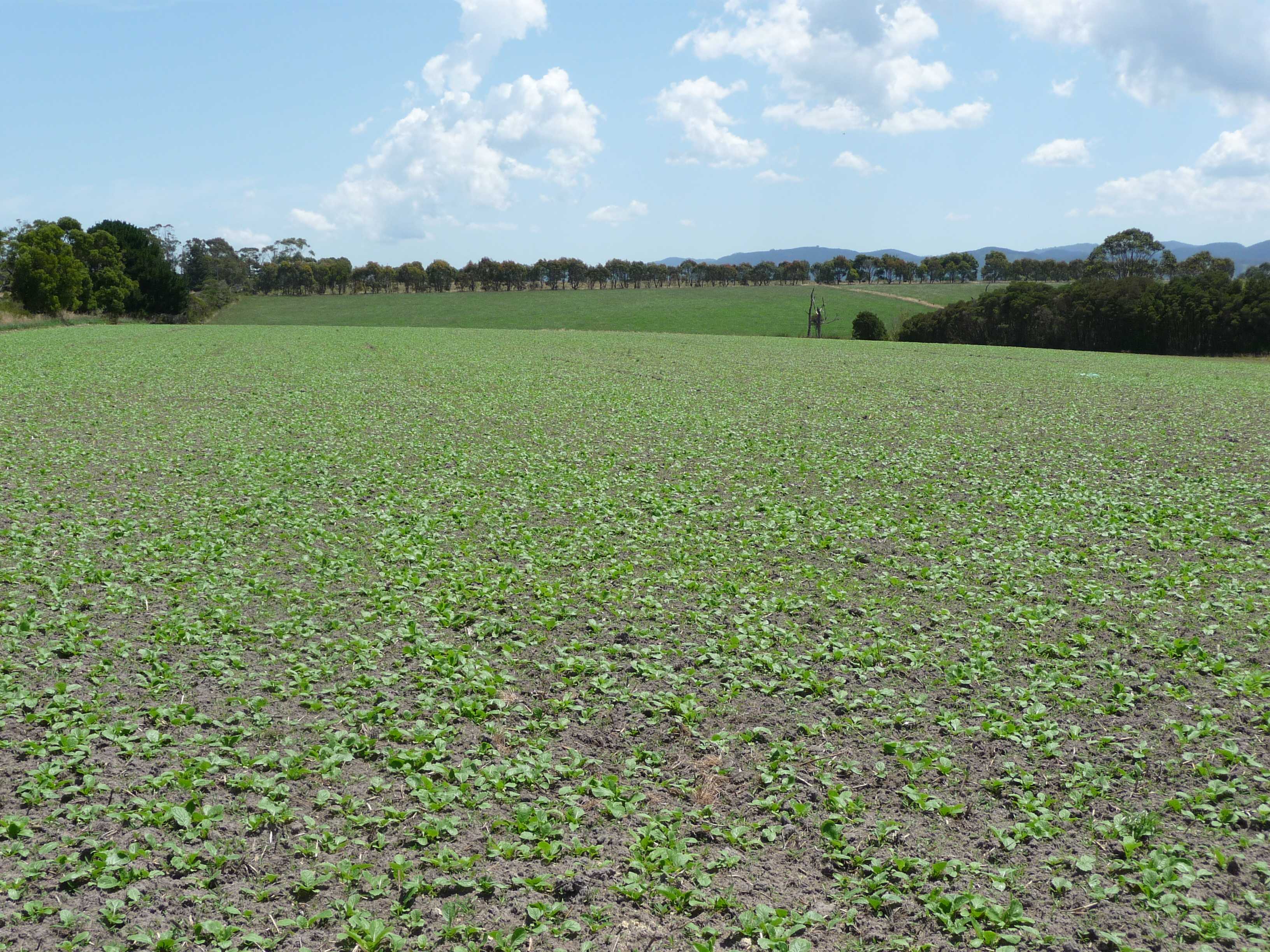
For this reason, I’m falling out of love with rape. This obscenely-named brassica has long been the darling of dry-land dairy farmers. We’ve come to rely on it for high-quality lush green feed in the height of summer; when little else worthy of our cows’ refined (read “udderly spoilt”) palates will grow without irrigation.

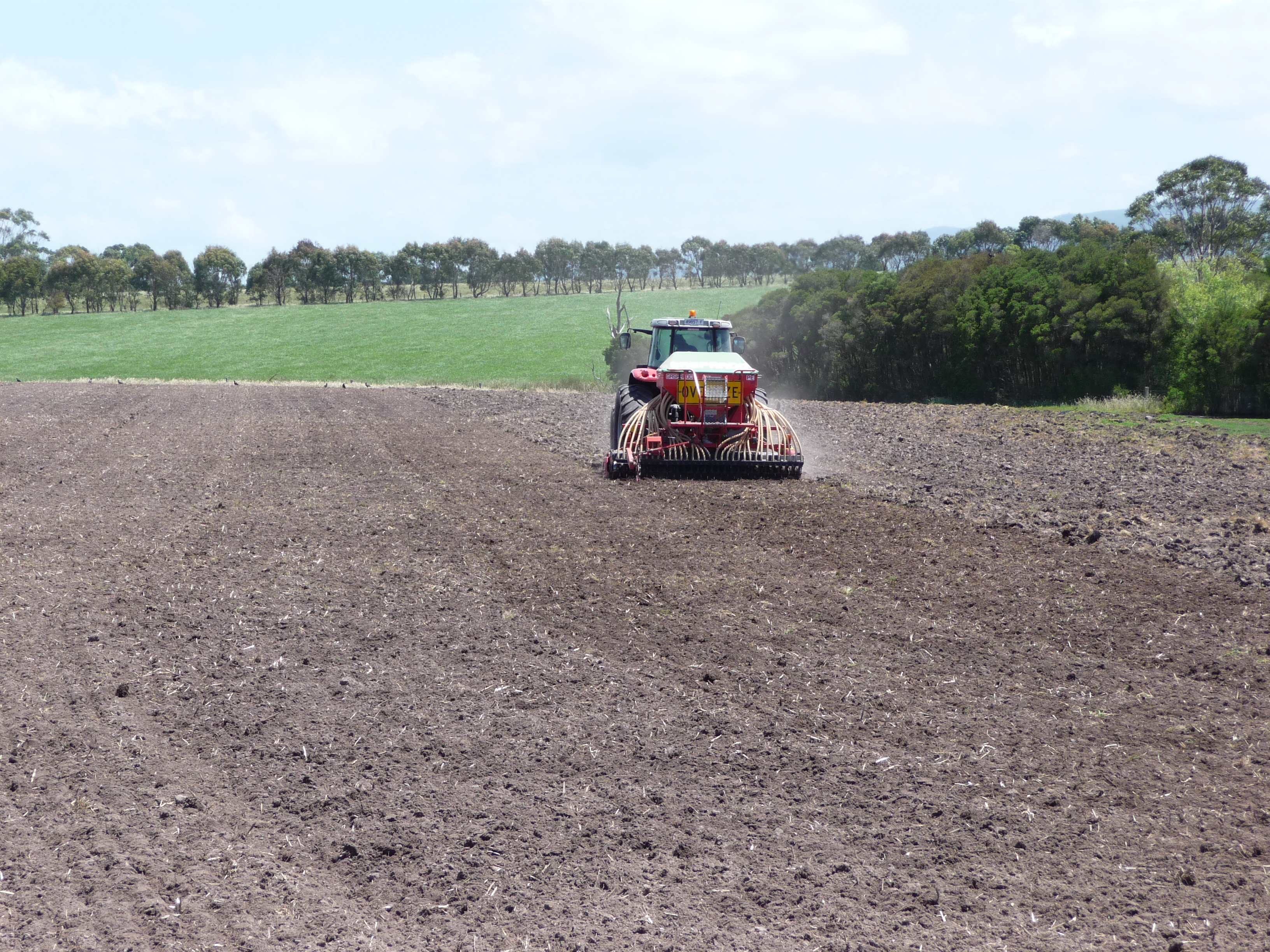
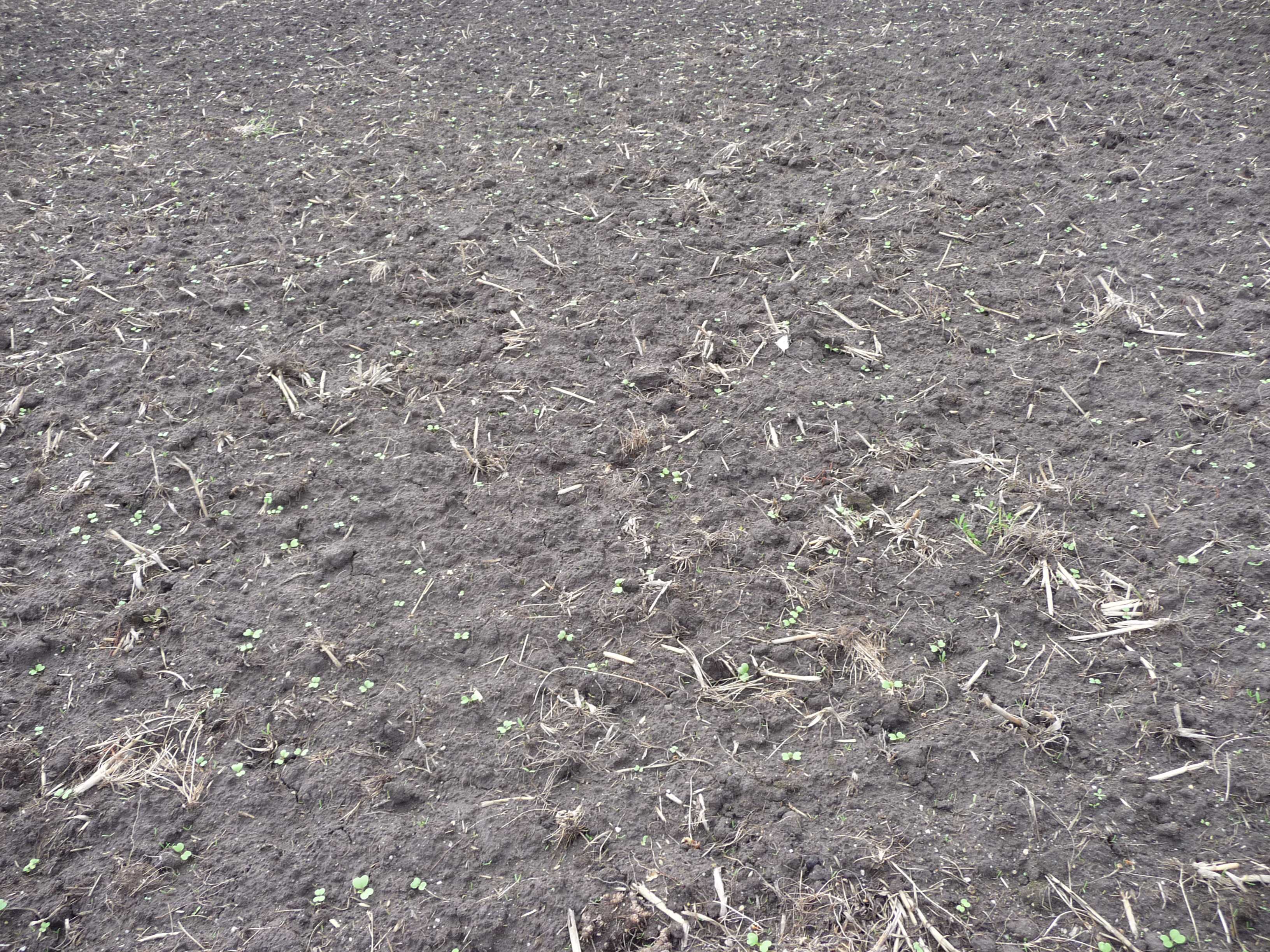
I used to stagger plantings over a dozen hectares of brassicas to provide a constant feed source from January through to early March. Not any more. I’ve planted the oat paddock with Hunter rape and that’s it. Unlike the more hardy Winfred variety, Hunter is safe to graze at any age and when the larvae get a wriggle on, I’ll simply send in the cows and let the caterpillars have the rest. No spraying, no searching under leaves for stealthy marauders and no cow health worries.
 

Betting on a thunderstorm

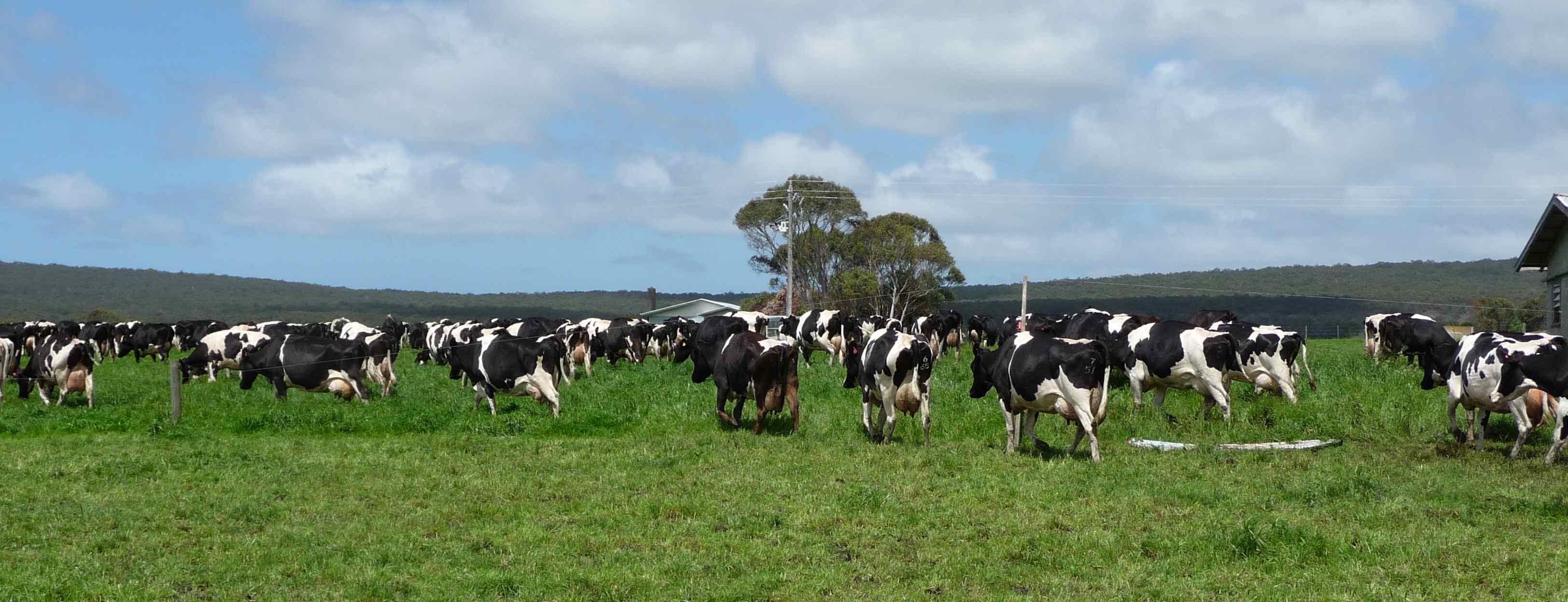
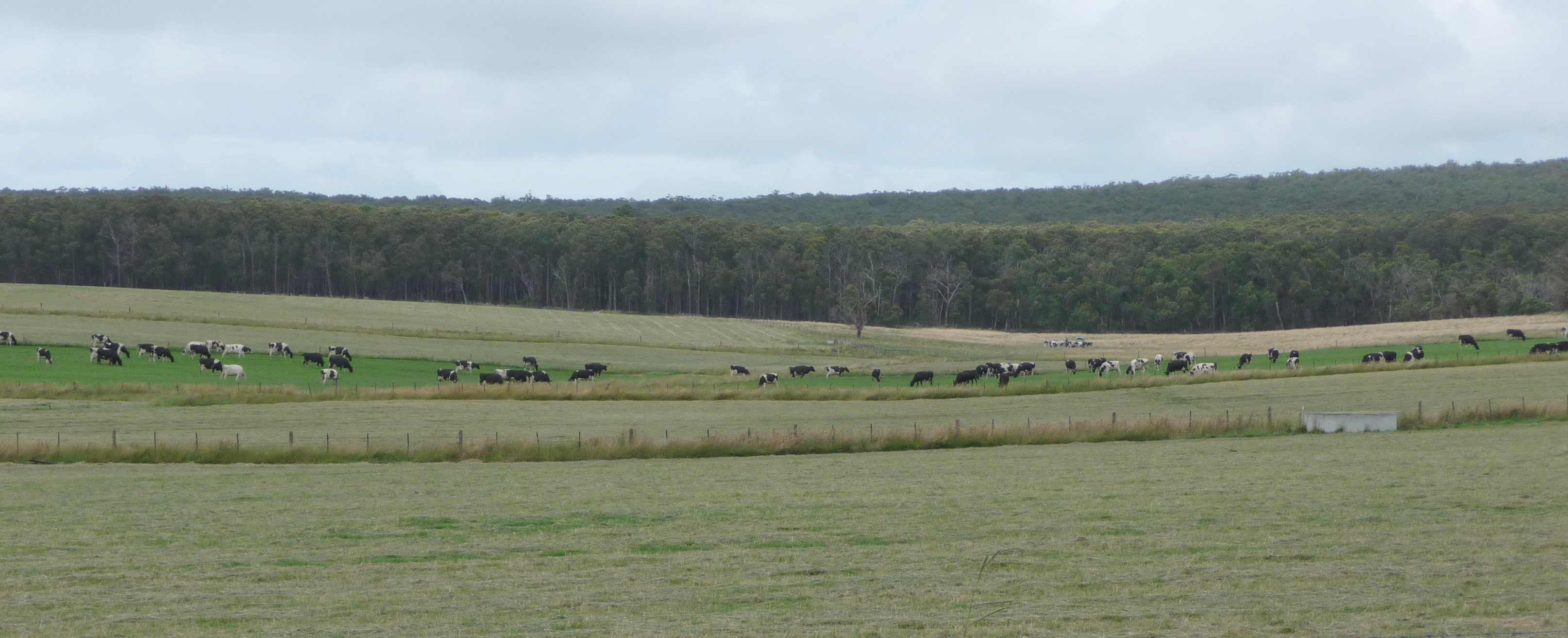
Cows grazing with mower in distance

Have I made the right decision?

Imagine a game where you wager thousands of dollars on the timing of a spring thunderstorm. Too stupid? Well, that’s what I’ve just done.

Getting silage done this season has been…tricky. You need a three-day “window” of warm, dry weather to cut, dry, bale and wrap the grass. Three-day windows have been pitifully rare this season though and we have long, stemmy grass that needs harvesting.

This morning’s forecast said 25 degrees C today, followed by 30 tomorrow and a thunderstorm. We’ve decided to cut three paddocks. If the grass stays too moist, we might lose hundreds of rolls of feed. If we didn’t cut, the grass would go to head and stop growing.

Fingers crossed.

A beautiful set of numbers

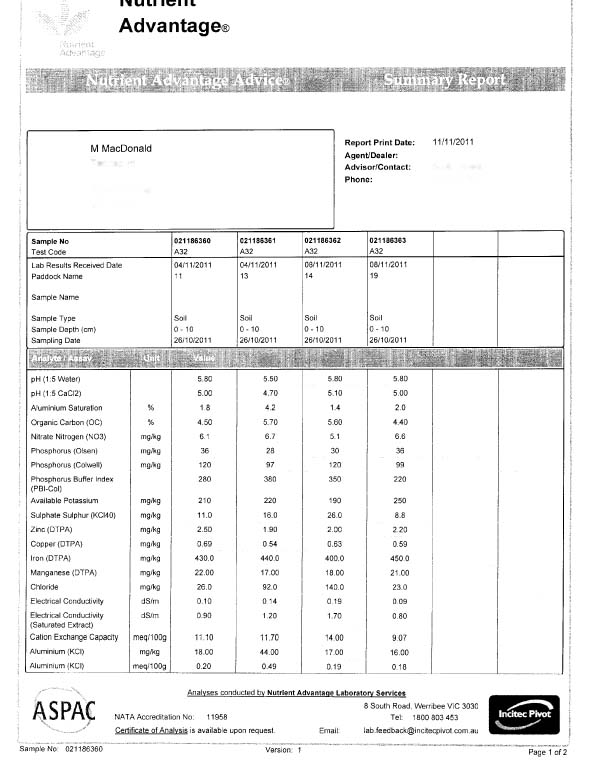
What does a farmer do when the kids are sick with gastro and it’s raining? Paperwork. Although I detest the oceans of sheets that flood my desk, the one batch that carries the same anticipation as a Christmas present is my annual set of soil tests.

Soil test results

The beautiful set of numbers that are the river flats

 
These geeky looking sheets let me know what type of fertiliser to spread and where. Now, once upon a time, the farm’s fertiliser order was pretty basic (3 in 1 on one side of the road and 2 in 1 on the other) and it shows. Some paddocks had luxury levels of phosphorous and a shortfall of potassium, while most had miserably low pH results. Accordingly, we are now spending less on phosphorous and more on potassium and lime (both standard calcium and dolomitic).

The rotten thing about acidic soils associated with high aluminium levels, as ours have been, is that they make many of the nutrients unavailable for the plants.

Getting the nutrient levels right with the help of soil testing and observing the signs of nutrient deficiencies has led to a massive reduction in the volume of inorganic nutrients we apply to the paddocks. This has saved our family tens of thousands of dollars and boosted the growth of our pastures while lowering the risk of leaching into waterways. A big win for the sustainability of the farm.

Cows are discerning diners

Dairy cows are every bit as discerning about their food as a MasterChef judge. They don’t like grass that’s too long, a species that’s unfamiliar and, less surprisingly, anything that’s got mud, manure or urine on it.

They don’t like longer grass because it gets fibrous. Our girls are thoroughly spoilt and only lush and juicy will do – so much so, they’d rather make a bed of it than eat stalky pasture.

This means that if you don’t have the grass eaten down far enough, it will get stalkier and stalkier as time goes by and the cows continue to refuse it.

According to the gurus, we should aim for a residual of four to six centimetres after the cows have left the paddock. If there’s only enough grass for half a grazing, you’re left with the dilemma of leaving it too long and seeing quality spiral or running out of feed. The textbook answer is to skip the paddock and “top” it with a mower but we don’t have enough people to do those types of jobs.

My alternatives are to save it for silage (topping’s automatically thrown in) or graze it and move them at lunchtime. And here they are:

Moving the cows

Mmmm...dessert!

Most of our farm’s internal fences are single-strand electric, which lends them perfectly to this type of manoeuvre. It took the cows five minutes or so to realise what I’d done but you can see how enthusiastic they were about their “second course” once the first pioneering diner ventured into cow nirvana.

Perfect timing, kinda: the brief lifecycle of a forage oat crop

The oats were sown in Autumn and here they were in May:

Oats on May 14

Oats on May 14

The idea was to provide quick winter feed and open up the soil with their deep roots but it got so wet, we couldn’t graze them and some were stunted.

Oats stunted by wet conditions

Oats stunted by wet conditions

Most of the paddock looked perfect in August but the soil was still too wet for the cows.

Oats in August

Oats looked great in August but still too wet to graze

This spelled trouble. It meant we’d missed the chance to graze the oats at all. The growing points would be too high. If I ignored that and grazed them anyhow, there would be nothing to bale to feed out next calving season. Oats are great to feed to heavily pregnant cows because they lower the risk of milk fever.

This is how they looked two weeks ago:

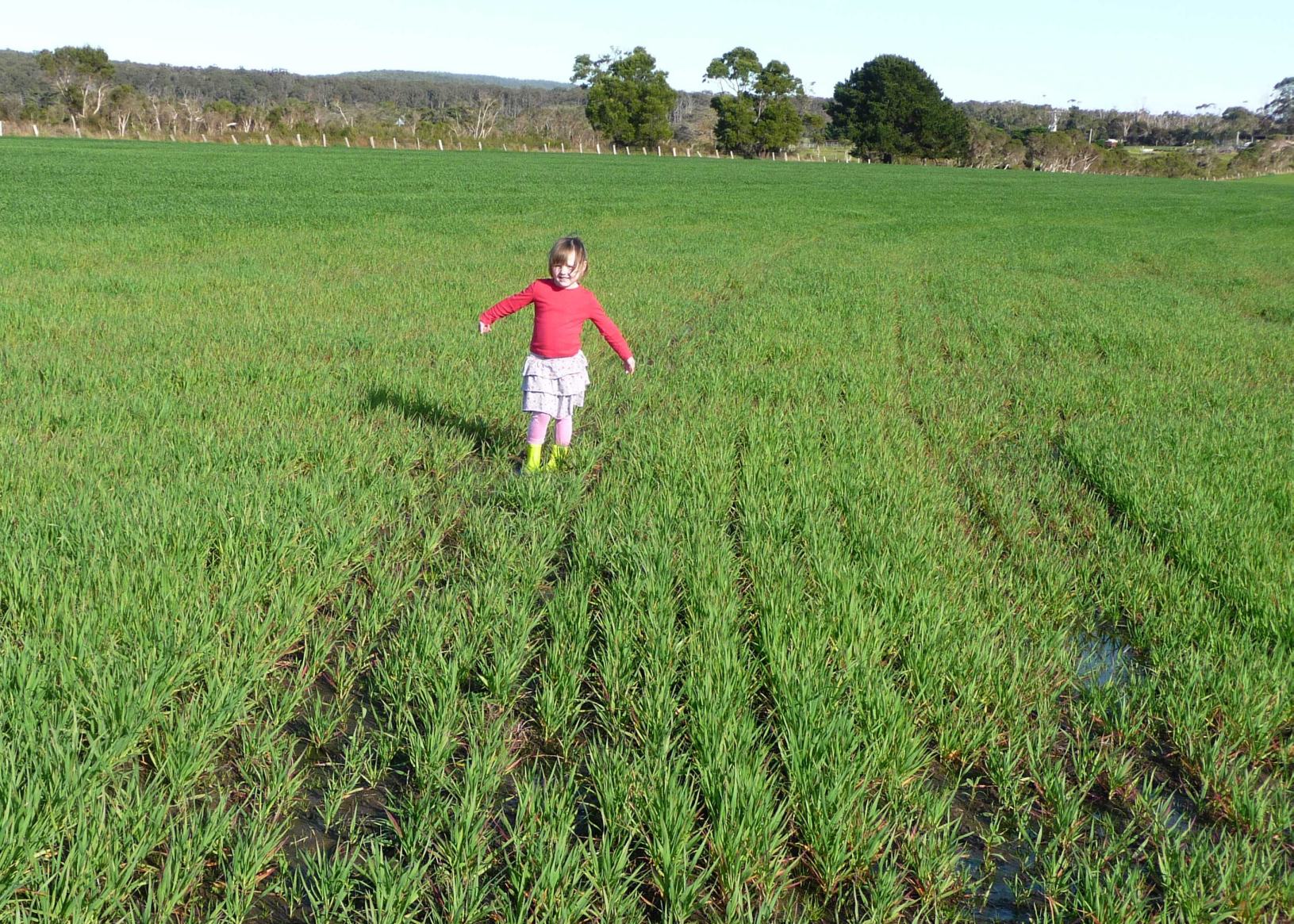
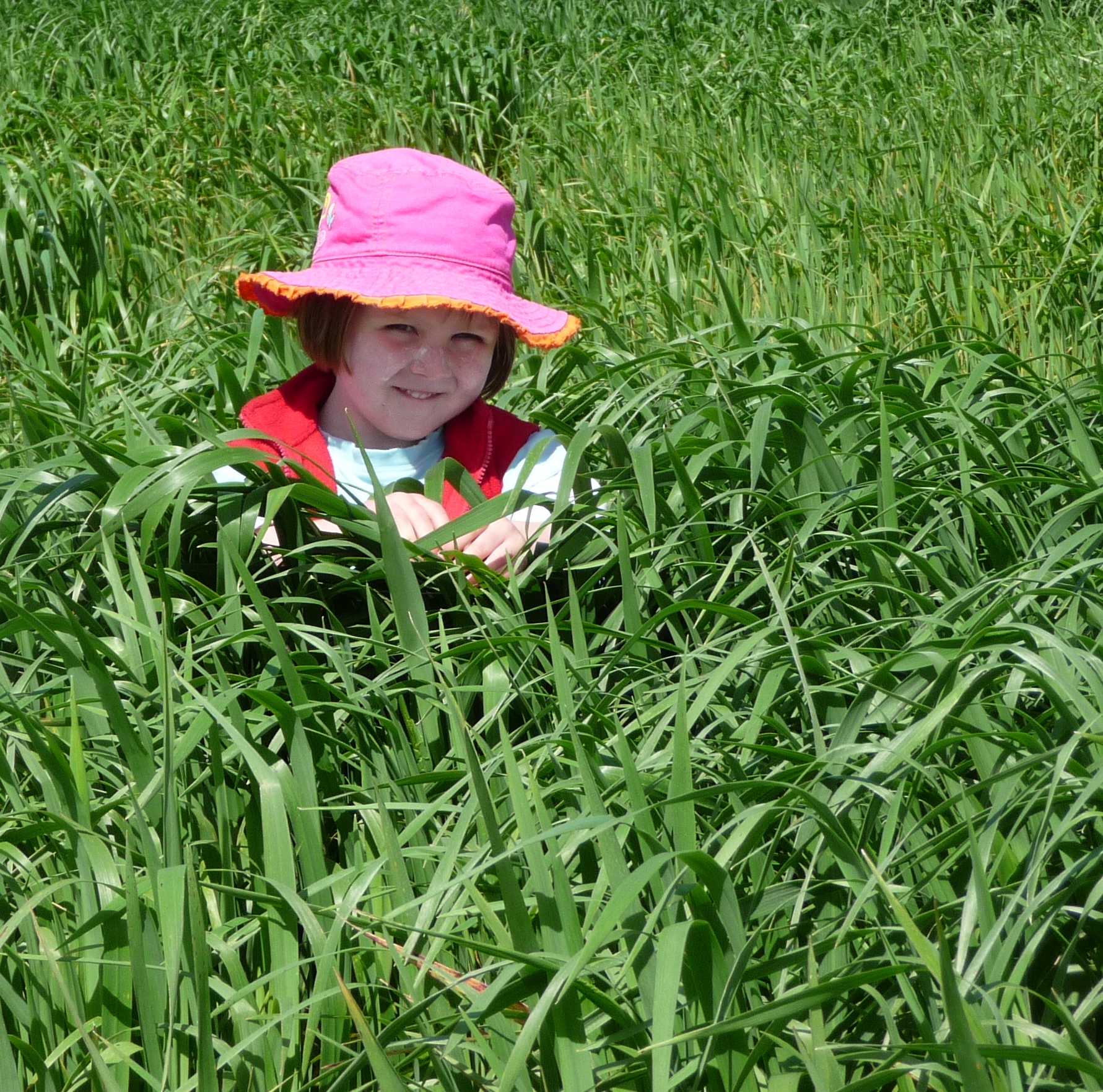
Zoe in the now tall oats

Zoe in the then tall oats

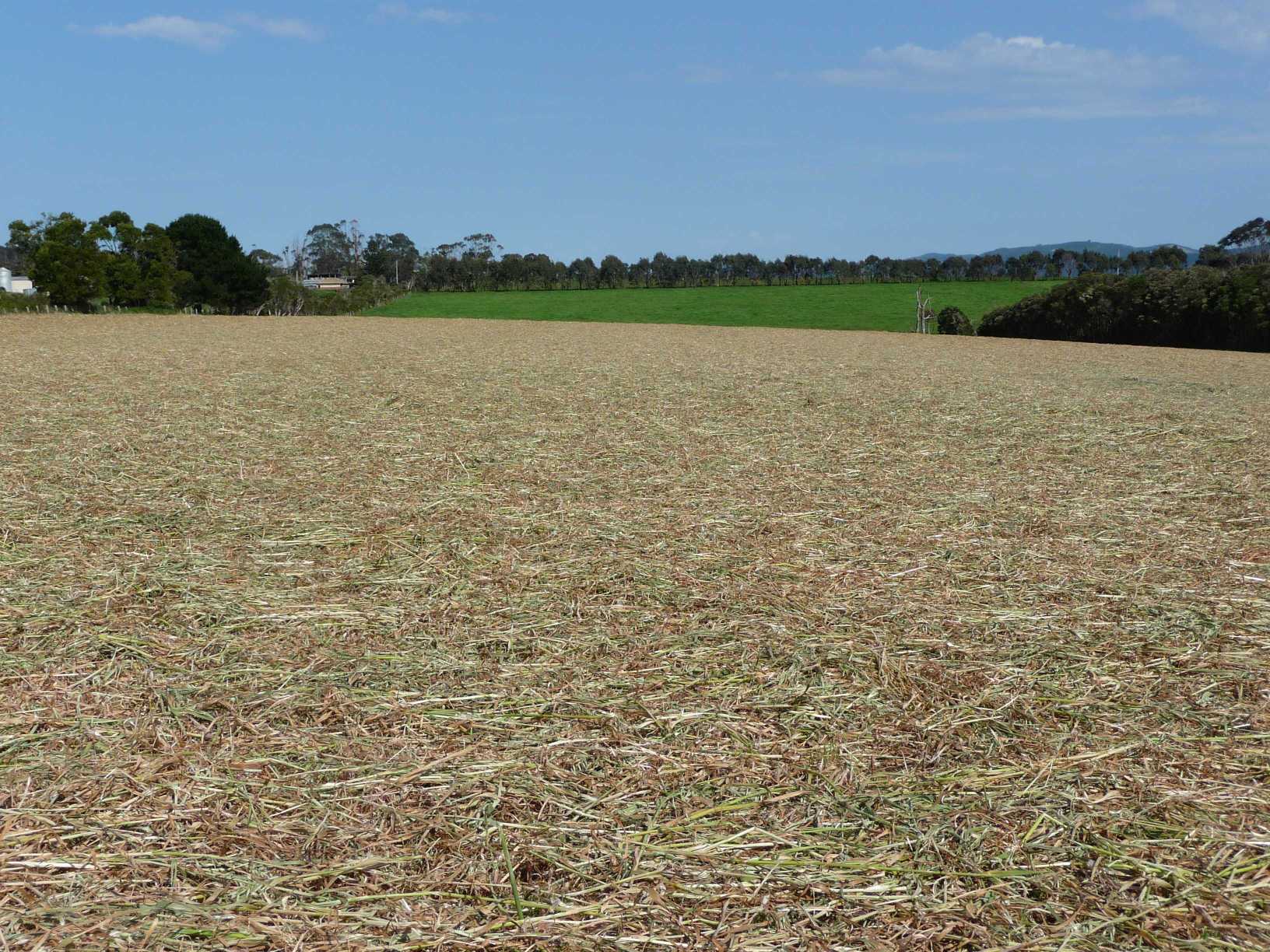
It meant they had to be cut quite quickly and this week was our chance. They were mown on Monday and Tuesday:

Mown forage oats

The oats after mowing

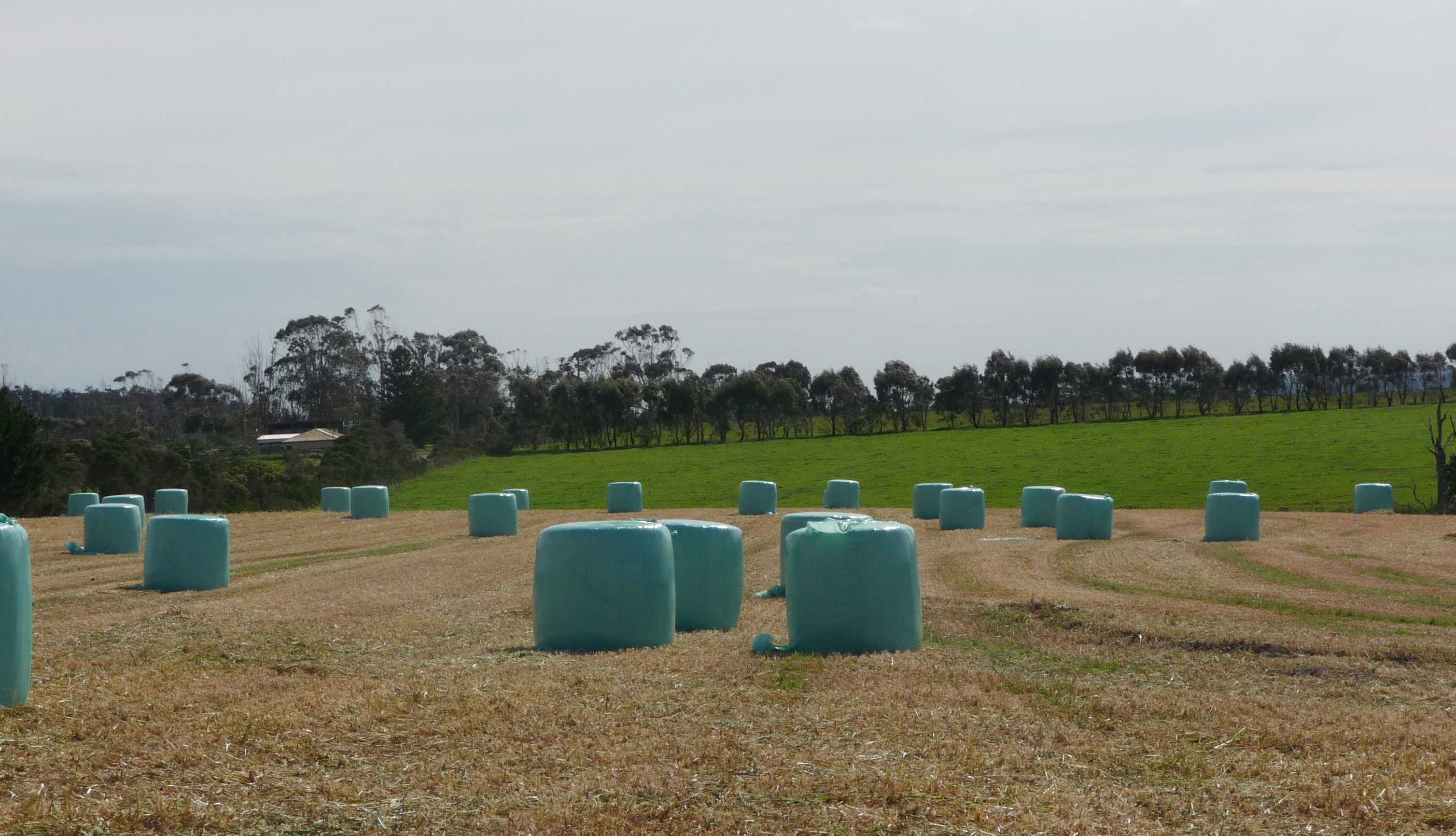
By Thursday (yesterday), they were still a little sappy but, while it was 30 degrees Celsius, a cool change was on its way, so we had to wrap it as silage rather than leaving it to dry further to become hay.

Baled oaten silage

Oats all baled up

It was such a nice feeling to listen to the rain on the roof last night, knowing I had hundreds of sweet silage bales all wrapped up for the girls next autumn!

I’ve discovered a treasure-trove of info on silage making online, by the way. Check out the Dairy Australia “Successful Silage” manifesto. If you’re not thrilled by silage, you could use it to rock yourself off to sleep.