The poison farm

The Poison Garden is an oddly captivating blog on many weird and wonderful poisonous plants. Since spending some time there, I’ve realised our dairy yard is ringed by hemlock – the deadly plant Socrates drank as his death sentence.

I was thrilled when The Poison Garden’s author, John Robertson, agreed to write this post for the Milk Maid Marian.

The only type of question I dread about poisonous plants begins ‘Should I remove…?’ You can’t say that it is fine to leave the plant(s) alone because that’s sure to mean the questioner’s dog ends up dead within a few weeks but it has to be remembered that, in the majority of cases, the plant concerned has been growing in gardens, parks or open country for hundreds of years and rarely, if ever, caused a problem.

But what about farmland? Loss of a beloved pet may be heart-rending but loss of a herd of cattle because of some unrecognised risk could bring financial ruin on top of the emotional upset.

Instances of poisoning due to plants are, thankfully, rare but they do happen and they do happen more with farm animals than anything else. Just this week, I saw this (pdf) report of an incident in the Republic of Ireland where a herd of cattle fell ill, and some died, three weeks after being turned out to a new pasture. Thorough investigations proved that the cause was ensiled ragwort, Jacobaea vulgaris, in the feed the animals had been given prior to being let out but it would have been natural to assume that there must have been something in that new pasture since the cattle showed no signs of illness prior to their release.
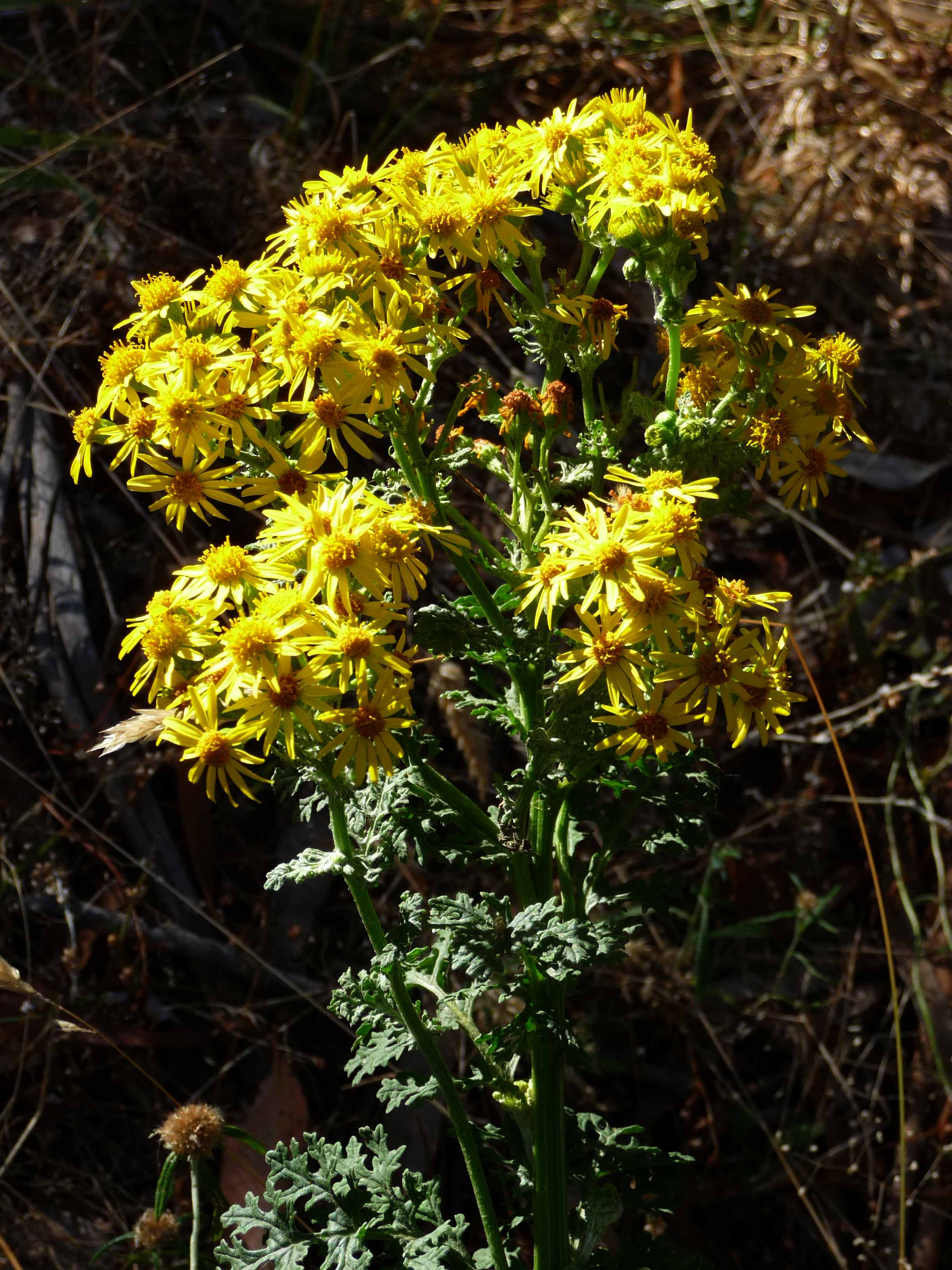
Ragwort

The buttery yellow flowers of ragwort

I mentioned this case to Esther Hegt who runs the website ‘Ragwort, myths and facts’ and she replied by telling me about a case some years ago in the Netherlands where 250 cattle suffered ragwort poisoning after being fed hay that was badly contaminated with ragwort.

So what should a farmer do? Well, as I said at the start these poisonous plants have been around for a very long time and only rarely do harm. That may be because the taste deters consumption in normal times or it may be that the animal has evolved not to be attracted to a particular plant. Especially in this age where bio-diversity is king and farmers are expected to protect the environment and feed people, it is not possible to tour every inch of land and remove anything that just might cause problems.

What is important is to be on the lookout for the unusual. The recent poisoning of a Chinese chef in Canberra occurred when an exceptional spell of weather produced fruiting bodies on the Amanita phalloides, death cap mushroom, at the ‘wrong’ time of year and past incidents involving cattle often result from something different happening. A very dry spell early in the spring leading to the ground shrinking and exposing the roots of Oenanthe crocata, hemlock water dropwort, resulted in deaths in cattle though the same pasture had been used for many years with no trouble.
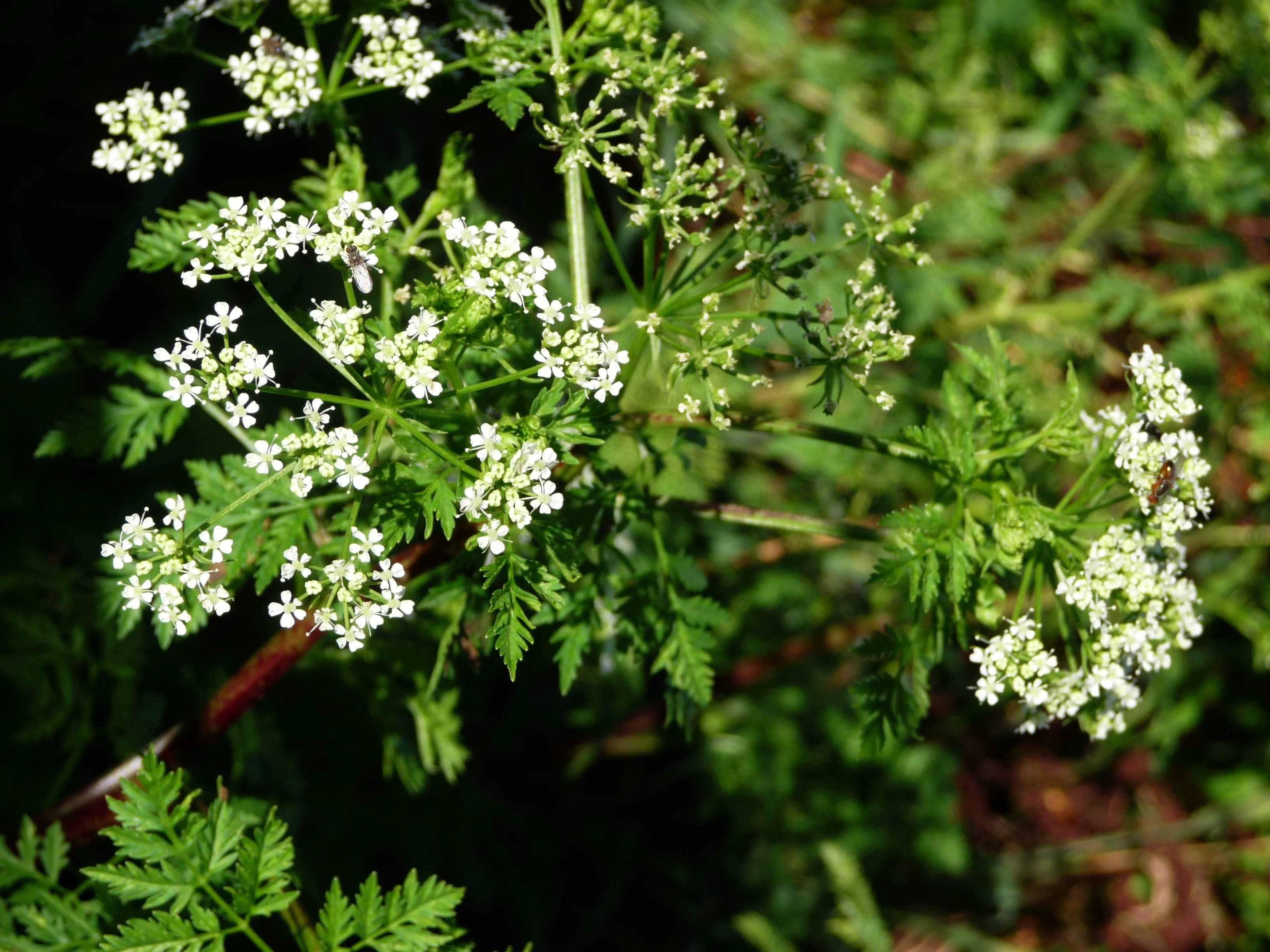
Hemlock

The pretty yet deadly hemlock rings Milk Maid Marian's dairy

Of course, the other thing that can lead to poisoning incidents is lack of knowledge. A number of incidents have occurred when people didn’t realise that Taxus baccata, yew, or Nerium oleander, oleander, were toxic and thought they were being helpful by feeding clippings from these plants to farm, or zoo, animals.

Something different is mostly the cause of one of these rare incidents so it is worth saying that there is something different about modern farming where, perhaps, not enough consideration is being given to possible plant poisonings.

Whether as a commercial venture or in order to be more transparent about farming practices, more farmers are inviting the public onto their farms. It is almost certainly worth spending a couple of minutes making sure those visitors understand why they shouldn’t feed treats, of any sort, to any of the animals they will meet during their visit.

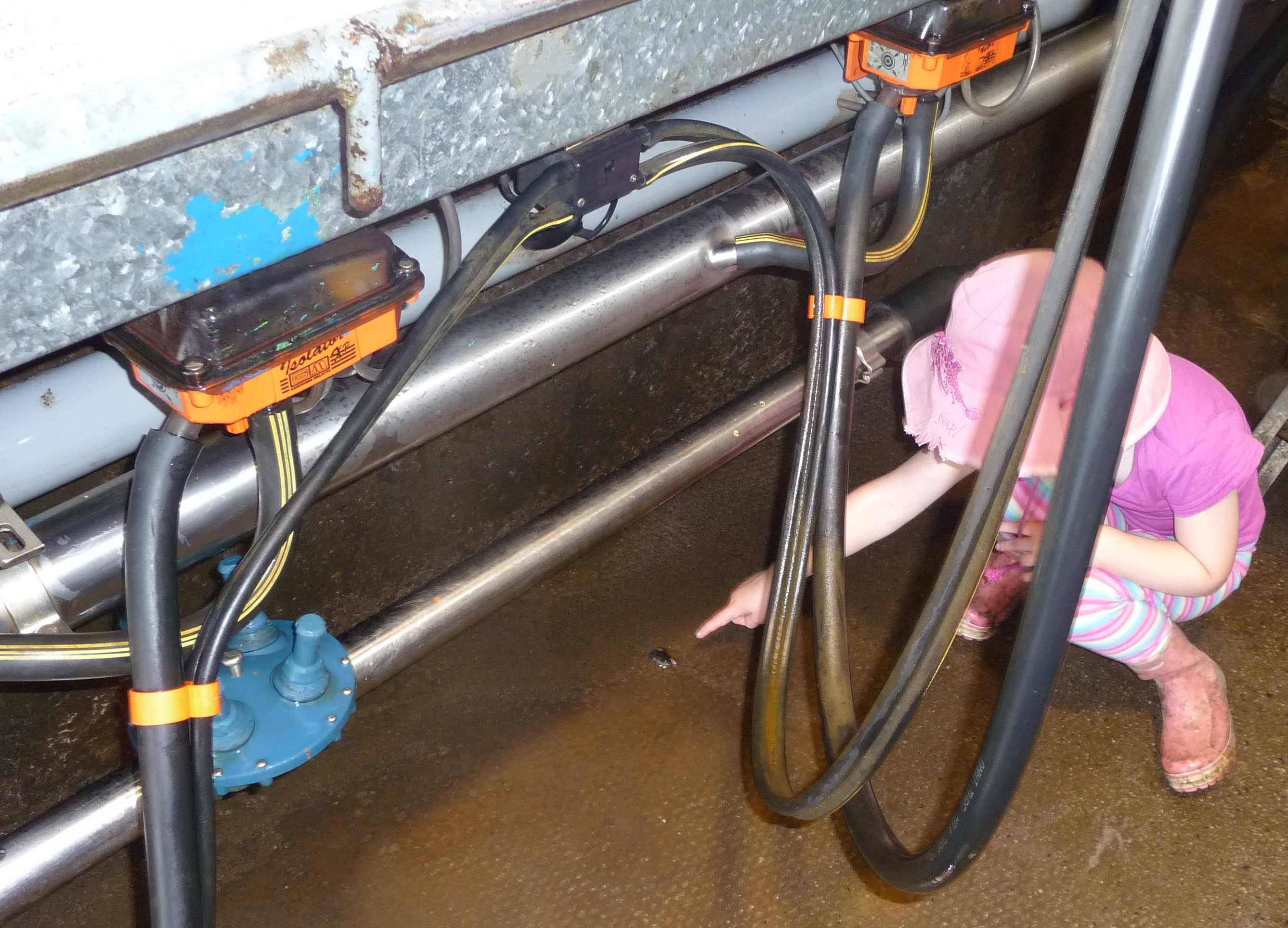
A most unlikely frog habitat

An automatic wash system keeps our milking machines spotless and hygienic. A series of warm, hot, hot and cold water cycles swish through all the stainless steel night and morning, carrying with them powerful alkali and acid detergents. Milk is very sticky stuff and we need to keep the pipework clean for high quality milk and to look after the health of the cows.

At the same time, we are all told that frogs are one of the first creatures to succumb to chemicals in waterways. The dairy pit, then, must be the most unlikely of frog habitats yet Freddy and Freda call it home.

Frog habitat like you've never seen it before

Frog habitat like you've never seen it before

Freddy and Freda are long-term residents of the dairy and make a journey from under the milk receival can at the north end of the pit to a dark spot under the steps at the south end as milking progresses. If anyone can tell me a little bit more about these tiny little frogs, please do!

Freddy frog

Freddy and Freda blend in beautifully with their concrete habitat

John Mulvany tells how young dairy farmers can make it work

It’s official: buying your own dairy farm may no longer be affordable but some entrepreneurial young dairy families are finding other paths to prosperity.

The answer is to farm without the farm, says John Mulvany of OnFarm Consulting. Ahead of his address to the Australian Dairy Conference on Thursday 23 February, I invited John to write a guest post especially for young farmers.

All dairy farmers at the Australian Dairy Conference will be somewhere on this dairy farmer life curve: it’s about balance between skills acquisition, growth, life style and eventually discretionary involvement.

FarmerLifeCurve

SA – Stuffing Around

FTCF – Focus, tight cash flow

TAF – Tight arse factor

HD – High debt

HEQ – High Equity Cons – Consolidation

DI – Discretionary involvement

Many dairy farmers are asset rich and energy poor. At the same time, many young dairy farmers are energy rich and asset poor. With land prices increasing while profit margins fall, landowners will find it harder to find young farmers capable of buying their farms.

Three young dairy couples I’ll introduce at the Australian Dairy Conference have taken their cue from many successful retailers: they don’t own the farm. Instead, they lease land to operate profitable dairy businesses while investing the returns from their dairying in high growth assets beyond the farm gates.

Warren and Kerrie Redmond, for example, entered the dairy industry with no assets in 1989 on a third share of 167 cows. Today, they lease just under 1000 hectares with 486 hectares milking area for 900 cows over three farms. Off-farm investments include three houses, FMD’s and shares. Last calculated return on asset was in 2010/2011 at 22%. Lifestyle is now very much a priority.

Gems of Advice for Young People in Dairy

• Keep an eye on the big picture – it’s easy to get lost and discouraged in the daily crap.

• There will be a minimum 8 -10 years where the pressure will be on and you’ll wonder if you are going anywhere.

• Build your reputation so people seek you to rent their assets.

• Keep your bank informed; they are your best friend when investing in high-risk cows and plant at the start.

• Spending is restricted to sensible money making assets – no shiny red toys.

• Purchase off-farm capital growth assets as soon as your debt level allows.

• You will have to make some sacrifices and initially be prepared to work hard manually while balancing decisions.

• In re-working arrangements, think outside the square, keeping the interests of both parties in mind.

Left behind in the dust

The farm in February

Still looking green

It’s at this time of year that three distinct classes amongst dairy farmers around here become clear for all to see: the lax, the leaf counters and the irrigators.

The beautiful green pasture seen from our verandah is something of an illusion. Take a closer look and it’s sparser than it was just a few weeks ago when we were squirelling away silage. More importantly, it’s growing at about a third of the speed. In contrast, the irrigators are powering along, growing feed as fast as ever.

Why don’t I irrigate then, you ask? Because I cannot. There is an indefinite moratorium on new irrigation licences for the aquifer that flows beneath our farm because it is dropping unsustainably. According to a report by the Department of Sustainability and Environment:

“Levels of groundwater extraction from the Latrobe Aquifer, in Gippsland, are well in excess of annual recharge. Monitoring of groundwater levels indicates that, as a result, there has been a regional decline of approximately 1 metre per year over the last 30 years (SKM, 2004). It is forecast that this rate of decline will continue for at least the next thirty years.”

Ironically, that’s not because too much water is being used by farmers.

“Whilst detailed estimates vary, the proportions extracted by different users are estimated to fall into three broad categories (Hatton, 2004, Fig. 1):

  • 85,000 ML from oil and gas production in the Bass Strait;
  • 25,000 ML for coal mine stability purposes in the Latrobe Valley; and
  • 10,000 ML for irrigation and industrial purposes…”


Other potential impacts of the coal, oil and gas production are alarming. The report discusses potential land subsidence, sea water intrusion, reduced stream flow and running out of groundwater altogether.

The Australian and Victorian governments have established multi-million dollar assistance packages for irrigators but the rest of the community appears to have been left high and dry.

Something to make the heart sing

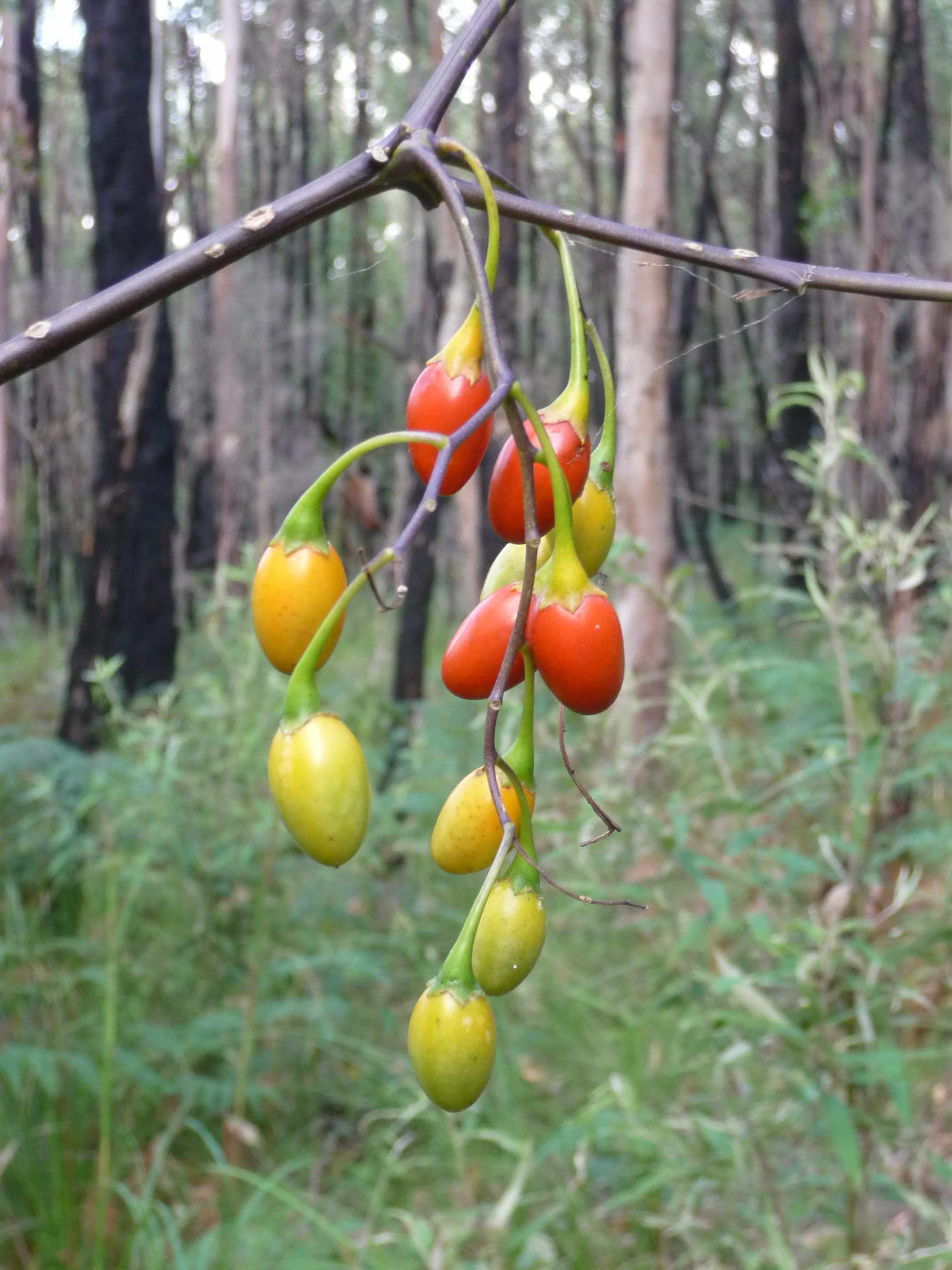
Kangaroo apple berries

One of our "Summer of Zoe" discoveries

This is officially “The Summer of Zoe”. As my dear little farmer starts school tomorrow, I have begun taking her further and further into the forest that bounds our farm to celebrate her launch into the big, wide world.

She has found herself entranced. Secret paths lead from farm to forest, amazing creatures present themselves and the bush smells wonderful.

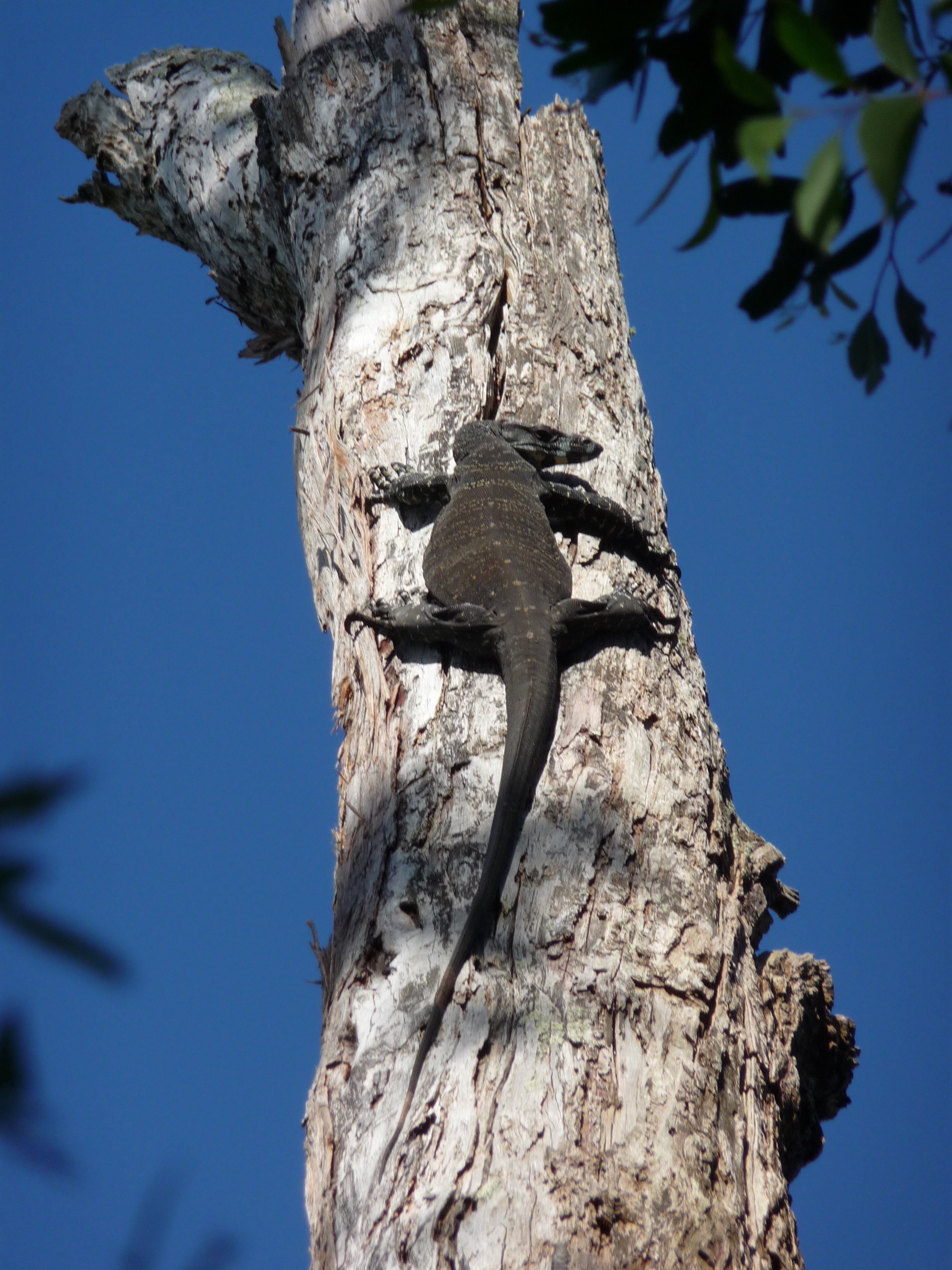
Goanna

An inspired Zoe even made her own goanna video

Somehow, Zoe senses this is a rite of passage. She volunteers that, one day, she will show her own daughter the ways of the forest and then says “You are beautiful, Mama, and I will never forget you”. She hasn’t yet waved goodbye from the school gates but I am already missing my wonderful little soul mate.

What do glue, paint, tablets and clag have in common?

Another fascinating snippet from the Gippsland Murray Goulburn newsletter:

“Casein accounts for about 80 per cent of the total protein in skim milk post the separation process. It is mostly associated with cheese-making but is harvested from the curd to be used in many products, including glue, pharmaceutical tablets and some paints. Many of us may remember Clag in artwork made from casein.”

How much did you get?

“How much did you get?” will be the standard greeting in town for the next week or so.

What a downpour

Bikini weather

If not for Alex, I would have stripped off and run outside when the thunderstorm hit this afternoon. Until today, we’d been well settled into a very dry weather pattern typical of a traditional scorching summer. The grass was going backwards fast and the amount of milk we’ve been sending has been shrinking every week. My trusty forecasting website, Oz Forecast, had seen it coming for almost a week though and I was ready.

Feeling bold but a little nervous, I’d laid thousands of dollars on the line by having urea (a fertiliser that is 46% nitrogen) spread across a swathe of paddocks last Friday. Nitrogen is amazing stuff, more like water than fertiliser really: its effect lasts only a few weeks so you need continual top-ups but under the right conditions, it makes grass grow like nothing else.

It’s not cheap though and the wrong conditions can see it quite literally evaporate, or “volatilise”. A fact sheet by esteemed University of Melbourne scientist, Richard Eckard sums it up this way:

What is Volatilisation?
This occurs when urea fertiliser is converted to ammonia gas, a process which takes place in the first 48 hours after application. Conditions during that first 48 hours are critical to the amount of nitrogen lost.
How much is lost?
Trials conducted recently at Ellinbank showed losses to volatilisation are highest in February and are commonly around 14% on the nitrogen applied as urea. However, loss between May and November are substantially less, being between 3 and 6% of the nitrogen applied as urea. Other sources of nitrogen do not volatilise under our conditions, although on DAP would justify the price difference if only 14% is lost from urea.
How to minimise volatilisation losses?
1) Low wind speed: In one experiment a 14% loss was reduced to around 4% the next week where there was almost no wind. One strategy, adopted by some farmers, is to apply nitrogen a few days before grazing. This reduces wind speed at ground level almost zero due to the longer grass and any surplus ammonia gas produced is absorbed direct into the leaves of the pasture.
2) Lime application: In a similar experiment a loss of 12.5 % of nitrogen from urea was increased to 22.5 % by applying urea where 2.5 t/ha of lime had recently been applied. A simple solution where both urea and lime are required would be to apply the urea first, then apply the lime a week later.
3) Rainfall: In another experiment at Ellinbank rainfall was simulated in February by irrigating after applying urea. Urea volatilisation losses were only 4 % where 23 mm ‘rain’ was applied within 24 hours of the application of urea. Likewise with 9mm ‘rain’ losses were 7 % and with 3mm ‘rain’ losses were 14 %. However, applying urea the day after 23mm ‘rain’ resulted in a 21% loss!

Those nerves when I ordered the urea were justified. I would have lost a lot of nitrogen in those first 48 hours but I’d paid an extra $15 per tonne of “insurance” in the form of Green Urea. According to its manufacturer, Green Urea is “treated with the urease inhibitor, N-(n-butyl) thiophosphoric triamide (NBPT), to delay hydrolysis of urea into nitrogen forms that may be lost to the atmosphere”. In other words, we had seven days to get the weather right rather than 48 hours.

If the forecasters continue to excel and deliver the promised mild conditions over the next week, the grass will rocket away, pleasing the cows, the farmer and her banker no end!

Don’t you get bored so far from the city?

Life three hours from the CBD is not for everyone. You can’t just nip down to the city to get a funky new outfit, watch an art house film or see the latest Melbourne Theatre Company production. Yep, I like that stuff.

But, having spent the last day and a half in the city, it’s great to be home listening to a chorus of crickets. Open skies, quiet and a fresh sea breeze keep me sane, even when life on farm is at its most manic.

Manic? Oh yes. There is always something to do and, often, far too many things. Still, it’s never a rat race.

The perfect poo – a noble quest

Just like the mother of a newborn babe, dairy farmers spend a lot of time examining the poo of their charges.

The perfect patty?

Perfection in poo is a noble quest

It’s not easy to live on grass. The stuff is very hard to digest and that’s why cows have developed an amazing digestive system that this really nice little video explains beautifully in a little over a minute. As you’ll see, the rumen and its helpful bugs play a vital role.

Manure is the dairy farmer’s window into the rumens of the cows. If their diet gets out of balance, they can get “acidosis”, which means the bugs die off and the cows find it very hard to digest their food. Not surprisingly, this is bad news! If it gets bad enough, the cows get extremely sick but it can also be subclinical, only affecting milk production. One of the first signs is the wrong type of poo.

According to Dairy Australia’s informative Feed Fibre Future Quick Checks Fact Sheet D (c’mon DA, couldn’t you have come up with a more friendly name?):

“Manure has a porridge-like consistency. Forms a soft pile 40–50 mm high, which may have several concentric rings and a small depression in the middle. Makes a plopping sound when it hits concrete floors and will stick to the toe of your shoe. This is what you are aiming for.”

Because we’ve increased the cows’ grain ration with the onset of spring, we’ve matched that with extra fibre in the form of silage to prevent acidosis and I’ve been Chief Manure Monitor to check we’ve got it right.

I thought that when our farm consultant, Matt, arrived earlier this week he’d be proud of me. Well, he was but said that, if he was to be really picky, perhaps the poo was slightly too firm. As a consequence, we’ve upped the grain a little and backed off the silage by one roll.

Oh, the road to perfection has no end!