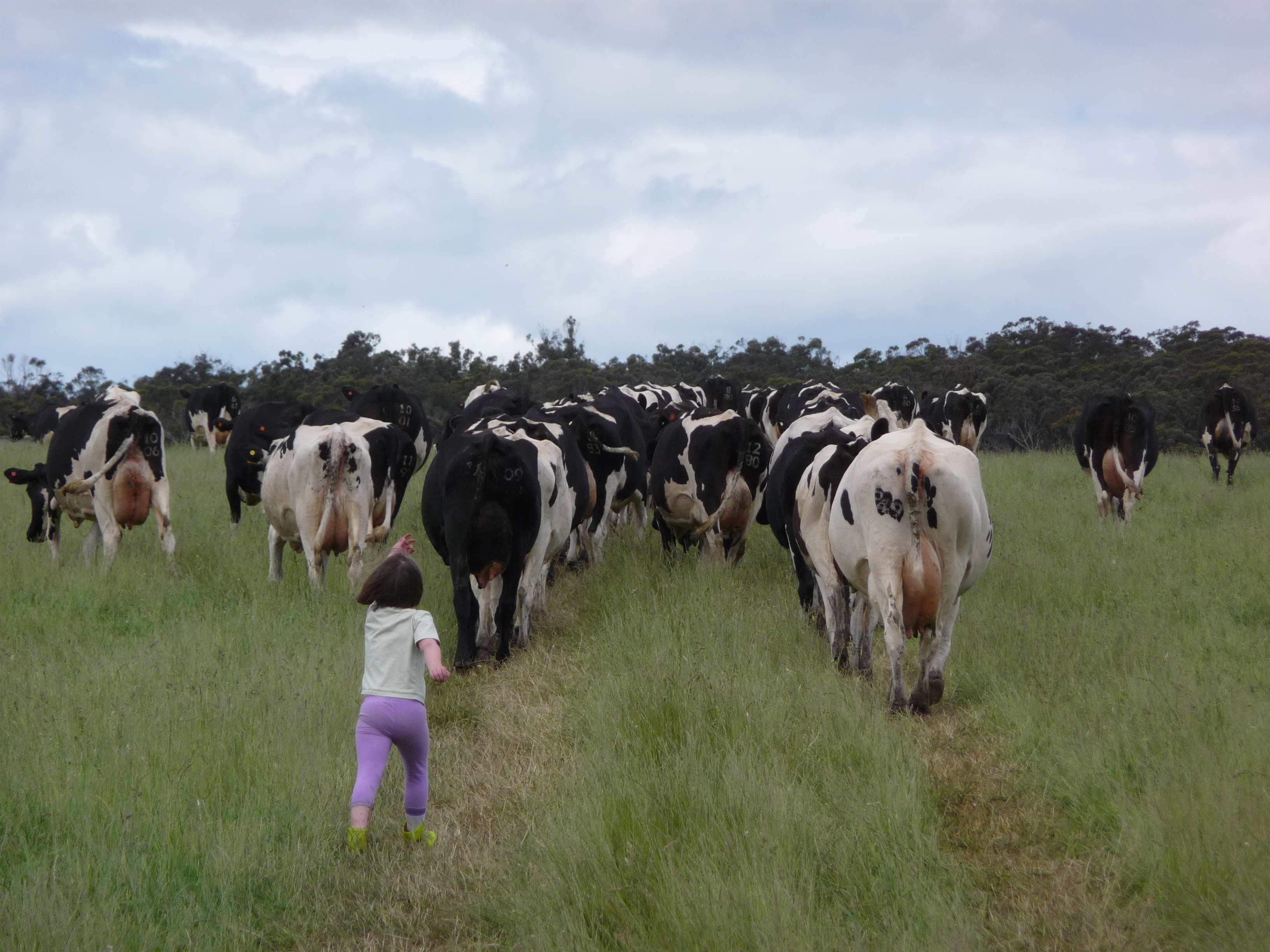
Cows, sunburn, hand grenades and zinc

Have you ever had sunburnt nipples? If so, spare a thought for cows that need to be milked twice a day who succumb to the oddly-named “facial eczema”. This condition leaves the skin incredibly sensitive to light, to the point where whole sheets can burn and peel off.

We normally don’t get it in this part of the country but it’s been a problem for the Kiwis for decades and we’re lucky to be able to learn from our trans-Tasman dairying friends because it appeared in our part of Australia last summer and we are desperate to avoid it this year.

Dozens of our poor girls suffered burns to the white sections of their skin. It was hideous and we felt devastated. The only treatment is sunscreen, rest, shade and anti-inflammatories.  We also gave the cows extra drench to make sure their systems were as robust as possible.

The good news is that the New Zealand experience shows that we can help to prevent facial eczema. The key is to understand the cause: spores that look like hand grenades under a microscope.

Yesterday, the local pub was packed with dairyfarmers as we heard from a Dairy Australia project team that includes legendary dairy vets, Jacob Malmo and Jack Winterbottom, DA’s feed guru Steve Little,  and nutritionist, Andrew Debenham. In a nutshell, this is what they had to say:

Grass + humidity = fungus that generates spores

Cows eat grass and spores → spores release a potent mycotoxin called sporidesmin into the gut

Mycotoxin damages liver → liver cannot deal with chlorophyll properly → skin tissue sensitive to sun → sunburn

While the sunburn is the most obvious sign of facial eczema, the other symptoms can include diarrhoea, bloody urine, jaundice, a drop in milk production and even liver failure.

The Kiwis have found that zinc binds up the mycotoxin, inhibiting its ability to release free radicals and cause damage. We have to be quite careful with it though because too little is ineffective and too much zinc is very toxic indeed. It seems the best way to provide it to the cows is mixed into the feed, which we’ve been doing on our farm now for a month. The other downside is that it’s only known to be safe to feed for 100 days – not long enough to get through the summer/autumn danger period. After that, we will need to take regular blood samples and make sure zinc levels aren’t getting too high. I’ve arranged for the vet to come next week  to be sure our cows are getting just the right amount.

To learn more about facial eczema and how farmers are working to prevent it, check out this Dairy Australia fact sheet and booklet. It’s a must for anyone with cattle.

Confused by milk prices? I am!

A little while ago, I made a lame attempt at explaining how we are paid for our milk. In my defence, the co-op’s most recent supplier newsletter has published this:

“MGC milk price figures are current for the 2011/12 season for a Traditional Payment Option farm supplying 155,000 kg MS. MGC milk price figures include announced loyalty payments, Productivity Incentive (PI), 2.5 c/l volume charge, premium 1 incentive and seasonal incentives. MGC milk price figures exclude levies, GST, share take-off, share dividends, Growth Incentive (GI) and future loyalty payments.

The value of milk supplied in December and January is illustrated below”

Dec 2011 Jan 2012
Fat% Protein % c/litre $/kg MS Fat% Protein % c/litre $/kg MS
High 4.67 3.73 36.6 4.35 4.80 3.70 39.2 4.62
Ave 4.06 3.24 31.4 4.30 4.17 3.22 33.8 4.57
Low 3.65 2.92 27.9 4.24 3.75 2.90 30.0 4.51

Apologies for the formatting of the table (MG did a better job in its newsletter).

Now, bear in mind that all of the factors in the text above the table vary from farm to farm and that there are two other payment models. We have chosen the Domestic Incentive model, which is completely different again. OMG. If I sound evasive when you ask how much farmers are paid for our milk, now you know why.

As the grass grows golden everything changes again

Feed bails

The new feed ration ready for tonight's diners


I shouldn’t admit this but I use the lawn as a bit of a guide to pasture growth rates. Our lawn is far from manicured and includes just about every grass species known to man. Of course, it’s not grazed either, so it’s really easy to see how it is performing. And, this week, we raised the mower’s cutter deck in an attempt to preserve its greenness.

That’s not to say I don’t watch the paddocks like a hawk. Out on the farm, we’ve been battling to prevent the grass from bolting to head, raising seed heads atop stalky stems that fill the cows with fibre rather than goodness. The seed heads also signal senescence – a type of hibernation for grass – dramatically reducing growth rates.

It means that rather than being able to graze a paddock, say, every 21 days, we must rest it for up to 60 days when summer really kicks in. To manage this, we strip graze the paddocks so the cows get a much smaller yet still fresh portion each day. With less grass on offer, we must make up the daily ration with supplementary feed. I have some gorgeous vetch hay waiting in the shed and there’s all that silage we baled just a few weeks ago.

My first step though is to lift the amount of grain we’re feeding to balance out the increasing fibre in the grass. Just a 1kg boost – easy enough to turn up the dial but, oh, what a performance it turned out to be!

The feed system is governed by a timer rather than a checkweigher, so we have to guess how much extra time to dial up, scoop samples into buckets, weigh and review if necessary but the scale’s batteries were flat. Determined to get it right though, I dumped a 1 litre juice bottle on top of a bucket of the current ration and, with Clarkie’s help, set up a rudimentary scale with a scrap metal rod suspended from a roof truss with hay band. It wasn’t glamorous but it worked a treat!

All I want for Christmas now is a yard hydrant wash system, an underpass and a pasture meter like Graeme’s.

Quad bike manufacturers look like Big Tobacco

Quadbar

Crush protection devices will save farmers' lives

Just like Big Tobacco before it, the quad bike industry has been adamant its machinery is not responsible for the deaths of Australian farmers – rather that they got themselves killed.

The Weekly Times and SafetyOzBlog have reported the gyrations of the manufacturers and their representatives, the FCAI, which even included forcing some sponsored riders to remove crush protection devices. They claimed that the only answer was more rider education and that rider error was almost invariably the cause of the 23 deaths on farm ATVs in 2011 so far.

I thought it was all over bar the shouting match when The Weekly Times reported that the FCAI had dropped its opposition to Australia’s crush protection device, the Quadbar. Then I heard that at least one manufacturer has advised its dealers that its position is unchanged.

Now, the SafetyOzBlog carries this media release from the respected and independent Australian Centre for Agricultural Health and Safety tearing strips off the FCAI for failing to correct what the ACCC described as misleading and deceptive conduct.

“Embarrassing or not, the families of those people killed and permanently injured in such rollover events have a right to know why the FCAI, as suggested by the ACCC, has not only misrepresented the evidence but why they have not addressed this issue in a timely manner. The inaction and questionable approach of both the FCAI and manufacturers is showing complete disregard for the safety of their customers.”

People on our farms are dying. No matter who is responsible for the rollovers, the Quadbar is estimated to protect between one in four and one in three people. It’s worth it.

For more information on quad bike safety, call the Australian Centre for Agricultural Health and Safety (02 6752 8210) or visiting the website at www.aghealth.org.au

Our cows are so cool

Our cows are dignified ladies who like to keep their cool in more ways than one. Bred in cooler climes than Australia, Holstein Friesians start to feel the heat once the mercury climbs over 25 degrees Celsius.

We’ve been really busy preparing the farm to help them deal with hot summer days:

  • planting thousands of trees for shade

    New plantation for shade and wildlife

    New plantations will provide shade for the cows and corridors for wildlife

  • installing 4 kilometres of large capacity water pipes and 17 massive water troughs. Milking cows can drink up to 250 litres each on a hot day or 20 litres in a minute!

    Water trough

    Installing water troughs has been a 3 year project

  • putting up sprinklers in the dairy yard to offer a cool shower while they wait to be milked and

    Yard sprinkler

    A shower cools the cows, the concrete underfoot and offers relief from flies

  • adding salt, minerals and zinc to their diets.

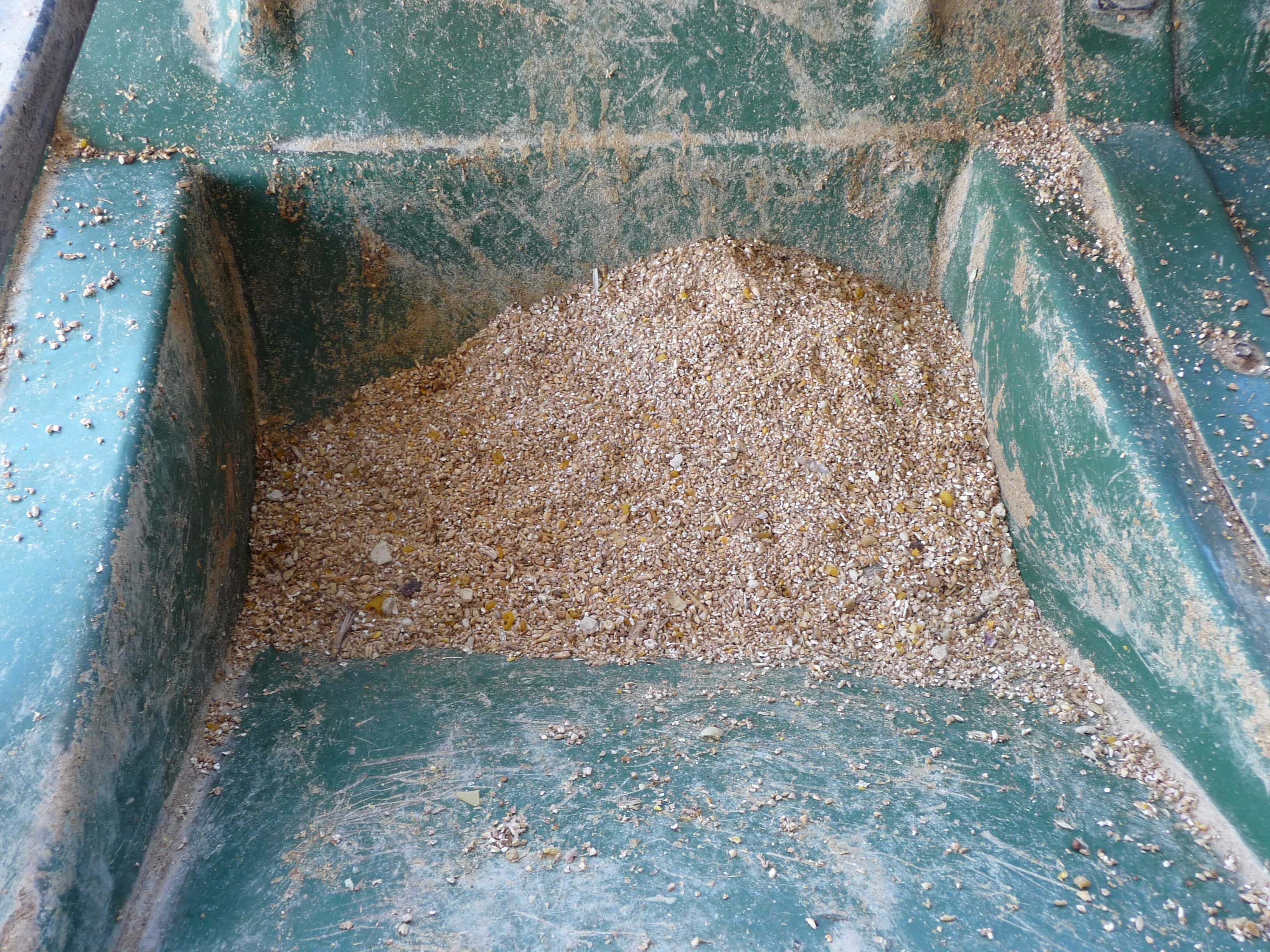
    Feed in the bail

    Zinc is added to the cows' feed during summer

I also select the paddock for the day with a keen eye on the forecast. Today is pretty uncomfortable, so they’ve been sent to a paddock ringed with trees and will graze a more open paddock tonight.

Cool cows are happy, healthy cows who make more milk, suffer fewer illnesses, carry pregnancies better and are nicer to work alongside! Dairy research body, Dairy Australia, has done lots of work on heat stress in dairy cows and you can access lots of useful info at the Cool Cows website.


Why not have a whinge when we deserve it, after all?

On Tuesday, I was given the opportunity to have a really good cathartic whinge on Melbourne radio and I almost took it. The announcement of an increase in public transport fares prompted 774ABC radio host Mark Holden to ask for examples of what’s gotten cheaper.

The obvious answer is milk, of course! So I rang in and said consumers were getting a great deal on milk, which is at 1992 prices. He wanted to know whether farmers are doing it tough as a result. Now the answer to that question is complex and I wasn’t going to try to explain it all in five seconds so I said that, yes, one in three dairy farmers had left the land since deregulation but that Australians are among the world’s most efficient dairy farmers and that allowed us to deliver low prices. Now that’s a strange message, isn’t it?

It means that instead of whingeing about low prices, we can be incredibly proud of being able to deliver them. Most importantly, we can be incredibly proud of the shape we’re in: we haven’t succumbed to a factory farming model.

  • 98 per cent of Australian dairy farms are family farms rather than corporations
  • The average herd size is 220 (small enough to know every cow)
  • Our cows enjoy “cowness”, as Tammi Jonas would put it, free to roam the paddocks

In other words, our farming practices have become more and more professional without compromising the ethics that guide all the farming families I know: love of animals, love of land. We have a great story to tell and we should shout it from the rooftops!

Does bigger equal a better bottom line?

“Get big or get out,” was the mantra often chanted in the 1980s by Gippsland dairy farmers. And they did, sort of. Our farm is a collection of three 1970s family farms but we’re still not truly big – very much average at what is now 252 milkers.

In the November edition of our local dairy newsletter, How Now Gippy Cow, Daniel Gilmour analysed five years of stats from the Dairy Industry Farm Monitor Project to see whether big farms are generally more profitable. They were.

“Over the period average return on assets has been negative 0.6 for small farms…and 7.1 per cent for extra large farms.”

Of course, having an extra-large farm (defined in this case as having more than 500 milkers) is no guarantee of profitability. As Daniel Gilmour points out, “When increases in production are less than the proportional increase in inputs, diseconomies of scale occur.”.

Big farms often mean big overheads and big debts, which can see you come unstuck during volatile times. Having noted that though, the extra-large farms continued to fare the best during the GFC price crash. Makes you wonder.

A typical summer’s day on our dairy farm

Summer is the laziest time of year on our farm and yesterday was a pretty typical day.

5am Wayne rounds up, Marian changes another nappy.

5.30 Milking starts.

8.30 Milking’s finished, clean-up begins.

9am Marian, Alex and Zoe head to see Papa.

9.10 Zoe, Alex and Marian plant trees in the margins of the wetlands while Papa hoses the yard

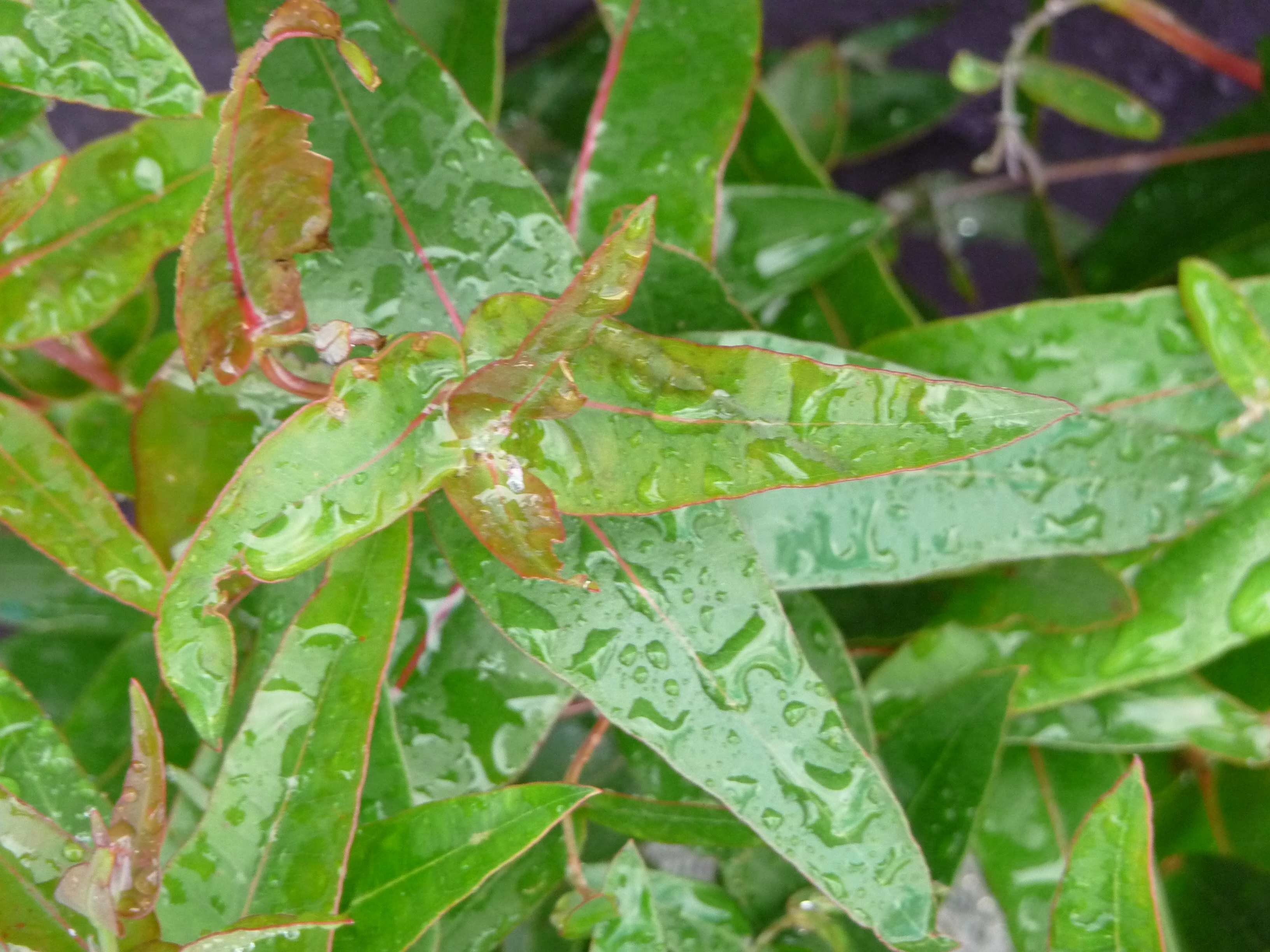
Seedling leaves

Indigenous eucalypts

10.30 Papa’s finished hosing the yard and goes to feed the calves.

10.45 Emergency! Papa phones to say there’s a break in the fence and M, Z and A go to the rescue.

Fencing repair

"What a lovely morning for repairing fences, don't you think, Mama?" - Zoe

11.15 We all get back to the shed for a cool drink and catch-up. Tanker’s come and gone – same litres as the last pick-up, which is good news in summer!

11.20 Papa makes repairs to the dairy. Mama, Zoe and Alex head off to check the paddocks.

11.55 Alex is huuunnnggrrrry and wants to get out of the carrier NOW. Head to the house for lunch.

12.30 New neighbour, Garth, drops by to introduce himself and a young fellow looking for weekend work.

1.15 Back out to look at the paddocks and work out the week’s pasture rotation. Papa starts shifting silage.

Bringing in the silage

Papa busy bringing in the silage

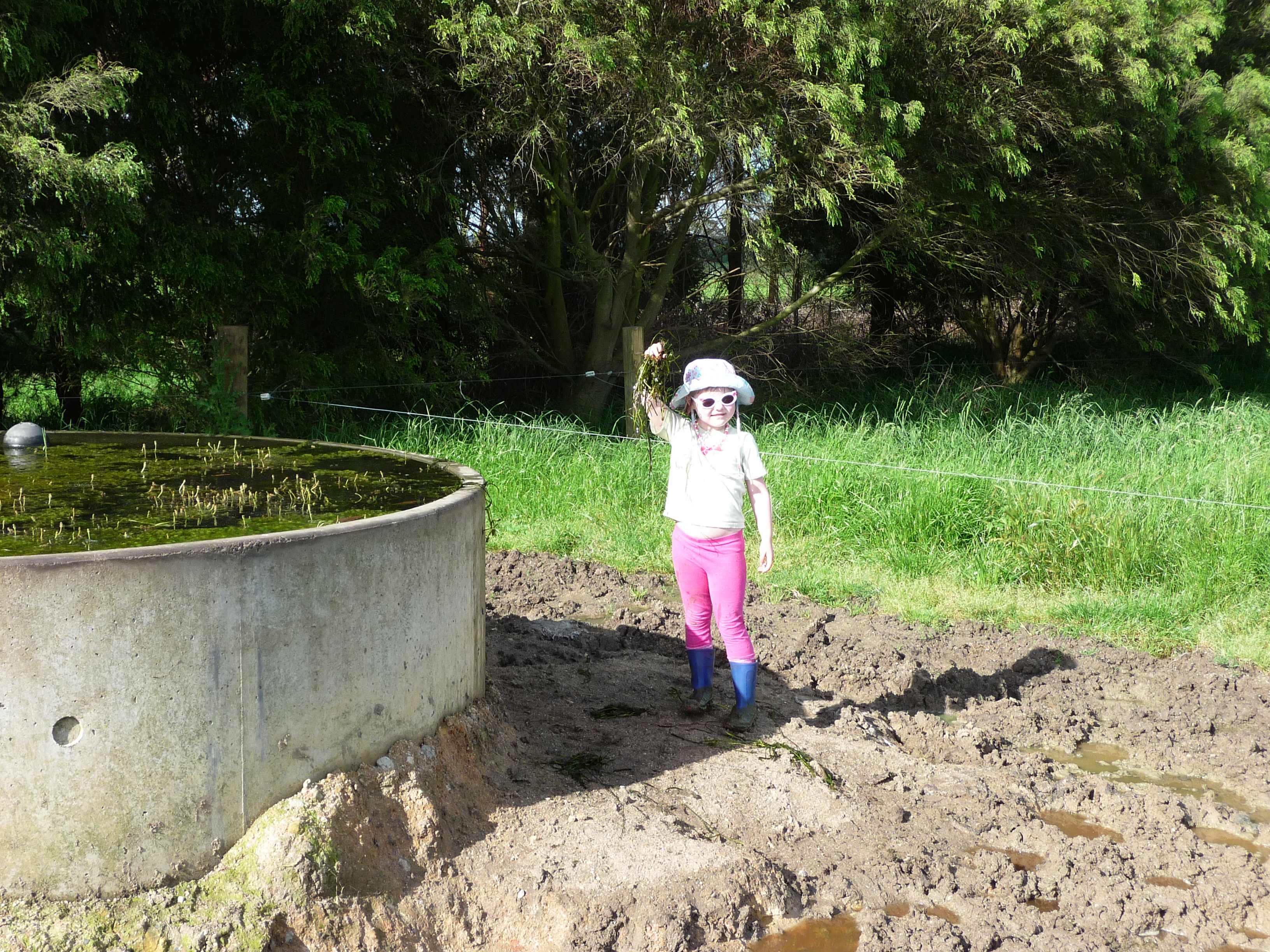
2.30 While setting up paddocks, stop to fix an overflowing trough

Trough algae

Oooooh, slimy algae!

2.45 Splat in the mud – must change pants and boots!

3pm Time to round up!

Rounding up

Ho up there!

3.35 Milking again.

3.40 Plant a couple more trees and then time out for Zoe and Alex.