From one farmer to the next

I have no idea whether Zoe and Alex will be farmers but I’m quite sure my father was surprised when I fought to keep the farm in the family after he became gravely ill.

I’d been given a great education and had built a thriving two-person little business that fitted in perfectly with a new baby. He’d decided I was better off not farming and told the lawyer drafting his will that he was going to sell the farm. The thing is, rationally, he was right: I was much better off financially than I am now or am likely to be as a farmer. What Dad had forgotten to factor in was the call of the land.

Life on the land gets in your blood and I’d always wanted – no, expected – to come back to the farm when there was room for me.

Now that I am here and have children of my own growing up on the farm, I sometimes wonder whether they will feel the same pull. Maybe they’ll simply look back happily on a wonderfully free, healthy childhood and move on. Maybe they’ll want to farm. I hope they have the choice.

I tuck little bits of money into share portfolios for Zoe and Alex here and there to build an understanding of the way money works and nest eggs that will free them to hatch their dreams one day. That’s the big picture. Then there’s the little things, like creating digital farm maps and records.

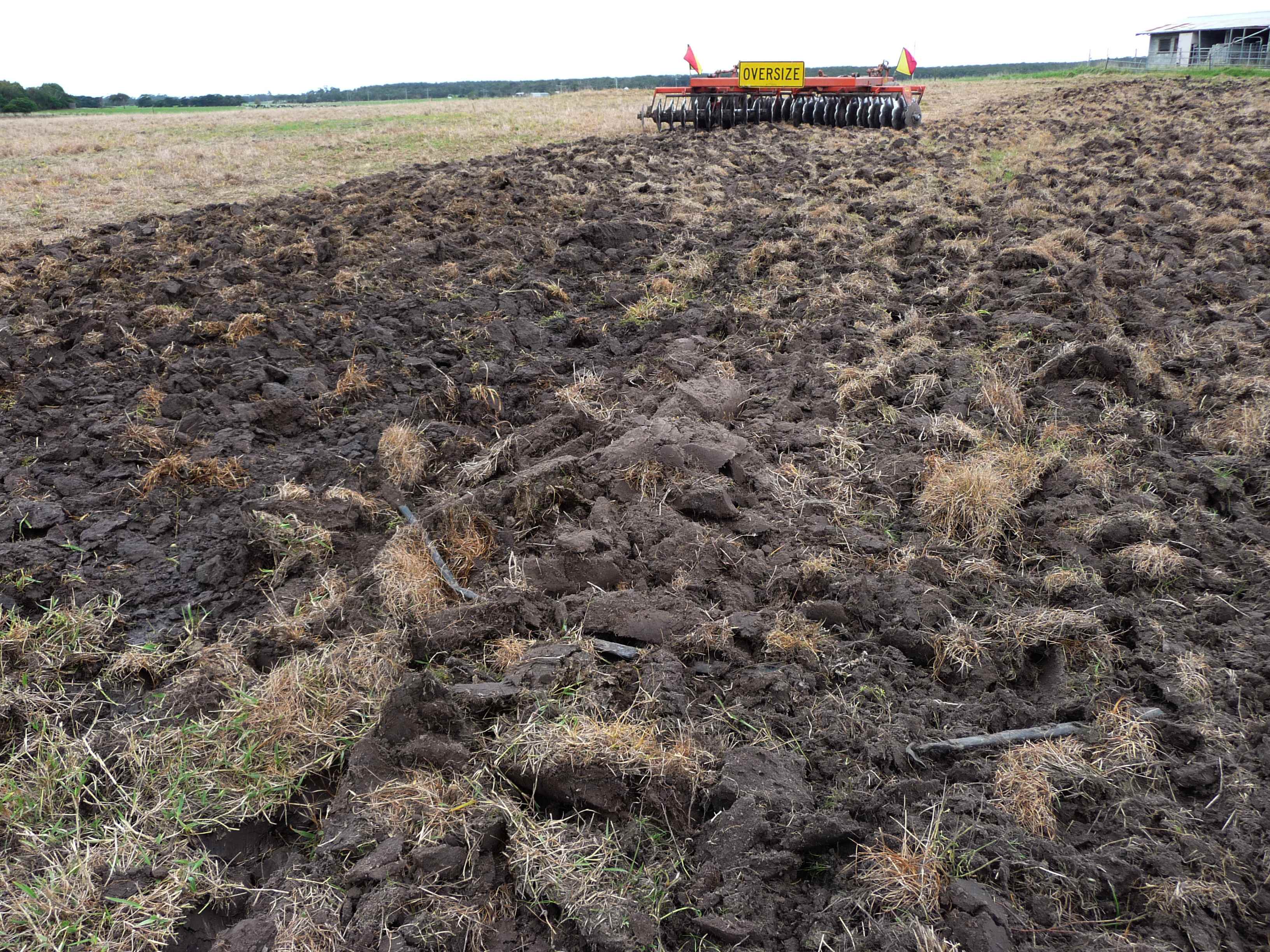
The importance of maps was hammered home just the other day, when I got a call from Wayne, our sowing contractor, just as I was feeding Alex his dinner and while Zoe and my Wayne were out at a piano lesson. The plough had located (chewed up, that is) a water pipe I didn’t even know existed.

Ploughed up pipe

Agricultural archaeology


The water started off as a trickle but soon became a spectacular three-foot-high in-paddock fountain. The break was at the furthermost end of the paddock from the pump and I knew that more ploughing would only mean endless fountains unless I could find the start of the pipe. A hopeless situation, especially at 5.30pm.

In the end, I decided to pretend I was Dad. I stood at the break and looked north in the direction of the river pump. Decided an old blackwood tree on the bank of a gully would be a natural spot for Dad to have a joiner and went for a walk.

Pipe in the Gully

Thank you, Dad!

Dad was a little eccentric but I knew him well. Went to work with a garden saw to get to the joiner and voila, one end cap and some mumbled swearing later, all fixed!

Not a moment too soon

Not a moment too soon

Got back to the house just as the sun was setting and Alex was totally over it but the troughs filled, a quagmire was averted and I smiled a little smile for Dad.

Cranky questions for the NFF about Woolies and the Blueprint

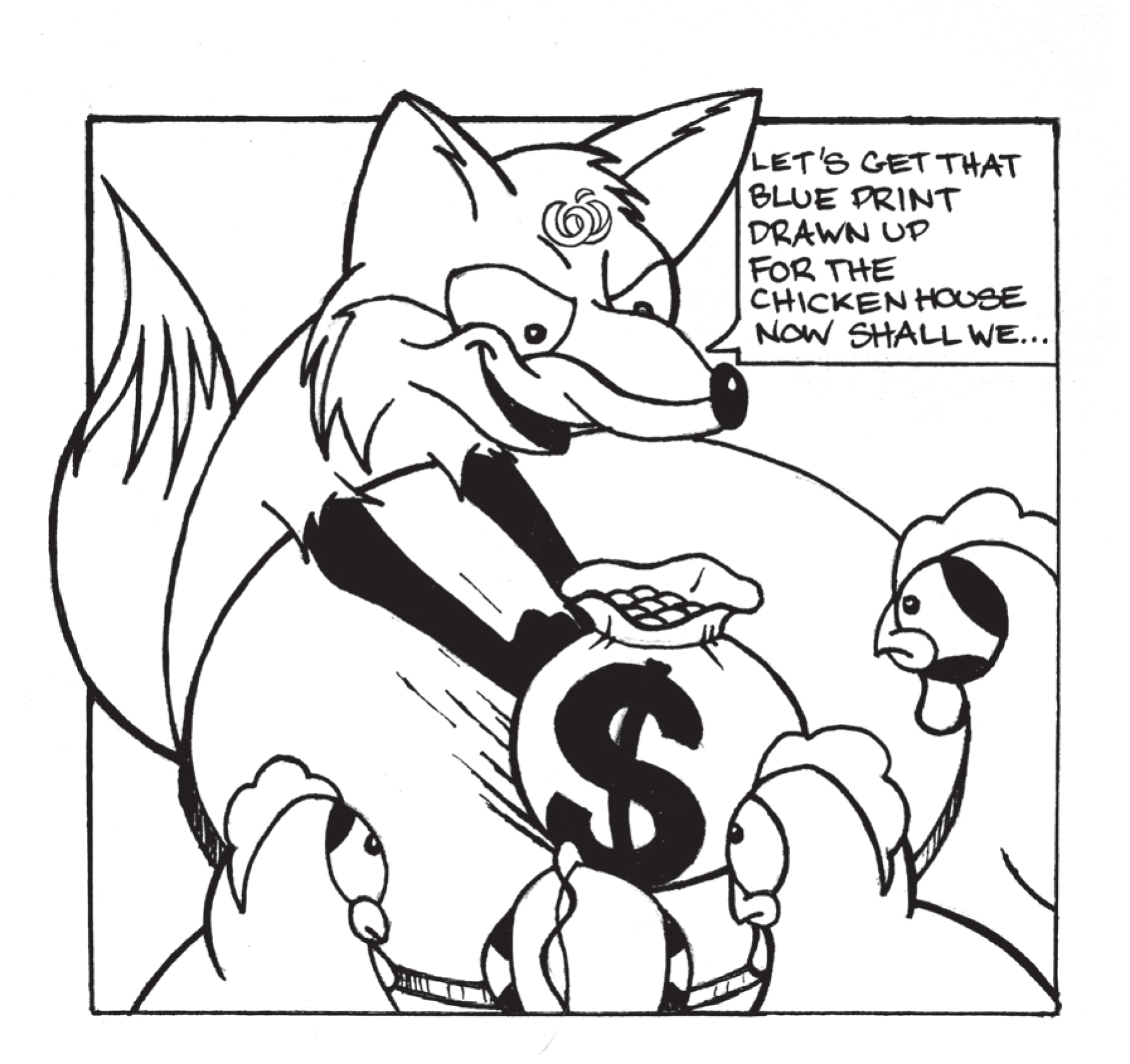
The NFF has “welcomed a new major partner in the Blueprint for Australian Agriculture: Woolworths”. Yes, one of the two giant supermarket chains that has slashed the value of milk to less than that of water is now helping to chart our farmers’ futures. My future, my children’s futures.
"It’s a matter of funding..."

In a media release, NFF president Jock Laurie said: “Having Woolworths on board will ensure that what consumers believe are the key issues for Australia’s food producers are captured in the Blueprint”. I felt betrayed. After the red mist settled, I wrote a list of six cranky questions and called the NFF. Admirably, the NFF’s Ruth Redfern has responded.

Would love to hear what you think! You can also participate in the Blueprint at http://www.nff.net.au/blueprint.html

1. How do you anticipate farmer reactions will be to Woolworths’ involvement as a “major partner” in the Blueprint for Australian Agriculture?
We hope that farmers see Woolworths’ involvement in the Blueprint as positive. From our perspective, having Woolworths on board as a partner means that we can reach more farmers and more people in the supply chain with what we believe is a very important project.

Importantly, being a partner in the Blueprint does not mean that Woolworths has any more input into the outcome than any other single participant in the process. They have the same amount of input and the same opportunity to contribute as you do – so if you’re a farmer or anyone else with an interest in, or involvement with agriculture, and you haven’t attended a Blueprint forum or completed the online survey yet, please do so – as the more input we get, the stronger the outcome will be for our sector.

2. What is the rationale for such high-level involvement of Woolworths?

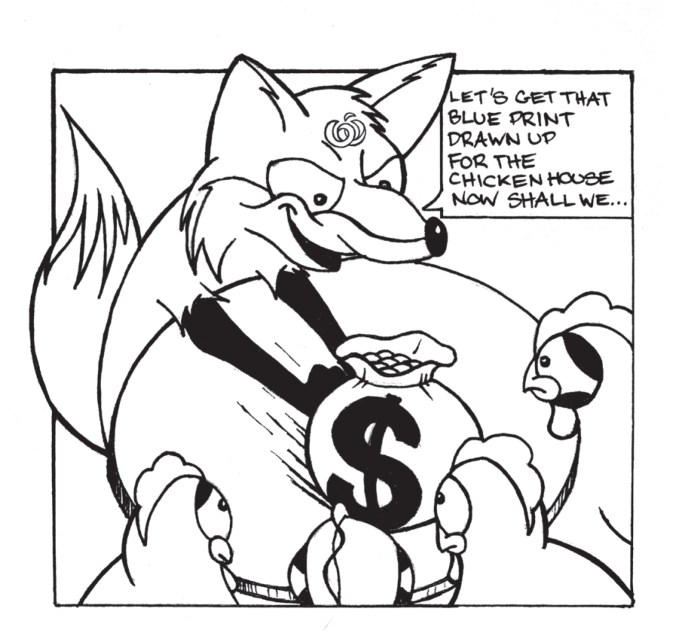
Having Woolworths (and Westpac, our other major partner) on board will allow us to take the Blueprint to as many people as possible. It’s a matter of funding – running a project like the Blueprint requires money, and as the NFF is a not for profit organisation, we couldn’t do this without support. By sponsoring the Blueprint, Woolworths and Westpac are actually putting money back into agriculture by supporting a project that will help us achieve a strong and sustainable future.

The important thing is that the agricultural sector makes the most of this opportunity. Blueprint is about giving everyone that has an interest in agriculture the opportunity to say what they believe the sector should look like in the future, and what we need to change or do now to get there. If you don’t contribute, you’re missing the chance to say what you think our future should be, or to raise the issue/s that are of most importance to you and/or your business.

3. Has Coles been invited to participate and, if so, what has been its response?

Earlier this month, we posted letters about the Blueprint to 500 organisations and businesses in the agricultural sector – including Coles as they are part of the agricultural supply chain, and all the banks that work with agricultural customers – encouraging them to participate in the Blueprint and to pass information on to their staff, customers, suppliers and networks.

At this stage we haven’t heard back from Coles, but we do hope that they participate – just as we hope that all other people and organisations in agriculture and the supply chain participate. If they do chose to take part, they will have an opportunity to contribute that is equal to every other participant – be it a farmer, the owner of an agricultural supply business, a truck driver, a food manufacturer, or a retailer, like Woolworths.

4. Aren’t we already painfully aware of the demands supermarkets place on suppliers?

The Blueprint provides an opportunity for suppliers to raise these, and any other issues they see as critical for agriculture to overcome.

5. Why should a supermarket have such an important role in setting the agenda for Australian agriculture when so much of our produce is exported?

There are two important things to take into account here. The first is that Woolworths will have no more input into the Blueprint than any other single person, business or organisation that chooses to attend a forum or complete a survey. They are simply helping us make the Blueprint a reality. Setting the agenda belongs to everyone who takes part – so the more input we receive, the more representative and inclusive the outcome. It’s up to us, as an agricultural industry, to set our own agenda – that’s really what Blueprint is all about.

The second is that while 60 percent of our produce is exported, 40 percent of what our farmers grow is consumed domestically – so both the export and non-export supply chains are important stakeholders in the Blueprint process.

6. The two supermarket chains control 40% of Australia’s retail sales and are in the midst of a price war. How can Aus ag resist the push for lower and lower prices?

Having a strong and competitive retail sector is very important – for suppliers and for consumers. Ensuring farmers receive competitive prices for their produce – be it those farmers who are supplying their produce to supermarkets or those farmers who are shipping bulk commodities off-shore – is expected to emerge as one of the key issues in the Blueprint process.
A week of mechanical meltdowns

It’s been a busy week. Aside from all of us getting the flu, we’ve had one mechanical breakdown after another.

The opening salvo came from the river pump that supplies all our farm’s water. All of it. Bearings collapsed. We are now waiting on quotes to install a back-up pump and save ourselves a fresh crop of grey hairs.

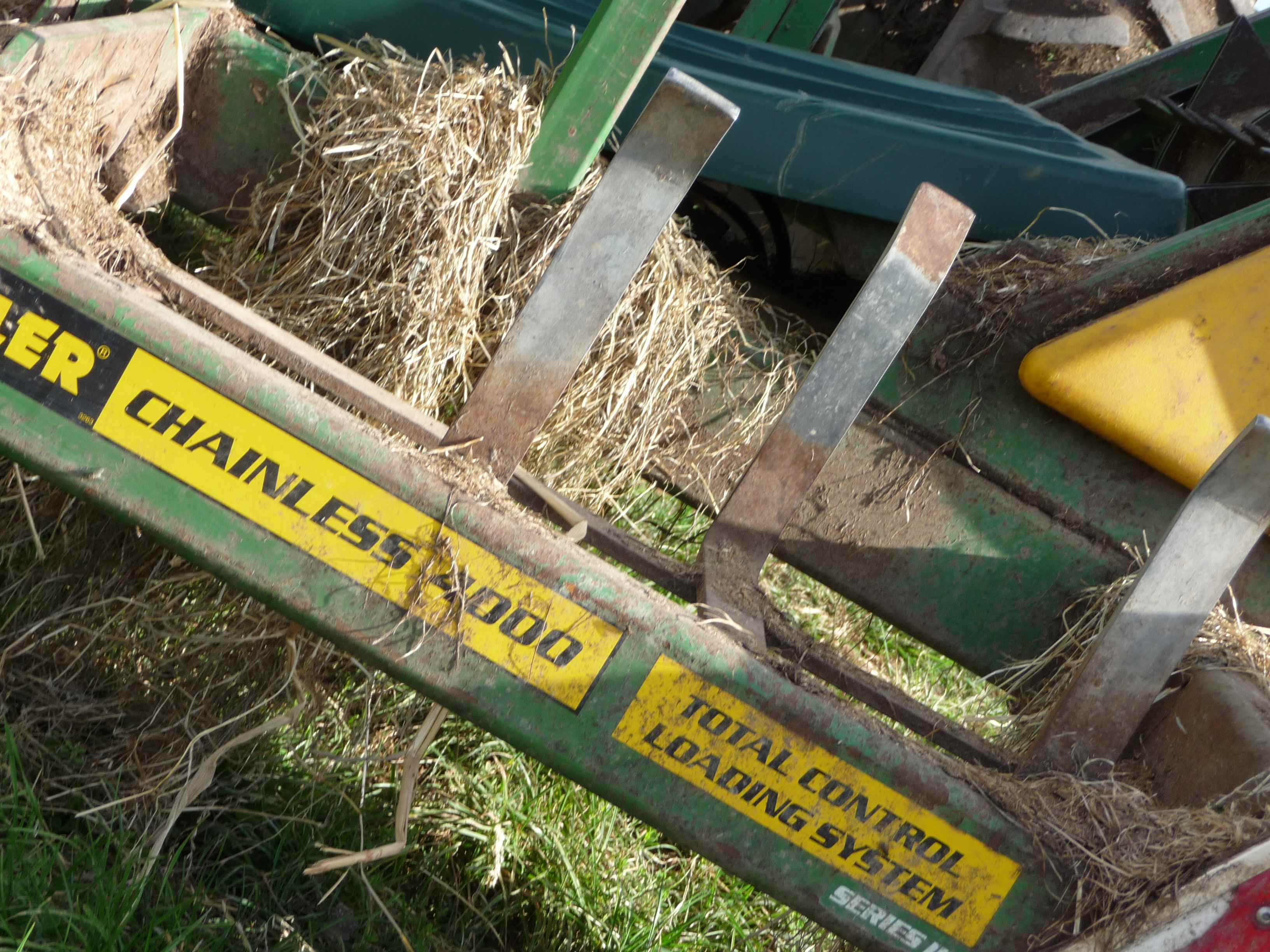
Then the Chainless Hustler cart we use to feed out the hay and silage broke down. Ironically, it was a broken chain.

Chainless Hustler

The Chainless Hustler broke its chain

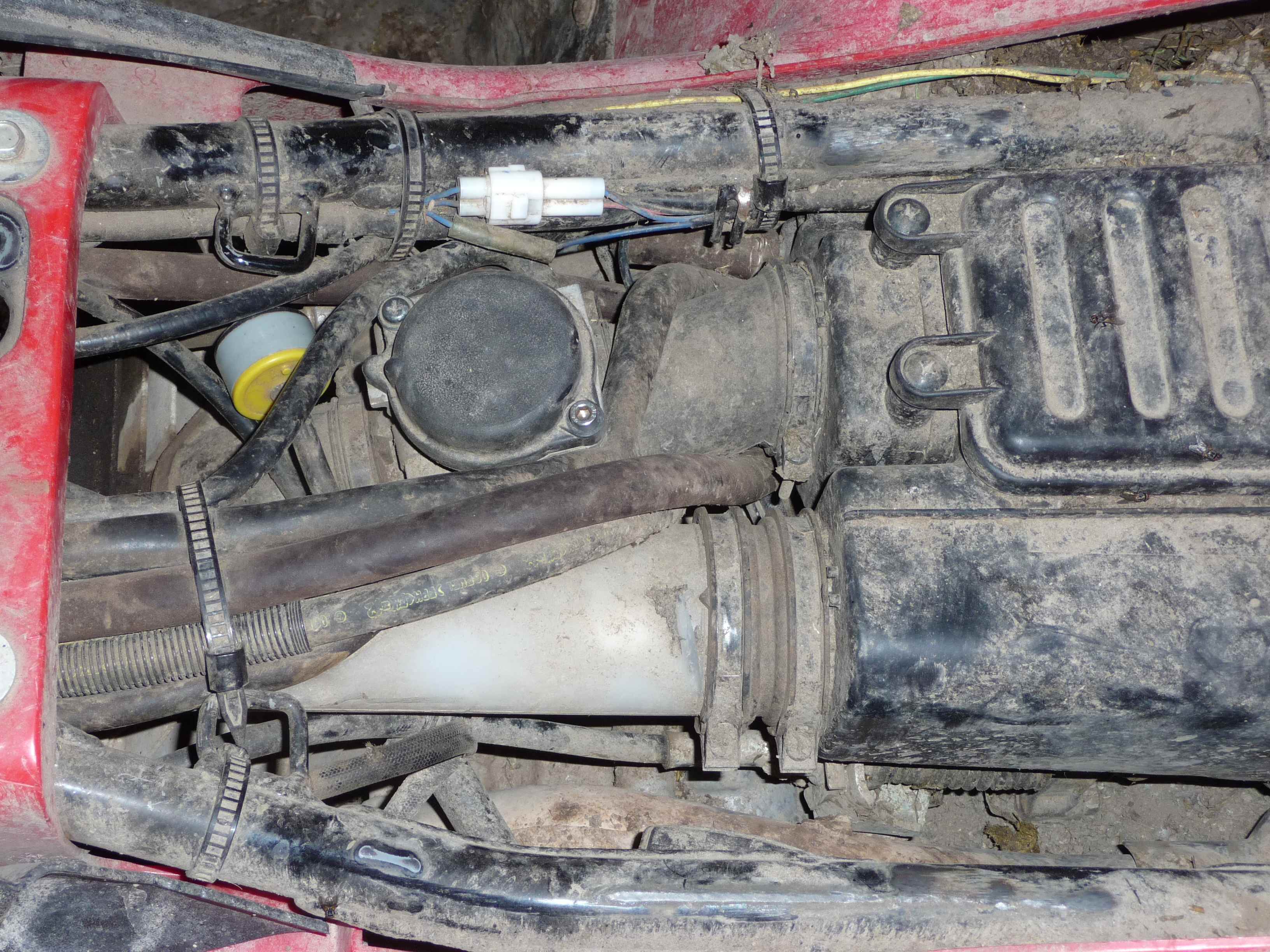
Next came the big quad bike. Only one dimmed light is working (no good for pre-dawn rounding up) and an oil leak onto the exhaust pipe threatens to toast us alive. Now visiting the mechanic.

Then the little quad bike. Won’t run unless at full throttle, despite our attempts at life-saving surgery. Now in quarantine in case it’s contagious.

Quad bike mechanicals

Open heart surgery on the quad didn't help

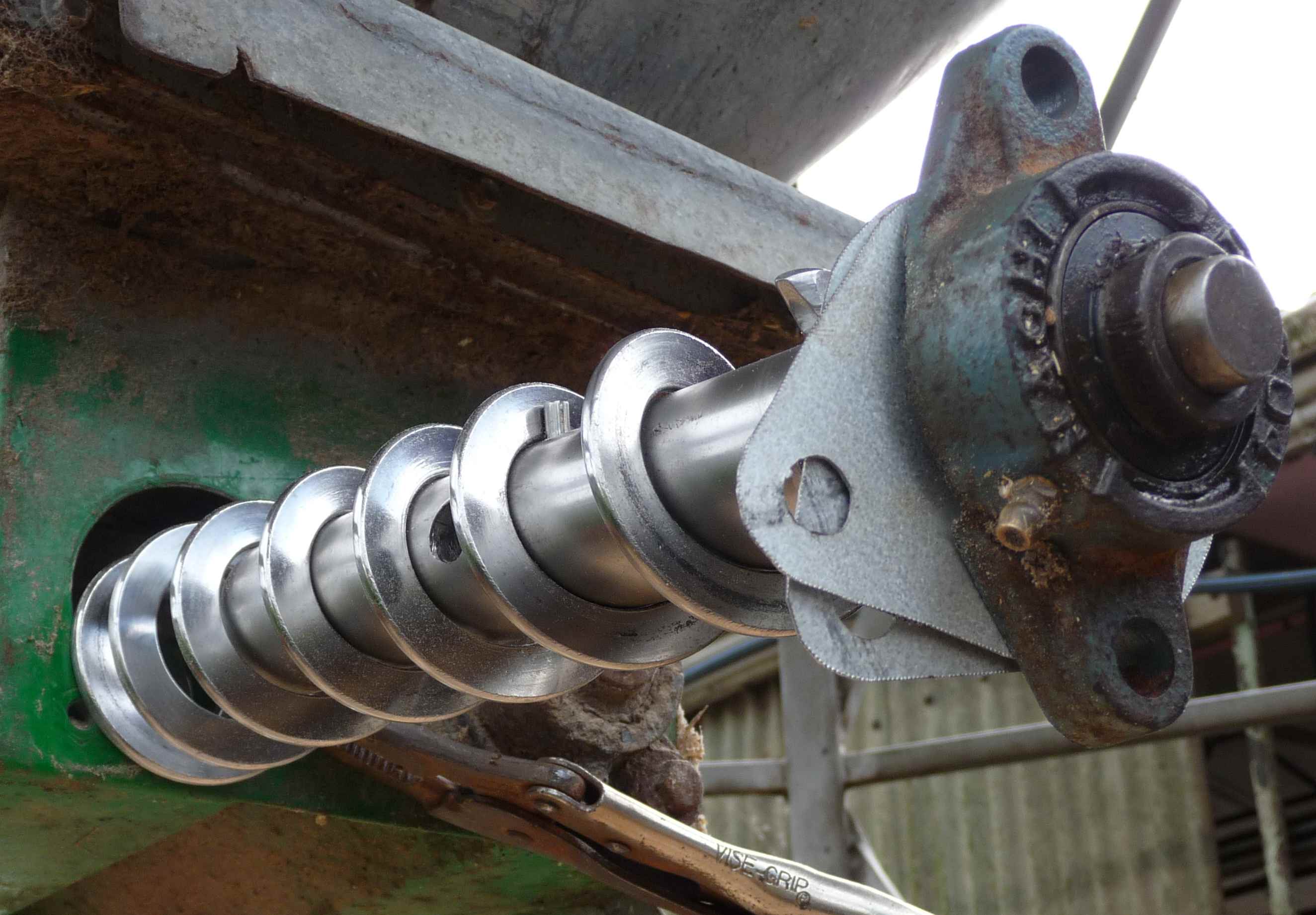
Then, the auger that carries grain into the dairy decided to spring apart.

Auger

Thankfully, Dutchy the sparky came to our rescue with this "Big Deal Breakdown"

Now, it’s my trusty Bobcat’s horn – you don’t think you need it until it’s gone. No respect from the cows at the head of the herd.

No horn

No horn = no respect

“May your life be an interesting one” is old Chinese curse. Certainly has been an interesting week!

You’re better off playing two-up than believing the weatherman

Grazing in March

An amazingly good pasture for March


If you tossed a coin to issue the next three monthly outlook, you’d be more accurate than the weather gurus at the Bureau of Meteorology. I am not being cheeky either – it’s a fact reported by the Bureau itself.

The seasonal outlook below shows a relatively dry winter is expected in our part of Australia (a good thing).

National Rainfall Outlook

What we're supposed to be getting

But when you dig a little deeper, you find this matching map (not a good thing):

Seasonal Climate Outlook Assessment

The pink says "We get it wrong more often than we get it right"

We are in one of the pink zones. If I understand it correctly, this means the Bureau’s outlook is right 45-50% of the time. In other words, “If we say it’s going to be dry, it’s more likely to be wet”.

Don’t think I’m suggesting the weather forecasters are dummies. Absolutely not! Just as no dairy farmer would suggest she has a handle on all the natural systems that make a farm tick, weather is notoriously, ridiculously complex and difficult to predict. I take my hat off to those who get it kinda right most of the time.

What I don’t understand is that if the Bureau’s learned fellows are so honest as to say: “We think we have a 45% chance of getting this right”, why issue a forecast at all? Maybe they just love to use their colourful highlighters? 😉

I’m with Hugh on this one: it’s not fun to kill

I am no stranger to death – every year, just as new calves are born, some old cows must pass away. I am, by necessity, philosophical about it but, still, every loss is felt. Nor can I eat an animal I have known, although I am keenly aware of my own emotional hypocrisy. One thing I am clear about, however, is that I will never kill for fun.

I don’t understand duck season. If I were to fire endless shots at stampeding cows from a hundred feet or more away, I would be rightly condemned for animal cruelty. Why is it so different with birds?

Ducks

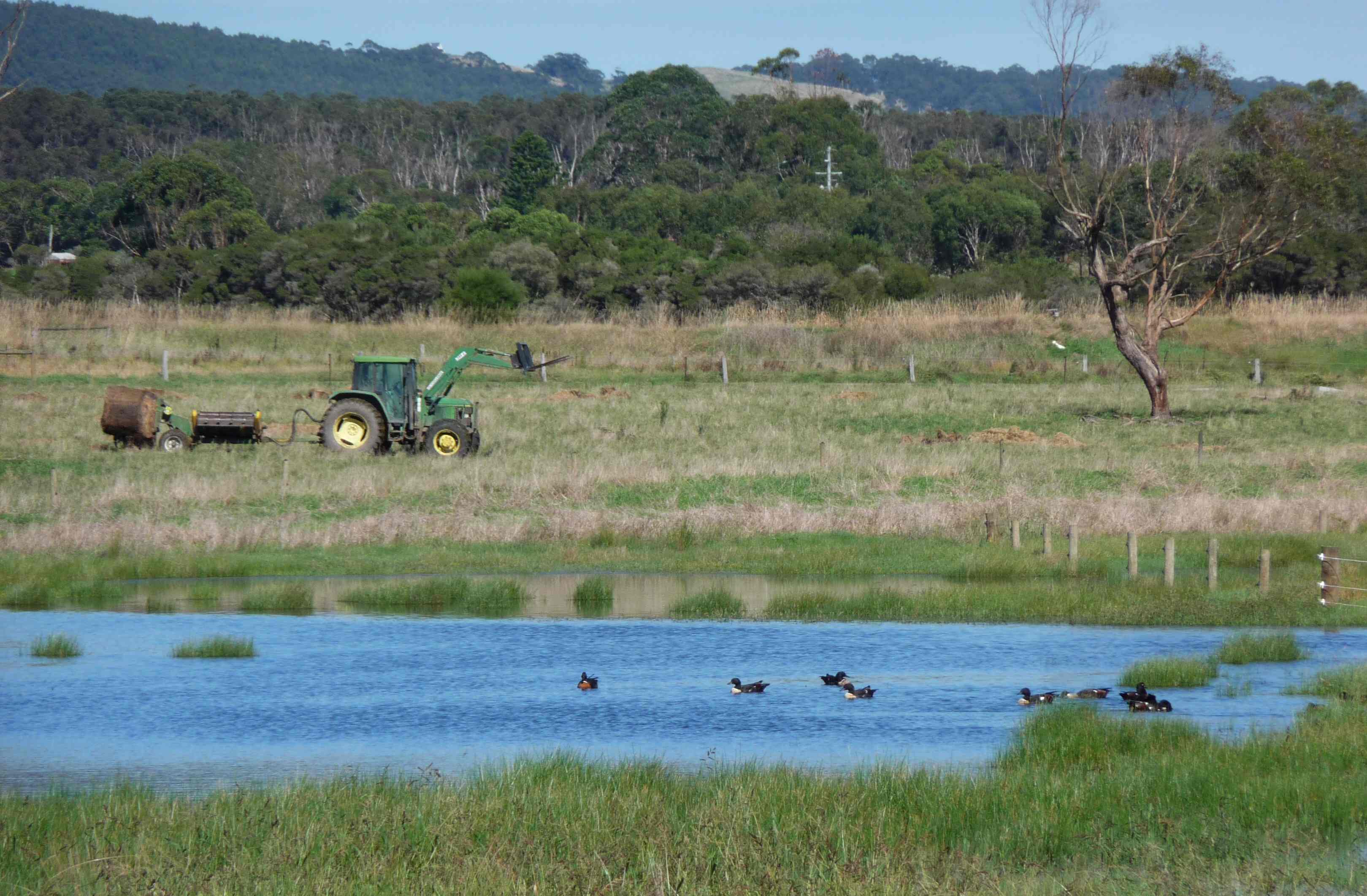
Australian Shelducks

This Spring, we’ll be creating another permanent sanctuary for our bird life on the farm with the assistance of the Shire of Wellington, which has provided a grant for the fencing and trees (thanks Andrew!). This paddock will be broken into three pieces: the wet centre will belong to the birds while the higher, drier sections will be amalgamated with neighboring paddocks.

What do you get the farmer who has it all? A stripper?

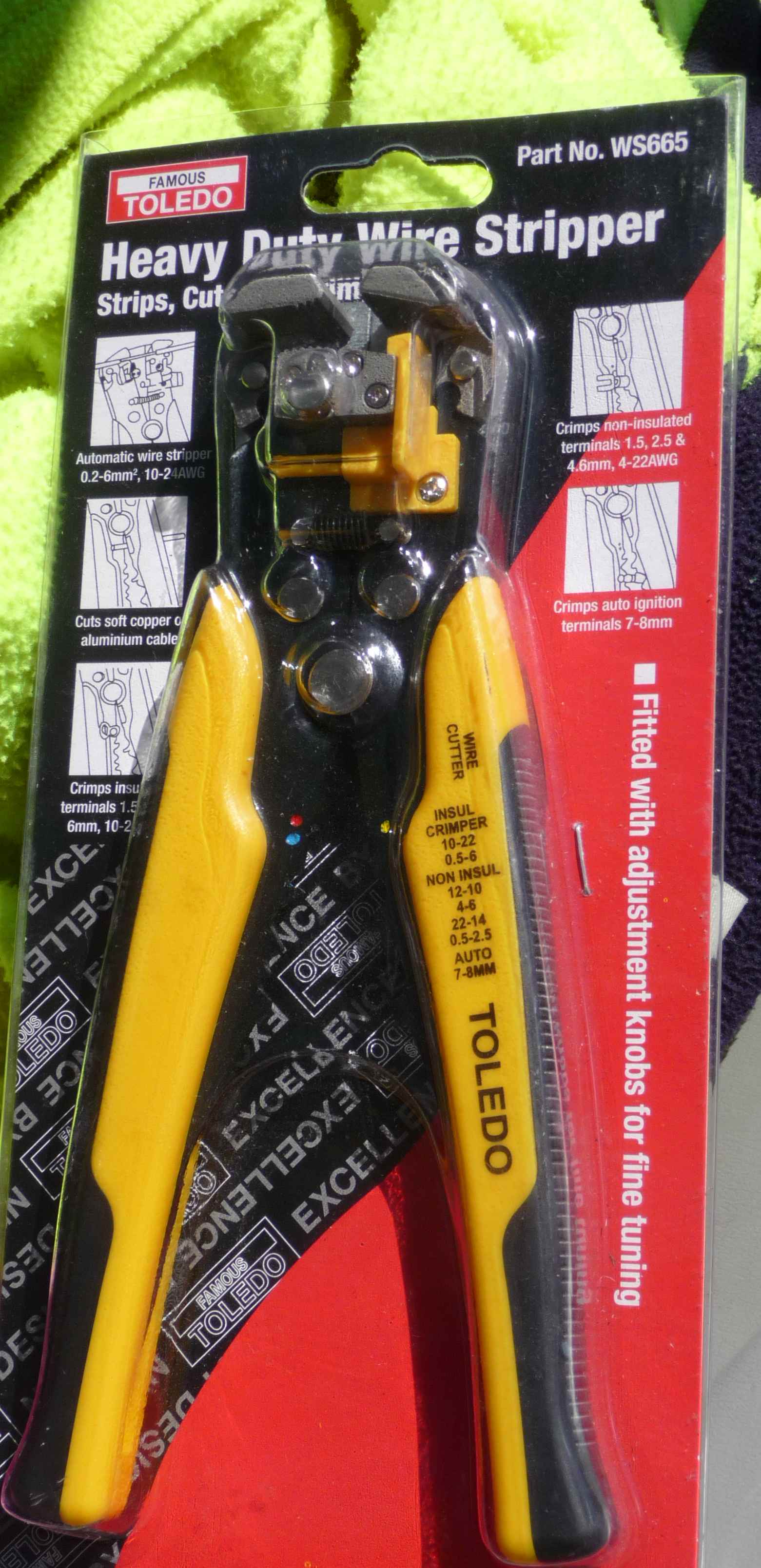
I am obviously a hard woman to buy for. For my 30th, Wayne had me thrown out of an aeroplane. For my 40th, he sent me into a tank full of sharks. This Christmas, he got me a stripper. One way or the other, he wants me to have a heart attack!

The stripper came in very handy today though and performed in ways I would never have imagined were possible. In fact, I think you could say the whole experience has rekindled my interest in wiring repairs.

Stripper

This thing made my heart skip a beat today

I have pathetically weak hands but this amazing tool allowed me to whip the insulation off in no time like a pro. The knurled portions grasp the insulation and wrench it straight off the copper wire. To make matters even better, Wayne paired the stripper with a ratcheted crimper, so getting a good connection was equally as easy for the feeble-fingered.

Before you begin to worry, by the way, I would never attempt to do the work of an electrician and risk electrocuting myself. All strictly fencing units and so forth (but now that I have the stripper, where do I sign up for an apprenticeship…?).

Cow in the naughty spot

Cow in the Naughty Spot

In the naughty spot


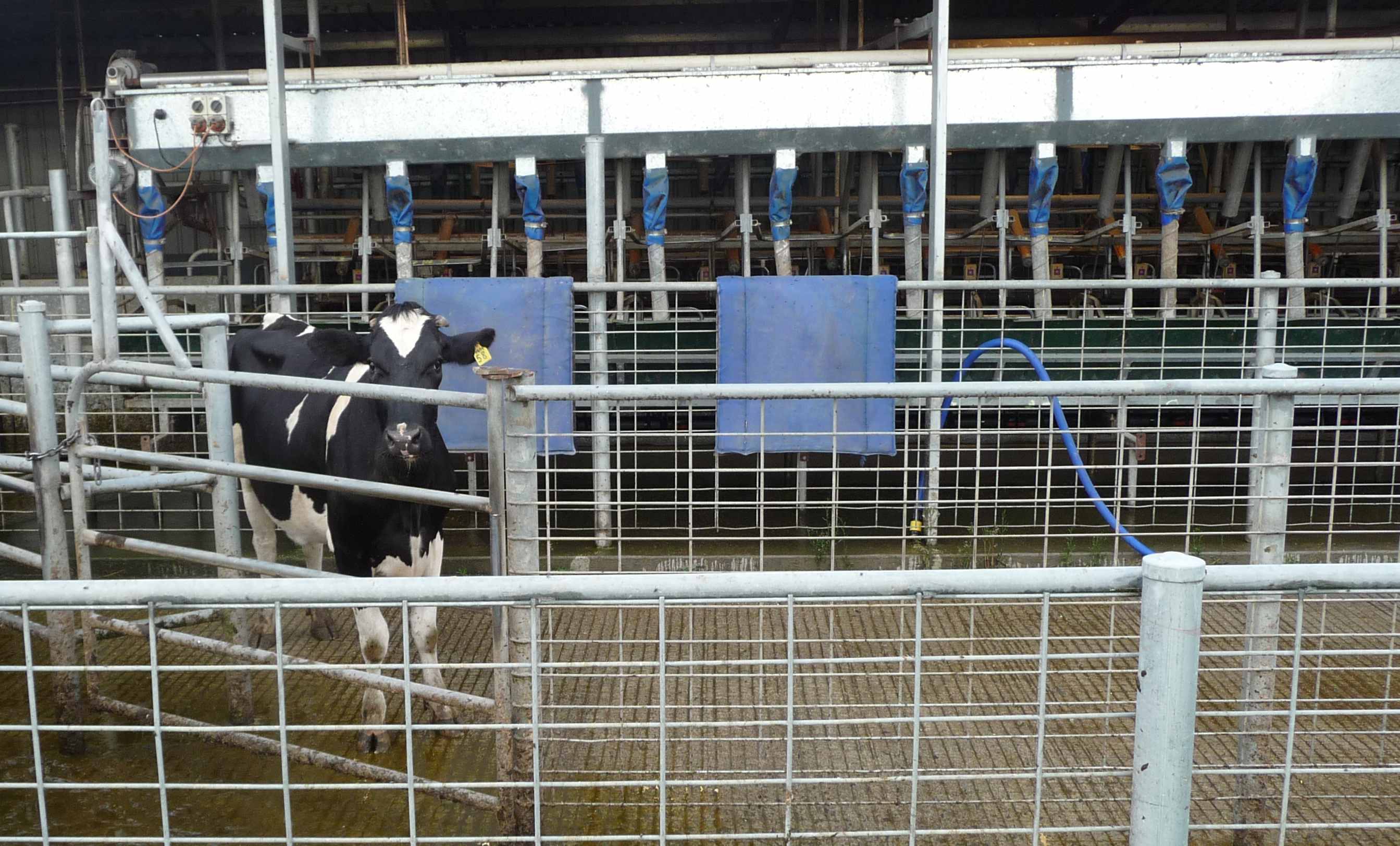
This is the dairy’s naughty spot and this cheeky young cow spends a lot of time there.

She’s a clever little thing and has noticed that there’s often grain under the feed bails when her sisters become a tad overenthusiastic tucking into breakfast. She lurks in the exit race waiting for her chance to quite literally “clean up”. The problem with this is that nobody else can get past her and a traffic jam ensues.

This morning, Wayne’s shooed her away three times and tried squirting her with the hose but her behaviour has continued to be “not acceptable”, so here she is in the “naughty spot” (with apologies to Super Nanny). She’ll be allowed out when she writes “I will not get in the way” 50 times and all her sisters have left the dairy.

US dairy woman moves to Aus and a whole new way of dairying

Penny Cooper’s story of her life in dairy in the US and now Australia, shows just how different dairy is around the world and I’m delighted she agreed to write a guest post for Milk Maid Marian. Penny, who now trims cows’ hoofs for a living, will be running a lameness workshop in Toora on March 19. If you’re interested in attending, visit http://www.allstatehooftrimming.com or connect with Penny on Twitter at @allstatetrim.

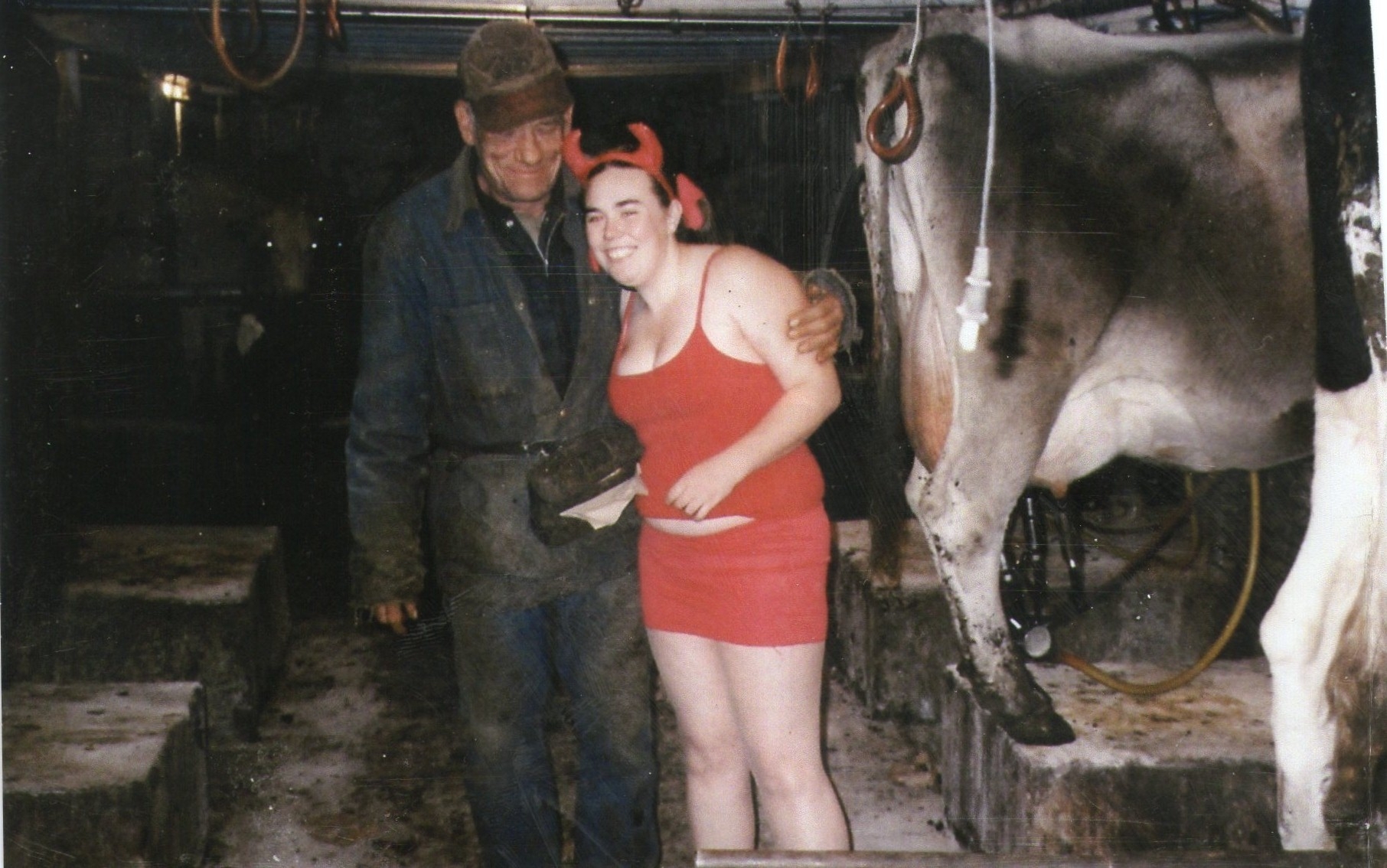
Penny celebrates Halloween in the dairy with her Grandad

Halloween in the dairy parlor with Grandad


I was raised on a 240 acre dairy farm in the heart of dairy country, Wisconsin USA. No one would imagine I would make it to South Gippsland, Australia, in the pursuit of helping lame cows. The differences between dairying in sometimes frozen tundra to the harsh Aussie summer are huge!

Growing up, we milked our cows in stantions and moved our milking units down the line, kneeling down to milk in between cows. Which was always made it fun when you had a particularly sassy heifer!!

We only had 80 cows, just like most other family farms in the area, but on a cold winter night when temperatures dropped to sometimes -20C it was plenty!! The cows usually heated the barn a bit but it was not unheard of to have to stop milking, run to the milk house get a bucket of hot water and pour it over the milk line because it had frozen solid before hitting the bulk tank!! In early 1999 we became quite “advanced”, installing a homemade step up/walk through parlor!

Making the change to rotational grazing brought about a new set of issues like frozen teats when the cows were sleeping with 4 feet of snow on the ground. People thought we were crazy and maybe we were but that’s okay too.

One thing that is constant, no matter where I travel in the dairy industry, is the kindness of the people and the amazing work ethic that is passed down from generation to generation. My Grandpa taught me that the Farm comes first no matter what, that I could do whatever I wanted on Friday night but I better be there to get cows on Saturday morning and to be proud of the job knowing that farming is the backbone to a great nation. I am so lucky to be involved in this great profession still today!

Milk war myths

This story from the ABC News on the impact of the price war suggests exports will allow dairy farmers to make a living.

It says China and South-East Asia, particularly India, will provide “huge opportunities” for Australian dairy. True, the February Dairy 2012 Situation and Outlook shows China’s whole milk powder imports have skyrocketed (see page 10).

It’s pretty misleading of the ABC news report to suggest, however, that exports will be our salvation.

First, not all Australian milk can be exported. Queensland, for example, does not have manufacturing facilities capable of producing product for export and it looks like there won’t be enough dairy farmers left there to support a factory in any case. Almost all of their milk is sold as fresh milk on Brisbane’s retail shelves.

Second, Victorian dairy farmers have long exported around half our milk; only 9 per cent of our milk ends up in cartons on the retail shelf and the ABC News report suggests we are doing better than those who supply the domestic market. The prices farmers are paid for a litre of milk in different Australian states tell a very different story. In 2008/09, Victorian farmers were paid 39 cents per litre while Queenslanders received 57 cents. In 2009/10, it was 34 cents versus 56 cents in the Queenslanders’ favour.

I am not suggesting the Queenslanders have been living it up but these numbers paint a far less rosy picture when it comes to exports, don’t you think?

The ABC also says raw milk prices have doubled in the last five years. Maybe so, but costs seem to have pretty much kept pace and the surging Australian dollar has meant that the average Australian dairy farmer has missed out on a fat pay cheque. Most of the farmers I know are struggling.

As Julian Cribb wrote in his SMH article “Huge shift in what we eat” today:

“If cities and the resources sector continue to take water and land from farmers, and supermarkets continue to punish them economically, much of our future food may be grown in factories, rather than on farms.”

Is that what Australians want?

One job I love and loathe

Hosing our yard takes an hour and a half every day. It can be frustrating because there’s so much we could do with that time but, on the other hand, you can use it as time to let your mind drift. I reckon it’s the equivalent of a city commuter’s traffic jam. It’s made so much more fun though, when you have help like this.

Hosing the yard

Making hosing fun

One day, we will get a hydrant wash, which gushes out large volumes of water at low pressure and do the job in five to 10 minutes. Maybe Santa will find a way to fit one in his sack!